

Privé-detectives. Theorie en praktijk van de private recherche
Privé-detectives. Theorie en praktijk van de private recherche
De ondervraging. Analyse van een politietechniek
De ondervraging. Analyse van een politietechniek

Politionele recherchetechnieken. Een praktijkoverzicht
Politionele recherchetechnieken. Een praktijkoverzicht
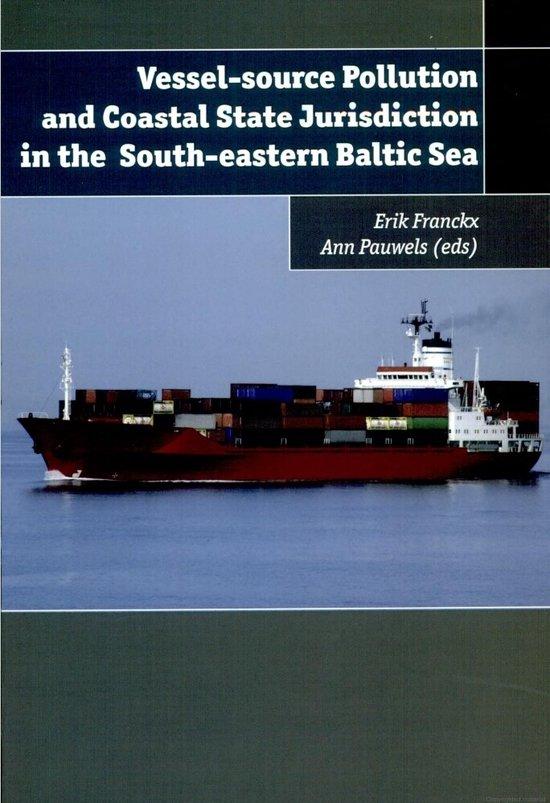
Vessel-source pollution and coastal state jurisdiction in the South-eastern Baltic Sea
coupons for cialis
prescription drugs coupons Vessel-source pollution and coastal state jurisdiction in the South-eastern Baltic Sea
coupons for cialis
prescription drugs couponsLoon naar Belgisch arbeidsovereenkomstenrecht. Rechtspositie, recht op loon, loonbegrip
Loon naar Belgisch arbeidsovereenkomstenrecht. Rechtspositie, recht op loon, loonbegrip
Aandelen en echtscheiding (Hardcover)
prednisolon tabletta
prednisolon lasertech.com Aandelen en echtscheiding (Hardcover)
prednisolon tabletta
prednisolon lasertech.com
Sterktes van mensen. Sterktegerichte strategieën voor het ondersteunen van mensen met een psychiatrische problematiek die strafbare feiten pleegden.
De aanwijzingen nemen steeds meer toe: sterktegericht werken met mensen met een psychiatrische problematiek die strafbare feiten pleegden levert positieve resultaten op. Dit boek bundelt de beschikbare kennis en reikt handvatten aan om met deze aanpak in de praktijk aan de slag te gaan.
Het bevat twee bijdragen van internationale experts: Fergus McNeill (University of Glasgow, UK) en Tony Ward (Victoria University of Wellington, New Zealand) beschrijven de achtergronden en internationale toepassingen van het sterktegericht paradigma.
Vijf hoofdstukken geven daarnaast de eerste resultaten weer van een interdisciplinaire studie van de Universiteit Gent naar sterktegerichte multidisciplinaire richtlijnen, aanbevelingen en strategieën voor deze doelgroep, en samen met de doelgroep.
Hulpverleners, advocaten, magistraten, beleidsmakers en ervaringsdeskundigen zullen ongetwijfeld inspiratie vinden in deze uitgave.
GPRC - Guaranteed Peer Reviewed Content
Sterktes van mensen. Sterktegerichte strategieën voor het ondersteunen van mensen met een psychiatrische problematiek die strafbare feiten pleegden.
De aanwijzingen nemen steeds meer toe: sterktegericht werken met mensen met een psychiatrische problematiek die strafbare feiten pleegden levert positieve resultaten op. Dit boek bundelt de beschikbare kennis en reikt handvatten aan om met deze aanpak in de praktijk aan de slag te gaan.
Het bevat twee bijdragen van internationale experts: Fergus McNeill (University of Glasgow, UK) en Tony Ward (Victoria University of Wellington, New Zealand) beschrijven de achtergronden en internationale toepassingen van het sterktegericht paradigma.
Vijf hoofdstukken geven daarnaast de eerste resultaten weer van een interdisciplinaire studie van de Universiteit Gent naar sterktegerichte multidisciplinaire richtlijnen, aanbevelingen en strategieën voor deze doelgroep, en samen met de doelgroep.
Hulpverleners, advocaten, magistraten, beleidsmakers en ervaringsdeskundigen zullen ongetwijfeld inspiratie vinden in deze uitgave.
GPRC - Guaranteed Peer Reviewed Content
European Journal of Policing Studies – Jaargang 3/2 (2015) (ISSN 2034-760x) – Special issue Policing, Boundaries and the State
Contents:
Introduction
A. Verhage, L. Bisschop, W. Hardyns & D. Boels
Articles
Policing, Boundaries and the
State: The Changing Landscape
of Sovereignty and Security. Introduction to the Edition
C. Giacomantonio (1) & H.O.I. Gundhus (2)
(1) Analyst at
RAND Europe, a not-for-profit policy research institution based in Cambridge, UK and Brussels,
BE.
(2) Professor at Norwegian Police University College, Research Department.
Talking to the Man. Some Gendered Reflections on the
Relationship Between the Global
System and Policing Subculture(s)
B. Bowling (1) & J. Sheptycki (2)
Abstract
This paper reflects on the interplay between the transnational subculture of policing and the
subculture of transnational policing and pays particular attention to the encoding of masculine
tropes within them. It uses the culture/subculture distinction to illuminate how gendered masculine
identities help to mediate the relationship between the broader culture of control and the occupational
subculture(s) of policing. The paper is part of an attempt to theorize global policing as
a synecdoche of the global system, an idea that is fundamentally challenging to our ideas about
the boundaries of the state. In this paper we draw attention to the specifically ‘masculinist’ nature
of the discourse concerning global policing practice, which is often essentialized in dyadic terms;
in extremis, in terms of chivalrous knights and rapacious Bluebeards. The paper looks at the
militarization of US policing and briefly explores the global terrain of public order policing in the
contemporary period, again drawing attention to the masculine tropes that pervade the scene. The
paper endeavors to show how the prevalence of problematic masculine role-types in the enactment
policing subculture(s) affects the global system.
Keywords: transnational policing; subculture(s); masculinity; global policing; militarization of policing
(1) Deputy Dean of The Dickson Poon School of Law.
(2) Professor of Criminology at the Faculty of Liberal Arts and Professional
Studies York University Toronto, Canada.
Justifications and State
Actions. EU Police Cooperation, Schengen
Borders and Norwegian Sovereignty
S. Ugelvik (1)
Abstract
Building on an assessment of Norwegian policy documents from 1994 to 2012, this article provides
a critical analysis of the process leading up to the Norwegian agreements with EU, primarily those
concerning police cooperation. The purpose is to discuss the Norwegian Government’s justifications
for entering into the agreements throughout this period. The Norwegian Government firstly
argued that the pertinent agreements were imperative to maintain the free travel-arrangements
already existing between the Nordic countries. This justification was shortly after moderated, and
had a few years later disappeared completely. It was replaced by a former secondary argument; the
pressing need for enhanced police cooperation. This article presents some of the changes the EU
agreements involved for the Norwegian police. It shows a discrepancy between the policiary needs
and purposes as these were presented fluctuating throughout a relatively short period of time.
Further, it reveals the lack of debate concerning what may be seen as fundamental changes in the
way a sovereign nation state interacts with other states and their citizens. The article discusses
what it may imply when justifications turn out to be flawed due to weak foundational premises, or
because of later developments, but are still repeated or circumvented, or even used tautologically, to
promote a certain outcome. It finds that this may
European Journal of Policing Studies – Jaargang 3/2 (2015) (ISSN 2034-760x) – Special issue Policing, Boundaries and the State
Contents:
Introduction
A. Verhage, L. Bisschop, W. Hardyns & D. Boels
Articles
Policing, Boundaries and the
State: The Changing Landscape
of Sovereignty and Security. Introduction to the Edition
C. Giacomantonio (1) & H.O.I. Gundhus (2)
(1) Analyst at
RAND Europe, a not-for-profit policy research institution based in Cambridge, UK and Brussels,
BE.
(2) Professor at Norwegian Police University College, Research Department.
Talking to the Man. Some Gendered Reflections on the
Relationship Between the Global
System and Policing Subculture(s)
B. Bowling (1) & J. Sheptycki (2)
Abstract
This paper reflects on the interplay between the transnational subculture of policing and the
subculture of transnational policing and pays particular attention to the encoding of masculine
tropes within them. It uses the culture/subculture distinction to illuminate how gendered masculine
identities help to mediate the relationship between the broader culture of control and the occupational
subculture(s) of policing. The paper is part of an attempt to theorize global policing as
a synecdoche of the global system, an idea that is fundamentally challenging to our ideas about
the boundaries of the state. In this paper we draw attention to the specifically ‘masculinist’ nature
of the discourse concerning global policing practice, which is often essentialized in dyadic terms;
in extremis, in terms of chivalrous knights and rapacious Bluebeards. The paper looks at the
militarization of US policing and briefly explores the global terrain of public order policing in the
contemporary period, again drawing attention to the masculine tropes that pervade the scene. The
paper endeavors to show how the prevalence of problematic masculine role-types in the enactment
policing subculture(s) affects the global system.
Keywords: transnational policing; subculture(s); masculinity; global policing; militarization of policing
(1) Deputy Dean of The Dickson Poon School of Law.
(2) Professor of Criminology at the Faculty of Liberal Arts and Professional
Studies York University Toronto, Canada.
Justifications and State
Actions. EU Police Cooperation, Schengen
Borders and Norwegian Sovereignty
S. Ugelvik (1)
Abstract
Building on an assessment of Norwegian policy documents from 1994 to 2012, this article provides
a critical analysis of the process leading up to the Norwegian agreements with EU, primarily those
concerning police cooperation. The purpose is to discuss the Norwegian Government’s justifications
for entering into the agreements throughout this period. The Norwegian Government firstly
argued that the pertinent agreements were imperative to maintain the free travel-arrangements
already existing between the Nordic countries. This justification was shortly after moderated, and
had a few years later disappeared completely. It was replaced by a former secondary argument; the
pressing need for enhanced police cooperation. This article presents some of the changes the EU
agreements involved for the Norwegian police. It shows a discrepancy between the policiary needs
and purposes as these were presented fluctuating throughout a relatively short period of time.
Further, it reveals the lack of debate concerning what may be seen as fundamental changes in the
way a sovereign nation state interacts with other states and their citizens. The article discusses
what it may imply when justifications turn out to be flawed due to weak foundational premises, or
because of later developments, but are still repeated or circumvented, or even used tautologically, to
promote a certain outcome. It finds that this may
International Investment Arbitration. A Practical Handbook
Investment Arbitration is a multi-billion dollar venture. It is an area of international dispute resolution, which has undergone tremendous growth in recent years and resulted in the signature of thousands of Bilateral Investment Treaties (BITs) between foreign states and several Multilateral Investment Treaties (MITs). Numerous disputes involving these instruments are resolved through international arbitration. Arbitral tribunals have rendered many awards ordering the payment of large sums of money.
This handbook provides an explanatory introduction into the area of investment arbitration, differentiating it from commercial arbitration and state-to-state arbitration. It examines the legal framework and the general course of an international investment arbitration. In particular, it focuses on the standards of protection in international investment agreements, the concept of jurisdiction in international investment arbitration and the arbitral award, including the notions of recognition, enforcement and execution. Moreover, this cutting-edge publication contains relevant and recent case law in the area and deals with contemporaneous issues such as the ongoing controversy regarding the future of Intra-EU BITs and Free Trade Agreements as well as the link between vulture funds and investment arbitration.
The handbook aims at arbitrators, lawyers, practitioners, academics, students and everyone with an interest in international investment arbitration.
It is written by Johan Billiet in collaboration with Maria Elenora Benini, Cari-Dee Le, Amélie Noilhac and Cecile Oosterveen.
International Investment Arbitration. A Practical Handbook
Investment Arbitration is a multi-billion dollar venture. It is an area of international dispute resolution, which has undergone tremendous growth in recent years and resulted in the signature of thousands of Bilateral Investment Treaties (BITs) between foreign states and several Multilateral Investment Treaties (MITs). Numerous disputes involving these instruments are resolved through international arbitration. Arbitral tribunals have rendered many awards ordering the payment of large sums of money.
This handbook provides an explanatory introduction into the area of investment arbitration, differentiating it from commercial arbitration and state-to-state arbitration. It examines the legal framework and the general course of an international investment arbitration. In particular, it focuses on the standards of protection in international investment agreements, the concept of jurisdiction in international investment arbitration and the arbitral award, including the notions of recognition, enforcement and execution. Moreover, this cutting-edge publication contains relevant and recent case law in the area and deals with contemporaneous issues such as the ongoing controversy regarding the future of Intra-EU BITs and Free Trade Agreements as well as the link between vulture funds and investment arbitration.
The handbook aims at arbitrators, lawyers, practitioners, academics, students and everyone with an interest in international investment arbitration.
It is written by Johan Billiet in collaboration with Maria Elenora Benini, Cari-Dee Le, Amélie Noilhac and Cecile Oosterveen.
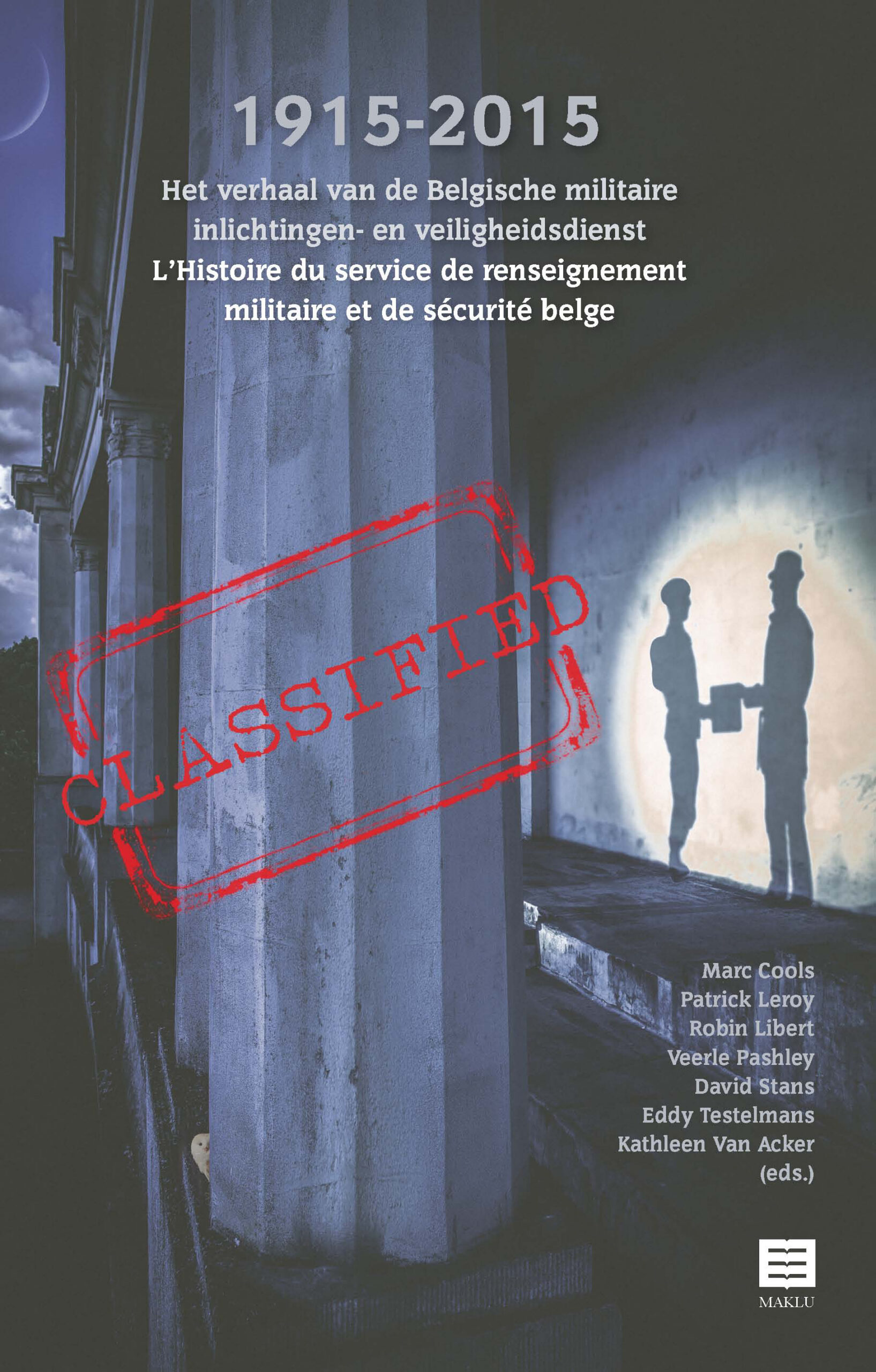
1915-2015: Het verhaal van de Belgische Militaire Inlichtingen- en Veiligheidsdienst
À l’occasion du centenaire de la Sûreté Militaire, organisme précurseur de ce
que nous connaissons aujourd’hui comme le Service Général du Renseignement
et de la Sécurité (SGRS), cet ouvrage particulier lui a été consacré, une
première dans son histoire, mais aussi une exposition rétrospective. L’exposition
ambitionne de faire découvrir au grand public les principaux jalons de
l’ histoire du Service (missions, organisation et fonctionnement) et les défis
actuels auxquels il est confronté, dans un environnement de plus en plus
mondialisé.
Tant le livre que l’exposition ont été envisagés comme une opportunité de
mettre en valeur le savoir-faire du Service et les résultats engrangés. Une
analyse de certaines erreurs qui ont été commises dans l’histoire ne manque
pas. Quelques mythes tenaces, sur le renseignement et l’espionnage ont
également été déconstruits.
Ce livre, et l’exposition « Classified » invitent lecteur et visiteur à réfléchir
aux questions éthiques qui accompagnent l’existence d’un organisme nécessairement
discret.
1915-2015: Het verhaal van de Belgische Militaire Inlichtingen- en Veiligheidsdienst
À l’occasion du centenaire de la Sûreté Militaire, organisme précurseur de ce
que nous connaissons aujourd’hui comme le Service Général du Renseignement
et de la Sécurité (SGRS), cet ouvrage particulier lui a été consacré, une
première dans son histoire, mais aussi une exposition rétrospective. L’exposition
ambitionne de faire découvrir au grand public les principaux jalons de
l’ histoire du Service (missions, organisation et fonctionnement) et les défis
actuels auxquels il est confronté, dans un environnement de plus en plus
mondialisé.
Tant le livre que l’exposition ont été envisagés comme une opportunité de
mettre en valeur le savoir-faire du Service et les résultats engrangés. Une
analyse de certaines erreurs qui ont été commises dans l’histoire ne manque
pas. Quelques mythes tenaces, sur le renseignement et l’espionnage ont
également été déconstruits.
Ce livre, et l’exposition « Classified » invitent lecteur et visiteur à réfléchir
aux questions éthiques qui accompagnent l’existence d’un organisme nécessairement
discret.
IPR, Proces & Arbitrage: Over grondslagen en rechtspraktijk (Handelsversie)
Dit boek bespreekt de grondslagen van het conflictenrecht alsmede de wijze waarop het conflictenrecht en het vreemde recht worden behandeld in gerechtelijke en arbitrale procedures.
De eerste hoofdstukken gaan in op de historische ontwikkeling van het conflictenrecht en zijn moderne grondslagen. Daarbij wordt onder meer uiteengezet op welke wijze het internationale recht (inclusief mensenrechten en investeringsverdragen) alsook het communautaire recht invloed kunnen uitoefenen op het conflictenrecht en het resultaat van de verwijzing.
De volgende hoofdstukken gaan na hoe de grondslagen van het conflictenrecht zich vertalen naar de praktijk. Daartoe onderzoekt de auteur hoe het conflictenrecht wordt behandeld in procedures bij de rechtbanken, de gerechtshoven en de Hoge Raad en hoe het procesrecht ingrijpt op die behandeling. In dat verband blijkt dat de processuele behandeling van het conflictenrecht per instantie verschilt en dat van een volledig ambtshalve conflictenrecht geen sprake is.
Vervolgens komt aan bod wat de positie is van het vreemde recht in procedures bij de rechtbanken, de gerechtshoven en de Hoge Raad, hoe de inhoud van het vreemde recht moet worden vastgesteld en wat er dient te geschieden als dat niet lukt binnen een bekwame termijn. Ook besteedt de auteur aandacht aan de conflictenrechtelijke belangeneis en het facultatief conflictenrecht.
Tot slot wordt ingegaan op de wijze waarop het conflictenrecht een rol speelt in arbitrage. In dat verband bespreekt de auteur op welke wijze het toepasselijke recht moet worden bepaald inzake de arbitrabiliteit, de bevoegd- en bekwaamheid van partijen, de arbitrageovereenkomst, de regels die het arbitraal geding betreffen en het materiële geschil dat partijen verdeeld houdt.
Niek Peters is advocaat te Amsterdam en doceert sinds 2008 het vak International Commercial Dispute Settlement Law aan de Rijksuniversiteit Groningen.
IPR, Proces & Arbitrage: Over grondslagen en rechtspraktijk (Handelsversie)
Dit boek bespreekt de grondslagen van het conflictenrecht alsmede de wijze waarop het conflictenrecht en het vreemde recht worden behandeld in gerechtelijke en arbitrale procedures.
De eerste hoofdstukken gaan in op de historische ontwikkeling van het conflictenrecht en zijn moderne grondslagen. Daarbij wordt onder meer uiteengezet op welke wijze het internationale recht (inclusief mensenrechten en investeringsverdragen) alsook het communautaire recht invloed kunnen uitoefenen op het conflictenrecht en het resultaat van de verwijzing.
De volgende hoofdstukken gaan na hoe de grondslagen van het conflictenrecht zich vertalen naar de praktijk. Daartoe onderzoekt de auteur hoe het conflictenrecht wordt behandeld in procedures bij de rechtbanken, de gerechtshoven en de Hoge Raad en hoe het procesrecht ingrijpt op die behandeling. In dat verband blijkt dat de processuele behandeling van het conflictenrecht per instantie verschilt en dat van een volledig ambtshalve conflictenrecht geen sprake is.
Vervolgens komt aan bod wat de positie is van het vreemde recht in procedures bij de rechtbanken, de gerechtshoven en de Hoge Raad, hoe de inhoud van het vreemde recht moet worden vastgesteld en wat er dient te geschieden als dat niet lukt binnen een bekwame termijn. Ook besteedt de auteur aandacht aan de conflictenrechtelijke belangeneis en het facultatief conflictenrecht.
Tot slot wordt ingegaan op de wijze waarop het conflictenrecht een rol speelt in arbitrage. In dat verband bespreekt de auteur op welke wijze het toepasselijke recht moet worden bepaald inzake de arbitrabiliteit, de bevoegd- en bekwaamheid van partijen, de arbitrageovereenkomst, de regels die het arbitraal geding betreffen en het materiële geschil dat partijen verdeeld houdt.
Niek Peters is advocaat te Amsterdam en doceert sinds 2008 het vak International Commercial Dispute Settlement Law aan de Rijksuniversiteit Groningen.
Internationale politie- en justitiesamenwerking (Reeks Veiligheidsstudies, nr. 13)
Ook de meerwaarde van internationale organisaties komt uitvoerig aan bod. De lezer krijgt tot slot een gedetailleerd overzicht van de belangrijkste Europese verdragen en andere samenwerkingsteksten. Dit overzicht wordt via een thematisch trefwoordenregister extra toegankelijk gemaakt. Dit boek richt zich op de praktijk en is bestemd voor al wie met internationale samenwerking te maken krijgt, in eigen stad of gemeente, of met buitenlandse partners.
Willy Bruggeman is voorzitter van de Federale politieraad en als bijzonder geassocieerd hoogleraar verbonden aan de leerstoel politiewetenschappen aan het Benelux Universitair Centrum.
Internationale politie- en justitiesamenwerking (Reeks Veiligheidsstudies, nr. 13)
Ook de meerwaarde van internationale organisaties komt uitvoerig aan bod. De lezer krijgt tot slot een gedetailleerd overzicht van de belangrijkste Europese verdragen en andere samenwerkingsteksten. Dit overzicht wordt via een thematisch trefwoordenregister extra toegankelijk gemaakt. Dit boek richt zich op de praktijk en is bestemd voor al wie met internationale samenwerking te maken krijgt, in eigen stad of gemeente, of met buitenlandse partners.
Willy Bruggeman is voorzitter van de Federale politieraad en als bijzonder geassocieerd hoogleraar verbonden aan de leerstoel politiewetenschappen aan het Benelux Universitair Centrum.