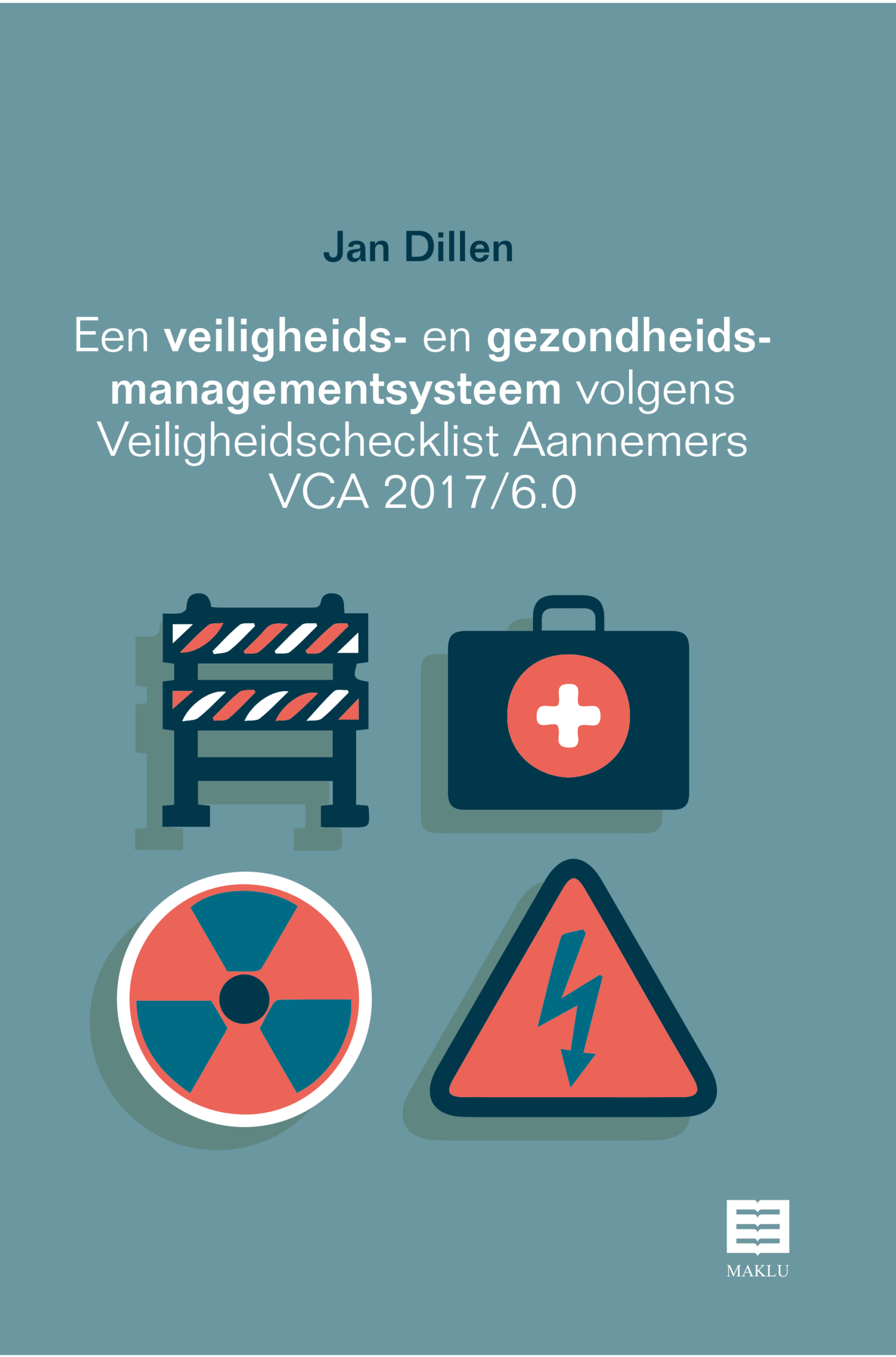
Een veiligheids- en gezondheidsmanagementsysteem volgens Veiligheidschecklist Aannemers VCA 2017-6.0
€ 39,00
Veel aannemers zijn gecertificeerd volgens de Veiligheidschecklist Aannemers VCA. In deze VCA-checklist zijn er VCA-opleidingen voorzien en bij deze opleidingen bestaan handboeken om te kunnen slagen in deze VCA-examens. Over de checklist zelf bestaat weinig informatie. Daarom is deze uitgave nuttig. Zij bespreekt de nieuwe VCA-checklist 2017/6.0. De oude checklist VCA 2008 komt, wegens voorbijgestreefd, niet meer aan bod. Bij nieuwe wijzigingen aan de VCA 2017/6.0, wijzigingen die voorzien zijn, zal deze uitgave worden aangepast. De auteur meent dat wijzigingen aan deze versie 2017/6.0 noodzakelijk zijn om de VCA te moderniseren. Deze modernisering dient volgens de auteur te bestaan uit:
•Een grotere systeemaanpak in de VCA-checklist, • Een grotere alignering met andere ISO-managementsystemen zoals ISO 9001, 14001 en/of 45001, • Het verlaten van een enge procedureaanpak (moderne managementsystemen spreken over gedocumenteerde informatie),• Grotere mogelijkheden tot aanpassing van de eisen aan de specifieke situatie (een veiligheids- en gezondheidsmanagementsysteem is immers afhankelijk van de context waarbinnen het opereert).
Dit alles komt uitgebreid aan bod in deze uitgave waarin alle VCA-eisen worden besproken. Op die manier weet uw organisatie aan welke eisen zij moet voldoen om zonder problemen de VCA*, VCA** of VCA-Petrochemie audit te doorstaan, resulterend in een VCA-certificaat.
Jan Dillen is ingenieur bouwkunde, preventieadviseur niveau 1 (HVK) en milieucoördinator niveau A. Hij was lange tijd werkzaam als veiligheidsprofessional bij een verzekeringsmaatschappij op het gebied van preventie van arbeidsongevallen, brandverzekeringen en bouwrisico’s. Hij werkt momenteel als lead auditor op het gebied van kwaliteit, veiligheid en milieu, en maatschappelijk verantwoord ondernemen. Voor veiligheid auditeert hij ISO 45001 en VCA, liefst gecombineerd met ISO 9001 en/of ISO 14001. Daarnaast verzorgt hij opleidingen voor preventieadviseurs en milieuprofessionals aan de Universiteit Antwerpen en de PXL Hasselt en publiceerde hij al meerdere boeken over veiligheids- en managementsystemen. Jan is tevens ISO-expert bij o.a. Wolters Kluwer en schrijft op regelmatige basisartikels en analyses.
•Een grotere systeemaanpak in de VCA-checklist, • Een grotere alignering met andere ISO-managementsystemen zoals ISO 9001, 14001 en/of 45001, • Het verlaten van een enge procedureaanpak (moderne managementsystemen spreken over gedocumenteerde informatie),• Grotere mogelijkheden tot aanpassing van de eisen aan de specifieke situatie (een veiligheids- en gezondheidsmanagementsysteem is immers afhankelijk van de context waarbinnen het opereert).
Dit alles komt uitgebreid aan bod in deze uitgave waarin alle VCA-eisen worden besproken. Op die manier weet uw organisatie aan welke eisen zij moet voldoen om zonder problemen de VCA*, VCA** of VCA-Petrochemie audit te doorstaan, resulterend in een VCA-certificaat.
Jan Dillen is ingenieur bouwkunde, preventieadviseur niveau 1 (HVK) en milieucoördinator niveau A. Hij was lange tijd werkzaam als veiligheidsprofessional bij een verzekeringsmaatschappij op het gebied van preventie van arbeidsongevallen, brandverzekeringen en bouwrisico’s. Hij werkt momenteel als lead auditor op het gebied van kwaliteit, veiligheid en milieu, en maatschappelijk verantwoord ondernemen. Voor veiligheid auditeert hij ISO 45001 en VCA, liefst gecombineerd met ISO 9001 en/of ISO 14001. Daarnaast verzorgt hij opleidingen voor preventieadviseurs en milieuprofessionals aan de Universiteit Antwerpen en de PXL Hasselt en publiceerde hij al meerdere boeken over veiligheids- en managementsystemen. Jan is tevens ISO-expert bij o.a. Wolters Kluwer en schrijft op regelmatige basisartikels en analyses.
Een veiligheids- en gezondheidsmanagementsysteem volgens Veiligheidschecklist Aannemers VCA 2017-6.0
€ 39,00
Veel aannemers zijn gecertificeerd volgens de Veiligheidschecklist Aannemers VCA. In deze VCA-checklist zijn er VCA-opleidingen voorzien en bij deze opleidingen bestaan handboeken om te kunnen slagen in deze VCA-examens. Over de checklist zelf bestaat weinig informatie. Daarom is deze uitgave nuttig. Zij bespreekt de nieuwe VCA-checklist 2017/6.0. De oude checklist VCA 2008 komt, wegens voorbijgestreefd, niet meer aan bod. Bij nieuwe wijzigingen aan de VCA 2017/6.0, wijzigingen die voorzien zijn, zal deze uitgave worden aangepast. De auteur meent dat wijzigingen aan deze versie 2017/6.0 noodzakelijk zijn om de VCA te moderniseren. Deze modernisering dient volgens de auteur te bestaan uit:
•Een grotere systeemaanpak in de VCA-checklist, • Een grotere alignering met andere ISO-managementsystemen zoals ISO 9001, 14001 en/of 45001, • Het verlaten van een enge procedureaanpak (moderne managementsystemen spreken over gedocumenteerde informatie),• Grotere mogelijkheden tot aanpassing van de eisen aan de specifieke situatie (een veiligheids- en gezondheidsmanagementsysteem is immers afhankelijk van de context waarbinnen het opereert).
Dit alles komt uitgebreid aan bod in deze uitgave waarin alle VCA-eisen worden besproken. Op die manier weet uw organisatie aan welke eisen zij moet voldoen om zonder problemen de VCA*, VCA** of VCA-Petrochemie audit te doorstaan, resulterend in een VCA-certificaat.
Jan Dillen is ingenieur bouwkunde, preventieadviseur niveau 1 (HVK) en milieucoördinator niveau A. Hij was lange tijd werkzaam als veiligheidsprofessional bij een verzekeringsmaatschappij op het gebied van preventie van arbeidsongevallen, brandverzekeringen en bouwrisico’s. Hij werkt momenteel als lead auditor op het gebied van kwaliteit, veiligheid en milieu, en maatschappelijk verantwoord ondernemen. Voor veiligheid auditeert hij ISO 45001 en VCA, liefst gecombineerd met ISO 9001 en/of ISO 14001. Daarnaast verzorgt hij opleidingen voor preventieadviseurs en milieuprofessionals aan de Universiteit Antwerpen en de PXL Hasselt en publiceerde hij al meerdere boeken over veiligheids- en managementsystemen. Jan is tevens ISO-expert bij o.a. Wolters Kluwer en schrijft op regelmatige basisartikels en analyses.
•Een grotere systeemaanpak in de VCA-checklist, • Een grotere alignering met andere ISO-managementsystemen zoals ISO 9001, 14001 en/of 45001, • Het verlaten van een enge procedureaanpak (moderne managementsystemen spreken over gedocumenteerde informatie),• Grotere mogelijkheden tot aanpassing van de eisen aan de specifieke situatie (een veiligheids- en gezondheidsmanagementsysteem is immers afhankelijk van de context waarbinnen het opereert).
Dit alles komt uitgebreid aan bod in deze uitgave waarin alle VCA-eisen worden besproken. Op die manier weet uw organisatie aan welke eisen zij moet voldoen om zonder problemen de VCA*, VCA** of VCA-Petrochemie audit te doorstaan, resulterend in een VCA-certificaat.
Jan Dillen is ingenieur bouwkunde, preventieadviseur niveau 1 (HVK) en milieucoördinator niveau A. Hij was lange tijd werkzaam als veiligheidsprofessional bij een verzekeringsmaatschappij op het gebied van preventie van arbeidsongevallen, brandverzekeringen en bouwrisico’s. Hij werkt momenteel als lead auditor op het gebied van kwaliteit, veiligheid en milieu, en maatschappelijk verantwoord ondernemen. Voor veiligheid auditeert hij ISO 45001 en VCA, liefst gecombineerd met ISO 9001 en/of ISO 14001. Daarnaast verzorgt hij opleidingen voor preventieadviseurs en milieuprofessionals aan de Universiteit Antwerpen en de PXL Hasselt en publiceerde hij al meerdere boeken over veiligheids- en managementsystemen. Jan is tevens ISO-expert bij o.a. Wolters Kluwer en schrijft op regelmatige basisartikels en analyses.
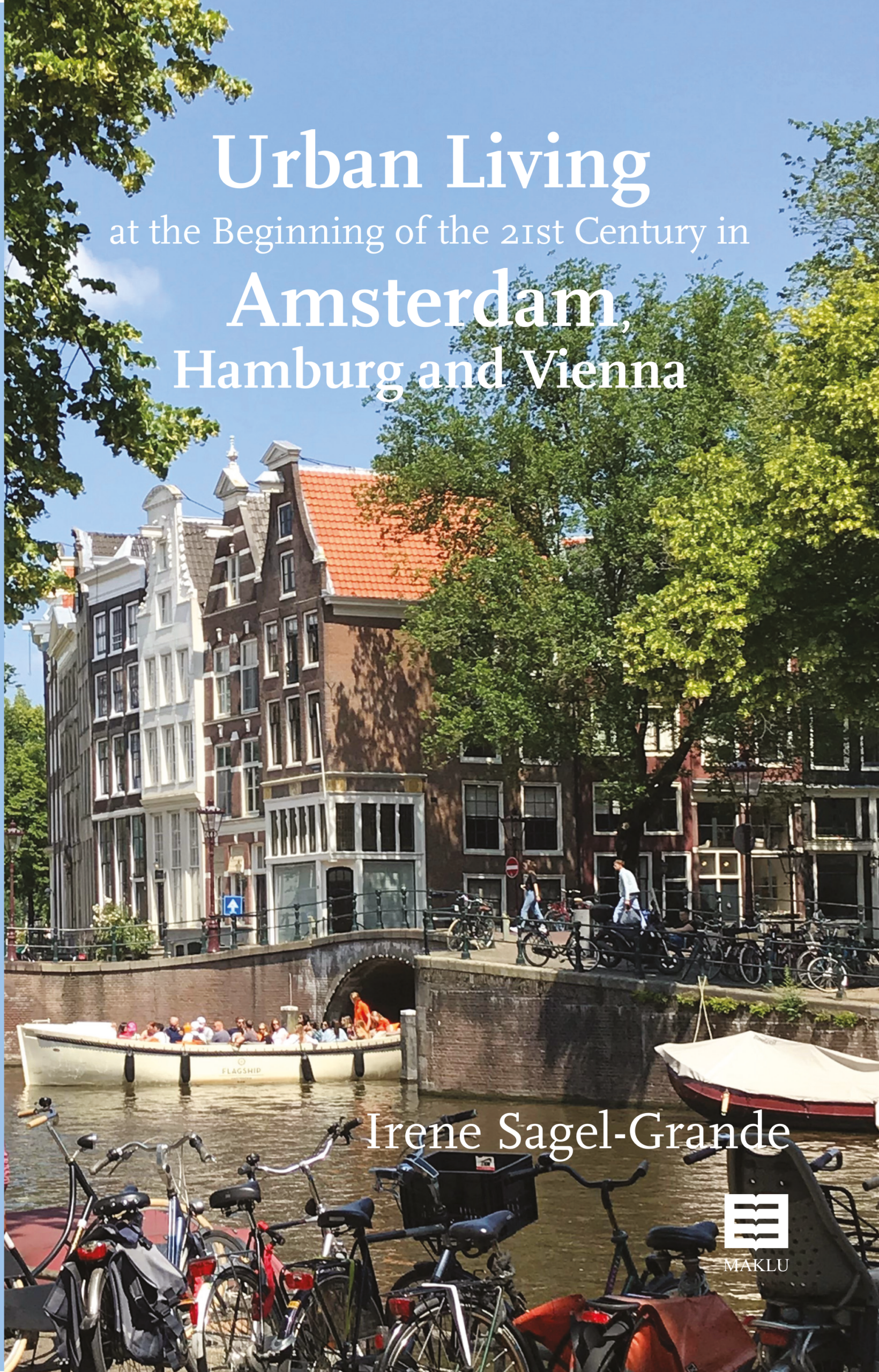
Urban living at the beginning of the 21st century in Amsterdam, Hamburg and Vienna
€ 49,00
“Urban Living at the Beginning of the 21st Century in Amsterdam, Hamburg and Vienna” is based on the EU-subsidised research project “Insecurities in European Cities” (InSec) and on the data collected in the framework of this study. While the InSec project combined Amsterdam, Budapest, Hamburg, Krakow and Vienna in the one research, the present study centres on Amsterdam with its areas De Baarsjes and De Bijlmer, while using Hamburg with the area Wilhelmsburg and Vienna with the district Leopoldstadt for comparison.
The book is the result of observations dating from the time of the InSec research and of various developments that have taken place during the following about 15 years. Overviewing the mass of details introduced and referred to, one recognizes an apparent arrangement of important subjects, the following themes respectively: the influence of the time factor, the significance of diversity, the extent and importance of interaction and of the need of more interdisciplinarity.
Irene Sagel-Grande studied German Law, Jurisprudence and Criminology at Hamburg University and took her PhD at Justus Liebig University in Giessen, Germany. From 1973 to 1976 she was attached to Amsterdam University as co-editor of “Justiz und NS-Verbrechen”, a publication of German penal judgements between 1945 and 1966 with regard to National Socialist culpable homicide. In 1978 she started to study Dutch Law and Criminology at Free University Amsterdam, from where she graduated in 1981. After many years as Associate Professor in the Department for Penal Law and Criminology, as well as in the Department for Legal History, Private International and Comparative Private Law at Leiden University, she was appointed to Groningen University in 2000 to join the staff of the newly-founded Hanse Law School. Since 2007 she has been working primarily on empirical research projects in the field of European Sanction Systems, Prison Rules, Comparative Penal Law, Insecurities and Quality of Life in European Cities and in the field between jurisprudence and medicine, mainly on drugs policies and euthanasia.
The Late Leo Toornvliet was Assistant Professor at the Criminological Institute of Leiden University. He studied experimental psychology and the technology of scientific research. From the beginning, the main point of his research was the aetiology of juvenile criminality, particularly in connection with personality. He participated in several Dutch crime prevention projects measuring objective insecurity (the level of criminality) as well as subjective insecurity (fear of crime). Further, he worked as methodologist in a number of research projects.
Ian Lording from Melbourne/Australia has BSc and MA in Applied Linguistics and was kind to offer his help with improving the language, English not being the mother tongue of the author, but chosen to make the book accessible to a broader public.
The book is the result of observations dating from the time of the InSec research and of various developments that have taken place during the following about 15 years. Overviewing the mass of details introduced and referred to, one recognizes an apparent arrangement of important subjects, the following themes respectively: the influence of the time factor, the significance of diversity, the extent and importance of interaction and of the need of more interdisciplinarity.
Irene Sagel-Grande studied German Law, Jurisprudence and Criminology at Hamburg University and took her PhD at Justus Liebig University in Giessen, Germany. From 1973 to 1976 she was attached to Amsterdam University as co-editor of “Justiz und NS-Verbrechen”, a publication of German penal judgements between 1945 and 1966 with regard to National Socialist culpable homicide. In 1978 she started to study Dutch Law and Criminology at Free University Amsterdam, from where she graduated in 1981. After many years as Associate Professor in the Department for Penal Law and Criminology, as well as in the Department for Legal History, Private International and Comparative Private Law at Leiden University, she was appointed to Groningen University in 2000 to join the staff of the newly-founded Hanse Law School. Since 2007 she has been working primarily on empirical research projects in the field of European Sanction Systems, Prison Rules, Comparative Penal Law, Insecurities and Quality of Life in European Cities and in the field between jurisprudence and medicine, mainly on drugs policies and euthanasia.
The Late Leo Toornvliet was Assistant Professor at the Criminological Institute of Leiden University. He studied experimental psychology and the technology of scientific research. From the beginning, the main point of his research was the aetiology of juvenile criminality, particularly in connection with personality. He participated in several Dutch crime prevention projects measuring objective insecurity (the level of criminality) as well as subjective insecurity (fear of crime). Further, he worked as methodologist in a number of research projects.
Ian Lording from Melbourne/Australia has BSc and MA in Applied Linguistics and was kind to offer his help with improving the language, English not being the mother tongue of the author, but chosen to make the book accessible to a broader public.
Urban living at the beginning of the 21st century in Amsterdam, Hamburg and Vienna
€ 49,00
“Urban Living at the Beginning of the 21st Century in Amsterdam, Hamburg and Vienna” is based on the EU-subsidised research project “Insecurities in European Cities” (InSec) and on the data collected in the framework of this study. While the InSec project combined Amsterdam, Budapest, Hamburg, Krakow and Vienna in the one research, the present study centres on Amsterdam with its areas De Baarsjes and De Bijlmer, while using Hamburg with the area Wilhelmsburg and Vienna with the district Leopoldstadt for comparison.
The book is the result of observations dating from the time of the InSec research and of various developments that have taken place during the following about 15 years. Overviewing the mass of details introduced and referred to, one recognizes an apparent arrangement of important subjects, the following themes respectively: the influence of the time factor, the significance of diversity, the extent and importance of interaction and of the need of more interdisciplinarity.
Irene Sagel-Grande studied German Law, Jurisprudence and Criminology at Hamburg University and took her PhD at Justus Liebig University in Giessen, Germany. From 1973 to 1976 she was attached to Amsterdam University as co-editor of “Justiz und NS-Verbrechen”, a publication of German penal judgements between 1945 and 1966 with regard to National Socialist culpable homicide. In 1978 she started to study Dutch Law and Criminology at Free University Amsterdam, from where she graduated in 1981. After many years as Associate Professor in the Department for Penal Law and Criminology, as well as in the Department for Legal History, Private International and Comparative Private Law at Leiden University, she was appointed to Groningen University in 2000 to join the staff of the newly-founded Hanse Law School. Since 2007 she has been working primarily on empirical research projects in the field of European Sanction Systems, Prison Rules, Comparative Penal Law, Insecurities and Quality of Life in European Cities and in the field between jurisprudence and medicine, mainly on drugs policies and euthanasia.
The Late Leo Toornvliet was Assistant Professor at the Criminological Institute of Leiden University. He studied experimental psychology and the technology of scientific research. From the beginning, the main point of his research was the aetiology of juvenile criminality, particularly in connection with personality. He participated in several Dutch crime prevention projects measuring objective insecurity (the level of criminality) as well as subjective insecurity (fear of crime). Further, he worked as methodologist in a number of research projects.
Ian Lording from Melbourne/Australia has BSc and MA in Applied Linguistics and was kind to offer his help with improving the language, English not being the mother tongue of the author, but chosen to make the book accessible to a broader public.
The book is the result of observations dating from the time of the InSec research and of various developments that have taken place during the following about 15 years. Overviewing the mass of details introduced and referred to, one recognizes an apparent arrangement of important subjects, the following themes respectively: the influence of the time factor, the significance of diversity, the extent and importance of interaction and of the need of more interdisciplinarity.
Irene Sagel-Grande studied German Law, Jurisprudence and Criminology at Hamburg University and took her PhD at Justus Liebig University in Giessen, Germany. From 1973 to 1976 she was attached to Amsterdam University as co-editor of “Justiz und NS-Verbrechen”, a publication of German penal judgements between 1945 and 1966 with regard to National Socialist culpable homicide. In 1978 she started to study Dutch Law and Criminology at Free University Amsterdam, from where she graduated in 1981. After many years as Associate Professor in the Department for Penal Law and Criminology, as well as in the Department for Legal History, Private International and Comparative Private Law at Leiden University, she was appointed to Groningen University in 2000 to join the staff of the newly-founded Hanse Law School. Since 2007 she has been working primarily on empirical research projects in the field of European Sanction Systems, Prison Rules, Comparative Penal Law, Insecurities and Quality of Life in European Cities and in the field between jurisprudence and medicine, mainly on drugs policies and euthanasia.
The Late Leo Toornvliet was Assistant Professor at the Criminological Institute of Leiden University. He studied experimental psychology and the technology of scientific research. From the beginning, the main point of his research was the aetiology of juvenile criminality, particularly in connection with personality. He participated in several Dutch crime prevention projects measuring objective insecurity (the level of criminality) as well as subjective insecurity (fear of crime). Further, he worked as methodologist in a number of research projects.
Ian Lording from Melbourne/Australia has BSc and MA in Applied Linguistics and was kind to offer his help with improving the language, English not being the mother tongue of the author, but chosen to make the book accessible to a broader public.
Justice in time. Pleidooi voor korte procedures. Iedereen wint.
€ 24,00
Waarom duren gerechtelijke procedures bij ons vaak zo lang? Daarvoor zijn vele redenen, maar geen enkele goede. Wie de kwaal goed wil bestrijden, stelt best de juiste diagnose. De hoofdschuldigen
zijn de verouderde procedureregels. Blame the system, not the people.
Het goede nieuws is dat deze procedureregels snel, eenvoudig én gratis kunnen worden aangepast. Veel gemakkelijker ook dan mensen te veranderen. Hoe snel verandert u zelf?
Dit boek wil een ernstige aanzet geven, met 50 welgemikte concrete voorstellen. Een strenge selectie van best practices in rechtbanken, vooruitziende rechtsleer en een eigen, pragmatische kijk, vaak geïnspireerd op landen die beter scoren. Op die manier kan Justitie snel een nieuw elan krijgen. Voor de zovelen, die al zolang wachten. En ook een heel klein beetje voor onszelf.
Er zijn altijd genoeg problemen. Nu nog voldoende oplossingen.
Simon Deryckere is advocaat ondernemingsrecht. Hij is licentiaat in de rechten (KULeuven 2005) en behaalde een DES en droit économique (ULB) en een Manama Vennootschapsrecht (KUB). Hij was praktijkassistent aan de KULAK. Hij is erkend bemiddelaar in ondernemingszaken en lid van de arbitrage instelling CEPANI. Hij is laureaat van pleitwedstrijden en een veelgevraagd spreker in zijn vakgebieden.
Het goede nieuws is dat deze procedureregels snel, eenvoudig én gratis kunnen worden aangepast. Veel gemakkelijker ook dan mensen te veranderen. Hoe snel verandert u zelf?
Dit boek wil een ernstige aanzet geven, met 50 welgemikte concrete voorstellen. Een strenge selectie van best practices in rechtbanken, vooruitziende rechtsleer en een eigen, pragmatische kijk, vaak geïnspireerd op landen die beter scoren. Op die manier kan Justitie snel een nieuw elan krijgen. Voor de zovelen, die al zolang wachten. En ook een heel klein beetje voor onszelf.
Er zijn altijd genoeg problemen. Nu nog voldoende oplossingen.
Simon Deryckere is advocaat ondernemingsrecht. Hij is licentiaat in de rechten (KULeuven 2005) en behaalde een DES en droit économique (ULB) en een Manama Vennootschapsrecht (KUB). Hij was praktijkassistent aan de KULAK. Hij is erkend bemiddelaar in ondernemingszaken en lid van de arbitrage instelling CEPANI. Hij is laureaat van pleitwedstrijden en een veelgevraagd spreker in zijn vakgebieden.
Justice in time. Pleidooi voor korte procedures. Iedereen wint.
€ 24,00
Waarom duren gerechtelijke procedures bij ons vaak zo lang? Daarvoor zijn vele redenen, maar geen enkele goede. Wie de kwaal goed wil bestrijden, stelt best de juiste diagnose. De hoofdschuldigen
zijn de verouderde procedureregels. Blame the system, not the people.
Het goede nieuws is dat deze procedureregels snel, eenvoudig én gratis kunnen worden aangepast. Veel gemakkelijker ook dan mensen te veranderen. Hoe snel verandert u zelf?
Dit boek wil een ernstige aanzet geven, met 50 welgemikte concrete voorstellen. Een strenge selectie van best practices in rechtbanken, vooruitziende rechtsleer en een eigen, pragmatische kijk, vaak geïnspireerd op landen die beter scoren. Op die manier kan Justitie snel een nieuw elan krijgen. Voor de zovelen, die al zolang wachten. En ook een heel klein beetje voor onszelf.
Er zijn altijd genoeg problemen. Nu nog voldoende oplossingen.
Simon Deryckere is advocaat ondernemingsrecht. Hij is licentiaat in de rechten (KULeuven 2005) en behaalde een DES en droit économique (ULB) en een Manama Vennootschapsrecht (KUB). Hij was praktijkassistent aan de KULAK. Hij is erkend bemiddelaar in ondernemingszaken en lid van de arbitrage instelling CEPANI. Hij is laureaat van pleitwedstrijden en een veelgevraagd spreker in zijn vakgebieden.
Het goede nieuws is dat deze procedureregels snel, eenvoudig én gratis kunnen worden aangepast. Veel gemakkelijker ook dan mensen te veranderen. Hoe snel verandert u zelf?
Dit boek wil een ernstige aanzet geven, met 50 welgemikte concrete voorstellen. Een strenge selectie van best practices in rechtbanken, vooruitziende rechtsleer en een eigen, pragmatische kijk, vaak geïnspireerd op landen die beter scoren. Op die manier kan Justitie snel een nieuw elan krijgen. Voor de zovelen, die al zolang wachten. En ook een heel klein beetje voor onszelf.
Er zijn altijd genoeg problemen. Nu nog voldoende oplossingen.
Simon Deryckere is advocaat ondernemingsrecht. Hij is licentiaat in de rechten (KULeuven 2005) en behaalde een DES en droit économique (ULB) en een Manama Vennootschapsrecht (KUB). Hij was praktijkassistent aan de KULAK. Hij is erkend bemiddelaar in ondernemingszaken en lid van de arbitrage instelling CEPANI. Hij is laureaat van pleitwedstrijden en een veelgevraagd spreker in zijn vakgebieden.
Bedrijfskundige analyse. Bedrijfscalculaties voor het management
€ 75,00
In ‘Bedrijfskundige analyse’ worden een aantal fundamentele managementcalculaties bestudeerd die belangrijk zijn in de domeinen van het financieel management en de beleidsadministratie.
De uitgewerkte voorbeelden in het boek maken de behandelde materie zeer toegankelijk en praktisch.
‘Bedrijfskundige analyse’ is in de eerste plaats bestemd voor: - financiële managers en managementaccountants die intelligente bedrijfsbeslissingen willen nemen; - bedrijfsadviseurs die het ondernemingssturen van hun klanten willen mee vorm geven; - en voor alle studenten Bedrijfskunde of Bedrijfseconomie die in hun latere managementloopbaan willen meehelpen om de prestaties van hun onderneming te verbeteren.
dr. Jacques Van Der Elst is doctor in business administration, master in financieel management, master in accountancy, gediplomeerde in de boekhoudkundige expertise en gegradueerde in de boekhouding.
Hij bekleedde meerdere financiële directiefuncties in grote bedrijven. Hij werkte ook jarenlang als partner in een managementvennootschap die belangrijke investeringsfondsen beheerde. Hij was als accountant gerechtsdeskundige bij diverse Rechtbanken van Koophandel.
J. Van Der Elst doceerde zowel op academisch - als hogeschoolniveau en gaf vakken zoals statistiek, financiële wiskunde, financieel management, financiële analyse, beleggingsleer, bedrijfseconomie en cost accounting.
Hij schreef vele publicaties in de domeinen van toegepaste wiskunde, financieel management, bedrijfseconomie en accountancy.
Hij was meer dan 20 jaar lid van de eindexamencommissies van het Instituut van de Accountants en Belastingconsulenten.
De uitgewerkte voorbeelden in het boek maken de behandelde materie zeer toegankelijk en praktisch.
‘Bedrijfskundige analyse’ is in de eerste plaats bestemd voor: - financiële managers en managementaccountants die intelligente bedrijfsbeslissingen willen nemen; - bedrijfsadviseurs die het ondernemingssturen van hun klanten willen mee vorm geven; - en voor alle studenten Bedrijfskunde of Bedrijfseconomie die in hun latere managementloopbaan willen meehelpen om de prestaties van hun onderneming te verbeteren.
dr. Jacques Van Der Elst is doctor in business administration, master in financieel management, master in accountancy, gediplomeerde in de boekhoudkundige expertise en gegradueerde in de boekhouding.
Hij bekleedde meerdere financiële directiefuncties in grote bedrijven. Hij werkte ook jarenlang als partner in een managementvennootschap die belangrijke investeringsfondsen beheerde. Hij was als accountant gerechtsdeskundige bij diverse Rechtbanken van Koophandel.
J. Van Der Elst doceerde zowel op academisch - als hogeschoolniveau en gaf vakken zoals statistiek, financiële wiskunde, financieel management, financiële analyse, beleggingsleer, bedrijfseconomie en cost accounting.
Hij schreef vele publicaties in de domeinen van toegepaste wiskunde, financieel management, bedrijfseconomie en accountancy.
Hij was meer dan 20 jaar lid van de eindexamencommissies van het Instituut van de Accountants en Belastingconsulenten.
Bedrijfskundige analyse. Bedrijfscalculaties voor het management
€ 75,00
In ‘Bedrijfskundige analyse’ worden een aantal fundamentele managementcalculaties bestudeerd die belangrijk zijn in de domeinen van het financieel management en de beleidsadministratie.
De uitgewerkte voorbeelden in het boek maken de behandelde materie zeer toegankelijk en praktisch.
‘Bedrijfskundige analyse’ is in de eerste plaats bestemd voor: - financiële managers en managementaccountants die intelligente bedrijfsbeslissingen willen nemen; - bedrijfsadviseurs die het ondernemingssturen van hun klanten willen mee vorm geven; - en voor alle studenten Bedrijfskunde of Bedrijfseconomie die in hun latere managementloopbaan willen meehelpen om de prestaties van hun onderneming te verbeteren.
dr. Jacques Van Der Elst is doctor in business administration, master in financieel management, master in accountancy, gediplomeerde in de boekhoudkundige expertise en gegradueerde in de boekhouding.
Hij bekleedde meerdere financiële directiefuncties in grote bedrijven. Hij werkte ook jarenlang als partner in een managementvennootschap die belangrijke investeringsfondsen beheerde. Hij was als accountant gerechtsdeskundige bij diverse Rechtbanken van Koophandel.
J. Van Der Elst doceerde zowel op academisch - als hogeschoolniveau en gaf vakken zoals statistiek, financiële wiskunde, financieel management, financiële analyse, beleggingsleer, bedrijfseconomie en cost accounting.
Hij schreef vele publicaties in de domeinen van toegepaste wiskunde, financieel management, bedrijfseconomie en accountancy.
Hij was meer dan 20 jaar lid van de eindexamencommissies van het Instituut van de Accountants en Belastingconsulenten.
De uitgewerkte voorbeelden in het boek maken de behandelde materie zeer toegankelijk en praktisch.
‘Bedrijfskundige analyse’ is in de eerste plaats bestemd voor: - financiële managers en managementaccountants die intelligente bedrijfsbeslissingen willen nemen; - bedrijfsadviseurs die het ondernemingssturen van hun klanten willen mee vorm geven; - en voor alle studenten Bedrijfskunde of Bedrijfseconomie die in hun latere managementloopbaan willen meehelpen om de prestaties van hun onderneming te verbeteren.
dr. Jacques Van Der Elst is doctor in business administration, master in financieel management, master in accountancy, gediplomeerde in de boekhoudkundige expertise en gegradueerde in de boekhouding.
Hij bekleedde meerdere financiële directiefuncties in grote bedrijven. Hij werkte ook jarenlang als partner in een managementvennootschap die belangrijke investeringsfondsen beheerde. Hij was als accountant gerechtsdeskundige bij diverse Rechtbanken van Koophandel.
J. Van Der Elst doceerde zowel op academisch - als hogeschoolniveau en gaf vakken zoals statistiek, financiële wiskunde, financieel management, financiële analyse, beleggingsleer, bedrijfseconomie en cost accounting.
Hij schreef vele publicaties in de domeinen van toegepaste wiskunde, financieel management, bedrijfseconomie en accountancy.
Hij was meer dan 20 jaar lid van de eindexamencommissies van het Instituut van de Accountants en Belastingconsulenten.
Aftrek van btw bij auto’s en belasting van privégebruik van autovoertuigen
€ 29,95
Privégebruik van auto’s wordt verschillend belast naargelang het om de inkomstenbelastingen of de btw gaat. Voor het WIB92 vormt het privégebruik een belastbaar inkomen als voordeel van alle aard. Deze voordelen van alle aard zijn niet onderworpen aan de btw.
Op het privégebruik van een gekocht of gehuurd autovoertuig is een autonome btw-regeling van toepassing ten aanzien van de voordelen van alle aard in de regeling in de directe belastingen.
In dit boek worden alle mogelijke gevallen van gemengd gebruik van een auto door een gewone btw-belastingplichtige en zijn btwgevolgen geanalyseerd en geïllustreerd met rekenvoorbeelden.
Daarnaast komen enkele bijzondere btw-topics aan bod inzake de aankoop en verkoop van auto’s.
Door zijn praktische benadering is dit een boekje dat bij elke accountant op de boekenplank moet staan.
Stefan Ruysschaert is econoom (UGent) en actuaris (VUB). Hij is adviseur bij de FOD Financiën. Hij is auteur van talrijke bijdragen op fiscaal vlak in toonaangevende tijdschriften en boeken. Hij is o.a. redactielid van Fiscalnet en het Tijdschrift Huur. Hij is professor aan de faculteit Economie van de UGent, vakgroep Accountancy, bedrijfsfinanciering en fiscaliteit waar hij het vak btw doceert.
Véronique De Vulder is master in de handels- en financiële wetenschappen, optie accountancy en zaakvoerder van Interaccounts bvba. Haar activiteiten situeren zich in de totale begeleiding van KMO-vennootschappen, zowel op boekhoudkundig en fiscaal vlak als op het vlak van de interne organisatie, overdracht en waardering.
Op het privégebruik van een gekocht of gehuurd autovoertuig is een autonome btw-regeling van toepassing ten aanzien van de voordelen van alle aard in de regeling in de directe belastingen.
In dit boek worden alle mogelijke gevallen van gemengd gebruik van een auto door een gewone btw-belastingplichtige en zijn btwgevolgen geanalyseerd en geïllustreerd met rekenvoorbeelden.
Daarnaast komen enkele bijzondere btw-topics aan bod inzake de aankoop en verkoop van auto’s.
Door zijn praktische benadering is dit een boekje dat bij elke accountant op de boekenplank moet staan.
Stefan Ruysschaert is econoom (UGent) en actuaris (VUB). Hij is adviseur bij de FOD Financiën. Hij is auteur van talrijke bijdragen op fiscaal vlak in toonaangevende tijdschriften en boeken. Hij is o.a. redactielid van Fiscalnet en het Tijdschrift Huur. Hij is professor aan de faculteit Economie van de UGent, vakgroep Accountancy, bedrijfsfinanciering en fiscaliteit waar hij het vak btw doceert.
Véronique De Vulder is master in de handels- en financiële wetenschappen, optie accountancy en zaakvoerder van Interaccounts bvba. Haar activiteiten situeren zich in de totale begeleiding van KMO-vennootschappen, zowel op boekhoudkundig en fiscaal vlak als op het vlak van de interne organisatie, overdracht en waardering.
Aftrek van btw bij auto’s en belasting van privégebruik van autovoertuigen
€ 29,95
Privégebruik van auto’s wordt verschillend belast naargelang het om de inkomstenbelastingen of de btw gaat. Voor het WIB92 vormt het privégebruik een belastbaar inkomen als voordeel van alle aard. Deze voordelen van alle aard zijn niet onderworpen aan de btw.
Op het privégebruik van een gekocht of gehuurd autovoertuig is een autonome btw-regeling van toepassing ten aanzien van de voordelen van alle aard in de regeling in de directe belastingen.
In dit boek worden alle mogelijke gevallen van gemengd gebruik van een auto door een gewone btw-belastingplichtige en zijn btwgevolgen geanalyseerd en geïllustreerd met rekenvoorbeelden.
Daarnaast komen enkele bijzondere btw-topics aan bod inzake de aankoop en verkoop van auto’s.
Door zijn praktische benadering is dit een boekje dat bij elke accountant op de boekenplank moet staan.
Stefan Ruysschaert is econoom (UGent) en actuaris (VUB). Hij is adviseur bij de FOD Financiën. Hij is auteur van talrijke bijdragen op fiscaal vlak in toonaangevende tijdschriften en boeken. Hij is o.a. redactielid van Fiscalnet en het Tijdschrift Huur. Hij is professor aan de faculteit Economie van de UGent, vakgroep Accountancy, bedrijfsfinanciering en fiscaliteit waar hij het vak btw doceert.
Véronique De Vulder is master in de handels- en financiële wetenschappen, optie accountancy en zaakvoerder van Interaccounts bvba. Haar activiteiten situeren zich in de totale begeleiding van KMO-vennootschappen, zowel op boekhoudkundig en fiscaal vlak als op het vlak van de interne organisatie, overdracht en waardering.
Op het privégebruik van een gekocht of gehuurd autovoertuig is een autonome btw-regeling van toepassing ten aanzien van de voordelen van alle aard in de regeling in de directe belastingen.
In dit boek worden alle mogelijke gevallen van gemengd gebruik van een auto door een gewone btw-belastingplichtige en zijn btwgevolgen geanalyseerd en geïllustreerd met rekenvoorbeelden.
Daarnaast komen enkele bijzondere btw-topics aan bod inzake de aankoop en verkoop van auto’s.
Door zijn praktische benadering is dit een boekje dat bij elke accountant op de boekenplank moet staan.
Stefan Ruysschaert is econoom (UGent) en actuaris (VUB). Hij is adviseur bij de FOD Financiën. Hij is auteur van talrijke bijdragen op fiscaal vlak in toonaangevende tijdschriften en boeken. Hij is o.a. redactielid van Fiscalnet en het Tijdschrift Huur. Hij is professor aan de faculteit Economie van de UGent, vakgroep Accountancy, bedrijfsfinanciering en fiscaliteit waar hij het vak btw doceert.
Véronique De Vulder is master in de handels- en financiële wetenschappen, optie accountancy en zaakvoerder van Interaccounts bvba. Haar activiteiten situeren zich in de totale begeleiding van KMO-vennootschappen, zowel op boekhoudkundig en fiscaal vlak als op het vlak van de interne organisatie, overdracht en waardering.
Veiligheidscoaching. Safety coaching: de coach als verbeterinstrument voor de veiligheidscultuur in organisaties
€ 35,00
Na de evolutie van technische veiligheid naar veiligheidsmanagementsystemen tot veiligheidscultuur en veilig gedrag, komt de mens meer en meer centraal te staan. Werknemers dienen zich aan te passen aan de snel evoluerende, hoogtechnologische bedrijfsorganisatie, maar ook het omgaan met veiligheid is in constante verandering. Nieuwe risico’s, nieuwe arbeidsomstandigheden, nieuwe stijl van leidinggeven, nieuwe organisatievormen met meer de nadruk op losse samenwerkingsverbanden zonder hiërarchie, vragen een nieuwe organisatiecultuur en een nieuwe veiligheidscultuur. De traditionele aanpak van command-and-control is niet meer de goede manier van aanpakken, wel een minder autoritaire en meer participatieve managementstijl. De leidinggevende wordt kritisch bekeken en ligt permanent onder vuur. Een meer coachende aanpak is dan ook nodig: veiligheidscoaches ervangen de leidinggevende. In plaats van te zeggen wat veilig gedrag is en daarop te straffen of te belonen, zal de veiligheidscoach meer dienen als klankbord, een spiegel voor het (on)veilig handelen aanbieden, de bestaande veiligheidscultuur framen of – indien nodig – reframen, de normen en waarden expliciteren, enzovoort. Maar wat is dat nu, een coach, en wat is een veiligheidscoach? Wat zijn de eigenschappen van een succesvolle veiligheidscoach? Wat zijn de verschillende technieken van veiligheidscoaching?
Jan Dillen is ingenieur bouwkunde, preventieadviseur niveau 1 (HVK) en milieucoördinator niveau A. Hij was lange tijd werkzaam als veiligheidsprofessional bij een verzekeringsmaatschappij op het gebied van preventie van arbeidsongevallen, brandverzekeringen en bouwrisico’s. Hij werkt momenteel als lead auditor op het gebied van kwaliteit, veiligheid en milieu, en maatschappelijk verantwoord ondernemen. Voor veiligheid auditeert hij ISO 45001 en VCA, liefst gecombineerd met ISO 9001 en/of ISO 14001. Daarnaast verzorgt hij opleidingen voor preventieadviseurs en milieuprofessionals aan de Universiteit Antwerpen en de PXL Hasselt en publiceerde hij al meerdere boeken over veiligheids- en managementsystemen.
Jan Dillen is ingenieur bouwkunde, preventieadviseur niveau 1 (HVK) en milieucoördinator niveau A. Hij was lange tijd werkzaam als veiligheidsprofessional bij een verzekeringsmaatschappij op het gebied van preventie van arbeidsongevallen, brandverzekeringen en bouwrisico’s. Hij werkt momenteel als lead auditor op het gebied van kwaliteit, veiligheid en milieu, en maatschappelijk verantwoord ondernemen. Voor veiligheid auditeert hij ISO 45001 en VCA, liefst gecombineerd met ISO 9001 en/of ISO 14001. Daarnaast verzorgt hij opleidingen voor preventieadviseurs en milieuprofessionals aan de Universiteit Antwerpen en de PXL Hasselt en publiceerde hij al meerdere boeken over veiligheids- en managementsystemen.
Veiligheidscoaching. Safety coaching: de coach als verbeterinstrument voor de veiligheidscultuur in organisaties
€ 35,00
Na de evolutie van technische veiligheid naar veiligheidsmanagementsystemen tot veiligheidscultuur en veilig gedrag, komt de mens meer en meer centraal te staan. Werknemers dienen zich aan te passen aan de snel evoluerende, hoogtechnologische bedrijfsorganisatie, maar ook het omgaan met veiligheid is in constante verandering. Nieuwe risico’s, nieuwe arbeidsomstandigheden, nieuwe stijl van leidinggeven, nieuwe organisatievormen met meer de nadruk op losse samenwerkingsverbanden zonder hiërarchie, vragen een nieuwe organisatiecultuur en een nieuwe veiligheidscultuur. De traditionele aanpak van command-and-control is niet meer de goede manier van aanpakken, wel een minder autoritaire en meer participatieve managementstijl. De leidinggevende wordt kritisch bekeken en ligt permanent onder vuur. Een meer coachende aanpak is dan ook nodig: veiligheidscoaches ervangen de leidinggevende. In plaats van te zeggen wat veilig gedrag is en daarop te straffen of te belonen, zal de veiligheidscoach meer dienen als klankbord, een spiegel voor het (on)veilig handelen aanbieden, de bestaande veiligheidscultuur framen of – indien nodig – reframen, de normen en waarden expliciteren, enzovoort. Maar wat is dat nu, een coach, en wat is een veiligheidscoach? Wat zijn de eigenschappen van een succesvolle veiligheidscoach? Wat zijn de verschillende technieken van veiligheidscoaching?
Jan Dillen is ingenieur bouwkunde, preventieadviseur niveau 1 (HVK) en milieucoördinator niveau A. Hij was lange tijd werkzaam als veiligheidsprofessional bij een verzekeringsmaatschappij op het gebied van preventie van arbeidsongevallen, brandverzekeringen en bouwrisico’s. Hij werkt momenteel als lead auditor op het gebied van kwaliteit, veiligheid en milieu, en maatschappelijk verantwoord ondernemen. Voor veiligheid auditeert hij ISO 45001 en VCA, liefst gecombineerd met ISO 9001 en/of ISO 14001. Daarnaast verzorgt hij opleidingen voor preventieadviseurs en milieuprofessionals aan de Universiteit Antwerpen en de PXL Hasselt en publiceerde hij al meerdere boeken over veiligheids- en managementsystemen.
Jan Dillen is ingenieur bouwkunde, preventieadviseur niveau 1 (HVK) en milieucoördinator niveau A. Hij was lange tijd werkzaam als veiligheidsprofessional bij een verzekeringsmaatschappij op het gebied van preventie van arbeidsongevallen, brandverzekeringen en bouwrisico’s. Hij werkt momenteel als lead auditor op het gebied van kwaliteit, veiligheid en milieu, en maatschappelijk verantwoord ondernemen. Voor veiligheid auditeert hij ISO 45001 en VCA, liefst gecombineerd met ISO 9001 en/of ISO 14001. Daarnaast verzorgt hij opleidingen voor preventieadviseurs en milieuprofessionals aan de Universiteit Antwerpen en de PXL Hasselt en publiceerde hij al meerdere boeken over veiligheids- en managementsystemen.
Complicity of States in the international illicit
€ 99,95
The present survey aims to explore the role of state practice in the context of modern international law. Not only is the process of interpretation giving concrete content to the conventional disposition, but a practice in the implementation of the treaty that go beyond the boundaries of the same, modifying it and therefore (re) acquiring a “normative” relief in the proper sense. Work on the formation of customs, on the other hand, starts in 2012 on the basis of the work of Special Rapporteur Michael Wood. In particular, these conclusions, which contains conclusions 4 to 8, refers specifically to the theme of “general practice”, which must be accompanied by the acceptance as a right in order to produce the customary norm, according to the dual classic scheme. The main role for the creation of a customary rule is attributed to the practice of the States. In particular, the International Law Commission (ILC) proposes a non-exhaustive list of behaviors that can be used as a praxis, among which there is no coincidence that the practice “in connection with treaties” further proves the affinity between the two projects. The investigation phase is now also concluded with regard to the identification of the custom, and the report of the ILC of 2016 includes a commentary of these 16 Conclusions, submitted to the States at first reading. Our analysis and its purpose of this work is to identify the main hypotheses of states responsibility in connection with organizations activities, adopting the perspective of system protection established by the European Convention on Human Rights (ECHR) on which the European Court of Human Rights (ECtHR) supervises. The results to which the ECtHR has come have been extensively examined in the relevant literature. Therefore, after having reconstructed the main liability hypotheses emerged in the ECtHR jurisprudence and the critical points connected to them (section I), we will investigate new arguments to ascribe responsibility to member states on the basis of different titles, not yet explored or otherwise not still consolidated in ECtHR jurisprudence. We remain also, in the analysis of new interpretive trends with regard to the standard of proof for the attribution to the state of unequivocal conduct of liability through international jurisprudence in comparison with various courts of various statutes and different attributions that remain always under the same level of punishment for international responsibility. Final, an inductive approach, with the aim, on the one hand, of highlighting the concrete results achieved in the field of defense and peacekeeping, and, on the other, of providing possible contributions with respect to the issues raised above, in particular what the impact of international law is under the Common Security and Defense Policy and the Common Foreign and Security Policy and how it is possible to configure the responsibility of the European Union and/or the participating States to international crimes committed in the performance of the various operations.
Dimitris Liakopoulos is Professor of international law, European Union law and criminal and procedural law in various Universities in US and Europe. Attorney at Law at New York and Brussels. ORCID ID: 0000-0002-1048-6468.
Dimitris Liakopoulos is Professor of international law, European Union law and criminal and procedural law in various Universities in US and Europe. Attorney at Law at New York and Brussels. ORCID ID: 0000-0002-1048-6468.
Complicity of States in the international illicit
€ 99,95
The present survey aims to explore the role of state practice in the context of modern international law. Not only is the process of interpretation giving concrete content to the conventional disposition, but a practice in the implementation of the treaty that go beyond the boundaries of the same, modifying it and therefore (re) acquiring a “normative” relief in the proper sense. Work on the formation of customs, on the other hand, starts in 2012 on the basis of the work of Special Rapporteur Michael Wood. In particular, these conclusions, which contains conclusions 4 to 8, refers specifically to the theme of “general practice”, which must be accompanied by the acceptance as a right in order to produce the customary norm, according to the dual classic scheme. The main role for the creation of a customary rule is attributed to the practice of the States. In particular, the International Law Commission (ILC) proposes a non-exhaustive list of behaviors that can be used as a praxis, among which there is no coincidence that the practice “in connection with treaties” further proves the affinity between the two projects. The investigation phase is now also concluded with regard to the identification of the custom, and the report of the ILC of 2016 includes a commentary of these 16 Conclusions, submitted to the States at first reading. Our analysis and its purpose of this work is to identify the main hypotheses of states responsibility in connection with organizations activities, adopting the perspective of system protection established by the European Convention on Human Rights (ECHR) on which the European Court of Human Rights (ECtHR) supervises. The results to which the ECtHR has come have been extensively examined in the relevant literature. Therefore, after having reconstructed the main liability hypotheses emerged in the ECtHR jurisprudence and the critical points connected to them (section I), we will investigate new arguments to ascribe responsibility to member states on the basis of different titles, not yet explored or otherwise not still consolidated in ECtHR jurisprudence. We remain also, in the analysis of new interpretive trends with regard to the standard of proof for the attribution to the state of unequivocal conduct of liability through international jurisprudence in comparison with various courts of various statutes and different attributions that remain always under the same level of punishment for international responsibility. Final, an inductive approach, with the aim, on the one hand, of highlighting the concrete results achieved in the field of defense and peacekeeping, and, on the other, of providing possible contributions with respect to the issues raised above, in particular what the impact of international law is under the Common Security and Defense Policy and the Common Foreign and Security Policy and how it is possible to configure the responsibility of the European Union and/or the participating States to international crimes committed in the performance of the various operations.
Dimitris Liakopoulos is Professor of international law, European Union law and criminal and procedural law in various Universities in US and Europe. Attorney at Law at New York and Brussels. ORCID ID: 0000-0002-1048-6468.
Dimitris Liakopoulos is Professor of international law, European Union law and criminal and procedural law in various Universities in US and Europe. Attorney at Law at New York and Brussels. ORCID ID: 0000-0002-1048-6468.
Brexit: gevolgen voor de btw
€ 29,95
Dit boekje bundelt de beschikbare informatie rond de impact van de Brexit op btw-vlak. In een notendop krijgt de lezer de wijzigingen op klare wijze uitgelegd.
De Brexit heeft gevolgen op het vlak van invoer en uitvoer, maar ook voor verkopen op afstand (e-commerce), voor MOSS, voor (vereenvoudigd) driehoeksverkeer (ABC-transacties), voor grensoverschrijdende diensten, enzovoort. De impact van de keuze van het Verenigd Koninkrijk om een derde land te worden, heeft verregaande gevolgen inzake btw en douane.
De verwerking van de transacties met het VK in de periodieke btwaangifte wijzigt.
In dit boekje krijgt de lezer op begrijpbare en schematische wijze een kijk op de btw-gevolgen van de Brexit
Luc Heylens is belastingconsulent ITAA en zaakvoerder van LH VAT Consult bvba. Hij startte zijn loopbaan bij de Administratie om vervolgens te adviseren vanuit consultancybedrijven. Hij is tevens een gewaardeerd docent op tal van opleidingen/seminaries omtrent de btw-materie. Voorts is hij auteur en medeauteur van diverse werken inzake btw. De btw-toepassing bij internationale handelingen is een van zijn stokpaardjes.
Stefan Ruysschaert is adviseur bij de FOD Financiën. Hij is auteur van talrijke bijdragen op fiscaal vlak in toonaangevende tijdschriften en boeken. Hij is auteur van het boek “Zaken doen met het buitenland. Intracommunautaire handel, uitvoer-invoer en driehoeksverkeer” uitgegeven bij Maklu Uitgevers. Hij is o.a. redactielid van Fiscalnet en het Tijdschrift Huur. Hij is professor aan de faculteit Economie van de UGent, vakgroep Accountancy, bedrijfsfinanciering en fiscaliteit, waar hij het vak btw doceert.
De Brexit heeft gevolgen op het vlak van invoer en uitvoer, maar ook voor verkopen op afstand (e-commerce), voor MOSS, voor (vereenvoudigd) driehoeksverkeer (ABC-transacties), voor grensoverschrijdende diensten, enzovoort. De impact van de keuze van het Verenigd Koninkrijk om een derde land te worden, heeft verregaande gevolgen inzake btw en douane.
De verwerking van de transacties met het VK in de periodieke btwaangifte wijzigt.
In dit boekje krijgt de lezer op begrijpbare en schematische wijze een kijk op de btw-gevolgen van de Brexit
Luc Heylens is belastingconsulent ITAA en zaakvoerder van LH VAT Consult bvba. Hij startte zijn loopbaan bij de Administratie om vervolgens te adviseren vanuit consultancybedrijven. Hij is tevens een gewaardeerd docent op tal van opleidingen/seminaries omtrent de btw-materie. Voorts is hij auteur en medeauteur van diverse werken inzake btw. De btw-toepassing bij internationale handelingen is een van zijn stokpaardjes.
Stefan Ruysschaert is adviseur bij de FOD Financiën. Hij is auteur van talrijke bijdragen op fiscaal vlak in toonaangevende tijdschriften en boeken. Hij is auteur van het boek “Zaken doen met het buitenland. Intracommunautaire handel, uitvoer-invoer en driehoeksverkeer” uitgegeven bij Maklu Uitgevers. Hij is o.a. redactielid van Fiscalnet en het Tijdschrift Huur. Hij is professor aan de faculteit Economie van de UGent, vakgroep Accountancy, bedrijfsfinanciering en fiscaliteit, waar hij het vak btw doceert.
Brexit: gevolgen voor de btw
€ 29,95
Dit boekje bundelt de beschikbare informatie rond de impact van de Brexit op btw-vlak. In een notendop krijgt de lezer de wijzigingen op klare wijze uitgelegd.
De Brexit heeft gevolgen op het vlak van invoer en uitvoer, maar ook voor verkopen op afstand (e-commerce), voor MOSS, voor (vereenvoudigd) driehoeksverkeer (ABC-transacties), voor grensoverschrijdende diensten, enzovoort. De impact van de keuze van het Verenigd Koninkrijk om een derde land te worden, heeft verregaande gevolgen inzake btw en douane.
De verwerking van de transacties met het VK in de periodieke btwaangifte wijzigt.
In dit boekje krijgt de lezer op begrijpbare en schematische wijze een kijk op de btw-gevolgen van de Brexit
Luc Heylens is belastingconsulent ITAA en zaakvoerder van LH VAT Consult bvba. Hij startte zijn loopbaan bij de Administratie om vervolgens te adviseren vanuit consultancybedrijven. Hij is tevens een gewaardeerd docent op tal van opleidingen/seminaries omtrent de btw-materie. Voorts is hij auteur en medeauteur van diverse werken inzake btw. De btw-toepassing bij internationale handelingen is een van zijn stokpaardjes.
Stefan Ruysschaert is adviseur bij de FOD Financiën. Hij is auteur van talrijke bijdragen op fiscaal vlak in toonaangevende tijdschriften en boeken. Hij is auteur van het boek “Zaken doen met het buitenland. Intracommunautaire handel, uitvoer-invoer en driehoeksverkeer” uitgegeven bij Maklu Uitgevers. Hij is o.a. redactielid van Fiscalnet en het Tijdschrift Huur. Hij is professor aan de faculteit Economie van de UGent, vakgroep Accountancy, bedrijfsfinanciering en fiscaliteit, waar hij het vak btw doceert.
De Brexit heeft gevolgen op het vlak van invoer en uitvoer, maar ook voor verkopen op afstand (e-commerce), voor MOSS, voor (vereenvoudigd) driehoeksverkeer (ABC-transacties), voor grensoverschrijdende diensten, enzovoort. De impact van de keuze van het Verenigd Koninkrijk om een derde land te worden, heeft verregaande gevolgen inzake btw en douane.
De verwerking van de transacties met het VK in de periodieke btwaangifte wijzigt.
In dit boekje krijgt de lezer op begrijpbare en schematische wijze een kijk op de btw-gevolgen van de Brexit
Luc Heylens is belastingconsulent ITAA en zaakvoerder van LH VAT Consult bvba. Hij startte zijn loopbaan bij de Administratie om vervolgens te adviseren vanuit consultancybedrijven. Hij is tevens een gewaardeerd docent op tal van opleidingen/seminaries omtrent de btw-materie. Voorts is hij auteur en medeauteur van diverse werken inzake btw. De btw-toepassing bij internationale handelingen is een van zijn stokpaardjes.
Stefan Ruysschaert is adviseur bij de FOD Financiën. Hij is auteur van talrijke bijdragen op fiscaal vlak in toonaangevende tijdschriften en boeken. Hij is auteur van het boek “Zaken doen met het buitenland. Intracommunautaire handel, uitvoer-invoer en driehoeksverkeer” uitgegeven bij Maklu Uitgevers. Hij is o.a. redactielid van Fiscalnet en het Tijdschrift Huur. Hij is professor aan de faculteit Economie van de UGent, vakgroep Accountancy, bedrijfsfinanciering en fiscaliteit, waar hij het vak btw doceert.
The role of not party in the trial before the International Court of Justice
€ 75,00
The limitations of the present investigation impose to restrict the analysis to the trial system of the International Court of Justice (ICJ), as it is not possible to examine in depth the problem of the position of the third state. The present study intends to contribute to the reconstruction of the structural features of the intervention as not party, as foreseen by articles 62 and 63, of the International Court of Justice (ICJ) Statute. The first part of this survey is dedicated to a general introduction to ICJ function (including principle and legality of acts of ICJ) and continues with the examination of the position of the third state absent from the judgment. First of all, the foundation and the objective and subjective limits of the res judicata are analyzed on the one hand. On the other, there are additional effects with respect to the judgment that the international sentence is likely to produce towards third states and to which the institution of intervention, in its various forms, intends to remedy. The second part is dedicated to the examination of the international trial. Within this framework the absence of an interested party may lead the judge to refuse to exercise its jurisdictional power, where the subject who was not involved in the trial represents a real “necessary party”. The examination of this rule, as stated and applied by ICJ, provides a further piece of the framework in which the figure of the third party intervention is inscribed. The type of incidence that a decision whose obligatoriness rests solely on the consent of litigating states has on the legal positions of third states is partly different from the prejudice that can be caused to individuals by a sentence rendered inter alias. It follows that the reasons that can induce a state to decide to take part in a procedure promoted by other states have at times been different from the reasons that induce private individuals to intervene in internal judgments.
Dimitris Liakopoulos is Professor of international law, European Union law and criminal and procedural law in various Universities in US and Europe. Attorney at Law at New York and Brussels. ORCID ID: 0000-0002-1048-6468.
Dimitris Liakopoulos is Professor of international law, European Union law and criminal and procedural law in various Universities in US and Europe. Attorney at Law at New York and Brussels. ORCID ID: 0000-0002-1048-6468.
The role of not party in the trial before the International Court of Justice
€ 75,00
The limitations of the present investigation impose to restrict the analysis to the trial system of the International Court of Justice (ICJ), as it is not possible to examine in depth the problem of the position of the third state. The present study intends to contribute to the reconstruction of the structural features of the intervention as not party, as foreseen by articles 62 and 63, of the International Court of Justice (ICJ) Statute. The first part of this survey is dedicated to a general introduction to ICJ function (including principle and legality of acts of ICJ) and continues with the examination of the position of the third state absent from the judgment. First of all, the foundation and the objective and subjective limits of the res judicata are analyzed on the one hand. On the other, there are additional effects with respect to the judgment that the international sentence is likely to produce towards third states and to which the institution of intervention, in its various forms, intends to remedy. The second part is dedicated to the examination of the international trial. Within this framework the absence of an interested party may lead the judge to refuse to exercise its jurisdictional power, where the subject who was not involved in the trial represents a real “necessary party”. The examination of this rule, as stated and applied by ICJ, provides a further piece of the framework in which the figure of the third party intervention is inscribed. The type of incidence that a decision whose obligatoriness rests solely on the consent of litigating states has on the legal positions of third states is partly different from the prejudice that can be caused to individuals by a sentence rendered inter alias. It follows that the reasons that can induce a state to decide to take part in a procedure promoted by other states have at times been different from the reasons that induce private individuals to intervene in internal judgments.
Dimitris Liakopoulos is Professor of international law, European Union law and criminal and procedural law in various Universities in US and Europe. Attorney at Law at New York and Brussels. ORCID ID: 0000-0002-1048-6468.
Dimitris Liakopoulos is Professor of international law, European Union law and criminal and procedural law in various Universities in US and Europe. Attorney at Law at New York and Brussels. ORCID ID: 0000-0002-1048-6468.
Geen voorraad

Nieuwe en aangepaste opdrachten van de bedrijfsrevisor in het WVV | Missions nouvelles et adaptées du réviseur d’entreprises dans le CSA (Reeks ICCI 2019-2)
€ 52,00
Onderhavig boek behandelt de nieuwe en aangepaste opdrachten die aan bedrijfsrevisor worden toevertrouwd door het Wetboek van vennootschappen en verenigingen (WVV ) en bevat een vennootschapsrechtelijke en normatieve analyse van deze opdrachten.
Achtereenvolgens worden de volgende opdrachten in vennootschappen besproken: de inbreng in natura, de nettoactief- en liquiditeitstest, de vrijwillige ontbinding, de omzetting, de belangconflicten, het interimdividend en de opdrachten verbonden met de beoordeling dat de financiële en boekhoudkundige gegevens getrouw en voldoende zijn, met name de wijziging van rechten verbonden aan soorten aandelen, de uitgifte van nieuwe aandelen en van converteerbare obligaties en inschrijvingsrechten en de beperking of opheffing van het voorkeurrecht.
Verder komen de nieuwe en aangepaste opdrachten in (I)VZW's en stichtingen aan bod: de vrijwillige ontbinding en vereffening en in één akte in (I)VZW's, de belangenconflicten in grote VZW's en stichtingen, de fusie en splitsing en de omzetting waarvan ten minste één van de partijen een VZW of stichting is. De publicatie sluit af met een bespreking van de afgeschafte opdrachten: de quasi-inbreng in de BV en de CV , de doelwijziging en de kapitaalverhoging in de NV ten gevolge van een conversie van converteerbare obligaties in aandelen of van een inschrijving op aandelen.
Le présent ouvrage traite des missions nouvelles et adaptées confiées au réviseur d'entreprises par le Code des sociétés et des associations (CSA ) et contient une analyse de ces missions du point de vue du droit
des sociétés et du cadre normatif.
Les missions suivantes dans les sociétés sont successivement abordées : l'apport en nature, les tests d'actif net et de liquidité, la dissolution volontaire, la transformation, les conflits d'intérêts, l'acompte sur dividende et les missions liées à l'évaluation que les données financières et comptables sont fidèles et suffisantes, à savoir la modification de droits attachés aux classes d'actions, l'émission d'actions nouvelles et d'obligations convertibles et de droits de souscriptions et la limitation ou la suppression du droit de préférence.
Les missions nouvelles et adaptées dans les A(I)SBL et les fondations sont également traitées : la dissolution volontaire et la liquidation dans un seul acte dans les A(I)SBL , les conflits d'intérêts dans les grandes A(I)SBL et fondations, la fusion et la scission et la transformation dont au moins une partie est une ASBL ou une fondation. La publication se conclut par une discussion des missions abrogées : le quasi-apport dans la SRL et la SC , la modification de l'objet social et l'augmentation de capital dans la SA à la suite de la conversion d'obligations convertibles en actions ou d'une souscription d'actions.
Achtereenvolgens worden de volgende opdrachten in vennootschappen besproken: de inbreng in natura, de nettoactief- en liquiditeitstest, de vrijwillige ontbinding, de omzetting, de belangconflicten, het interimdividend en de opdrachten verbonden met de beoordeling dat de financiële en boekhoudkundige gegevens getrouw en voldoende zijn, met name de wijziging van rechten verbonden aan soorten aandelen, de uitgifte van nieuwe aandelen en van converteerbare obligaties en inschrijvingsrechten en de beperking of opheffing van het voorkeurrecht.
Verder komen de nieuwe en aangepaste opdrachten in (I)VZW's en stichtingen aan bod: de vrijwillige ontbinding en vereffening en in één akte in (I)VZW's, de belangenconflicten in grote VZW's en stichtingen, de fusie en splitsing en de omzetting waarvan ten minste één van de partijen een VZW of stichting is. De publicatie sluit af met een bespreking van de afgeschafte opdrachten: de quasi-inbreng in de BV en de CV , de doelwijziging en de kapitaalverhoging in de NV ten gevolge van een conversie van converteerbare obligaties in aandelen of van een inschrijving op aandelen.
Le présent ouvrage traite des missions nouvelles et adaptées confiées au réviseur d'entreprises par le Code des sociétés et des associations (CSA ) et contient une analyse de ces missions du point de vue du droit
des sociétés et du cadre normatif.
Les missions suivantes dans les sociétés sont successivement abordées : l'apport en nature, les tests d'actif net et de liquidité, la dissolution volontaire, la transformation, les conflits d'intérêts, l'acompte sur dividende et les missions liées à l'évaluation que les données financières et comptables sont fidèles et suffisantes, à savoir la modification de droits attachés aux classes d'actions, l'émission d'actions nouvelles et d'obligations convertibles et de droits de souscriptions et la limitation ou la suppression du droit de préférence.
Les missions nouvelles et adaptées dans les A(I)SBL et les fondations sont également traitées : la dissolution volontaire et la liquidation dans un seul acte dans les A(I)SBL , les conflits d'intérêts dans les grandes A(I)SBL et fondations, la fusion et la scission et la transformation dont au moins une partie est une ASBL ou une fondation. La publication se conclut par une discussion des missions abrogées : le quasi-apport dans la SRL et la SC , la modification de l'objet social et l'augmentation de capital dans la SA à la suite de la conversion d'obligations convertibles en actions ou d'une souscription d'actions.
Geen voorraad
Nieuwe en aangepaste opdrachten van de bedrijfsrevisor in het WVV | Missions nouvelles et adaptées du réviseur d’entreprises dans le CSA (Reeks ICCI 2019-2)
€ 52,00
Onderhavig boek behandelt de nieuwe en aangepaste opdrachten die aan bedrijfsrevisor worden toevertrouwd door het Wetboek van vennootschappen en verenigingen (WVV ) en bevat een vennootschapsrechtelijke en normatieve analyse van deze opdrachten.
Achtereenvolgens worden de volgende opdrachten in vennootschappen besproken: de inbreng in natura, de nettoactief- en liquiditeitstest, de vrijwillige ontbinding, de omzetting, de belangconflicten, het interimdividend en de opdrachten verbonden met de beoordeling dat de financiële en boekhoudkundige gegevens getrouw en voldoende zijn, met name de wijziging van rechten verbonden aan soorten aandelen, de uitgifte van nieuwe aandelen en van converteerbare obligaties en inschrijvingsrechten en de beperking of opheffing van het voorkeurrecht.
Verder komen de nieuwe en aangepaste opdrachten in (I)VZW's en stichtingen aan bod: de vrijwillige ontbinding en vereffening en in één akte in (I)VZW's, de belangenconflicten in grote VZW's en stichtingen, de fusie en splitsing en de omzetting waarvan ten minste één van de partijen een VZW of stichting is. De publicatie sluit af met een bespreking van de afgeschafte opdrachten: de quasi-inbreng in de BV en de CV , de doelwijziging en de kapitaalverhoging in de NV ten gevolge van een conversie van converteerbare obligaties in aandelen of van een inschrijving op aandelen.
Le présent ouvrage traite des missions nouvelles et adaptées confiées au réviseur d'entreprises par le Code des sociétés et des associations (CSA ) et contient une analyse de ces missions du point de vue du droit
des sociétés et du cadre normatif.
Les missions suivantes dans les sociétés sont successivement abordées : l'apport en nature, les tests d'actif net et de liquidité, la dissolution volontaire, la transformation, les conflits d'intérêts, l'acompte sur dividende et les missions liées à l'évaluation que les données financières et comptables sont fidèles et suffisantes, à savoir la modification de droits attachés aux classes d'actions, l'émission d'actions nouvelles et d'obligations convertibles et de droits de souscriptions et la limitation ou la suppression du droit de préférence.
Les missions nouvelles et adaptées dans les A(I)SBL et les fondations sont également traitées : la dissolution volontaire et la liquidation dans un seul acte dans les A(I)SBL , les conflits d'intérêts dans les grandes A(I)SBL et fondations, la fusion et la scission et la transformation dont au moins une partie est une ASBL ou une fondation. La publication se conclut par une discussion des missions abrogées : le quasi-apport dans la SRL et la SC , la modification de l'objet social et l'augmentation de capital dans la SA à la suite de la conversion d'obligations convertibles en actions ou d'une souscription d'actions.
Achtereenvolgens worden de volgende opdrachten in vennootschappen besproken: de inbreng in natura, de nettoactief- en liquiditeitstest, de vrijwillige ontbinding, de omzetting, de belangconflicten, het interimdividend en de opdrachten verbonden met de beoordeling dat de financiële en boekhoudkundige gegevens getrouw en voldoende zijn, met name de wijziging van rechten verbonden aan soorten aandelen, de uitgifte van nieuwe aandelen en van converteerbare obligaties en inschrijvingsrechten en de beperking of opheffing van het voorkeurrecht.
Verder komen de nieuwe en aangepaste opdrachten in (I)VZW's en stichtingen aan bod: de vrijwillige ontbinding en vereffening en in één akte in (I)VZW's, de belangenconflicten in grote VZW's en stichtingen, de fusie en splitsing en de omzetting waarvan ten minste één van de partijen een VZW of stichting is. De publicatie sluit af met een bespreking van de afgeschafte opdrachten: de quasi-inbreng in de BV en de CV , de doelwijziging en de kapitaalverhoging in de NV ten gevolge van een conversie van converteerbare obligaties in aandelen of van een inschrijving op aandelen.
Le présent ouvrage traite des missions nouvelles et adaptées confiées au réviseur d'entreprises par le Code des sociétés et des associations (CSA ) et contient une analyse de ces missions du point de vue du droit
des sociétés et du cadre normatif.
Les missions suivantes dans les sociétés sont successivement abordées : l'apport en nature, les tests d'actif net et de liquidité, la dissolution volontaire, la transformation, les conflits d'intérêts, l'acompte sur dividende et les missions liées à l'évaluation que les données financières et comptables sont fidèles et suffisantes, à savoir la modification de droits attachés aux classes d'actions, l'émission d'actions nouvelles et d'obligations convertibles et de droits de souscriptions et la limitation ou la suppression du droit de préférence.
Les missions nouvelles et adaptées dans les A(I)SBL et les fondations sont également traitées : la dissolution volontaire et la liquidation dans un seul acte dans les A(I)SBL , les conflits d'intérêts dans les grandes A(I)SBL et fondations, la fusion et la scission et la transformation dont au moins une partie est une ASBL ou une fondation. La publication se conclut par une discussion des missions abrogées : le quasi-apport dans la SRL et la SC , la modification de l'objet social et l'augmentation de capital dans la SA à la suite de la conversion d'obligations convertibles en actions ou d'une souscription d'actions.

Safety leadership – Leiders in veiligheid
€ 35,00
Zonder voortrekkersrol van het management heeft een organisatie geen positieve veiligheidscultuur noch de mogelijkheid tot verandering naar een meer gewenste veiligheidscultuur. Het management speelt een belangrijke rol bij de besluitvorming over de gewenste veiligheidscultuur en het gewenste veilig gedrag, de formulering van een missie en visie, het benoemen van de taken en rollen en de bijdrage van elke werknemer bij de veiligheidscultuur. Leiders spelen dus een sleutelrol in de ontwikkeling van een positieve veiligheidscultuur en beïnvloeden het gedrag van de medewerkers. Leiders geven het goede voorbeeld, leggen aan de werknemers uit wat van hen verwacht wordt op het gebied van veilig gedrag, helpen de werknemers (faciliteren) bij hun ontwikkeling en bij het leren, monitoren dat alles verloopt zoals gewenst en sturen bij indien nodig (interveniëren). Maar leiders geven ook zin en betekenis aan gebeurtenissen in de organisatie, ook op het gebied van veiligheid. Leiders expliciteren waar de organisatie voor staat op het vlak van veiligheid, en de missie en visie die sturing geven aan het (on) veilig handelen van de werknemers. De manier waarop de organisatie omgaat met veiligheid, de veiligheidscultuur dus, wordt daarbij gestuurd door de communicatie van de leidinggevenden. Dikwijls wordt in vele organisaties gezegd – totaal foutief – dat het gedrag van de werknemers het probleem is. Dit terwijl de organisatorische factoren waaronder het leiderschap – leiders hebben invloed op het gedrag van de werknemers – worden
vergeten.
De volgende onderwerpen komen in deze uitgave aan bod: wat is leiderschap en wat is leiderschap in veiligheid (Safety Leadership), welk soort leiderschapsstijl is nodig bij het ontwikkelen van een positieve veiligheidscultuur, hoe draagt het leiderschap in veiligheid bij tot het veranderen van de veiligheidscultuur en het (on)veilig gedrag, wat met de missie en visie/de normen en waarden op het gebied van veiligheid, wat is de relatie tussen de safety-leader en het coachen, wie zorgt voor de zingeving, …?
Jan Dillen is ingenieur bouwkunde, preventieadviseur niveau 1 (HVK) en milieucoördinator niveau A. Hij was lange tijd werkzaam als veiligheidsprofessional bij een verzekeringsmaatschappij op het gebied van preventie van arbeidsongevallen, brandverzekeringen en bouwrisico’s. Hij werkt momenteel als lead auditor op het gebied van kwaliteit, veiligheid en milieu, en maatschappelijk verantwoord ondernemen. Voor veiligheid auditeert hij ISO 45001 en VCA, liefst gecombineerd met ISO 9001 en/of ISO 14001. Daarnaast verzorgt hij opleidingen voor preventieadviseurs en milieuprofessionals aan de Universiteit Antwerpen en de PXL Hasselt en publiceerde hij al meerdere boeken over veiligheids- en managementsystemen. Jan is tevens ISO-expert bij o.a. Wolters Kluwer en schrijft op regelmatige basisartikels en analyses.
Jan Dillen is ingenieur bouwkunde, preventieadviseur niveau 1 (HVK) en milieucoördinator niveau A. Hij was lange tijd werkzaam als veiligheidsprofessional bij een verzekeringsmaatschappij op het gebied van preventie van arbeidsongevallen, brandverzekeringen en bouwrisico’s. Hij werkt momenteel als lead auditor op het gebied van kwaliteit, veiligheid en milieu, en maatschappelijk verantwoord ondernemen. Voor veiligheid auditeert hij ISO 45001 en VCA, liefst gecombineerd met ISO 9001 en/of ISO 14001. Daarnaast verzorgt hij opleidingen voor preventieadviseurs en milieuprofessionals aan de Universiteit Antwerpen en de PXL Hasselt en publiceerde hij al meerdere boeken over veiligheids- en managementsystemen. Jan is tevens ISO-expert bij o.a. Wolters Kluwer en schrijft op regelmatige basisartikels en analyses.
Safety leadership – Leiders in veiligheid
€ 35,00
Zonder voortrekkersrol van het management heeft een organisatie geen positieve veiligheidscultuur noch de mogelijkheid tot verandering naar een meer gewenste veiligheidscultuur. Het management speelt een belangrijke rol bij de besluitvorming over de gewenste veiligheidscultuur en het gewenste veilig gedrag, de formulering van een missie en visie, het benoemen van de taken en rollen en de bijdrage van elke werknemer bij de veiligheidscultuur. Leiders spelen dus een sleutelrol in de ontwikkeling van een positieve veiligheidscultuur en beïnvloeden het gedrag van de medewerkers. Leiders geven het goede voorbeeld, leggen aan de werknemers uit wat van hen verwacht wordt op het gebied van veilig gedrag, helpen de werknemers (faciliteren) bij hun ontwikkeling en bij het leren, monitoren dat alles verloopt zoals gewenst en sturen bij indien nodig (interveniëren). Maar leiders geven ook zin en betekenis aan gebeurtenissen in de organisatie, ook op het gebied van veiligheid. Leiders expliciteren waar de organisatie voor staat op het vlak van veiligheid, en de missie en visie die sturing geven aan het (on) veilig handelen van de werknemers. De manier waarop de organisatie omgaat met veiligheid, de veiligheidscultuur dus, wordt daarbij gestuurd door de communicatie van de leidinggevenden. Dikwijls wordt in vele organisaties gezegd – totaal foutief – dat het gedrag van de werknemers het probleem is. Dit terwijl de organisatorische factoren waaronder het leiderschap – leiders hebben invloed op het gedrag van de werknemers – worden
vergeten.
De volgende onderwerpen komen in deze uitgave aan bod: wat is leiderschap en wat is leiderschap in veiligheid (Safety Leadership), welk soort leiderschapsstijl is nodig bij het ontwikkelen van een positieve veiligheidscultuur, hoe draagt het leiderschap in veiligheid bij tot het veranderen van de veiligheidscultuur en het (on)veilig gedrag, wat met de missie en visie/de normen en waarden op het gebied van veiligheid, wat is de relatie tussen de safety-leader en het coachen, wie zorgt voor de zingeving, …?
Jan Dillen is ingenieur bouwkunde, preventieadviseur niveau 1 (HVK) en milieucoördinator niveau A. Hij was lange tijd werkzaam als veiligheidsprofessional bij een verzekeringsmaatschappij op het gebied van preventie van arbeidsongevallen, brandverzekeringen en bouwrisico’s. Hij werkt momenteel als lead auditor op het gebied van kwaliteit, veiligheid en milieu, en maatschappelijk verantwoord ondernemen. Voor veiligheid auditeert hij ISO 45001 en VCA, liefst gecombineerd met ISO 9001 en/of ISO 14001. Daarnaast verzorgt hij opleidingen voor preventieadviseurs en milieuprofessionals aan de Universiteit Antwerpen en de PXL Hasselt en publiceerde hij al meerdere boeken over veiligheids- en managementsystemen. Jan is tevens ISO-expert bij o.a. Wolters Kluwer en schrijft op regelmatige basisartikels en analyses.
Jan Dillen is ingenieur bouwkunde, preventieadviseur niveau 1 (HVK) en milieucoördinator niveau A. Hij was lange tijd werkzaam als veiligheidsprofessional bij een verzekeringsmaatschappij op het gebied van preventie van arbeidsongevallen, brandverzekeringen en bouwrisico’s. Hij werkt momenteel als lead auditor op het gebied van kwaliteit, veiligheid en milieu, en maatschappelijk verantwoord ondernemen. Voor veiligheid auditeert hij ISO 45001 en VCA, liefst gecombineerd met ISO 9001 en/of ISO 14001. Daarnaast verzorgt hij opleidingen voor preventieadviseurs en milieuprofessionals aan de Universiteit Antwerpen en de PXL Hasselt en publiceerde hij al meerdere boeken over veiligheids- en managementsystemen. Jan is tevens ISO-expert bij o.a. Wolters Kluwer en schrijft op regelmatige basisartikels en analyses.
Btw voor bouwpromotoren en notarissen. 2de herziene en uitgebreide uitgave
€ 45,00
Dit boek bespreekt de btw-wetgeving die relevant is voor de
bouwpromotoren en notarissen.
Naast de basisbegrippen die van belang zijn om het btw-stelsel te begrijpen, staan de handelingen m.b.t. onroerende goederen centraal. Wat is het onderscheid tussen nieuwe gebouwen en oude gebouwen voor de btw-wetgeving? Wanneer is er sprake van een verbouwing en wanneer is er oprichting of levering van een nieuw gebouw? Wanneer zijn omvormingen van dien aard dat een nieuw gebouw ontstaat dat vervreemd kan worden onder het btw-stelsel? Wanneer is er sprake van eerste ingebruikneming en inbezitneming? Wat zegt de waardenorm aangaande omvormingen? Hoe berekent men de 60 %-regel? Wat zegt de oppervlaktenorm precies en wat is de link met het toepasselijke btw-tarief? Wanneer heeft een bouwpromotor de mogelijkheid een nieuw gebouw te verkopen met registratierecht?
Deze vragen worden beantwoord aan de hand van concrete toepassingen uit de praktijk. Hierdoor is het boek een praktijkgerichte leidraad voor al wie onroerende goederen bouwt, verbouwt en verkoopt.
Stefan Ruysschaert is adviseur bij de FOD Financiën. Hij doceert het vak btw aan de UGent en is gastdocent aan de Fiscale Hogeschool (Odisee).
Naast de basisbegrippen die van belang zijn om het btw-stelsel te begrijpen, staan de handelingen m.b.t. onroerende goederen centraal. Wat is het onderscheid tussen nieuwe gebouwen en oude gebouwen voor de btw-wetgeving? Wanneer is er sprake van een verbouwing en wanneer is er oprichting of levering van een nieuw gebouw? Wanneer zijn omvormingen van dien aard dat een nieuw gebouw ontstaat dat vervreemd kan worden onder het btw-stelsel? Wanneer is er sprake van eerste ingebruikneming en inbezitneming? Wat zegt de waardenorm aangaande omvormingen? Hoe berekent men de 60 %-regel? Wat zegt de oppervlaktenorm precies en wat is de link met het toepasselijke btw-tarief? Wanneer heeft een bouwpromotor de mogelijkheid een nieuw gebouw te verkopen met registratierecht?
Deze vragen worden beantwoord aan de hand van concrete toepassingen uit de praktijk. Hierdoor is het boek een praktijkgerichte leidraad voor al wie onroerende goederen bouwt, verbouwt en verkoopt.
Stefan Ruysschaert is adviseur bij de FOD Financiën. Hij doceert het vak btw aan de UGent en is gastdocent aan de Fiscale Hogeschool (Odisee).
Btw voor bouwpromotoren en notarissen. 2de herziene en uitgebreide uitgave
€ 45,00
Dit boek bespreekt de btw-wetgeving die relevant is voor de
bouwpromotoren en notarissen.
Naast de basisbegrippen die van belang zijn om het btw-stelsel te begrijpen, staan de handelingen m.b.t. onroerende goederen centraal. Wat is het onderscheid tussen nieuwe gebouwen en oude gebouwen voor de btw-wetgeving? Wanneer is er sprake van een verbouwing en wanneer is er oprichting of levering van een nieuw gebouw? Wanneer zijn omvormingen van dien aard dat een nieuw gebouw ontstaat dat vervreemd kan worden onder het btw-stelsel? Wanneer is er sprake van eerste ingebruikneming en inbezitneming? Wat zegt de waardenorm aangaande omvormingen? Hoe berekent men de 60 %-regel? Wat zegt de oppervlaktenorm precies en wat is de link met het toepasselijke btw-tarief? Wanneer heeft een bouwpromotor de mogelijkheid een nieuw gebouw te verkopen met registratierecht?
Deze vragen worden beantwoord aan de hand van concrete toepassingen uit de praktijk. Hierdoor is het boek een praktijkgerichte leidraad voor al wie onroerende goederen bouwt, verbouwt en verkoopt.
Stefan Ruysschaert is adviseur bij de FOD Financiën. Hij doceert het vak btw aan de UGent en is gastdocent aan de Fiscale Hogeschool (Odisee).
Naast de basisbegrippen die van belang zijn om het btw-stelsel te begrijpen, staan de handelingen m.b.t. onroerende goederen centraal. Wat is het onderscheid tussen nieuwe gebouwen en oude gebouwen voor de btw-wetgeving? Wanneer is er sprake van een verbouwing en wanneer is er oprichting of levering van een nieuw gebouw? Wanneer zijn omvormingen van dien aard dat een nieuw gebouw ontstaat dat vervreemd kan worden onder het btw-stelsel? Wanneer is er sprake van eerste ingebruikneming en inbezitneming? Wat zegt de waardenorm aangaande omvormingen? Hoe berekent men de 60 %-regel? Wat zegt de oppervlaktenorm precies en wat is de link met het toepasselijke btw-tarief? Wanneer heeft een bouwpromotor de mogelijkheid een nieuw gebouw te verkopen met registratierecht?
Deze vragen worden beantwoord aan de hand van concrete toepassingen uit de praktijk. Hierdoor is het boek een praktijkgerichte leidraad voor al wie onroerende goederen bouwt, verbouwt en verkoopt.
Stefan Ruysschaert is adviseur bij de FOD Financiën. Hij doceert het vak btw aan de UGent en is gastdocent aan de Fiscale Hogeschool (Odisee).