Geen voorraad
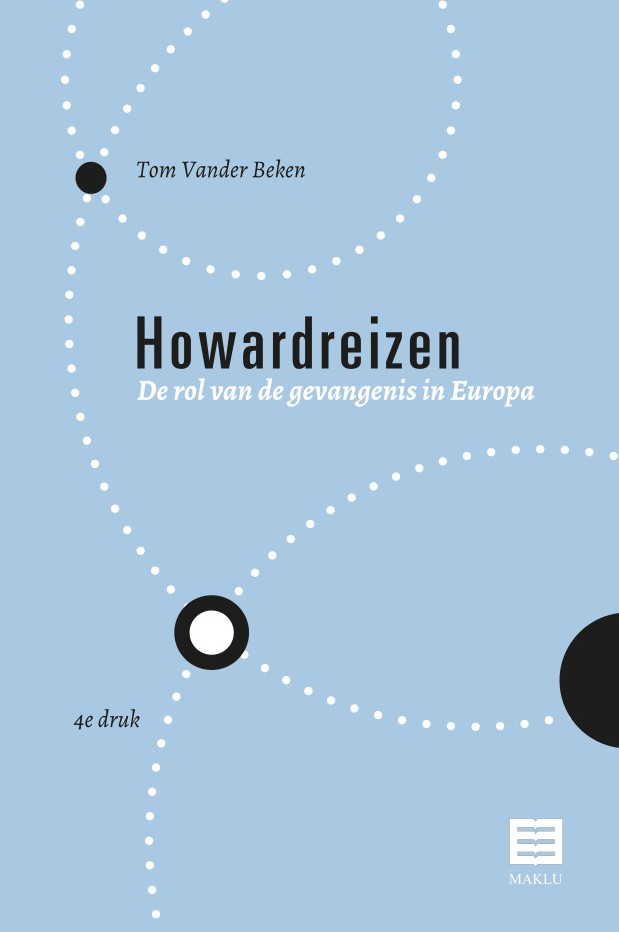
Howardreizen – De rol van de gevangenis in Europa 4de editie
€ 24,00
Ruim twee eeuwen geleden trok John Howard (1726-1790) door Groot-Brittannië en vele andere Europese landen om te kijken hoe mensen in gevangenissen en andere instellingen werden opgesloten. Zijn ervaringen leidden onder meer tot het befaamde The state of the prisons in England and Wales. With preliminary observations, and an account of some foreign prisons and hospitals en inspireerden vele gevangenishervormers en wetenschappers over de hele wereld.
De methode van Howard was eenvoudig: hij reisde in een ijltempo rond en klopte voor een bezoek aan bij de gevangenissen die op zijn weg lagen. Hij observeerde de situatie in de gevangenis, nam notities en vertrok naar een nieuwe gevangenis. En dit telkens opnieuw, vele jaren aan een stuk met een bijna manische verbetenheid.
Tom Vander Beken inspireerde zich op John Howard voor zijn tocht door Europa. Anders dan Howard wil hij daarbij niet zozeer te weten komen hoe het er in gevangenissen in verschillende delen van Europa aan toegaat, maar wil hij inzicht krijgen in de rol en functies die gevangenissen vandaag vervullen.
Dit boek vertelt over zijn bezoeken aan Engeland, Noorwegen, Frankrijk, Nederland, Italië en Azerbeidzjan en reflecteert over wat hij heeft gezien, gehoord en gelezen.
“In de rugzak van Vander Beken zit een pak wetenschappelijke bagage en een bijzonder vlotte pen. Het resultaat is een bijzonder goed geschreven boek met tal van wetenswaardigheden over de gevangenis. De aanpak van Vander Beken doet denken aan Geert Maks In Europa, een reisverslag waarbij de auteur je meeneemt van plaats A naar plaats B, van heden naar verleden, van een kijk op de dingen naar een inzicht in de dingen. Vander Beken schrijft in de ik-vorm, stelt vragen luidop en geeft openlijk uiting aan zijn reflecties. Reizen als methode. ‘Ik heb bijgeleerd door te lezen, te kijken, te luisteren, te praten en te schrijven.’ Meer moet dat niet zijn. Erg aanbevolen.”
(Dirk Leestmans, Juristenkrant)
“Vooral de combinatie van bevindingen uit de literatuur met eigen observaties biedt een unieke meerwaarde en maakt het boek interessant voor een breed en gespecialiseerd publiek. Ik heb dit boek ontzettend graag gelezen, niet in het minst omdat het in een zeer aangenaam vertellende stijl geschreven is, maar ook omdat elk hoofdstuk zijn pointe heeft. Vander Bekens typerende ontwapenende stijl slaat duidelijk aan.”
(Kristel Beyens, Fatik)
Tom Vander Beken is hoogleraar aan de vakgroep criminologie, strafrecht en sociaal recht van de Universiteit Gent en directeur van het Institute for International Research on Criminal Policy (IRCP).
De methode van Howard was eenvoudig: hij reisde in een ijltempo rond en klopte voor een bezoek aan bij de gevangenissen die op zijn weg lagen. Hij observeerde de situatie in de gevangenis, nam notities en vertrok naar een nieuwe gevangenis. En dit telkens opnieuw, vele jaren aan een stuk met een bijna manische verbetenheid.
Tom Vander Beken inspireerde zich op John Howard voor zijn tocht door Europa. Anders dan Howard wil hij daarbij niet zozeer te weten komen hoe het er in gevangenissen in verschillende delen van Europa aan toegaat, maar wil hij inzicht krijgen in de rol en functies die gevangenissen vandaag vervullen.
Dit boek vertelt over zijn bezoeken aan Engeland, Noorwegen, Frankrijk, Nederland, Italië en Azerbeidzjan en reflecteert over wat hij heeft gezien, gehoord en gelezen.
“In de rugzak van Vander Beken zit een pak wetenschappelijke bagage en een bijzonder vlotte pen. Het resultaat is een bijzonder goed geschreven boek met tal van wetenswaardigheden over de gevangenis. De aanpak van Vander Beken doet denken aan Geert Maks In Europa, een reisverslag waarbij de auteur je meeneemt van plaats A naar plaats B, van heden naar verleden, van een kijk op de dingen naar een inzicht in de dingen. Vander Beken schrijft in de ik-vorm, stelt vragen luidop en geeft openlijk uiting aan zijn reflecties. Reizen als methode. ‘Ik heb bijgeleerd door te lezen, te kijken, te luisteren, te praten en te schrijven.’ Meer moet dat niet zijn. Erg aanbevolen.”
(Dirk Leestmans, Juristenkrant)
“Vooral de combinatie van bevindingen uit de literatuur met eigen observaties biedt een unieke meerwaarde en maakt het boek interessant voor een breed en gespecialiseerd publiek. Ik heb dit boek ontzettend graag gelezen, niet in het minst omdat het in een zeer aangenaam vertellende stijl geschreven is, maar ook omdat elk hoofdstuk zijn pointe heeft. Vander Bekens typerende ontwapenende stijl slaat duidelijk aan.”
(Kristel Beyens, Fatik)
Tom Vander Beken is hoogleraar aan de vakgroep criminologie, strafrecht en sociaal recht van de Universiteit Gent en directeur van het Institute for International Research on Criminal Policy (IRCP).
Geen voorraad
Howardreizen – De rol van de gevangenis in Europa 4de editie
€ 24,00
Ruim twee eeuwen geleden trok John Howard (1726-1790) door Groot-Brittannië en vele andere Europese landen om te kijken hoe mensen in gevangenissen en andere instellingen werden opgesloten. Zijn ervaringen leidden onder meer tot het befaamde The state of the prisons in England and Wales. With preliminary observations, and an account of some foreign prisons and hospitals en inspireerden vele gevangenishervormers en wetenschappers over de hele wereld.
De methode van Howard was eenvoudig: hij reisde in een ijltempo rond en klopte voor een bezoek aan bij de gevangenissen die op zijn weg lagen. Hij observeerde de situatie in de gevangenis, nam notities en vertrok naar een nieuwe gevangenis. En dit telkens opnieuw, vele jaren aan een stuk met een bijna manische verbetenheid.
Tom Vander Beken inspireerde zich op John Howard voor zijn tocht door Europa. Anders dan Howard wil hij daarbij niet zozeer te weten komen hoe het er in gevangenissen in verschillende delen van Europa aan toegaat, maar wil hij inzicht krijgen in de rol en functies die gevangenissen vandaag vervullen.
Dit boek vertelt over zijn bezoeken aan Engeland, Noorwegen, Frankrijk, Nederland, Italië en Azerbeidzjan en reflecteert over wat hij heeft gezien, gehoord en gelezen.
“In de rugzak van Vander Beken zit een pak wetenschappelijke bagage en een bijzonder vlotte pen. Het resultaat is een bijzonder goed geschreven boek met tal van wetenswaardigheden over de gevangenis. De aanpak van Vander Beken doet denken aan Geert Maks In Europa, een reisverslag waarbij de auteur je meeneemt van plaats A naar plaats B, van heden naar verleden, van een kijk op de dingen naar een inzicht in de dingen. Vander Beken schrijft in de ik-vorm, stelt vragen luidop en geeft openlijk uiting aan zijn reflecties. Reizen als methode. ‘Ik heb bijgeleerd door te lezen, te kijken, te luisteren, te praten en te schrijven.’ Meer moet dat niet zijn. Erg aanbevolen.”
(Dirk Leestmans, Juristenkrant)
“Vooral de combinatie van bevindingen uit de literatuur met eigen observaties biedt een unieke meerwaarde en maakt het boek interessant voor een breed en gespecialiseerd publiek. Ik heb dit boek ontzettend graag gelezen, niet in het minst omdat het in een zeer aangenaam vertellende stijl geschreven is, maar ook omdat elk hoofdstuk zijn pointe heeft. Vander Bekens typerende ontwapenende stijl slaat duidelijk aan.”
(Kristel Beyens, Fatik)
Tom Vander Beken is hoogleraar aan de vakgroep criminologie, strafrecht en sociaal recht van de Universiteit Gent en directeur van het Institute for International Research on Criminal Policy (IRCP).
De methode van Howard was eenvoudig: hij reisde in een ijltempo rond en klopte voor een bezoek aan bij de gevangenissen die op zijn weg lagen. Hij observeerde de situatie in de gevangenis, nam notities en vertrok naar een nieuwe gevangenis. En dit telkens opnieuw, vele jaren aan een stuk met een bijna manische verbetenheid.
Tom Vander Beken inspireerde zich op John Howard voor zijn tocht door Europa. Anders dan Howard wil hij daarbij niet zozeer te weten komen hoe het er in gevangenissen in verschillende delen van Europa aan toegaat, maar wil hij inzicht krijgen in de rol en functies die gevangenissen vandaag vervullen.
Dit boek vertelt over zijn bezoeken aan Engeland, Noorwegen, Frankrijk, Nederland, Italië en Azerbeidzjan en reflecteert over wat hij heeft gezien, gehoord en gelezen.
“In de rugzak van Vander Beken zit een pak wetenschappelijke bagage en een bijzonder vlotte pen. Het resultaat is een bijzonder goed geschreven boek met tal van wetenswaardigheden over de gevangenis. De aanpak van Vander Beken doet denken aan Geert Maks In Europa, een reisverslag waarbij de auteur je meeneemt van plaats A naar plaats B, van heden naar verleden, van een kijk op de dingen naar een inzicht in de dingen. Vander Beken schrijft in de ik-vorm, stelt vragen luidop en geeft openlijk uiting aan zijn reflecties. Reizen als methode. ‘Ik heb bijgeleerd door te lezen, te kijken, te luisteren, te praten en te schrijven.’ Meer moet dat niet zijn. Erg aanbevolen.”
(Dirk Leestmans, Juristenkrant)
“Vooral de combinatie van bevindingen uit de literatuur met eigen observaties biedt een unieke meerwaarde en maakt het boek interessant voor een breed en gespecialiseerd publiek. Ik heb dit boek ontzettend graag gelezen, niet in het minst omdat het in een zeer aangenaam vertellende stijl geschreven is, maar ook omdat elk hoofdstuk zijn pointe heeft. Vander Bekens typerende ontwapenende stijl slaat duidelijk aan.”
(Kristel Beyens, Fatik)
Tom Vander Beken is hoogleraar aan de vakgroep criminologie, strafrecht en sociaal recht van de Universiteit Gent en directeur van het Institute for International Research on Criminal Policy (IRCP).
Geen voorraad
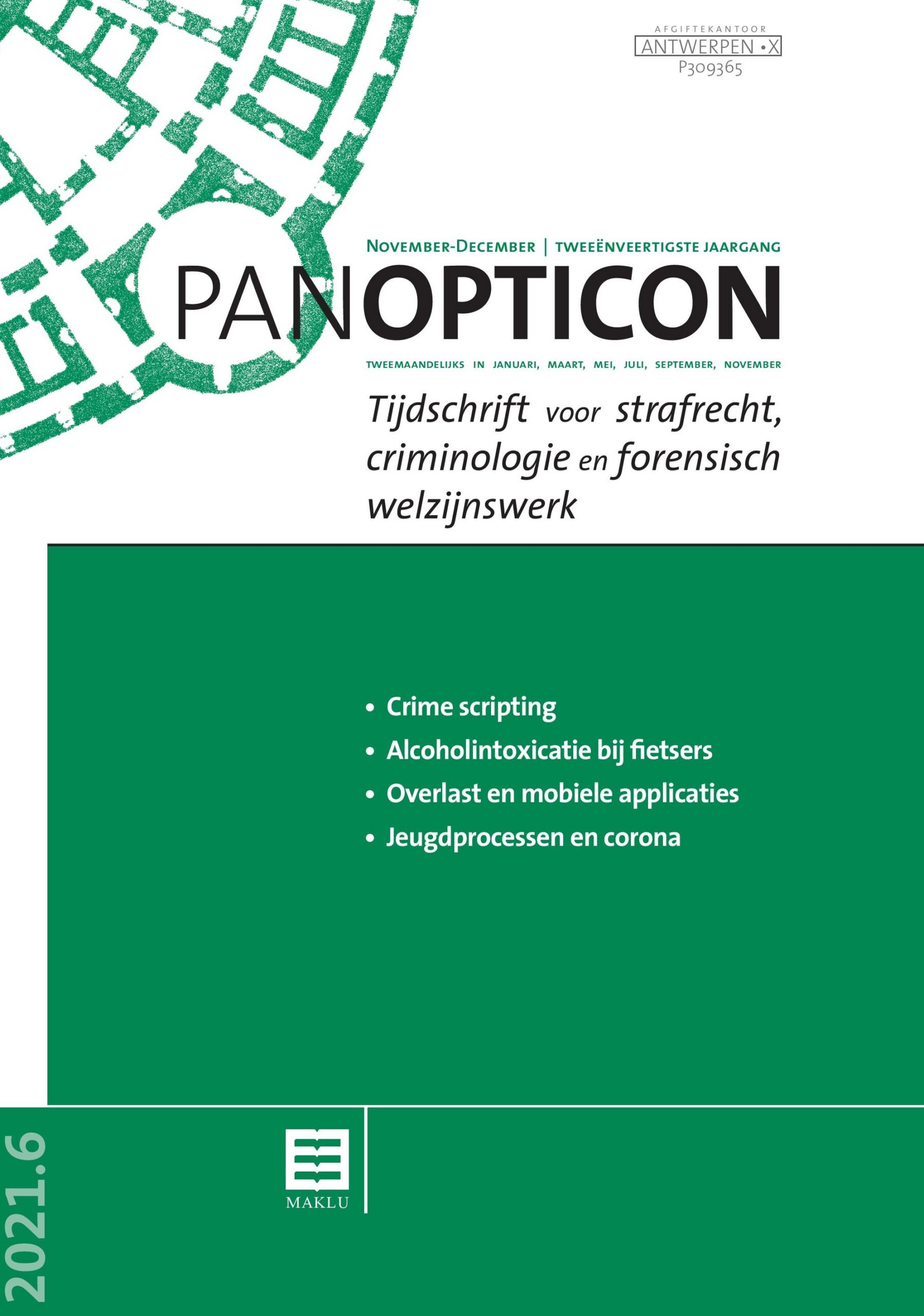
Panopticon – Tijdschrift voor strafrecht, criminologie en forensisch welzijnswerk – 2021 nr. 6
€ 25,00
Editoriaal/Editorial
Het Victimologisch Panopticon
Antony Pemberton
Artikelen/Articles
Licht, camera, actie! Een intelligencegestuurde aanpak van criminaliteit met crime scripting
Thom Snaphaan
Fietsen met een slok op: Prevalentie, motivaties en gevolgen van alcoholintoxicatie bij fietsers
Larissa Windey, Thom Snaphaan & Wim Hardyns
FixMyStreet! Een criminologisch-theoretisch perspectief op de afhandeling van overlast via mobiele applicaties
Lior Volinz, Iris Steenhout, Kristel Beyens & Lucas Melgaço
De impact van coronamaatregelen op jeugdprocessen
Sofie De Bus & Johan Put
Rubriekteksten/Editorial Notes
Penologie en Victimologie / Penology and Victimology
• Het elektronisch toezicht in Vlaanderen. Een blik op enkele recente ontwikkelingen en toekomstperspectieven
Hans Dominicus & Tamara Küpper
Rechtshulp en Advocatuur / Legal Aid and Representation
• Gesubsidieerde rechtshulp in Nederland: Het plan Dekker als sluitstuk (vraagteken) van vijftien jaar rechtshulpdiscussie
Mies Westerveld
Boekbesprekingen/Book reviews
#MeToo and the Politics of Social Change
Marjolein Robert
Geen voorraad
Panopticon – Tijdschrift voor strafrecht, criminologie en forensisch welzijnswerk – 2021 nr. 6
€ 25,00
Editoriaal/Editorial
Het Victimologisch Panopticon
Antony Pemberton
Artikelen/Articles
Licht, camera, actie! Een intelligencegestuurde aanpak van criminaliteit met crime scripting
Thom Snaphaan
Fietsen met een slok op: Prevalentie, motivaties en gevolgen van alcoholintoxicatie bij fietsers
Larissa Windey, Thom Snaphaan & Wim Hardyns
FixMyStreet! Een criminologisch-theoretisch perspectief op de afhandeling van overlast via mobiele applicaties
Lior Volinz, Iris Steenhout, Kristel Beyens & Lucas Melgaço
De impact van coronamaatregelen op jeugdprocessen
Sofie De Bus & Johan Put
Rubriekteksten/Editorial Notes
Penologie en Victimologie / Penology and Victimology
• Het elektronisch toezicht in Vlaanderen. Een blik op enkele recente ontwikkelingen en toekomstperspectieven
Hans Dominicus & Tamara Küpper
Rechtshulp en Advocatuur / Legal Aid and Representation
• Gesubsidieerde rechtshulp in Nederland: Het plan Dekker als sluitstuk (vraagteken) van vijftien jaar rechtshulpdiscussie
Mies Westerveld
Boekbesprekingen/Book reviews
#MeToo and the Politics of Social Change
Marjolein Robert
Geen voorraad

Nieuwe technologieën en het auditberoep – La profession d’audit et les nouvelles technologies, ICCI 2021-1
€ 45,00
Onderhavig boek behandelt de nieuwe technologieën en het auditberoep.
Het eerste hoofdstuk betreft de cyberveiligheid en tracht de bedrijfsrevisor elementen aan te reiken om cyberbeveiliging te demystificeren en hem aan te moedigen cyberbeveiliging in een mondiale context te benaderen.
In het tweede hoofdstuk wordt dieper ingegaan op artificiële intelligentie, waarbij het de ultieme doelstelling is om systemen te laten denken als mensen. Deze nieuwe technologie zal een belangrijke impact hebben op de toekomstige beroepsinhoud van een auditor.
Het derde hoofdstuk behandelt process mining, een verzamelnaam voor alle datagedreven procesanalysetechnieken. Er wordt ingegaan hoe de verschillende process mining-analyses auditors kunnen ondersteunen.
Blockchain-technologie en de impact ervan op de audit komt aan bod in het vierde hoofdstuk. Het gaat om een samenspel van bestaande methoden en technieken die toelaten op een unieke manier digitale activa te registreren, te beheren en te verhandelen, zonder tussenkomst van een vertrouwde tussenpersoon.
Het vijfde hoofdstuk beschrijft de cloud en het informatiebeveiligingsbeheersysteem. Het boek eindigt met de vraag of een auditkantoor belang zou hebben bij de overstap naar de cloud.
Le présent ouvrage traite de la profession d’audit et les nouvelles technologies.
Le premier chapitre concerne la cybersécurité et tentera d’apporter au réviseur d’entreprises des éléments afin de démystifier la cybersécurité et de l’encourager à aborder la cybersécurité dans un contexte global.
Dans le deuxième chapitre l’intelligence artificielle est abordée, dont le but ultime est de faire en sorte que les systèmes pensent comme les humains. Cette nouvelle technologie aura un impact important sur le futur de la profession d’auditeur.
Le troisième chapitre traite de process mining, un nom général pour toutes les techniques d’analyse de processus axées sur les données. On aborde la manière dont les différentes analyses de process mining peuvent soutenir les auditeurs.
Le quatrième chapitre traite de la technologie blockchain et son impact sur l’audit. Il s’agit d’une combinaison de méthodes et de techniques existantes qui permettent d’enregistrer, de gérer et d’échanger des actifs numériques de manière unique, sans l’intervention d’un intermédiaire de confiance.
Le cinquième chapitre décrit le cloud et le système de management de la sécurité de l’information. L’ouvrage se termine avec la question de savoir si un cabinet d’audit aurait un intérêt à passer sur le cloud.
Het eerste hoofdstuk betreft de cyberveiligheid en tracht de bedrijfsrevisor elementen aan te reiken om cyberbeveiliging te demystificeren en hem aan te moedigen cyberbeveiliging in een mondiale context te benaderen.
In het tweede hoofdstuk wordt dieper ingegaan op artificiële intelligentie, waarbij het de ultieme doelstelling is om systemen te laten denken als mensen. Deze nieuwe technologie zal een belangrijke impact hebben op de toekomstige beroepsinhoud van een auditor.
Het derde hoofdstuk behandelt process mining, een verzamelnaam voor alle datagedreven procesanalysetechnieken. Er wordt ingegaan hoe de verschillende process mining-analyses auditors kunnen ondersteunen.
Blockchain-technologie en de impact ervan op de audit komt aan bod in het vierde hoofdstuk. Het gaat om een samenspel van bestaande methoden en technieken die toelaten op een unieke manier digitale activa te registreren, te beheren en te verhandelen, zonder tussenkomst van een vertrouwde tussenpersoon.
Het vijfde hoofdstuk beschrijft de cloud en het informatiebeveiligingsbeheersysteem. Het boek eindigt met de vraag of een auditkantoor belang zou hebben bij de overstap naar de cloud.
Le présent ouvrage traite de la profession d’audit et les nouvelles technologies.
Le premier chapitre concerne la cybersécurité et tentera d’apporter au réviseur d’entreprises des éléments afin de démystifier la cybersécurité et de l’encourager à aborder la cybersécurité dans un contexte global.
Dans le deuxième chapitre l’intelligence artificielle est abordée, dont le but ultime est de faire en sorte que les systèmes pensent comme les humains. Cette nouvelle technologie aura un impact important sur le futur de la profession d’auditeur.
Le troisième chapitre traite de process mining, un nom général pour toutes les techniques d’analyse de processus axées sur les données. On aborde la manière dont les différentes analyses de process mining peuvent soutenir les auditeurs.
Le quatrième chapitre traite de la technologie blockchain et son impact sur l’audit. Il s’agit d’une combinaison de méthodes et de techniques existantes qui permettent d’enregistrer, de gérer et d’échanger des actifs numériques de manière unique, sans l’intervention d’un intermédiaire de confiance.
Le cinquième chapitre décrit le cloud et le système de management de la sécurité de l’information. L’ouvrage se termine avec la question de savoir si un cabinet d’audit aurait un intérêt à passer sur le cloud.
Geen voorraad
Nieuwe technologieën en het auditberoep – La profession d’audit et les nouvelles technologies, ICCI 2021-1
€ 45,00
Onderhavig boek behandelt de nieuwe technologieën en het auditberoep.
Het eerste hoofdstuk betreft de cyberveiligheid en tracht de bedrijfsrevisor elementen aan te reiken om cyberbeveiliging te demystificeren en hem aan te moedigen cyberbeveiliging in een mondiale context te benaderen.
In het tweede hoofdstuk wordt dieper ingegaan op artificiële intelligentie, waarbij het de ultieme doelstelling is om systemen te laten denken als mensen. Deze nieuwe technologie zal een belangrijke impact hebben op de toekomstige beroepsinhoud van een auditor.
Het derde hoofdstuk behandelt process mining, een verzamelnaam voor alle datagedreven procesanalysetechnieken. Er wordt ingegaan hoe de verschillende process mining-analyses auditors kunnen ondersteunen.
Blockchain-technologie en de impact ervan op de audit komt aan bod in het vierde hoofdstuk. Het gaat om een samenspel van bestaande methoden en technieken die toelaten op een unieke manier digitale activa te registreren, te beheren en te verhandelen, zonder tussenkomst van een vertrouwde tussenpersoon.
Het vijfde hoofdstuk beschrijft de cloud en het informatiebeveiligingsbeheersysteem. Het boek eindigt met de vraag of een auditkantoor belang zou hebben bij de overstap naar de cloud.
Le présent ouvrage traite de la profession d’audit et les nouvelles technologies.
Le premier chapitre concerne la cybersécurité et tentera d’apporter au réviseur d’entreprises des éléments afin de démystifier la cybersécurité et de l’encourager à aborder la cybersécurité dans un contexte global.
Dans le deuxième chapitre l’intelligence artificielle est abordée, dont le but ultime est de faire en sorte que les systèmes pensent comme les humains. Cette nouvelle technologie aura un impact important sur le futur de la profession d’auditeur.
Le troisième chapitre traite de process mining, un nom général pour toutes les techniques d’analyse de processus axées sur les données. On aborde la manière dont les différentes analyses de process mining peuvent soutenir les auditeurs.
Le quatrième chapitre traite de la technologie blockchain et son impact sur l’audit. Il s’agit d’une combinaison de méthodes et de techniques existantes qui permettent d’enregistrer, de gérer et d’échanger des actifs numériques de manière unique, sans l’intervention d’un intermédiaire de confiance.
Le cinquième chapitre décrit le cloud et le système de management de la sécurité de l’information. L’ouvrage se termine avec la question de savoir si un cabinet d’audit aurait un intérêt à passer sur le cloud.
Het eerste hoofdstuk betreft de cyberveiligheid en tracht de bedrijfsrevisor elementen aan te reiken om cyberbeveiliging te demystificeren en hem aan te moedigen cyberbeveiliging in een mondiale context te benaderen.
In het tweede hoofdstuk wordt dieper ingegaan op artificiële intelligentie, waarbij het de ultieme doelstelling is om systemen te laten denken als mensen. Deze nieuwe technologie zal een belangrijke impact hebben op de toekomstige beroepsinhoud van een auditor.
Het derde hoofdstuk behandelt process mining, een verzamelnaam voor alle datagedreven procesanalysetechnieken. Er wordt ingegaan hoe de verschillende process mining-analyses auditors kunnen ondersteunen.
Blockchain-technologie en de impact ervan op de audit komt aan bod in het vierde hoofdstuk. Het gaat om een samenspel van bestaande methoden en technieken die toelaten op een unieke manier digitale activa te registreren, te beheren en te verhandelen, zonder tussenkomst van een vertrouwde tussenpersoon.
Het vijfde hoofdstuk beschrijft de cloud en het informatiebeveiligingsbeheersysteem. Het boek eindigt met de vraag of een auditkantoor belang zou hebben bij de overstap naar de cloud.
Le présent ouvrage traite de la profession d’audit et les nouvelles technologies.
Le premier chapitre concerne la cybersécurité et tentera d’apporter au réviseur d’entreprises des éléments afin de démystifier la cybersécurité et de l’encourager à aborder la cybersécurité dans un contexte global.
Dans le deuxième chapitre l’intelligence artificielle est abordée, dont le but ultime est de faire en sorte que les systèmes pensent comme les humains. Cette nouvelle technologie aura un impact important sur le futur de la profession d’auditeur.
Le troisième chapitre traite de process mining, un nom général pour toutes les techniques d’analyse de processus axées sur les données. On aborde la manière dont les différentes analyses de process mining peuvent soutenir les auditeurs.
Le quatrième chapitre traite de la technologie blockchain et son impact sur l’audit. Il s’agit d’une combinaison de méthodes et de techniques existantes qui permettent d’enregistrer, de gérer et d’échanger des actifs numériques de manière unique, sans l’intervention d’un intermédiaire de confiance.
Le cinquième chapitre décrit le cloud et le système de management de la sécurité de l’information. L’ouvrage se termine avec la question de savoir si un cabinet d’audit aurait un intérêt à passer sur le cloud.
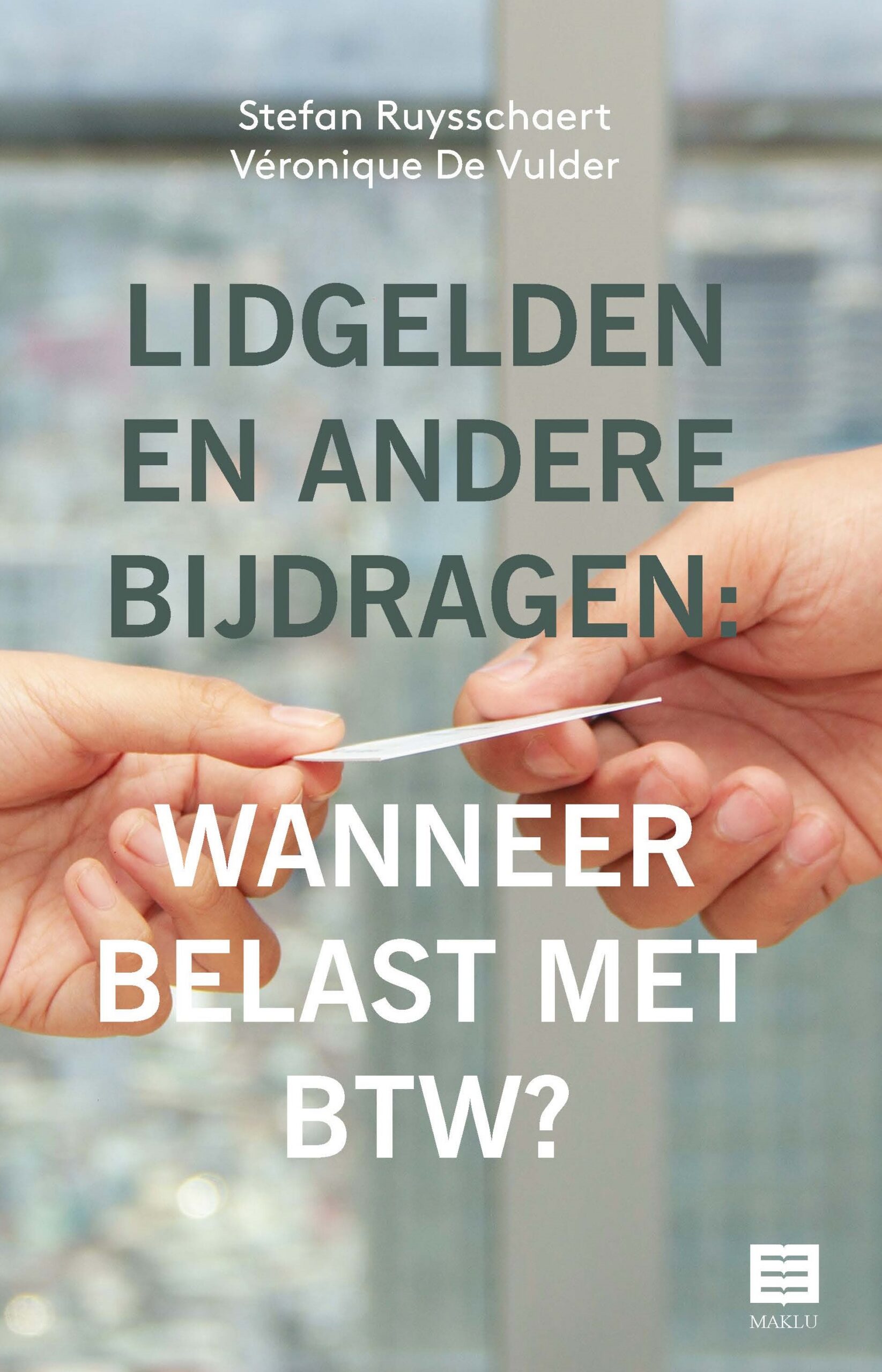
Lidgelden en andere bijdragen: wanneer belast met btw?
€ 32,50
Is het lidgeld van een schietclub te belasten met btw? Is er over maandelijkse bijdragen van leden die aankopen mogen doen in biologische winkels btw? Moet er btw gerekend worden over de bijdrage betaald aan een serviceclub?
In de praktijk stelt zich geregeld de vraag of lidgelden of andere bijdragen die betaald worden in het kader van een lidmaatschap van een vereniging aan de btw zijn onderworpen.
Vooreerst is de vraag of een lidgeld of bijdrage binnen de btw-sfeer valt. Hierbij is het begrip “onder bezwarende titel” cruciaal. Als lidgelden of bijdragen binnen de btw-sfeer vallen omdat er een (individuele) tegenprestatie tegenover staat is de volgende vraag die van belang is, of er een vrijstelling van toepassing is of niet.
Het begrip “syndicale vereniging” heeft hierbij een vrij uitgebreide reikwijdte waarbij de al dan niet vrijstelling vaak een feitenkwestie is.
Stefan Ruysschaert is adviseur bij de FOD Financiën. Hij is o.a. redactielid van Taxwin en het Tijdschrift Huur. Hij doceert het vak btw aan de faculteit Economische Wetenschappen van de UGent en is gastdocent aan de Fiscale Hogeschool (Odyssee). Kenmerkend voor zijn boeken en artikelen is de heldere analyse van de btw-vraagstukken.
Véronique De Vulder is master in de handels- en financiële wetenschappen, optie accountancy en zaakvoerder van Interaccounts bv. Haar activiteiten situeren zich in de totale begeleiding van KMO-vennootschappen, zowel op boekhoudkundig en fiscaal vlak als op het vlak van de interne organisatie, overdracht en waardering.
In de praktijk stelt zich geregeld de vraag of lidgelden of andere bijdragen die betaald worden in het kader van een lidmaatschap van een vereniging aan de btw zijn onderworpen.
Vooreerst is de vraag of een lidgeld of bijdrage binnen de btw-sfeer valt. Hierbij is het begrip “onder bezwarende titel” cruciaal. Als lidgelden of bijdragen binnen de btw-sfeer vallen omdat er een (individuele) tegenprestatie tegenover staat is de volgende vraag die van belang is, of er een vrijstelling van toepassing is of niet.
Het begrip “syndicale vereniging” heeft hierbij een vrij uitgebreide reikwijdte waarbij de al dan niet vrijstelling vaak een feitenkwestie is.
Stefan Ruysschaert is adviseur bij de FOD Financiën. Hij is o.a. redactielid van Taxwin en het Tijdschrift Huur. Hij doceert het vak btw aan de faculteit Economische Wetenschappen van de UGent en is gastdocent aan de Fiscale Hogeschool (Odyssee). Kenmerkend voor zijn boeken en artikelen is de heldere analyse van de btw-vraagstukken.
Véronique De Vulder is master in de handels- en financiële wetenschappen, optie accountancy en zaakvoerder van Interaccounts bv. Haar activiteiten situeren zich in de totale begeleiding van KMO-vennootschappen, zowel op boekhoudkundig en fiscaal vlak als op het vlak van de interne organisatie, overdracht en waardering.
Lidgelden en andere bijdragen: wanneer belast met btw?
€ 32,50
Is het lidgeld van een schietclub te belasten met btw? Is er over maandelijkse bijdragen van leden die aankopen mogen doen in biologische winkels btw? Moet er btw gerekend worden over de bijdrage betaald aan een serviceclub?
In de praktijk stelt zich geregeld de vraag of lidgelden of andere bijdragen die betaald worden in het kader van een lidmaatschap van een vereniging aan de btw zijn onderworpen.
Vooreerst is de vraag of een lidgeld of bijdrage binnen de btw-sfeer valt. Hierbij is het begrip “onder bezwarende titel” cruciaal. Als lidgelden of bijdragen binnen de btw-sfeer vallen omdat er een (individuele) tegenprestatie tegenover staat is de volgende vraag die van belang is, of er een vrijstelling van toepassing is of niet.
Het begrip “syndicale vereniging” heeft hierbij een vrij uitgebreide reikwijdte waarbij de al dan niet vrijstelling vaak een feitenkwestie is.
Stefan Ruysschaert is adviseur bij de FOD Financiën. Hij is o.a. redactielid van Taxwin en het Tijdschrift Huur. Hij doceert het vak btw aan de faculteit Economische Wetenschappen van de UGent en is gastdocent aan de Fiscale Hogeschool (Odyssee). Kenmerkend voor zijn boeken en artikelen is de heldere analyse van de btw-vraagstukken.
Véronique De Vulder is master in de handels- en financiële wetenschappen, optie accountancy en zaakvoerder van Interaccounts bv. Haar activiteiten situeren zich in de totale begeleiding van KMO-vennootschappen, zowel op boekhoudkundig en fiscaal vlak als op het vlak van de interne organisatie, overdracht en waardering.
In de praktijk stelt zich geregeld de vraag of lidgelden of andere bijdragen die betaald worden in het kader van een lidmaatschap van een vereniging aan de btw zijn onderworpen.
Vooreerst is de vraag of een lidgeld of bijdrage binnen de btw-sfeer valt. Hierbij is het begrip “onder bezwarende titel” cruciaal. Als lidgelden of bijdragen binnen de btw-sfeer vallen omdat er een (individuele) tegenprestatie tegenover staat is de volgende vraag die van belang is, of er een vrijstelling van toepassing is of niet.
Het begrip “syndicale vereniging” heeft hierbij een vrij uitgebreide reikwijdte waarbij de al dan niet vrijstelling vaak een feitenkwestie is.
Stefan Ruysschaert is adviseur bij de FOD Financiën. Hij is o.a. redactielid van Taxwin en het Tijdschrift Huur. Hij doceert het vak btw aan de faculteit Economische Wetenschappen van de UGent en is gastdocent aan de Fiscale Hogeschool (Odyssee). Kenmerkend voor zijn boeken en artikelen is de heldere analyse van de btw-vraagstukken.
Véronique De Vulder is master in de handels- en financiële wetenschappen, optie accountancy en zaakvoerder van Interaccounts bv. Haar activiteiten situeren zich in de totale begeleiding van KMO-vennootschappen, zowel op boekhoudkundig en fiscaal vlak als op het vlak van de interne organisatie, overdracht en waardering.
Pleidooi voor het kapitalisme
€ 29,95
In “Pleidooi voor het kapitalisme” breekt Ton Appels een lans voor dit systeem dat tegenwoordig wederom door velen vaak fel wordt bekritiseerd. De ongeëvenaarde economische groei en welvaart die het kapitalisme in de geschiedenis heeft gebracht wordt met talrijke praktijkvoorbeelden aangetoond, waarna dit succes theoretisch, op basis van de inzichten van een aantal van de grootste economen vanaf Adam Smith, wordt verklaard. Het kapitalisme is tevens nauw verbonden met vrijheid, maakt beleid om welzijn te vergroten mogelijk, en steunt op meritocratische principes uitgaand van het individu en niet van allerlei collectivistische groepsidentiteiten. De overheid als alternatief voor het kapitalisme is in veel gevallen slechter, soms op dramatische wijze. Ook bij het oplossen van grote hedendaagse problemen zou men er goed aan doen de enorme kracht van het kapitalisme daar waar mogelijk te benutten.
Ton Appels (1956) is cum laude afgestudeerd in de bedrijfseconomie met afstudeervak Openbare Financiën aan de Katholieke Hogeschool Tilburg. Vervolgens is hij daar gepromoveerd op het proefschrift Political Economy and Enterprise Subsidies (inclusief 1 jaar aan het Wissenschaftszentrum Berlin). Daarna heeft hij een kleine 25 jaar in het bedrijfsleven gewerkt bij McKinsey, Fuji Photo Film, A.T. Kearney (waarvoor 3 jaar in de VS), Iggesund Paperboard, en als zelfstandig consultant en interimmanager. De laatste jaren van zijn werkzame leven heeft hij in het hoger onderwijs gedoceerd, o.a. aan de Universiteit van Tilburg. De combinatie van academische vorming in bedrijfseconomie, algemene / politieke economie en praktijkervaring in het bedrijfsleven vormt de grondslag voor dit boek.
Ton Appels (1956) is cum laude afgestudeerd in de bedrijfseconomie met afstudeervak Openbare Financiën aan de Katholieke Hogeschool Tilburg. Vervolgens is hij daar gepromoveerd op het proefschrift Political Economy and Enterprise Subsidies (inclusief 1 jaar aan het Wissenschaftszentrum Berlin). Daarna heeft hij een kleine 25 jaar in het bedrijfsleven gewerkt bij McKinsey, Fuji Photo Film, A.T. Kearney (waarvoor 3 jaar in de VS), Iggesund Paperboard, en als zelfstandig consultant en interimmanager. De laatste jaren van zijn werkzame leven heeft hij in het hoger onderwijs gedoceerd, o.a. aan de Universiteit van Tilburg. De combinatie van academische vorming in bedrijfseconomie, algemene / politieke economie en praktijkervaring in het bedrijfsleven vormt de grondslag voor dit boek.
Pleidooi voor het kapitalisme
€ 29,95
In “Pleidooi voor het kapitalisme” breekt Ton Appels een lans voor dit systeem dat tegenwoordig wederom door velen vaak fel wordt bekritiseerd. De ongeëvenaarde economische groei en welvaart die het kapitalisme in de geschiedenis heeft gebracht wordt met talrijke praktijkvoorbeelden aangetoond, waarna dit succes theoretisch, op basis van de inzichten van een aantal van de grootste economen vanaf Adam Smith, wordt verklaard. Het kapitalisme is tevens nauw verbonden met vrijheid, maakt beleid om welzijn te vergroten mogelijk, en steunt op meritocratische principes uitgaand van het individu en niet van allerlei collectivistische groepsidentiteiten. De overheid als alternatief voor het kapitalisme is in veel gevallen slechter, soms op dramatische wijze. Ook bij het oplossen van grote hedendaagse problemen zou men er goed aan doen de enorme kracht van het kapitalisme daar waar mogelijk te benutten.
Ton Appels (1956) is cum laude afgestudeerd in de bedrijfseconomie met afstudeervak Openbare Financiën aan de Katholieke Hogeschool Tilburg. Vervolgens is hij daar gepromoveerd op het proefschrift Political Economy and Enterprise Subsidies (inclusief 1 jaar aan het Wissenschaftszentrum Berlin). Daarna heeft hij een kleine 25 jaar in het bedrijfsleven gewerkt bij McKinsey, Fuji Photo Film, A.T. Kearney (waarvoor 3 jaar in de VS), Iggesund Paperboard, en als zelfstandig consultant en interimmanager. De laatste jaren van zijn werkzame leven heeft hij in het hoger onderwijs gedoceerd, o.a. aan de Universiteit van Tilburg. De combinatie van academische vorming in bedrijfseconomie, algemene / politieke economie en praktijkervaring in het bedrijfsleven vormt de grondslag voor dit boek.
Ton Appels (1956) is cum laude afgestudeerd in de bedrijfseconomie met afstudeervak Openbare Financiën aan de Katholieke Hogeschool Tilburg. Vervolgens is hij daar gepromoveerd op het proefschrift Political Economy and Enterprise Subsidies (inclusief 1 jaar aan het Wissenschaftszentrum Berlin). Daarna heeft hij een kleine 25 jaar in het bedrijfsleven gewerkt bij McKinsey, Fuji Photo Film, A.T. Kearney (waarvoor 3 jaar in de VS), Iggesund Paperboard, en als zelfstandig consultant en interimmanager. De laatste jaren van zijn werkzame leven heeft hij in het hoger onderwijs gedoceerd, o.a. aan de Universiteit van Tilburg. De combinatie van academische vorming in bedrijfseconomie, algemene / politieke economie en praktijkervaring in het bedrijfsleven vormt de grondslag voor dit boek.
Geen voorraad
RIDP 2021.1 Artificial intelligence, big data and automated decision-making in criminal justice
€ 70,00
Artificial intelligence (AI) is impacting our everyday lives in a myriad of ways. The use of algorithms, AI agents and big data techniques also creates unprecedented opportunities for the prevention, investigation, detection or prosecution of criminal offences and the efficiency of the criminal justice system. Equally, however, the rapid increase of AI and big data in criminal justice raises a plethora of criminological, ethical, legal and technological questions and concerns, eg about enhanced surveillance and control in a pre-crime society and the risk of bias or even manipulation in (automated) decision-making. In view of the stakes involved, the need for regulation of AI and its alignment with human rights, democracy and the rule of law standards has been amply recognised, both globally and regionally. The lawfulness, social acceptance and overall legitimacy of AI, big data and automated decision-making in criminal justice will depend on a range of factors, including (algorithmic) transparency, trustworthiness, non-discrimination, accountability, responsibility, effective over-sight, data protection, due process, fair trial, access to justice, effective redress and remedy. Addressing these issues and raising awareness on AI systems’ capabilities and limitations within criminal justice is needed to be better prepared for the future that is now upon us.
This special issue on ‘Artificial intelligence, big data and automated decision-making in criminal justice’ comprises topical and innovative papers on the above issues, centred around AI and big data in predictive detection and policing, liability issues and jurisdictional challenges prompted by crimes involving AI, and AI-assisted and automated actuarial justice or adjudication of criminal cases.
Gert Vermeulen is Senior Full Professor of European and international Criminal Law and Data Protection Law, Director of the Institute for International Research on Criminal Policy (IRCP), Di-rector of the Knowledge and Research Platform on Privacy, Information Exchange, Law Enforcement and Surveillance (PIXLES) and Director of the Smart Solutions for Secure Societies (i4S) business development center, all at Ghent University, Belgium. He is also General Director Publications of the AIDP and Editor-in-Chief of the RIDP.
Nina Peršak is Scientific Director and Senior Research Fellow, Institute for Criminal-Law Ethics and Criminology (Ljubljana), Advanced Academia Fellow (CAS Sofia), Member of the European Commission’s Expert Group on EU Criminal Policy, Independent Ethics Adviser, and Co-Editor-in-Chief of the RIDP.
Nicola Recchia is Postdoc Researcher in Criminal Law at the Goethe-University Frankfurt, Germany. He is also member of the Young Penalists Committee and of the Scientific Committee of the AIDP.
This special issue on ‘Artificial intelligence, big data and automated decision-making in criminal justice’ comprises topical and innovative papers on the above issues, centred around AI and big data in predictive detection and policing, liability issues and jurisdictional challenges prompted by crimes involving AI, and AI-assisted and automated actuarial justice or adjudication of criminal cases.
Gert Vermeulen is Senior Full Professor of European and international Criminal Law and Data Protection Law, Director of the Institute for International Research on Criminal Policy (IRCP), Di-rector of the Knowledge and Research Platform on Privacy, Information Exchange, Law Enforcement and Surveillance (PIXLES) and Director of the Smart Solutions for Secure Societies (i4S) business development center, all at Ghent University, Belgium. He is also General Director Publications of the AIDP and Editor-in-Chief of the RIDP.
Nina Peršak is Scientific Director and Senior Research Fellow, Institute for Criminal-Law Ethics and Criminology (Ljubljana), Advanced Academia Fellow (CAS Sofia), Member of the European Commission’s Expert Group on EU Criminal Policy, Independent Ethics Adviser, and Co-Editor-in-Chief of the RIDP.
Nicola Recchia is Postdoc Researcher in Criminal Law at the Goethe-University Frankfurt, Germany. He is also member of the Young Penalists Committee and of the Scientific Committee of the AIDP.
Geen voorraad
RIDP 2021.1 Artificial intelligence, big data and automated decision-making in criminal justice
€ 70,00
Artificial intelligence (AI) is impacting our everyday lives in a myriad of ways. The use of algorithms, AI agents and big data techniques also creates unprecedented opportunities for the prevention, investigation, detection or prosecution of criminal offences and the efficiency of the criminal justice system. Equally, however, the rapid increase of AI and big data in criminal justice raises a plethora of criminological, ethical, legal and technological questions and concerns, eg about enhanced surveillance and control in a pre-crime society and the risk of bias or even manipulation in (automated) decision-making. In view of the stakes involved, the need for regulation of AI and its alignment with human rights, democracy and the rule of law standards has been amply recognised, both globally and regionally. The lawfulness, social acceptance and overall legitimacy of AI, big data and automated decision-making in criminal justice will depend on a range of factors, including (algorithmic) transparency, trustworthiness, non-discrimination, accountability, responsibility, effective over-sight, data protection, due process, fair trial, access to justice, effective redress and remedy. Addressing these issues and raising awareness on AI systems’ capabilities and limitations within criminal justice is needed to be better prepared for the future that is now upon us.
This special issue on ‘Artificial intelligence, big data and automated decision-making in criminal justice’ comprises topical and innovative papers on the above issues, centred around AI and big data in predictive detection and policing, liability issues and jurisdictional challenges prompted by crimes involving AI, and AI-assisted and automated actuarial justice or adjudication of criminal cases.
Gert Vermeulen is Senior Full Professor of European and international Criminal Law and Data Protection Law, Director of the Institute for International Research on Criminal Policy (IRCP), Di-rector of the Knowledge and Research Platform on Privacy, Information Exchange, Law Enforcement and Surveillance (PIXLES) and Director of the Smart Solutions for Secure Societies (i4S) business development center, all at Ghent University, Belgium. He is also General Director Publications of the AIDP and Editor-in-Chief of the RIDP.
Nina Peršak is Scientific Director and Senior Research Fellow, Institute for Criminal-Law Ethics and Criminology (Ljubljana), Advanced Academia Fellow (CAS Sofia), Member of the European Commission’s Expert Group on EU Criminal Policy, Independent Ethics Adviser, and Co-Editor-in-Chief of the RIDP.
Nicola Recchia is Postdoc Researcher in Criminal Law at the Goethe-University Frankfurt, Germany. He is also member of the Young Penalists Committee and of the Scientific Committee of the AIDP.
This special issue on ‘Artificial intelligence, big data and automated decision-making in criminal justice’ comprises topical and innovative papers on the above issues, centred around AI and big data in predictive detection and policing, liability issues and jurisdictional challenges prompted by crimes involving AI, and AI-assisted and automated actuarial justice or adjudication of criminal cases.
Gert Vermeulen is Senior Full Professor of European and international Criminal Law and Data Protection Law, Director of the Institute for International Research on Criminal Policy (IRCP), Di-rector of the Knowledge and Research Platform on Privacy, Information Exchange, Law Enforcement and Surveillance (PIXLES) and Director of the Smart Solutions for Secure Societies (i4S) business development center, all at Ghent University, Belgium. He is also General Director Publications of the AIDP and Editor-in-Chief of the RIDP.
Nina Peršak is Scientific Director and Senior Research Fellow, Institute for Criminal-Law Ethics and Criminology (Ljubljana), Advanced Academia Fellow (CAS Sofia), Member of the European Commission’s Expert Group on EU Criminal Policy, Independent Ethics Adviser, and Co-Editor-in-Chief of the RIDP.
Nicola Recchia is Postdoc Researcher in Criminal Law at the Goethe-University Frankfurt, Germany. He is also member of the Young Penalists Committee and of the Scientific Committee of the AIDP.
Geen voorraad

De rol van seksuele scripts in seksueel grensoverschrijdend gedrag (Gandaius Meesterlijk 10)
€ 24,00
Eén op twee Vlaamse jongeren met seksuele ervaring werd al ongewenst aangeraakt. Ook generatie Z worstelt duidelijk met seksueel grensoverschrijdend gedrag, en zowel daders als slachtoffers reageren vaak schouderophalend of berustend.
Die banalisering aanpakken, vergt o.m. een bijstelling van de kijk van jongeren op relaties, gendernormen en seksualiteit. Die wordt sterk bepaald door hun seksuele scripts – cultureel voorgeschreven en genderspecifieke scenario’s voor seksueel contact.
“LAURA BYN biedt met haar uitstekend onderzoek voor het eerst inzicht in de rol van seksuele scripts op (de beleving van) seksueel grensoverschrijdend gedrag onder Vlaamse adolescenten.”
Prof. Dr. Gert Vermeulen
Die banalisering aanpakken, vergt o.m. een bijstelling van de kijk van jongeren op relaties, gendernormen en seksualiteit. Die wordt sterk bepaald door hun seksuele scripts – cultureel voorgeschreven en genderspecifieke scenario’s voor seksueel contact.
“LAURA BYN biedt met haar uitstekend onderzoek voor het eerst inzicht in de rol van seksuele scripts op (de beleving van) seksueel grensoverschrijdend gedrag onder Vlaamse adolescenten.”
Prof. Dr. Gert Vermeulen
Geen voorraad
De rol van seksuele scripts in seksueel grensoverschrijdend gedrag (Gandaius Meesterlijk 10)
€ 24,00
Eén op twee Vlaamse jongeren met seksuele ervaring werd al ongewenst aangeraakt. Ook generatie Z worstelt duidelijk met seksueel grensoverschrijdend gedrag, en zowel daders als slachtoffers reageren vaak schouderophalend of berustend.
Die banalisering aanpakken, vergt o.m. een bijstelling van de kijk van jongeren op relaties, gendernormen en seksualiteit. Die wordt sterk bepaald door hun seksuele scripts – cultureel voorgeschreven en genderspecifieke scenario’s voor seksueel contact.
“LAURA BYN biedt met haar uitstekend onderzoek voor het eerst inzicht in de rol van seksuele scripts op (de beleving van) seksueel grensoverschrijdend gedrag onder Vlaamse adolescenten.”
Prof. Dr. Gert Vermeulen
Die banalisering aanpakken, vergt o.m. een bijstelling van de kijk van jongeren op relaties, gendernormen en seksualiteit. Die wordt sterk bepaald door hun seksuele scripts – cultureel voorgeschreven en genderspecifieke scenario’s voor seksueel contact.
“LAURA BYN biedt met haar uitstekend onderzoek voor het eerst inzicht in de rol van seksuele scripts op (de beleving van) seksueel grensoverschrijdend gedrag onder Vlaamse adolescenten.”
Prof. Dr. Gert Vermeulen
Geen voorraad
Panopticon – Tijdschrift voor strafrecht, criminologie en forensisch welzijnswerk -2021 nr. 5
€ 25,00
Editoriaal/Editorial
Voor mij graag een speciaal opgeleide jeugdadvocaat alstublieft
Wendy De Bondt
Artikelen/Articles
Het Geïntegreerd Breed Onthaal (GBO) en samenwerkingsverbanden met justitiële diensten: naar een sociaal-juridische praktijk?
Steven Gibens, Johan Boxstaens & Pascale Vereecke
Digitalisering in de lokale politie in Vlaanderen en Brussel: waar staan we?
Lore Rooseleers & Jeroen Maesschalck
Forumbijdrage
Heksenjacht op de SCAN
Marc Bockstaele
Rondetafel
Reflecties bij de hulp- en dienstverlening in de Vlaamse gevangenissen
Bart Claes, Johan Boxstaens, Wouter Wanzeele, Liesbeth Naessens, Sara Goosens & Joris De Corte
Rubriekteksten/Editorial Notes
Maatschappelijke dienstverlening / Social Work
• Naar een nieuw kwaliteitsdecreet voor zorg en welzijn?
Johan Boxstaens & Bart Claes
• Herstelgericht werken met slachtoffers van anti-LHBT haatmisdrijven
Lisa Rosielle, Mechtild Höing, Anneke Van Diggelen & Bart Claes
Jeugdrecht en jeugdhulp / Youth Law and Youth Care
• Uithanden gegeven jongeren. Een onderzoek naar de gevolgen van de uithandengeving op trajecten in de jongvolwassenheid
Yana Jaspers
• De (niet zo evidente) uitrol van de E-hulpverlening
Jan Naert, Rudi Roose & Jochen Devlieghere
Criminografie en Methodologie / Crime & Criminal Justice Statistics & Methodology
• Fraud Management Lifecycle Theory: Een theoretische analyse van fraude en fraudebestrijding
Femke Lenjou & Pieter Leloup
Boekbesprekingen/Book reviews
Meeluisteren met het verhoor van psychopate verdachten. Van detectie door de IM-P naar aanpak van het verhoor
Kasia Uzieblo
Geen voorraad
Panopticon – Tijdschrift voor strafrecht, criminologie en forensisch welzijnswerk -2021 nr. 5
€ 25,00
Editoriaal/Editorial
Voor mij graag een speciaal opgeleide jeugdadvocaat alstublieft
Wendy De Bondt
Artikelen/Articles
Het Geïntegreerd Breed Onthaal (GBO) en samenwerkingsverbanden met justitiële diensten: naar een sociaal-juridische praktijk?
Steven Gibens, Johan Boxstaens & Pascale Vereecke
Digitalisering in de lokale politie in Vlaanderen en Brussel: waar staan we?
Lore Rooseleers & Jeroen Maesschalck
Forumbijdrage
Heksenjacht op de SCAN
Marc Bockstaele
Rondetafel
Reflecties bij de hulp- en dienstverlening in de Vlaamse gevangenissen
Bart Claes, Johan Boxstaens, Wouter Wanzeele, Liesbeth Naessens, Sara Goosens & Joris De Corte
Rubriekteksten/Editorial Notes
Maatschappelijke dienstverlening / Social Work
• Naar een nieuw kwaliteitsdecreet voor zorg en welzijn?
Johan Boxstaens & Bart Claes
• Herstelgericht werken met slachtoffers van anti-LHBT haatmisdrijven
Lisa Rosielle, Mechtild Höing, Anneke Van Diggelen & Bart Claes
Jeugdrecht en jeugdhulp / Youth Law and Youth Care
• Uithanden gegeven jongeren. Een onderzoek naar de gevolgen van de uithandengeving op trajecten in de jongvolwassenheid
Yana Jaspers
• De (niet zo evidente) uitrol van de E-hulpverlening
Jan Naert, Rudi Roose & Jochen Devlieghere
Criminografie en Methodologie / Crime & Criminal Justice Statistics & Methodology
• Fraud Management Lifecycle Theory: Een theoretische analyse van fraude en fraudebestrijding
Femke Lenjou & Pieter Leloup
Boekbesprekingen/Book reviews
Meeluisteren met het verhoor van psychopate verdachten. Van detectie door de IM-P naar aanpak van het verhoor
Kasia Uzieblo
Bronnenboek. Brusselse Codex Ruimtelijke Ordening – (Bijgewerkt tot 15 september 2021)
€ 49,00
Het basiswerk voor elke vastgoedprofessional die met Brussel bezig is. De Brusselse tegenhanger van de VCRO. Bijgewerkt tot 15 september 2021.
Dit Bronnenboek bevat, naast de bijgewerkte versie van het Brussels Wetboek van Ruimtelijke Ordening (BWRO), ook de uitvoeringsbesluiten en de relevante regelgeving die samen de juridische basis vormen voor de instrumenten inzake stedenbouw en ruimtelijke ordening op het grondgebied van het Brussels Hoofdstedelijk Gewest.
Vastgoedprofessionals, notarissen, rechtspractici, overheden, administraties en studenten beschikken met dit zakwetboekje over een accurate, zeer recente en voordelige tekstuitgave.
Dit Bronnenboek bevat, naast de bijgewerkte versie van het Brussels Wetboek van Ruimtelijke Ordening (BWRO), ook de uitvoeringsbesluiten en de relevante regelgeving die samen de juridische basis vormen voor de instrumenten inzake stedenbouw en ruimtelijke ordening op het grondgebied van het Brussels Hoofdstedelijk Gewest.
Vastgoedprofessionals, notarissen, rechtspractici, overheden, administraties en studenten beschikken met dit zakwetboekje over een accurate, zeer recente en voordelige tekstuitgave.
Bronnenboek. Brusselse Codex Ruimtelijke Ordening – (Bijgewerkt tot 15 september 2021)
€ 49,00
Het basiswerk voor elke vastgoedprofessional die met Brussel bezig is. De Brusselse tegenhanger van de VCRO. Bijgewerkt tot 15 september 2021.
Dit Bronnenboek bevat, naast de bijgewerkte versie van het Brussels Wetboek van Ruimtelijke Ordening (BWRO), ook de uitvoeringsbesluiten en de relevante regelgeving die samen de juridische basis vormen voor de instrumenten inzake stedenbouw en ruimtelijke ordening op het grondgebied van het Brussels Hoofdstedelijk Gewest.
Vastgoedprofessionals, notarissen, rechtspractici, overheden, administraties en studenten beschikken met dit zakwetboekje over een accurate, zeer recente en voordelige tekstuitgave.
Dit Bronnenboek bevat, naast de bijgewerkte versie van het Brussels Wetboek van Ruimtelijke Ordening (BWRO), ook de uitvoeringsbesluiten en de relevante regelgeving die samen de juridische basis vormen voor de instrumenten inzake stedenbouw en ruimtelijke ordening op het grondgebied van het Brussels Hoofdstedelijk Gewest.
Vastgoedprofessionals, notarissen, rechtspractici, overheden, administraties en studenten beschikken met dit zakwetboekje over een accurate, zeer recente en voordelige tekstuitgave.
Bronnenboek. Btw-wetboek – Bronnenboeken fiscaliteit (Bijgewerkt tot 15 september 2021)
€ 59,00
Het Btw-wetboek met de uitvoeringsbesluiten is letterlijk en figuurlijk de bagage van de professional die zijn cliënt adviseert. Het hoort in de aktentas en op de vergadertafel en geeft de cliënt vertrouwen in zijn adviseur.
Klein in prijs, groot in meerwaarde.
Klein in prijs, groot in meerwaarde.
Bronnenboek. Btw-wetboek – Bronnenboeken fiscaliteit (Bijgewerkt tot 15 september 2021)
€ 59,00
Het Btw-wetboek met de uitvoeringsbesluiten is letterlijk en figuurlijk de bagage van de professional die zijn cliënt adviseert. Het hoort in de aktentas en op de vergadertafel en geeft de cliënt vertrouwen in zijn adviseur.
Klein in prijs, groot in meerwaarde.
Klein in prijs, groot in meerwaarde.
Bronnenboek. Wetboek vennootschappen en verenigingen met uitvoeringsbesluiten
€ 65,00
Dit bronnenboek bevat het Wetboek van vennootschappen en verenigingen, aangevuld met de uitvoeringsbesluiten, bijgewerkt tot 15 september 2021. Ook de Corporate Governance Code van 2020 wordt opgenomen.
Bij cliëntcontact heeft de professioneel aldus alles bij de hand om snel de informatie terug te vinden voor een correct advies inzake vennootschapsrecht.
Bij cliëntcontact heeft de professioneel aldus alles bij de hand om snel de informatie terug te vinden voor een correct advies inzake vennootschapsrecht.
Bronnenboek. Wetboek vennootschappen en verenigingen met uitvoeringsbesluiten
€ 65,00
Dit bronnenboek bevat het Wetboek van vennootschappen en verenigingen, aangevuld met de uitvoeringsbesluiten, bijgewerkt tot 15 september 2021. Ook de Corporate Governance Code van 2020 wordt opgenomen.
Bij cliëntcontact heeft de professioneel aldus alles bij de hand om snel de informatie terug te vinden voor een correct advies inzake vennootschapsrecht.
Bij cliëntcontact heeft de professioneel aldus alles bij de hand om snel de informatie terug te vinden voor een correct advies inzake vennootschapsrecht.
Btw-eetjes deel 18
€ 44,00
Dit boek vormt intussen reeds het achttiende in de reeks succesrijke handboeken BTW-eetjes. Het is geen klassiek btw-handboek. Dit achttiende deel bevat opnieuw een aantal in de praktijk voorkomende btw-problemen waarop het antwoord niet onmiddellijk te vinden is in een klassiek btw-handboek.
Het gaat om praktische vragen waarmee elke accountant, belastingadviseur of advocaat in zijn fiscale praktijk vroeg of laat geconfronteerd wordt. Het gaat daarbij soms om schijnbaar eenvoudige vragen maar waar men toch vaak het antwoord schuldig blijkt te zijn of twijfelt.
Deze btw-eetjes werden zoals in de vorige delen op een bondige en aantrekkelijke wijze weergegeven waardoor men snel vindt wat men zoekt.
Het antwoord op de vraag wordt telkens bondig en klaar geformuleerd zonder aan inhoudelijke kwaliteit en volledigheid in te boeten.
Stefan Ruysschaert heeft een economische vooropleiding genoten (UGent). Hij is adviseur bij de FOD Financiën. Hij is auteur van talrijke bijdragen op fiscaal vlak in toonaangevende tijdschriften en boeken. Hij is o.a. redactielid van Taxwin en het Tijdschrift Huur. Hij is professor aan de faculteit Economie van de UGent, vakgroep Accountancy, bedrijfsfinanciering en fiscaliteit waar hij het vak btw doceert. Hij is ook gastdocent aan de Hogeschool Gent en de Fiscale Hogeschool (Odisee).
Het gaat om praktische vragen waarmee elke accountant, belastingadviseur of advocaat in zijn fiscale praktijk vroeg of laat geconfronteerd wordt. Het gaat daarbij soms om schijnbaar eenvoudige vragen maar waar men toch vaak het antwoord schuldig blijkt te zijn of twijfelt.
Deze btw-eetjes werden zoals in de vorige delen op een bondige en aantrekkelijke wijze weergegeven waardoor men snel vindt wat men zoekt.
Het antwoord op de vraag wordt telkens bondig en klaar geformuleerd zonder aan inhoudelijke kwaliteit en volledigheid in te boeten.
Stefan Ruysschaert heeft een economische vooropleiding genoten (UGent). Hij is adviseur bij de FOD Financiën. Hij is auteur van talrijke bijdragen op fiscaal vlak in toonaangevende tijdschriften en boeken. Hij is o.a. redactielid van Taxwin en het Tijdschrift Huur. Hij is professor aan de faculteit Economie van de UGent, vakgroep Accountancy, bedrijfsfinanciering en fiscaliteit waar hij het vak btw doceert. Hij is ook gastdocent aan de Hogeschool Gent en de Fiscale Hogeschool (Odisee).
Btw-eetjes deel 18
€ 44,00
Dit boek vormt intussen reeds het achttiende in de reeks succesrijke handboeken BTW-eetjes. Het is geen klassiek btw-handboek. Dit achttiende deel bevat opnieuw een aantal in de praktijk voorkomende btw-problemen waarop het antwoord niet onmiddellijk te vinden is in een klassiek btw-handboek.
Het gaat om praktische vragen waarmee elke accountant, belastingadviseur of advocaat in zijn fiscale praktijk vroeg of laat geconfronteerd wordt. Het gaat daarbij soms om schijnbaar eenvoudige vragen maar waar men toch vaak het antwoord schuldig blijkt te zijn of twijfelt.
Deze btw-eetjes werden zoals in de vorige delen op een bondige en aantrekkelijke wijze weergegeven waardoor men snel vindt wat men zoekt.
Het antwoord op de vraag wordt telkens bondig en klaar geformuleerd zonder aan inhoudelijke kwaliteit en volledigheid in te boeten.
Stefan Ruysschaert heeft een economische vooropleiding genoten (UGent). Hij is adviseur bij de FOD Financiën. Hij is auteur van talrijke bijdragen op fiscaal vlak in toonaangevende tijdschriften en boeken. Hij is o.a. redactielid van Taxwin en het Tijdschrift Huur. Hij is professor aan de faculteit Economie van de UGent, vakgroep Accountancy, bedrijfsfinanciering en fiscaliteit waar hij het vak btw doceert. Hij is ook gastdocent aan de Hogeschool Gent en de Fiscale Hogeschool (Odisee).
Het gaat om praktische vragen waarmee elke accountant, belastingadviseur of advocaat in zijn fiscale praktijk vroeg of laat geconfronteerd wordt. Het gaat daarbij soms om schijnbaar eenvoudige vragen maar waar men toch vaak het antwoord schuldig blijkt te zijn of twijfelt.
Deze btw-eetjes werden zoals in de vorige delen op een bondige en aantrekkelijke wijze weergegeven waardoor men snel vindt wat men zoekt.
Het antwoord op de vraag wordt telkens bondig en klaar geformuleerd zonder aan inhoudelijke kwaliteit en volledigheid in te boeten.
Stefan Ruysschaert heeft een economische vooropleiding genoten (UGent). Hij is adviseur bij de FOD Financiën. Hij is auteur van talrijke bijdragen op fiscaal vlak in toonaangevende tijdschriften en boeken. Hij is o.a. redactielid van Taxwin en het Tijdschrift Huur. Hij is professor aan de faculteit Economie van de UGent, vakgroep Accountancy, bedrijfsfinanciering en fiscaliteit waar hij het vak btw doceert. Hij is ook gastdocent aan de Hogeschool Gent en de Fiscale Hogeschool (Odisee).