
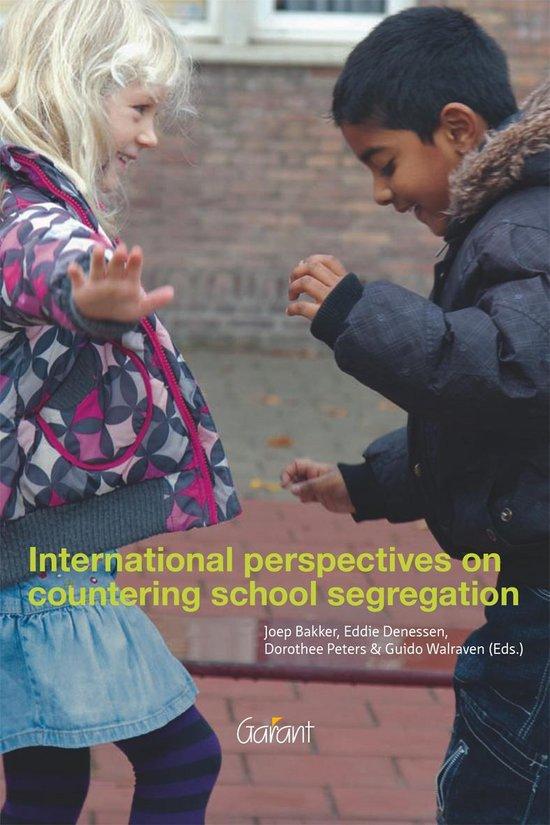
International perspectives on countering school segregation
€ 32,00
School segregation is perceived as an unyielding problem worldwide, which is
manifest along both ethnic and socio-economic lines. With this edited volume
we aim to share information about school segregation and policies focused
on countering school segregation from an international perspective. Many
countries develop policies to prevent and counter school segregation in order
to provide equal opportunities for all children and to contribute to citizenship
in multicultural societies. The aim of the book is to present the state of the
art regarding research on socio-ethnic school segregation across the us and a
number of European countries, and to share ´good practices´.
This book is the initiative of the Dutch National Knowledge Centre for Mixed Schools which aims at promoting the dissemination of knowledge and good practices regarding desegregation and integration in education. Together with researchers from Radboud University Nijmegen, The Netherlands, the Centre invited international experts to present research information about the effects of national programmes or policies and local initiatives that have been implemented in various countries. The authors analyze interventions in their national contexts and identify factors facilitating success. The book offers an overview of almost 20 countries and regions and an excellent state of the art in this emerging field of research.
This book is an initiative of the Dutch National Knowledge Centre for Mixed Schools. The editors and contributors are experts in the field of educational research and policies related to school segregation, educational inequality, and social integration.
This book is the initiative of the Dutch National Knowledge Centre for Mixed Schools which aims at promoting the dissemination of knowledge and good practices regarding desegregation and integration in education. Together with researchers from Radboud University Nijmegen, The Netherlands, the Centre invited international experts to present research information about the effects of national programmes or policies and local initiatives that have been implemented in various countries. The authors analyze interventions in their national contexts and identify factors facilitating success. The book offers an overview of almost 20 countries and regions and an excellent state of the art in this emerging field of research.
This book is an initiative of the Dutch National Knowledge Centre for Mixed Schools. The editors and contributors are experts in the field of educational research and policies related to school segregation, educational inequality, and social integration.
International perspectives on countering school segregation
€ 32,00
School segregation is perceived as an unyielding problem worldwide, which is
manifest along both ethnic and socio-economic lines. With this edited volume
we aim to share information about school segregation and policies focused
on countering school segregation from an international perspective. Many
countries develop policies to prevent and counter school segregation in order
to provide equal opportunities for all children and to contribute to citizenship
in multicultural societies. The aim of the book is to present the state of the
art regarding research on socio-ethnic school segregation across the us and a
number of European countries, and to share ´good practices´.
This book is the initiative of the Dutch National Knowledge Centre for Mixed Schools which aims at promoting the dissemination of knowledge and good practices regarding desegregation and integration in education. Together with researchers from Radboud University Nijmegen, The Netherlands, the Centre invited international experts to present research information about the effects of national programmes or policies and local initiatives that have been implemented in various countries. The authors analyze interventions in their national contexts and identify factors facilitating success. The book offers an overview of almost 20 countries and regions and an excellent state of the art in this emerging field of research.
This book is an initiative of the Dutch National Knowledge Centre for Mixed Schools. The editors and contributors are experts in the field of educational research and policies related to school segregation, educational inequality, and social integration.
This book is the initiative of the Dutch National Knowledge Centre for Mixed Schools which aims at promoting the dissemination of knowledge and good practices regarding desegregation and integration in education. Together with researchers from Radboud University Nijmegen, The Netherlands, the Centre invited international experts to present research information about the effects of national programmes or policies and local initiatives that have been implemented in various countries. The authors analyze interventions in their national contexts and identify factors facilitating success. The book offers an overview of almost 20 countries and regions and an excellent state of the art in this emerging field of research.
This book is an initiative of the Dutch National Knowledge Centre for Mixed Schools. The editors and contributors are experts in the field of educational research and policies related to school segregation, educational inequality, and social integration.
Relationele en seksuele vorming. Handboek voor het secundair onderwijs
€ 30,00
Relaties en seks zijn dé grote thema’s voor heel wat
jongeren. Ook in de vakoverschrijdende eindtermen
staan veel verwijzingen naar relationele en seksuele
vorming. Maar hoe ga je er als leraar mee om in de klas
en doorheen het curriculum?
Met dit handboek reikt Sensoa inhoudelijke en didactische handgrepen aan leraars aan die rond seksualiteit en relaties wensen te werken.
Het Handboek Relationele en Seksuele Vorming (RSV) vormt het praktische werkinstrument voor leraars ASO, TSO, KSO en BSO uit het Secundair Onderwijs om het thema te behandelen in hun lessen. Ook de opbouw van een spiraalcurriculum komt aan bod.
Dit boek bevat de basisinformatie voor de inhouden van de lessen RSV voor eerste, tweede en derde graad. 9 kernthema’s worden besproken: seks en maatschappij, puberteit, relaties, seks en lichaam, geboorteregeling, gender, seksuele oriëntatie, soa’s en hiv, en seksueel grensoverschrijdend gedrag.
Verder vind je in dit boek een uitgebreide didactische leidraad om deze inhouden toe te passen in de praktijk. Met vele tips uit het werkveld, lesschema’s en een stappenplan kan je meteen aan de slag gaan.
Sensoa is het Service- en expertisecentrum voor seksuele gezondheid en hiv, met vestigingen in Antwerpen en Gent.
Met dit handboek reikt Sensoa inhoudelijke en didactische handgrepen aan leraars aan die rond seksualiteit en relaties wensen te werken.
Het Handboek Relationele en Seksuele Vorming (RSV) vormt het praktische werkinstrument voor leraars ASO, TSO, KSO en BSO uit het Secundair Onderwijs om het thema te behandelen in hun lessen. Ook de opbouw van een spiraalcurriculum komt aan bod.
Dit boek bevat de basisinformatie voor de inhouden van de lessen RSV voor eerste, tweede en derde graad. 9 kernthema’s worden besproken: seks en maatschappij, puberteit, relaties, seks en lichaam, geboorteregeling, gender, seksuele oriëntatie, soa’s en hiv, en seksueel grensoverschrijdend gedrag.
Verder vind je in dit boek een uitgebreide didactische leidraad om deze inhouden toe te passen in de praktijk. Met vele tips uit het werkveld, lesschema’s en een stappenplan kan je meteen aan de slag gaan.
Sensoa is het Service- en expertisecentrum voor seksuele gezondheid en hiv, met vestigingen in Antwerpen en Gent.
Relationele en seksuele vorming. Handboek voor het secundair onderwijs
€ 30,00
Relaties en seks zijn dé grote thema’s voor heel wat
jongeren. Ook in de vakoverschrijdende eindtermen
staan veel verwijzingen naar relationele en seksuele
vorming. Maar hoe ga je er als leraar mee om in de klas
en doorheen het curriculum?
Met dit handboek reikt Sensoa inhoudelijke en didactische handgrepen aan leraars aan die rond seksualiteit en relaties wensen te werken.
Het Handboek Relationele en Seksuele Vorming (RSV) vormt het praktische werkinstrument voor leraars ASO, TSO, KSO en BSO uit het Secundair Onderwijs om het thema te behandelen in hun lessen. Ook de opbouw van een spiraalcurriculum komt aan bod.
Dit boek bevat de basisinformatie voor de inhouden van de lessen RSV voor eerste, tweede en derde graad. 9 kernthema’s worden besproken: seks en maatschappij, puberteit, relaties, seks en lichaam, geboorteregeling, gender, seksuele oriëntatie, soa’s en hiv, en seksueel grensoverschrijdend gedrag.
Verder vind je in dit boek een uitgebreide didactische leidraad om deze inhouden toe te passen in de praktijk. Met vele tips uit het werkveld, lesschema’s en een stappenplan kan je meteen aan de slag gaan.
Sensoa is het Service- en expertisecentrum voor seksuele gezondheid en hiv, met vestigingen in Antwerpen en Gent.
Met dit handboek reikt Sensoa inhoudelijke en didactische handgrepen aan leraars aan die rond seksualiteit en relaties wensen te werken.
Het Handboek Relationele en Seksuele Vorming (RSV) vormt het praktische werkinstrument voor leraars ASO, TSO, KSO en BSO uit het Secundair Onderwijs om het thema te behandelen in hun lessen. Ook de opbouw van een spiraalcurriculum komt aan bod.
Dit boek bevat de basisinformatie voor de inhouden van de lessen RSV voor eerste, tweede en derde graad. 9 kernthema’s worden besproken: seks en maatschappij, puberteit, relaties, seks en lichaam, geboorteregeling, gender, seksuele oriëntatie, soa’s en hiv, en seksueel grensoverschrijdend gedrag.
Verder vind je in dit boek een uitgebreide didactische leidraad om deze inhouden toe te passen in de praktijk. Met vele tips uit het werkveld, lesschema’s en een stappenplan kan je meteen aan de slag gaan.
Sensoa is het Service- en expertisecentrum voor seksuele gezondheid en hiv, met vestigingen in Antwerpen en Gent.
Goed geGOKt? Reflecties op twintig jaar gelijke-onderwijskansenbeleid in Vlaanderen
€ 29,00
Het naderende einde van de derde GOK-cyclus is een uitdrukkelijke reden om stil te
staan bij verleden, heden en toekomst van gelijke onderwijskansen in Vlaanderen.
Een aantal vooraanstaande getuigen van het gelijke-onderwijsbeleid beschrijven
hoe zij de voorbije werking rond gok hebben ervaren en wat volgens hen de volgende
stappen zijn om gelijke onderwijskansen actueel te houden.
GOK gaat een andere realiteit tegemoet: er komt allicht een andere financiering voor scholen en er is niet langer een Steunpunt GOK voor materiaalontwikkeling of wetenschappelijke ondersteuning. Voor sommigen zijn dat voldoende signalen om te beweren dat de aandacht voor gelijke onderwijskansen zal verdwijnen of zal evolueren in de richting van een zorgbeleid met nadruk op remediëring vanuit een achterstandsdenken. Ze verwachten niet veel heil van deze aanpak en voorspellen sombere tijden voor doelgroepleerlingen. Anderen zien kansen om “out of the box” te denken en totaal nieuwe wegen te verkennen. Zij hopen op nieuwe samenwerkingsverbanden en willen participatiever – samen met kinderen/jongeren en hun familie uit de doelgroep – kunnen werken.
Dit boek wil vooral vooruitblikken. Het bestrijkt het hele GOK-veld: van inschrijvingsrecht tot beschouwingen over de zin van een gelijke-onderwijskansenbeleid; van de mogelijkheden van het lokaal overlegplatform tot de didactiek voor taalverwerving. Daarnaast is er aandacht voor de plaats van diversiteit en van preventie; voor werken aan tekorten en werken vanuit talenten.
Piet Van Avermaet is directeur van het Steunpunt Diversiteit & Leren van de Universiteit Gent en doceert Multiculturalismestudies aan deze universiteit.
Kris Van den Branden doceert Taalkunde aan de Faculteit Letteren van de K.U. Leuven en is er directeur van het Centrum voor Taal en Onderwijs.
Ludo Heylen is stafmedewerker-coördinator van het Centrum voor Ervaringsgericht Onderwijs, voorzitter van Cego – Centrum voor ervaringsgericht onderwijs in Leuven en voorzitter van het LOP Aarschot Basisonderwijs.
In de pers:
Online recensie - Humanistisch-vrijzinnige Vereniging
GOK gaat een andere realiteit tegemoet: er komt allicht een andere financiering voor scholen en er is niet langer een Steunpunt GOK voor materiaalontwikkeling of wetenschappelijke ondersteuning. Voor sommigen zijn dat voldoende signalen om te beweren dat de aandacht voor gelijke onderwijskansen zal verdwijnen of zal evolueren in de richting van een zorgbeleid met nadruk op remediëring vanuit een achterstandsdenken. Ze verwachten niet veel heil van deze aanpak en voorspellen sombere tijden voor doelgroepleerlingen. Anderen zien kansen om “out of the box” te denken en totaal nieuwe wegen te verkennen. Zij hopen op nieuwe samenwerkingsverbanden en willen participatiever – samen met kinderen/jongeren en hun familie uit de doelgroep – kunnen werken.
Dit boek wil vooral vooruitblikken. Het bestrijkt het hele GOK-veld: van inschrijvingsrecht tot beschouwingen over de zin van een gelijke-onderwijskansenbeleid; van de mogelijkheden van het lokaal overlegplatform tot de didactiek voor taalverwerving. Daarnaast is er aandacht voor de plaats van diversiteit en van preventie; voor werken aan tekorten en werken vanuit talenten.
Piet Van Avermaet is directeur van het Steunpunt Diversiteit & Leren van de Universiteit Gent en doceert Multiculturalismestudies aan deze universiteit.
Kris Van den Branden doceert Taalkunde aan de Faculteit Letteren van de K.U. Leuven en is er directeur van het Centrum voor Taal en Onderwijs.
Ludo Heylen is stafmedewerker-coördinator van het Centrum voor Ervaringsgericht Onderwijs, voorzitter van Cego – Centrum voor ervaringsgericht onderwijs in Leuven en voorzitter van het LOP Aarschot Basisonderwijs.
In de pers:
Online recensie - Humanistisch-vrijzinnige Vereniging
Goed geGOKt? Reflecties op twintig jaar gelijke-onderwijskansenbeleid in Vlaanderen
€ 29,00
Het naderende einde van de derde GOK-cyclus is een uitdrukkelijke reden om stil te
staan bij verleden, heden en toekomst van gelijke onderwijskansen in Vlaanderen.
Een aantal vooraanstaande getuigen van het gelijke-onderwijsbeleid beschrijven
hoe zij de voorbije werking rond gok hebben ervaren en wat volgens hen de volgende
stappen zijn om gelijke onderwijskansen actueel te houden.
GOK gaat een andere realiteit tegemoet: er komt allicht een andere financiering voor scholen en er is niet langer een Steunpunt GOK voor materiaalontwikkeling of wetenschappelijke ondersteuning. Voor sommigen zijn dat voldoende signalen om te beweren dat de aandacht voor gelijke onderwijskansen zal verdwijnen of zal evolueren in de richting van een zorgbeleid met nadruk op remediëring vanuit een achterstandsdenken. Ze verwachten niet veel heil van deze aanpak en voorspellen sombere tijden voor doelgroepleerlingen. Anderen zien kansen om “out of the box” te denken en totaal nieuwe wegen te verkennen. Zij hopen op nieuwe samenwerkingsverbanden en willen participatiever – samen met kinderen/jongeren en hun familie uit de doelgroep – kunnen werken.
Dit boek wil vooral vooruitblikken. Het bestrijkt het hele GOK-veld: van inschrijvingsrecht tot beschouwingen over de zin van een gelijke-onderwijskansenbeleid; van de mogelijkheden van het lokaal overlegplatform tot de didactiek voor taalverwerving. Daarnaast is er aandacht voor de plaats van diversiteit en van preventie; voor werken aan tekorten en werken vanuit talenten.
Piet Van Avermaet is directeur van het Steunpunt Diversiteit & Leren van de Universiteit Gent en doceert Multiculturalismestudies aan deze universiteit.
Kris Van den Branden doceert Taalkunde aan de Faculteit Letteren van de K.U. Leuven en is er directeur van het Centrum voor Taal en Onderwijs.
Ludo Heylen is stafmedewerker-coördinator van het Centrum voor Ervaringsgericht Onderwijs, voorzitter van Cego – Centrum voor ervaringsgericht onderwijs in Leuven en voorzitter van het LOP Aarschot Basisonderwijs.
In de pers:
Online recensie - Humanistisch-vrijzinnige Vereniging
GOK gaat een andere realiteit tegemoet: er komt allicht een andere financiering voor scholen en er is niet langer een Steunpunt GOK voor materiaalontwikkeling of wetenschappelijke ondersteuning. Voor sommigen zijn dat voldoende signalen om te beweren dat de aandacht voor gelijke onderwijskansen zal verdwijnen of zal evolueren in de richting van een zorgbeleid met nadruk op remediëring vanuit een achterstandsdenken. Ze verwachten niet veel heil van deze aanpak en voorspellen sombere tijden voor doelgroepleerlingen. Anderen zien kansen om “out of the box” te denken en totaal nieuwe wegen te verkennen. Zij hopen op nieuwe samenwerkingsverbanden en willen participatiever – samen met kinderen/jongeren en hun familie uit de doelgroep – kunnen werken.
Dit boek wil vooral vooruitblikken. Het bestrijkt het hele GOK-veld: van inschrijvingsrecht tot beschouwingen over de zin van een gelijke-onderwijskansenbeleid; van de mogelijkheden van het lokaal overlegplatform tot de didactiek voor taalverwerving. Daarnaast is er aandacht voor de plaats van diversiteit en van preventie; voor werken aan tekorten en werken vanuit talenten.
Piet Van Avermaet is directeur van het Steunpunt Diversiteit & Leren van de Universiteit Gent en doceert Multiculturalismestudies aan deze universiteit.
Kris Van den Branden doceert Taalkunde aan de Faculteit Letteren van de K.U. Leuven en is er directeur van het Centrum voor Taal en Onderwijs.
Ludo Heylen is stafmedewerker-coördinator van het Centrum voor Ervaringsgericht Onderwijs, voorzitter van Cego – Centrum voor ervaringsgericht onderwijs in Leuven en voorzitter van het LOP Aarschot Basisonderwijs.
In de pers:
Online recensie - Humanistisch-vrijzinnige Vereniging
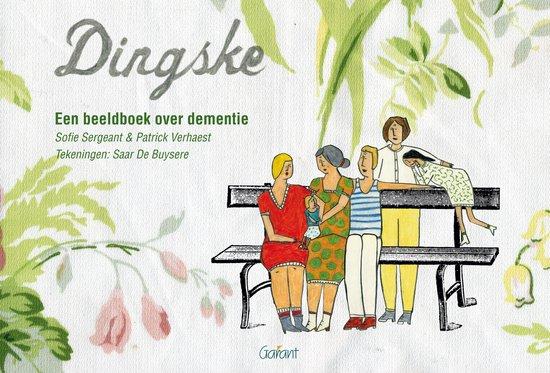
Dingske. Een beeldboek over dementie
€ 40,00
Bij jezelf of bij iemand in je nabije omgeving vaststellen dat gewone dagelijkse dingen niet meer lukken roept emotie, vragen en weerstand op. Dit geldt des te meer wanneer het vermoeden rijst dat het om dementie gaat. In de periode vóór en na de diagnose is het niet alleen belangrijk dat men toegang heeft tot de juiste informatie, maar ook dat men wordt gerustgesteld of een goed gesprek kan voeren. Het beeldboek Dingske bundelt sobere en kunstzinnige illustraties over dementie voor volwassenen en kinderen. Dingske vertelt in beelden over dementie: het geeft informatie, en het helpt om op verhaal te komen. Het boek is ontworpen voor volwassenen en kinderen die over dementie in gesprek willen gaan.
Bij dit beeldboek hoort een Handleiding die vooral is bedoeld voor ondersteuners van mensen met een verstandelijke beperking. De stijgende levensverwachting van personen met een verstandelijke beperking in het algemeen en mensen met downsyndroom in het bijzonder, zorgt voor een sterke stijging van het aantal mensen met dementie. Dementie brengt nieuwe uitdagingen en vragen met zich mee voor de hulpverleners, familieleden en de persoon met een beperking zelf. Om hiermee om te gaan is het belangrijk om in een sfeer van open communicatie inzicht te krijgen in wat er precies aan de hand is en wat de toekomst zal brengen. De Handleiding geeft tips en mogelijkheden om het beeldboek ‘op maat’ van personen met een verstandelijke beperking te gebruiken als instrument om hen over het thema ‘dementie’ te informeren en hierover met hen in dialoog te gaan. Ze kan ook ouders, familieleden, leerkrachten en artsen inspireren om dit beeldboek in te zetten in de communicatie over dementie.
Sofie Sergeant is orthopedagoge en educatief medewerker bij Vormingscentrum Handicum.
Patrick Verhaest is psycholoog en wetenschappelijk medewerker bij het Expertisecentrum Dementie Vlaanderen.
Saar De Buysere is beeldend kunstenaar en geeft Beeldende vorming aan personen met een beperking in het deeltijds kunstonderwijs.
Bij dit beeldboek hoort een Handleiding die vooral is bedoeld voor ondersteuners van mensen met een verstandelijke beperking. De stijgende levensverwachting van personen met een verstandelijke beperking in het algemeen en mensen met downsyndroom in het bijzonder, zorgt voor een sterke stijging van het aantal mensen met dementie. Dementie brengt nieuwe uitdagingen en vragen met zich mee voor de hulpverleners, familieleden en de persoon met een beperking zelf. Om hiermee om te gaan is het belangrijk om in een sfeer van open communicatie inzicht te krijgen in wat er precies aan de hand is en wat de toekomst zal brengen. De Handleiding geeft tips en mogelijkheden om het beeldboek ‘op maat’ van personen met een verstandelijke beperking te gebruiken als instrument om hen over het thema ‘dementie’ te informeren en hierover met hen in dialoog te gaan. Ze kan ook ouders, familieleden, leerkrachten en artsen inspireren om dit beeldboek in te zetten in de communicatie over dementie.
Sofie Sergeant is orthopedagoge en educatief medewerker bij Vormingscentrum Handicum.
Patrick Verhaest is psycholoog en wetenschappelijk medewerker bij het Expertisecentrum Dementie Vlaanderen.
Saar De Buysere is beeldend kunstenaar en geeft Beeldende vorming aan personen met een beperking in het deeltijds kunstonderwijs.
Dingske. Een beeldboek over dementie
€ 40,00
Bij jezelf of bij iemand in je nabije omgeving vaststellen dat gewone dagelijkse dingen niet meer lukken roept emotie, vragen en weerstand op. Dit geldt des te meer wanneer het vermoeden rijst dat het om dementie gaat. In de periode vóór en na de diagnose is het niet alleen belangrijk dat men toegang heeft tot de juiste informatie, maar ook dat men wordt gerustgesteld of een goed gesprek kan voeren. Het beeldboek Dingske bundelt sobere en kunstzinnige illustraties over dementie voor volwassenen en kinderen. Dingske vertelt in beelden over dementie: het geeft informatie, en het helpt om op verhaal te komen. Het boek is ontworpen voor volwassenen en kinderen die over dementie in gesprek willen gaan.
Bij dit beeldboek hoort een Handleiding die vooral is bedoeld voor ondersteuners van mensen met een verstandelijke beperking. De stijgende levensverwachting van personen met een verstandelijke beperking in het algemeen en mensen met downsyndroom in het bijzonder, zorgt voor een sterke stijging van het aantal mensen met dementie. Dementie brengt nieuwe uitdagingen en vragen met zich mee voor de hulpverleners, familieleden en de persoon met een beperking zelf. Om hiermee om te gaan is het belangrijk om in een sfeer van open communicatie inzicht te krijgen in wat er precies aan de hand is en wat de toekomst zal brengen. De Handleiding geeft tips en mogelijkheden om het beeldboek ‘op maat’ van personen met een verstandelijke beperking te gebruiken als instrument om hen over het thema ‘dementie’ te informeren en hierover met hen in dialoog te gaan. Ze kan ook ouders, familieleden, leerkrachten en artsen inspireren om dit beeldboek in te zetten in de communicatie over dementie.
Sofie Sergeant is orthopedagoge en educatief medewerker bij Vormingscentrum Handicum.
Patrick Verhaest is psycholoog en wetenschappelijk medewerker bij het Expertisecentrum Dementie Vlaanderen.
Saar De Buysere is beeldend kunstenaar en geeft Beeldende vorming aan personen met een beperking in het deeltijds kunstonderwijs.
Bij dit beeldboek hoort een Handleiding die vooral is bedoeld voor ondersteuners van mensen met een verstandelijke beperking. De stijgende levensverwachting van personen met een verstandelijke beperking in het algemeen en mensen met downsyndroom in het bijzonder, zorgt voor een sterke stijging van het aantal mensen met dementie. Dementie brengt nieuwe uitdagingen en vragen met zich mee voor de hulpverleners, familieleden en de persoon met een beperking zelf. Om hiermee om te gaan is het belangrijk om in een sfeer van open communicatie inzicht te krijgen in wat er precies aan de hand is en wat de toekomst zal brengen. De Handleiding geeft tips en mogelijkheden om het beeldboek ‘op maat’ van personen met een verstandelijke beperking te gebruiken als instrument om hen over het thema ‘dementie’ te informeren en hierover met hen in dialoog te gaan. Ze kan ook ouders, familieleden, leerkrachten en artsen inspireren om dit beeldboek in te zetten in de communicatie over dementie.
Sofie Sergeant is orthopedagoge en educatief medewerker bij Vormingscentrum Handicum.
Patrick Verhaest is psycholoog en wetenschappelijk medewerker bij het Expertisecentrum Dementie Vlaanderen.
Saar De Buysere is beeldend kunstenaar en geeft Beeldende vorming aan personen met een beperking in het deeltijds kunstonderwijs.
Onderwijs aan volwassenen. Inspelen op verschillen in leerpatronen
€ 19,90
Over het leren van volwassenen wordt veel gesproken en geschreven in het kader van levenslang en levensbreed leren. Toch bestaat er weinig onderzoek naar hoe volwassenen leren, laat staan over hoe dit leren te beïnvloeden is. In samenwerking met het Hoger Instituut voor Gezinswetenschappen in Brussel werkte de Onderzoeksgroep EduBROn van de Universiteit Antwerpen een onderzoek uit naar het leren van volwassenen in het onderwijs.
Dit boek rapporteert over de boeiende resultaten van het onderzoek. Zo blijken volwassenen op zeer uiteenlopende manieren te leren. Deze leerpatronen worden beïnvloed door tal van persoons- en omgevingsgebonden factoren. Niet alle leerpatronen zijn even succesvol om te slagen. Bovendien kunnen de leerpatronen veranderen tijdens het onderwijstraject. Naast de onderzoeksresultaten biedt het boek ook een verkort instrument om leerpatronen bij volwassenen in het onderwijs in kaart te brengen en systematisch op te volgen. Voorafgaand onderzoek heeft aangetoond dat dit instrument valide en betrouwbaar is. De auteurs geven ook aanbevelingen voor wie in het onderwijs aan volwassenen met dit onderwerp aan de slag wil.
Vincent Donche doceert aan het Instituut voor Onderwijs- en Informatiewetenschappen van de Universiteit Antwerpen. Hij verricht onderzoek naar kenmerken van leren en onderwijzen, leerstijlontwikkeling en -begeleiding. Eva Delvaux is verbonden aan de Onderzoeksgroep EduBROn – Wetenschappelijk onderzoek naar leerstijlen en -ontwikkeling van dit Instituut. Peter Van Petegem is hoogleraar aan het Instituut en leidt er ook de Onderzoeksgroep EduBROn.
In de media:
Bespreking - HVV Humanistisch-Vrijzinnige Vereniging
"'Onderwijs aan volwassenen’ is een boek dat op de boekenplank van iedereen die met het volwassenenonderwijs te maken heeft, niet mag ontbreken."
(HVV)
Dit boek rapporteert over de boeiende resultaten van het onderzoek. Zo blijken volwassenen op zeer uiteenlopende manieren te leren. Deze leerpatronen worden beïnvloed door tal van persoons- en omgevingsgebonden factoren. Niet alle leerpatronen zijn even succesvol om te slagen. Bovendien kunnen de leerpatronen veranderen tijdens het onderwijstraject. Naast de onderzoeksresultaten biedt het boek ook een verkort instrument om leerpatronen bij volwassenen in het onderwijs in kaart te brengen en systematisch op te volgen. Voorafgaand onderzoek heeft aangetoond dat dit instrument valide en betrouwbaar is. De auteurs geven ook aanbevelingen voor wie in het onderwijs aan volwassenen met dit onderwerp aan de slag wil.
Vincent Donche doceert aan het Instituut voor Onderwijs- en Informatiewetenschappen van de Universiteit Antwerpen. Hij verricht onderzoek naar kenmerken van leren en onderwijzen, leerstijlontwikkeling en -begeleiding. Eva Delvaux is verbonden aan de Onderzoeksgroep EduBROn – Wetenschappelijk onderzoek naar leerstijlen en -ontwikkeling van dit Instituut. Peter Van Petegem is hoogleraar aan het Instituut en leidt er ook de Onderzoeksgroep EduBROn.
In de media:
Bespreking - HVV Humanistisch-Vrijzinnige Vereniging
"'Onderwijs aan volwassenen’ is een boek dat op de boekenplank van iedereen die met het volwassenenonderwijs te maken heeft, niet mag ontbreken."
(HVV)
Onderwijs aan volwassenen. Inspelen op verschillen in leerpatronen
€ 19,90
Over het leren van volwassenen wordt veel gesproken en geschreven in het kader van levenslang en levensbreed leren. Toch bestaat er weinig onderzoek naar hoe volwassenen leren, laat staan over hoe dit leren te beïnvloeden is. In samenwerking met het Hoger Instituut voor Gezinswetenschappen in Brussel werkte de Onderzoeksgroep EduBROn van de Universiteit Antwerpen een onderzoek uit naar het leren van volwassenen in het onderwijs.
Dit boek rapporteert over de boeiende resultaten van het onderzoek. Zo blijken volwassenen op zeer uiteenlopende manieren te leren. Deze leerpatronen worden beïnvloed door tal van persoons- en omgevingsgebonden factoren. Niet alle leerpatronen zijn even succesvol om te slagen. Bovendien kunnen de leerpatronen veranderen tijdens het onderwijstraject. Naast de onderzoeksresultaten biedt het boek ook een verkort instrument om leerpatronen bij volwassenen in het onderwijs in kaart te brengen en systematisch op te volgen. Voorafgaand onderzoek heeft aangetoond dat dit instrument valide en betrouwbaar is. De auteurs geven ook aanbevelingen voor wie in het onderwijs aan volwassenen met dit onderwerp aan de slag wil.
Vincent Donche doceert aan het Instituut voor Onderwijs- en Informatiewetenschappen van de Universiteit Antwerpen. Hij verricht onderzoek naar kenmerken van leren en onderwijzen, leerstijlontwikkeling en -begeleiding. Eva Delvaux is verbonden aan de Onderzoeksgroep EduBROn – Wetenschappelijk onderzoek naar leerstijlen en -ontwikkeling van dit Instituut. Peter Van Petegem is hoogleraar aan het Instituut en leidt er ook de Onderzoeksgroep EduBROn.
In de media:
Bespreking - HVV Humanistisch-Vrijzinnige Vereniging
"'Onderwijs aan volwassenen’ is een boek dat op de boekenplank van iedereen die met het volwassenenonderwijs te maken heeft, niet mag ontbreken."
(HVV)
Dit boek rapporteert over de boeiende resultaten van het onderzoek. Zo blijken volwassenen op zeer uiteenlopende manieren te leren. Deze leerpatronen worden beïnvloed door tal van persoons- en omgevingsgebonden factoren. Niet alle leerpatronen zijn even succesvol om te slagen. Bovendien kunnen de leerpatronen veranderen tijdens het onderwijstraject. Naast de onderzoeksresultaten biedt het boek ook een verkort instrument om leerpatronen bij volwassenen in het onderwijs in kaart te brengen en systematisch op te volgen. Voorafgaand onderzoek heeft aangetoond dat dit instrument valide en betrouwbaar is. De auteurs geven ook aanbevelingen voor wie in het onderwijs aan volwassenen met dit onderwerp aan de slag wil.
Vincent Donche doceert aan het Instituut voor Onderwijs- en Informatiewetenschappen van de Universiteit Antwerpen. Hij verricht onderzoek naar kenmerken van leren en onderwijzen, leerstijlontwikkeling en -begeleiding. Eva Delvaux is verbonden aan de Onderzoeksgroep EduBROn – Wetenschappelijk onderzoek naar leerstijlen en -ontwikkeling van dit Instituut. Peter Van Petegem is hoogleraar aan het Instituut en leidt er ook de Onderzoeksgroep EduBROn.
In de media:
Bespreking - HVV Humanistisch-Vrijzinnige Vereniging
"'Onderwijs aan volwassenen’ is een boek dat op de boekenplank van iedereen die met het volwassenenonderwijs te maken heeft, niet mag ontbreken."
(HVV)
Ways to professionalise school leadership in times of turbulence and complexity
€ 20,00
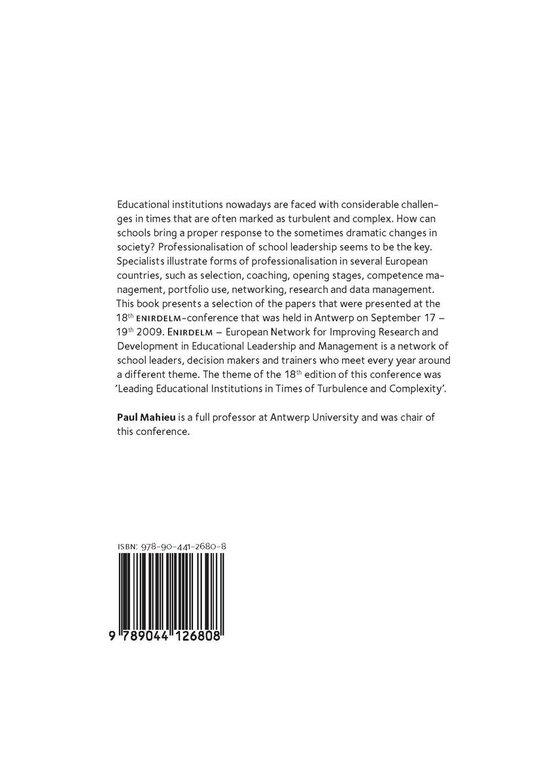
Educational institutions nowadays are faced with considerable challenges in times that are often marked as turbulent and complex. How can schools bring a proper response to the sometimes dramatic changes in society? Professionalisation of school leadership seems to be the key. Specialists illustrate forms of professionalisation in several European countries, such as selection, coaching, opening stages, competence management, portfolio use, networking, research and data management. This book presents a selection of the papers that were presented at the 18th enirdelm-conference that was held in Antwerp on September 17 – 19th 2009. Enirdelm – European Network for Improving Research and Development in Educational Leadership and Management is a network of school leaders, decision makers and trainers who meet every year around a different theme. The theme of the 18th edition of this conference was ‘Leading Educational Institutions in Times of Turbulence and Complexity’.
Paul Mahieu is a full professor at Antwerp University and was chair of this conference.
Paul Mahieu is a full professor at Antwerp University and was chair of this conference.
Ways to professionalise school leadership in times of turbulence and complexity
€ 20,00
Educational institutions nowadays are faced with considerable challenges in times that are often marked as turbulent and complex. How can schools bring a proper response to the sometimes dramatic changes in society? Professionalisation of school leadership seems to be the key. Specialists illustrate forms of professionalisation in several European countries, such as selection, coaching, opening stages, competence management, portfolio use, networking, research and data management. This book presents a selection of the papers that were presented at the 18th enirdelm-conference that was held in Antwerp on September 17 – 19th 2009. Enirdelm – European Network for Improving Research and Development in Educational Leadership and Management is a network of school leaders, decision makers and trainers who meet every year around a different theme. The theme of the 18th edition of this conference was ‘Leading Educational Institutions in Times of Turbulence and Complexity’.
Paul Mahieu is a full professor at Antwerp University and was chair of this conference.
Paul Mahieu is a full professor at Antwerp University and was chair of this conference.
Oncologie en geestelijke verzorging. Vormen en aspecten van begeleiding. Actuele vragen en uitdagingen (Catharina-reeks, nr. 2)
€ 19,50
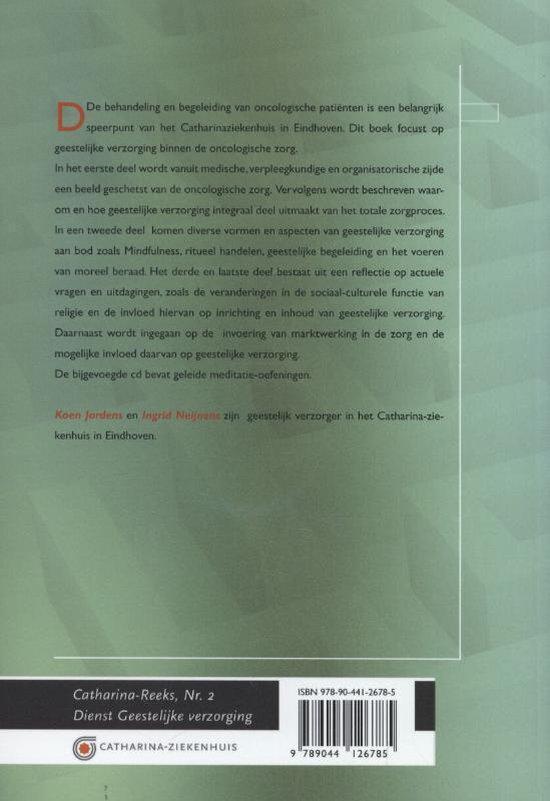
De behandeling en begeleiding van oncologische patiënten
is een belangrijk speerpunt van het Catharinaziekenhuis
in Eindhoven. Dit boek focust op geestelijke
verzorging binnen oncologische zorg.
In het eerste deel wordt vanuit medische, verpleegkundige en organisatorische zijde een beeld geschetst van de oncologische zorg. Vervolgens wordt beschreven waarom en hoe geestelijke verzorging integraal deel uitmaakt van het totale zorgproces.
In een tweede deel komen diverse vormen en aspecten van geestelijke verzorging aan bod. Mindfulness, ritueel handelen, geestelijke begeleiding en presentie zijn daarbij grote thema’s.
Het derde en laatste deel bestaat in een reflectie op actuele vragen en uitdagingen, zoals de veranderingen in de sociaal-culturele functie van religie en de invloed hiervan op inrichting en inhoud van geestelijke verzorging. Daarnaast wordt onderzocht in welke mate de invoering van marktwerking in de zorg kansen biedt of een bedreiging vormt voor menswaardige zorg.
De bijgevoegde cd-rom bevat geleide meditatie-oefeningen.
Koen Jordens, godsdienstwetenschapper en theoloog, is geestelijk verzorger in het Catharina-ziekenhuis in Eindhoven. Voordien was hij basispastor in Zeeuws-Vlaanderen en dekenaal coördinator van Zeeland. Ingrid Neijnens, theoloog, is geestelijk verzorger in het Catharina-ziekenhuis. Voordien werkte ze als levensbeschouwelijke begeleider in het Medisch Kindertehuis Godelieve in Goirle en als pastor in het VieCuri Medisch Centrum in Venlo.
Dit boek is het tweede deel in de Catharina-reeks (Levensbeschouwing en ethiek in de gezondheidszorg):
In het eerste deel wordt vanuit medische, verpleegkundige en organisatorische zijde een beeld geschetst van de oncologische zorg. Vervolgens wordt beschreven waarom en hoe geestelijke verzorging integraal deel uitmaakt van het totale zorgproces.
In een tweede deel komen diverse vormen en aspecten van geestelijke verzorging aan bod. Mindfulness, ritueel handelen, geestelijke begeleiding en presentie zijn daarbij grote thema’s.
Het derde en laatste deel bestaat in een reflectie op actuele vragen en uitdagingen, zoals de veranderingen in de sociaal-culturele functie van religie en de invloed hiervan op inrichting en inhoud van geestelijke verzorging. Daarnaast wordt onderzocht in welke mate de invoering van marktwerking in de zorg kansen biedt of een bedreiging vormt voor menswaardige zorg.
De bijgevoegde cd-rom bevat geleide meditatie-oefeningen.
Koen Jordens, godsdienstwetenschapper en theoloog, is geestelijk verzorger in het Catharina-ziekenhuis in Eindhoven. Voordien was hij basispastor in Zeeuws-Vlaanderen en dekenaal coördinator van Zeeland. Ingrid Neijnens, theoloog, is geestelijk verzorger in het Catharina-ziekenhuis. Voordien werkte ze als levensbeschouwelijke begeleider in het Medisch Kindertehuis Godelieve in Goirle en als pastor in het VieCuri Medisch Centrum in Venlo.
Dit boek is het tweede deel in de Catharina-reeks (Levensbeschouwing en ethiek in de gezondheidszorg):
Oncologie en geestelijke verzorging. Vormen en aspecten van begeleiding. Actuele vragen en uitdagingen (Catharina-reeks, nr. 2)
€ 19,50
De behandeling en begeleiding van oncologische patiënten
is een belangrijk speerpunt van het Catharinaziekenhuis
in Eindhoven. Dit boek focust op geestelijke
verzorging binnen oncologische zorg.
In het eerste deel wordt vanuit medische, verpleegkundige en organisatorische zijde een beeld geschetst van de oncologische zorg. Vervolgens wordt beschreven waarom en hoe geestelijke verzorging integraal deel uitmaakt van het totale zorgproces.
In een tweede deel komen diverse vormen en aspecten van geestelijke verzorging aan bod. Mindfulness, ritueel handelen, geestelijke begeleiding en presentie zijn daarbij grote thema’s.
Het derde en laatste deel bestaat in een reflectie op actuele vragen en uitdagingen, zoals de veranderingen in de sociaal-culturele functie van religie en de invloed hiervan op inrichting en inhoud van geestelijke verzorging. Daarnaast wordt onderzocht in welke mate de invoering van marktwerking in de zorg kansen biedt of een bedreiging vormt voor menswaardige zorg.
De bijgevoegde cd-rom bevat geleide meditatie-oefeningen.
Koen Jordens, godsdienstwetenschapper en theoloog, is geestelijk verzorger in het Catharina-ziekenhuis in Eindhoven. Voordien was hij basispastor in Zeeuws-Vlaanderen en dekenaal coördinator van Zeeland. Ingrid Neijnens, theoloog, is geestelijk verzorger in het Catharina-ziekenhuis. Voordien werkte ze als levensbeschouwelijke begeleider in het Medisch Kindertehuis Godelieve in Goirle en als pastor in het VieCuri Medisch Centrum in Venlo.
Dit boek is het tweede deel in de Catharina-reeks (Levensbeschouwing en ethiek in de gezondheidszorg):
In het eerste deel wordt vanuit medische, verpleegkundige en organisatorische zijde een beeld geschetst van de oncologische zorg. Vervolgens wordt beschreven waarom en hoe geestelijke verzorging integraal deel uitmaakt van het totale zorgproces.
In een tweede deel komen diverse vormen en aspecten van geestelijke verzorging aan bod. Mindfulness, ritueel handelen, geestelijke begeleiding en presentie zijn daarbij grote thema’s.
Het derde en laatste deel bestaat in een reflectie op actuele vragen en uitdagingen, zoals de veranderingen in de sociaal-culturele functie van religie en de invloed hiervan op inrichting en inhoud van geestelijke verzorging. Daarnaast wordt onderzocht in welke mate de invoering van marktwerking in de zorg kansen biedt of een bedreiging vormt voor menswaardige zorg.
De bijgevoegde cd-rom bevat geleide meditatie-oefeningen.
Koen Jordens, godsdienstwetenschapper en theoloog, is geestelijk verzorger in het Catharina-ziekenhuis in Eindhoven. Voordien was hij basispastor in Zeeuws-Vlaanderen en dekenaal coördinator van Zeeland. Ingrid Neijnens, theoloog, is geestelijk verzorger in het Catharina-ziekenhuis. Voordien werkte ze als levensbeschouwelijke begeleider in het Medisch Kindertehuis Godelieve in Goirle en als pastor in het VieCuri Medisch Centrum in Venlo.
Dit boek is het tweede deel in de Catharina-reeks (Levensbeschouwing en ethiek in de gezondheidszorg):
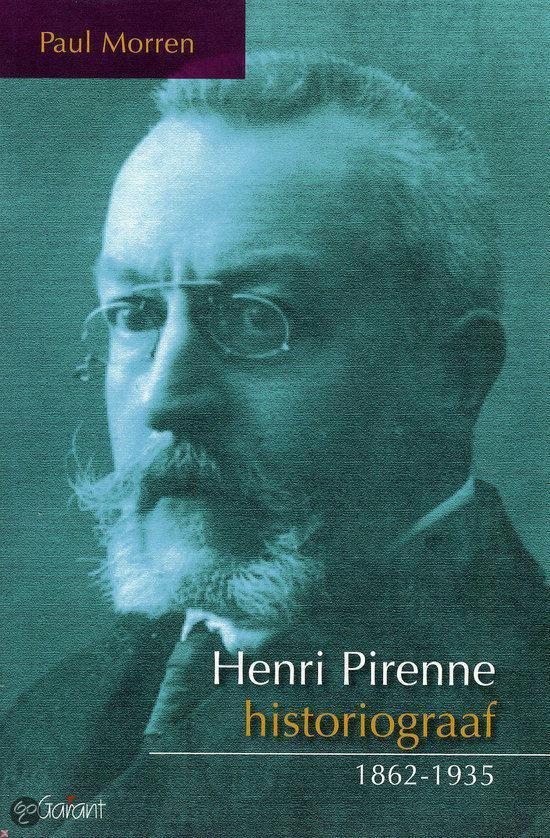
Henri Pirenne, historiograaf (1862-1935)
€ 19,40
Henri Pirenne is een van de belangrijkste academici die
in België aan de historiografie een beslissende wending
hebben gegeven. Hij is ter zake de meest vooraanstaande,
de invloedrijkste, de meest als grootmeester en gids
erkende professor en auteur. Maar hij is niet alleen de
voornaamste grondlegger van de Belgische historiografie,
hij heeft ook internationaal grote betekenis, invloed
en vermaardheid verworven. Nog tijdens zijn leven,
maar ook na zijn dood werd hij veelvuldig gehuldigd. En
nog altijd wordt in het buitenland met ontzag aan hem
gerefereerd. Henri Pirenne overleed 75 jaar geleden. Bij
deze gelegenheidsdatum brengt dit boek een overzicht
van het leven en het werk van de bekendste geschiedschrijver
van België, van zijn imponerende professoraat
en zijn omvangrijke oeuvre – dikwijls gedurfd, vaak
baanbrekend, altijd controversieel.
Paul Morren is ererijksinspecteur Geschiedenis bij het Vlaamse onderwijs. Hij is coördinator van de Garantboekenserie Grondleggers.
Paul Morren is ererijksinspecteur Geschiedenis bij het Vlaamse onderwijs. Hij is coördinator van de Garantboekenserie Grondleggers.
Henri Pirenne, historiograaf (1862-1935)
€ 19,40
Henri Pirenne is een van de belangrijkste academici die
in België aan de historiografie een beslissende wending
hebben gegeven. Hij is ter zake de meest vooraanstaande,
de invloedrijkste, de meest als grootmeester en gids
erkende professor en auteur. Maar hij is niet alleen de
voornaamste grondlegger van de Belgische historiografie,
hij heeft ook internationaal grote betekenis, invloed
en vermaardheid verworven. Nog tijdens zijn leven,
maar ook na zijn dood werd hij veelvuldig gehuldigd. En
nog altijd wordt in het buitenland met ontzag aan hem
gerefereerd. Henri Pirenne overleed 75 jaar geleden. Bij
deze gelegenheidsdatum brengt dit boek een overzicht
van het leven en het werk van de bekendste geschiedschrijver
van België, van zijn imponerende professoraat
en zijn omvangrijke oeuvre – dikwijls gedurfd, vaak
baanbrekend, altijd controversieel.
Paul Morren is ererijksinspecteur Geschiedenis bij het Vlaamse onderwijs. Hij is coördinator van de Garantboekenserie Grondleggers.
Paul Morren is ererijksinspecteur Geschiedenis bij het Vlaamse onderwijs. Hij is coördinator van de Garantboekenserie Grondleggers.
Gevaarlijke herinnering. Remi Verwimp. Tegendraadse Stem van levensbeschouwelijke tradities
€ 29,90
Remi Verwimp (1945 – 2009) was meer dan dertig
jaar een stuwende kracht in de kritische christelijke
basisbeweging in Vlaanderen. Als priester en agogisch
theoloog ontwikkelde hij in groepen opmerkelijke visies
omtrent maatschappelijke thema’s zoals de democratisering
van de kerk, verrechtsing en islamofobie,
de relatie christendom en marxisme, actief pluralisme,
het religieuze karakter van het kapitalisme, secularisering
en het belang van levensbeschouwelijke herbronning
in de (christelijke) sociale bewegingen. Als
emancipatorisch vormingswerker smeedde hij bondgenootschappen
tussen linkse christenen, moslims,
joden, marxisten en vrijzinnigen. Remi Verwimp werd
bewogen door de kracht van tegendraadse verhalen
uit de Thora en de Bijbel en zocht naar verbindingen
met de Koran. Hij was ervan overtuigd dat deze levensbeschouwelijke
bronnen nog steeds een onmisbare
kritische stem in het actuele maatschappelijke debat
kunnen doen opklinken.
Gevaarlijke herinnering is een ‘aanzet-tot-debat-boek’. Het bundelt een twintigtal artikels van Remi Verwimp, ingeleid en gesitueerd door Elke Vandeperre, met kritische reflecties en commentaren erop van Dick Boer, Erik Borgman, Joël De Ceulaer, Paul De Witte, Nadia Fadil, Manuela Kalsky, Huub Oosterhuis, en Jan Renders. In een derde deel werpen zijn levenspartner Mieke Mariën en zijn zus Maria Verwimp licht op zijn persoonlijke levensloop .
Gevaarlijke herinnering is een ‘aanzet-tot-debat-boek’. Het bundelt een twintigtal artikels van Remi Verwimp, ingeleid en gesitueerd door Elke Vandeperre, met kritische reflecties en commentaren erop van Dick Boer, Erik Borgman, Joël De Ceulaer, Paul De Witte, Nadia Fadil, Manuela Kalsky, Huub Oosterhuis, en Jan Renders. In een derde deel werpen zijn levenspartner Mieke Mariën en zijn zus Maria Verwimp licht op zijn persoonlijke levensloop .
Gevaarlijke herinnering. Remi Verwimp. Tegendraadse Stem van levensbeschouwelijke tradities
€ 29,90
Remi Verwimp (1945 – 2009) was meer dan dertig
jaar een stuwende kracht in de kritische christelijke
basisbeweging in Vlaanderen. Als priester en agogisch
theoloog ontwikkelde hij in groepen opmerkelijke visies
omtrent maatschappelijke thema’s zoals de democratisering
van de kerk, verrechtsing en islamofobie,
de relatie christendom en marxisme, actief pluralisme,
het religieuze karakter van het kapitalisme, secularisering
en het belang van levensbeschouwelijke herbronning
in de (christelijke) sociale bewegingen. Als
emancipatorisch vormingswerker smeedde hij bondgenootschappen
tussen linkse christenen, moslims,
joden, marxisten en vrijzinnigen. Remi Verwimp werd
bewogen door de kracht van tegendraadse verhalen
uit de Thora en de Bijbel en zocht naar verbindingen
met de Koran. Hij was ervan overtuigd dat deze levensbeschouwelijke
bronnen nog steeds een onmisbare
kritische stem in het actuele maatschappelijke debat
kunnen doen opklinken.
Gevaarlijke herinnering is een ‘aanzet-tot-debat-boek’. Het bundelt een twintigtal artikels van Remi Verwimp, ingeleid en gesitueerd door Elke Vandeperre, met kritische reflecties en commentaren erop van Dick Boer, Erik Borgman, Joël De Ceulaer, Paul De Witte, Nadia Fadil, Manuela Kalsky, Huub Oosterhuis, en Jan Renders. In een derde deel werpen zijn levenspartner Mieke Mariën en zijn zus Maria Verwimp licht op zijn persoonlijke levensloop .
Gevaarlijke herinnering is een ‘aanzet-tot-debat-boek’. Het bundelt een twintigtal artikels van Remi Verwimp, ingeleid en gesitueerd door Elke Vandeperre, met kritische reflecties en commentaren erop van Dick Boer, Erik Borgman, Joël De Ceulaer, Paul De Witte, Nadia Fadil, Manuela Kalsky, Huub Oosterhuis, en Jan Renders. In een derde deel werpen zijn levenspartner Mieke Mariën en zijn zus Maria Verwimp licht op zijn persoonlijke levensloop .

LogAnt. Provincie Antwerpen een wereld van logistiek
€ 29,90
Antwerpen en zijn haven hebben van oudsher een enorme logistieke uitstraling. Door haar uitstekende ligging in hart van Europa is de haven kunnen uitgroeien tot een economische speler van wereldformaat en zorgt ze voor veel tewerkstelling in de regio.
Dit exclusieve boek geeft een overzicht van de ontwikkeling van de haven en laat zien dat de logistiek in de haven veel meer is dan de vrachtwagens die elke dag over de snelwegen denderen. Het boek biedt met zijn talrijke illustraties de lezer een blik achter de schermen van de indrukwekkende machinaties die ervoor zorgen dat alle goederen die aankomen in de haven, beschikbaar worden voor de gebruiker.
LogAnt = Logistiek Antwerpen is een boek dat iedereen die met de haven te maken heeft of er belangstelling voor heeft, beroert. Een ideaal geschenk om te geven of te krijgen.
Aan het boek is een website gekoppeld met nog uitgebreidere informatie.
Dit exclusieve boek geeft een overzicht van de ontwikkeling van de haven en laat zien dat de logistiek in de haven veel meer is dan de vrachtwagens die elke dag over de snelwegen denderen. Het boek biedt met zijn talrijke illustraties de lezer een blik achter de schermen van de indrukwekkende machinaties die ervoor zorgen dat alle goederen die aankomen in de haven, beschikbaar worden voor de gebruiker.
LogAnt = Logistiek Antwerpen is een boek dat iedereen die met de haven te maken heeft of er belangstelling voor heeft, beroert. Een ideaal geschenk om te geven of te krijgen.
Aan het boek is een website gekoppeld met nog uitgebreidere informatie.
LogAnt. Provincie Antwerpen een wereld van logistiek
€ 29,90
Antwerpen en zijn haven hebben van oudsher een enorme logistieke uitstraling. Door haar uitstekende ligging in hart van Europa is de haven kunnen uitgroeien tot een economische speler van wereldformaat en zorgt ze voor veel tewerkstelling in de regio.
Dit exclusieve boek geeft een overzicht van de ontwikkeling van de haven en laat zien dat de logistiek in de haven veel meer is dan de vrachtwagens die elke dag over de snelwegen denderen. Het boek biedt met zijn talrijke illustraties de lezer een blik achter de schermen van de indrukwekkende machinaties die ervoor zorgen dat alle goederen die aankomen in de haven, beschikbaar worden voor de gebruiker.
LogAnt = Logistiek Antwerpen is een boek dat iedereen die met de haven te maken heeft of er belangstelling voor heeft, beroert. Een ideaal geschenk om te geven of te krijgen.
Aan het boek is een website gekoppeld met nog uitgebreidere informatie.
Dit exclusieve boek geeft een overzicht van de ontwikkeling van de haven en laat zien dat de logistiek in de haven veel meer is dan de vrachtwagens die elke dag over de snelwegen denderen. Het boek biedt met zijn talrijke illustraties de lezer een blik achter de schermen van de indrukwekkende machinaties die ervoor zorgen dat alle goederen die aankomen in de haven, beschikbaar worden voor de gebruiker.
LogAnt = Logistiek Antwerpen is een boek dat iedereen die met de haven te maken heeft of er belangstelling voor heeft, beroert. Een ideaal geschenk om te geven of te krijgen.
Aan het boek is een website gekoppeld met nog uitgebreidere informatie.
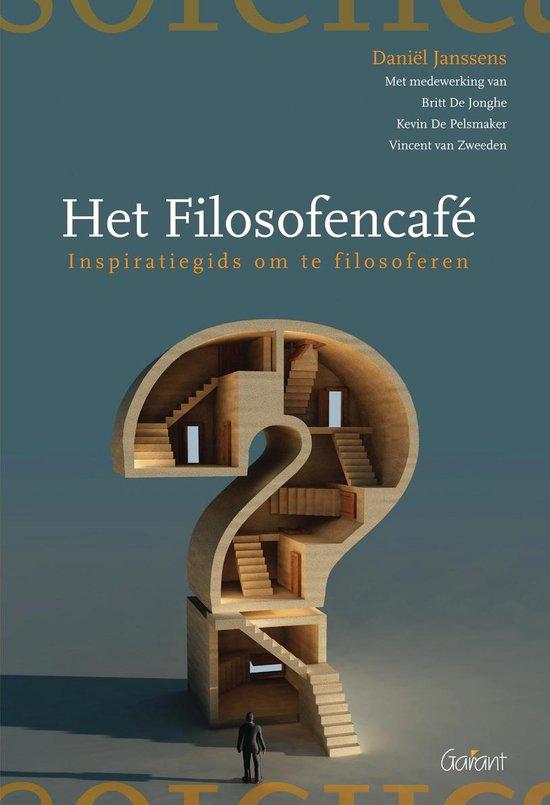
Het filosofencafé (met DVD). Inspiratiegids om te filosoferen
€ 20,00
Filosoferen is een denkgemeenschap vormen met mensen die samen weten
dat ze niet weten. Ze zijn bereid hun vanzelfsprekendheden los te laten
en zichzelf en elkaar te bevragen op vastgeroeste denkschema’s over
de meest uiteenlopende dingen. Ze gaan het engagement aan om met elkaar
van gedachten te wisselen en samen op zoek te gaan naar zaken die hun blik
verruimen en nuanceren.
Het positieve effect van het filosoferen hebben de auteurs ervaren in het (hoger) onderwijs, in het jeugdwerk en in het jeugdwelzijnswerk met maatschappelijk kwetsbare jongeren en jongeren van allochtone origine. Het is een proces van vallen en opstaan, maar gaandeweg leren jongeren te luisteren naar elkaar en dagen ze elkaar uit met argumenten en vragen. Dat proces vormt gemeenschap en heft verschillen van sociale klasse en etnische afkomst op.
Dit boek is een filosofiewerkboek. Het plukt de vruchten van vijftien jaar filosoferen met jongeren die studeren en verwerkt ook de resultaten van sessies met jongeren in het welzijnswerk. Enerzijds wordt stilgestaan bij de vraag wat de zin is van filosoferen in het onderwijs en in het sociaal werk. Anderzijds biedt het boek krachtig materiaal om concreet aan de slag te gaan als filosofisch begeleider, ook buiten het onderwijs en sociaal werk.
Op de bijgevoegde dvd staan filosofeersessies met jongeren als voorbeeld.
Daniël Janssens, theoloog en filosoof, doceert Filosofie en Beroepsethiek aan de Katholieke Hogeschool Kempen in Geel. Britt De Jonghe, Kevin De Pelsmaker en Vincent van Zweeden realiseerden aan deze hogeschool een afstudeerproject “Filosoferen met jongeren in het welzijnswerk”.
Het positieve effect van het filosoferen hebben de auteurs ervaren in het (hoger) onderwijs, in het jeugdwerk en in het jeugdwelzijnswerk met maatschappelijk kwetsbare jongeren en jongeren van allochtone origine. Het is een proces van vallen en opstaan, maar gaandeweg leren jongeren te luisteren naar elkaar en dagen ze elkaar uit met argumenten en vragen. Dat proces vormt gemeenschap en heft verschillen van sociale klasse en etnische afkomst op.
Dit boek is een filosofiewerkboek. Het plukt de vruchten van vijftien jaar filosoferen met jongeren die studeren en verwerkt ook de resultaten van sessies met jongeren in het welzijnswerk. Enerzijds wordt stilgestaan bij de vraag wat de zin is van filosoferen in het onderwijs en in het sociaal werk. Anderzijds biedt het boek krachtig materiaal om concreet aan de slag te gaan als filosofisch begeleider, ook buiten het onderwijs en sociaal werk.
Op de bijgevoegde dvd staan filosofeersessies met jongeren als voorbeeld.
Daniël Janssens, theoloog en filosoof, doceert Filosofie en Beroepsethiek aan de Katholieke Hogeschool Kempen in Geel. Britt De Jonghe, Kevin De Pelsmaker en Vincent van Zweeden realiseerden aan deze hogeschool een afstudeerproject “Filosoferen met jongeren in het welzijnswerk”.
Het filosofencafé (met DVD). Inspiratiegids om te filosoferen
€ 20,00
Filosoferen is een denkgemeenschap vormen met mensen die samen weten
dat ze niet weten. Ze zijn bereid hun vanzelfsprekendheden los te laten
en zichzelf en elkaar te bevragen op vastgeroeste denkschema’s over
de meest uiteenlopende dingen. Ze gaan het engagement aan om met elkaar
van gedachten te wisselen en samen op zoek te gaan naar zaken die hun blik
verruimen en nuanceren.
Het positieve effect van het filosoferen hebben de auteurs ervaren in het (hoger) onderwijs, in het jeugdwerk en in het jeugdwelzijnswerk met maatschappelijk kwetsbare jongeren en jongeren van allochtone origine. Het is een proces van vallen en opstaan, maar gaandeweg leren jongeren te luisteren naar elkaar en dagen ze elkaar uit met argumenten en vragen. Dat proces vormt gemeenschap en heft verschillen van sociale klasse en etnische afkomst op.
Dit boek is een filosofiewerkboek. Het plukt de vruchten van vijftien jaar filosoferen met jongeren die studeren en verwerkt ook de resultaten van sessies met jongeren in het welzijnswerk. Enerzijds wordt stilgestaan bij de vraag wat de zin is van filosoferen in het onderwijs en in het sociaal werk. Anderzijds biedt het boek krachtig materiaal om concreet aan de slag te gaan als filosofisch begeleider, ook buiten het onderwijs en sociaal werk.
Op de bijgevoegde dvd staan filosofeersessies met jongeren als voorbeeld.
Daniël Janssens, theoloog en filosoof, doceert Filosofie en Beroepsethiek aan de Katholieke Hogeschool Kempen in Geel. Britt De Jonghe, Kevin De Pelsmaker en Vincent van Zweeden realiseerden aan deze hogeschool een afstudeerproject “Filosoferen met jongeren in het welzijnswerk”.
Het positieve effect van het filosoferen hebben de auteurs ervaren in het (hoger) onderwijs, in het jeugdwerk en in het jeugdwelzijnswerk met maatschappelijk kwetsbare jongeren en jongeren van allochtone origine. Het is een proces van vallen en opstaan, maar gaandeweg leren jongeren te luisteren naar elkaar en dagen ze elkaar uit met argumenten en vragen. Dat proces vormt gemeenschap en heft verschillen van sociale klasse en etnische afkomst op.
Dit boek is een filosofiewerkboek. Het plukt de vruchten van vijftien jaar filosoferen met jongeren die studeren en verwerkt ook de resultaten van sessies met jongeren in het welzijnswerk. Enerzijds wordt stilgestaan bij de vraag wat de zin is van filosoferen in het onderwijs en in het sociaal werk. Anderzijds biedt het boek krachtig materiaal om concreet aan de slag te gaan als filosofisch begeleider, ook buiten het onderwijs en sociaal werk.
Op de bijgevoegde dvd staan filosofeersessies met jongeren als voorbeeld.
Daniël Janssens, theoloog en filosoof, doceert Filosofie en Beroepsethiek aan de Katholieke Hogeschool Kempen in Geel. Britt De Jonghe, Kevin De Pelsmaker en Vincent van Zweeden realiseerden aan deze hogeschool een afstudeerproject “Filosoferen met jongeren in het welzijnswerk”.
A Social inclusion roadmap for Europe 2020
€ 28,20
2010 is in many ways a turning point in the fight against
poverty. The European Year for Combating Poverty and Social
Exclusion aims to raise public awareness, to give voice
to the concerns of those experiencing poverty and to renew
political commitment of the EU and its Member States.
The fact that poverty has not decreased in the past decade necessitates a thorough reflection about the design of the European economic and social model. The elaboration of the Europe 2020 strategy is a window of opportunity to put social inclusion at the heart of the policy of the Union.
The Belgian Presidency of the EU in the second half of 2010 has selected three thematic priorities with regard to social inclusion: minimum income systems, child poverty and homelessness – as well as a horizontal priority: the active involvement of people experiencing poverty and social exclusion. This book takes stock of the progress made in the past decade and formulates a series of policy recommendations for the next decade, at EU level as well as in the Member States.
Hugh Frazer (National University of Ireland, Maynooth), Eric Marlier (CEPS/INSTEAD Research Institute, Luxembourg), Ides Nicaise (HIVA and Department of Education Sciences, K.U.Leuven, Belgium) are members of the EU Network of Independent Experts on Social Inclusion.
The fact that poverty has not decreased in the past decade necessitates a thorough reflection about the design of the European economic and social model. The elaboration of the Europe 2020 strategy is a window of opportunity to put social inclusion at the heart of the policy of the Union.
The Belgian Presidency of the EU in the second half of 2010 has selected three thematic priorities with regard to social inclusion: minimum income systems, child poverty and homelessness – as well as a horizontal priority: the active involvement of people experiencing poverty and social exclusion. This book takes stock of the progress made in the past decade and formulates a series of policy recommendations for the next decade, at EU level as well as in the Member States.
Hugh Frazer (National University of Ireland, Maynooth), Eric Marlier (CEPS/INSTEAD Research Institute, Luxembourg), Ides Nicaise (HIVA and Department of Education Sciences, K.U.Leuven, Belgium) are members of the EU Network of Independent Experts on Social Inclusion.
A Social inclusion roadmap for Europe 2020
€ 28,20
2010 is in many ways a turning point in the fight against
poverty. The European Year for Combating Poverty and Social
Exclusion aims to raise public awareness, to give voice
to the concerns of those experiencing poverty and to renew
political commitment of the EU and its Member States.
The fact that poverty has not decreased in the past decade necessitates a thorough reflection about the design of the European economic and social model. The elaboration of the Europe 2020 strategy is a window of opportunity to put social inclusion at the heart of the policy of the Union.
The Belgian Presidency of the EU in the second half of 2010 has selected three thematic priorities with regard to social inclusion: minimum income systems, child poverty and homelessness – as well as a horizontal priority: the active involvement of people experiencing poverty and social exclusion. This book takes stock of the progress made in the past decade and formulates a series of policy recommendations for the next decade, at EU level as well as in the Member States.
Hugh Frazer (National University of Ireland, Maynooth), Eric Marlier (CEPS/INSTEAD Research Institute, Luxembourg), Ides Nicaise (HIVA and Department of Education Sciences, K.U.Leuven, Belgium) are members of the EU Network of Independent Experts on Social Inclusion.
The fact that poverty has not decreased in the past decade necessitates a thorough reflection about the design of the European economic and social model. The elaboration of the Europe 2020 strategy is a window of opportunity to put social inclusion at the heart of the policy of the Union.
The Belgian Presidency of the EU in the second half of 2010 has selected three thematic priorities with regard to social inclusion: minimum income systems, child poverty and homelessness – as well as a horizontal priority: the active involvement of people experiencing poverty and social exclusion. This book takes stock of the progress made in the past decade and formulates a series of policy recommendations for the next decade, at EU level as well as in the Member States.
Hugh Frazer (National University of Ireland, Maynooth), Eric Marlier (CEPS/INSTEAD Research Institute, Luxembourg), Ides Nicaise (HIVA and Department of Education Sciences, K.U.Leuven, Belgium) are members of the EU Network of Independent Experts on Social Inclusion.