
Zo lang de leeuw kan bouwen. Liber amicorum prof. dr. Luc Goossens
€ 39,90
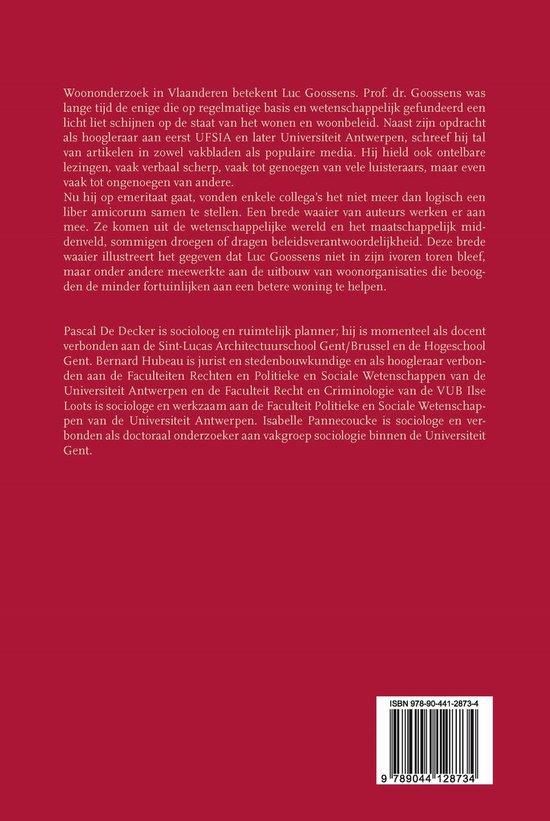
Woononderzoek in Vlaanderen betekent Luc Goossens.
Prof. dr. Goossens was lange tijd de enige die op regelmatige basis en wetenschappelijk gefundeerd een licht liet schijnen op de staat van het wonen en woonbeleid. Naast zijn opdracht als hoogleraar aan eerst UFSIA en later Universiteit Antwerpen, schreef hij tal van artikelen in zowel vakbladen als populaire media. Hij hield ook ontelbare lezingen, vaak verbaal scherp, vaak tot genoegen van vele luisteraars, maar even vaak tot ongenoegen van andere.
Nu hij op emeritaat gaat, vonden enkele collega’s het niet meer dan logisch een liber amicorum samen te stellen. Een brede waaier van auteurs werken er aan mee. Ze komen uit de wetenschappelijke wereld en het maatschappelijk middenveld, sommigen droegen of dragen beleidsverantwoordelijkheid. Deze brede waaier illustreert het gegeven dat Luc Goossens niet in zijn ivoren toren bleef, maar onder andere meewerkte aan de uitbouw van woonorganisaties die beoogden de minder fortuinlijken aan een betere woning te helpen.
Pascal De Decker is socioloog en ruimtelijk planner; hij is momenteel als docent verbonden aan de Sint-Lucas Architectuurschool Gent/Brussel en de Hogeschool Gent.
Bernard Hubeau is jurist en stedenbouwkundige en als hoogleraar verbonden aan de Faculteiten Rechten en Politieke en Sociale Wetenschappen van de Universiteit Antwerpen en de Faculteit Recht en Criminologie van de VUB.
Ilse Loots is sociologe en werkzaam aan de Faculteit Politieke en Sociale Wetenschappen van de Universiteit Antwerpen.
Isabelle Pannecoucke is sociologe en verbonden als doctoraal onderzoeker aan vakgroep sociologie binnen de Universiteit Gent.
Zo lang de leeuw kan bouwen. Liber amicorum prof. dr. Luc Goossens
€ 39,90
Woononderzoek in Vlaanderen betekent Luc Goossens.
Prof. dr. Goossens was lange tijd de enige die op regelmatige basis en wetenschappelijk gefundeerd een licht liet schijnen op de staat van het wonen en woonbeleid. Naast zijn opdracht als hoogleraar aan eerst UFSIA en later Universiteit Antwerpen, schreef hij tal van artikelen in zowel vakbladen als populaire media. Hij hield ook ontelbare lezingen, vaak verbaal scherp, vaak tot genoegen van vele luisteraars, maar even vaak tot ongenoegen van andere.
Nu hij op emeritaat gaat, vonden enkele collega’s het niet meer dan logisch een liber amicorum samen te stellen. Een brede waaier van auteurs werken er aan mee. Ze komen uit de wetenschappelijke wereld en het maatschappelijk middenveld, sommigen droegen of dragen beleidsverantwoordelijkheid. Deze brede waaier illustreert het gegeven dat Luc Goossens niet in zijn ivoren toren bleef, maar onder andere meewerkte aan de uitbouw van woonorganisaties die beoogden de minder fortuinlijken aan een betere woning te helpen.
Pascal De Decker is socioloog en ruimtelijk planner; hij is momenteel als docent verbonden aan de Sint-Lucas Architectuurschool Gent/Brussel en de Hogeschool Gent.
Bernard Hubeau is jurist en stedenbouwkundige en als hoogleraar verbonden aan de Faculteiten Rechten en Politieke en Sociale Wetenschappen van de Universiteit Antwerpen en de Faculteit Recht en Criminologie van de VUB.
Ilse Loots is sociologe en werkzaam aan de Faculteit Politieke en Sociale Wetenschappen van de Universiteit Antwerpen.
Isabelle Pannecoucke is sociologe en verbonden als doctoraal onderzoeker aan vakgroep sociologie binnen de Universiteit Gent.
Geen voorraad
International Business not as usual
€ 32,10
International economic integration often consists in countries strengthening economic
links with a relatively small group of geographically close countries whereas
links with more distant countries remain neglected. Regional agreements may actually
reinforce such insider-outsider phenomenon. Though geographical and cultural
distance substantially hampers international trade, the fragmentation of the world
economy into trading blocs may result in detrimental lock-in effects and the disregard
of existing opportunities. Belgium seems a rather illustrative case in point. As
one of the most open countries in the world, the bulk of its international transactions
occur within the EU and more specifically with its neighbouring countries.
On the other hand it is often acclaimed that Belgium is not sufficiently seizing the
trade and investment opportunities offered by the strong growing Newly Industrialising
Countries, e.g. in South-East Asia.
The original papers bundled in this book explore international business from different angles. A number of contributions consider possible ownership advantages in international business relations (e.g. awareness of cultural differences in advertising, valuable intangible assets or the role of electronic data interchange in supply chains) and how to actually measure business performance. Possible consequences of public policies with respect to state aid, international trade, export promotion and economic development are discussed, both from a theoretical perspective as from the point of view of specific emerging economies such as China, Colombia and South Africa.
This book is written for readers interested in international trade with distant countries.
Michel Dumont is attaché at the Federal Planning Bureau of Belgium and affiliated with the Department of Economics at the University of Antwerp.
Glenn Rayp is professor of International Economics at the Ghent University.
The original papers bundled in this book explore international business from different angles. A number of contributions consider possible ownership advantages in international business relations (e.g. awareness of cultural differences in advertising, valuable intangible assets or the role of electronic data interchange in supply chains) and how to actually measure business performance. Possible consequences of public policies with respect to state aid, international trade, export promotion and economic development are discussed, both from a theoretical perspective as from the point of view of specific emerging economies such as China, Colombia and South Africa.
This book is written for readers interested in international trade with distant countries.
Michel Dumont is attaché at the Federal Planning Bureau of Belgium and affiliated with the Department of Economics at the University of Antwerp.
Glenn Rayp is professor of International Economics at the Ghent University.
Geen voorraad
International Business not as usual
€ 32,10
International economic integration often consists in countries strengthening economic
links with a relatively small group of geographically close countries whereas
links with more distant countries remain neglected. Regional agreements may actually
reinforce such insider-outsider phenomenon. Though geographical and cultural
distance substantially hampers international trade, the fragmentation of the world
economy into trading blocs may result in detrimental lock-in effects and the disregard
of existing opportunities. Belgium seems a rather illustrative case in point. As
one of the most open countries in the world, the bulk of its international transactions
occur within the EU and more specifically with its neighbouring countries.
On the other hand it is often acclaimed that Belgium is not sufficiently seizing the
trade and investment opportunities offered by the strong growing Newly Industrialising
Countries, e.g. in South-East Asia.
The original papers bundled in this book explore international business from different angles. A number of contributions consider possible ownership advantages in international business relations (e.g. awareness of cultural differences in advertising, valuable intangible assets or the role of electronic data interchange in supply chains) and how to actually measure business performance. Possible consequences of public policies with respect to state aid, international trade, export promotion and economic development are discussed, both from a theoretical perspective as from the point of view of specific emerging economies such as China, Colombia and South Africa.
This book is written for readers interested in international trade with distant countries.
Michel Dumont is attaché at the Federal Planning Bureau of Belgium and affiliated with the Department of Economics at the University of Antwerp.
Glenn Rayp is professor of International Economics at the Ghent University.
The original papers bundled in this book explore international business from different angles. A number of contributions consider possible ownership advantages in international business relations (e.g. awareness of cultural differences in advertising, valuable intangible assets or the role of electronic data interchange in supply chains) and how to actually measure business performance. Possible consequences of public policies with respect to state aid, international trade, export promotion and economic development are discussed, both from a theoretical perspective as from the point of view of specific emerging economies such as China, Colombia and South Africa.
This book is written for readers interested in international trade with distant countries.
Michel Dumont is attaché at the Federal Planning Bureau of Belgium and affiliated with the Department of Economics at the University of Antwerp.
Glenn Rayp is professor of International Economics at the Ghent University.
Patterns in student learning. Exploring a person-oriented and a longitudinal research-perspective
€ 29,50
The research presented in this dissertation is concerned with patterns in students
learning in higher education. It aims at broadening our understanding of student
learning by exploring two underexposed research-perspectives: a person-oriented perspective
and a longitudinal perspective.
The first perspective attempts at grappling the complexity of the ways in which students engage in learning by identifying learning profiles.
The latter perspective is interested in how students’ learning strategy use develops both within a single learning environment and across the whole of higher education.
Apart from a general introduction and concluding reflections, the dissertation contains one theoretical and four empirical contributions. The theoretical chapter elucidates the theoretical frameworks and research-perspectives used in this dissertation.
In subsequent chapters, each research-perspective is tackled by two empirical studies. All studies are situated in the context of teacher education.
The final chapter provides concluding reflections on results of the studies as well as the researchperspectives themselves. It also provides suggestions for educational practice and further research.
Gert Vanthournout is a researcher at the University of Antwerp’s Institute for Education and Information Sciences and more specifically at the EduBROn and REPRO research-units. He obtained his master’s degree in education at the Catholic University of Leuven. He started his academic career at the University of Antwerp as a staff member of the Center of Excellence in Higher Education (ECHO).
He currently combines a job as an assistant in the Master of Instructional and Educational Sciences with being a staff member for the project ‘The effects of student trajectory coaching in teacher education’.
The first perspective attempts at grappling the complexity of the ways in which students engage in learning by identifying learning profiles.
The latter perspective is interested in how students’ learning strategy use develops both within a single learning environment and across the whole of higher education.
Apart from a general introduction and concluding reflections, the dissertation contains one theoretical and four empirical contributions. The theoretical chapter elucidates the theoretical frameworks and research-perspectives used in this dissertation.
In subsequent chapters, each research-perspective is tackled by two empirical studies. All studies are situated in the context of teacher education.
The final chapter provides concluding reflections on results of the studies as well as the researchperspectives themselves. It also provides suggestions for educational practice and further research.
Gert Vanthournout is a researcher at the University of Antwerp’s Institute for Education and Information Sciences and more specifically at the EduBROn and REPRO research-units. He obtained his master’s degree in education at the Catholic University of Leuven. He started his academic career at the University of Antwerp as a staff member of the Center of Excellence in Higher Education (ECHO).
He currently combines a job as an assistant in the Master of Instructional and Educational Sciences with being a staff member for the project ‘The effects of student trajectory coaching in teacher education’.
Patterns in student learning. Exploring a person-oriented and a longitudinal research-perspective
€ 29,50
The research presented in this dissertation is concerned with patterns in students
learning in higher education. It aims at broadening our understanding of student
learning by exploring two underexposed research-perspectives: a person-oriented perspective
and a longitudinal perspective.
The first perspective attempts at grappling the complexity of the ways in which students engage in learning by identifying learning profiles.
The latter perspective is interested in how students’ learning strategy use develops both within a single learning environment and across the whole of higher education.
Apart from a general introduction and concluding reflections, the dissertation contains one theoretical and four empirical contributions. The theoretical chapter elucidates the theoretical frameworks and research-perspectives used in this dissertation.
In subsequent chapters, each research-perspective is tackled by two empirical studies. All studies are situated in the context of teacher education.
The final chapter provides concluding reflections on results of the studies as well as the researchperspectives themselves. It also provides suggestions for educational practice and further research.
Gert Vanthournout is a researcher at the University of Antwerp’s Institute for Education and Information Sciences and more specifically at the EduBROn and REPRO research-units. He obtained his master’s degree in education at the Catholic University of Leuven. He started his academic career at the University of Antwerp as a staff member of the Center of Excellence in Higher Education (ECHO).
He currently combines a job as an assistant in the Master of Instructional and Educational Sciences with being a staff member for the project ‘The effects of student trajectory coaching in teacher education’.
The first perspective attempts at grappling the complexity of the ways in which students engage in learning by identifying learning profiles.
The latter perspective is interested in how students’ learning strategy use develops both within a single learning environment and across the whole of higher education.
Apart from a general introduction and concluding reflections, the dissertation contains one theoretical and four empirical contributions. The theoretical chapter elucidates the theoretical frameworks and research-perspectives used in this dissertation.
In subsequent chapters, each research-perspective is tackled by two empirical studies. All studies are situated in the context of teacher education.
The final chapter provides concluding reflections on results of the studies as well as the researchperspectives themselves. It also provides suggestions for educational practice and further research.
Gert Vanthournout is a researcher at the University of Antwerp’s Institute for Education and Information Sciences and more specifically at the EduBROn and REPRO research-units. He obtained his master’s degree in education at the Catholic University of Leuven. He started his academic career at the University of Antwerp as a staff member of the Center of Excellence in Higher Education (ECHO).
He currently combines a job as an assistant in the Master of Instructional and Educational Sciences with being a staff member for the project ‘The effects of student trajectory coaching in teacher education’.
Van klein tot groot (O&A-Reeks, nr. 5)
€ 27,30
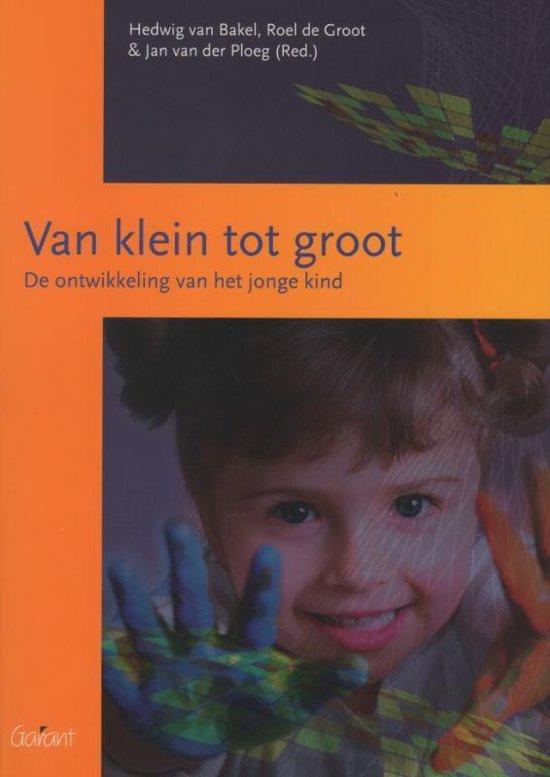
Dit is een boek over de ontwikkeling van het jonge kind met bijdragen van deskundigen van uiteenlopend pluimage en onderwerpen als:
Kortom, een boek voor allen die belangstelling hebben voor de ontwikkeling van kinderen en die er in hun werk mee te maken (kunnen) krijgen.
Van klein tot groot (O&A-Reeks, nr. 5)
€ 27,30
Dit is een boek over de ontwikkeling van het jonge kind met bijdragen van deskundigen van uiteenlopend pluimage en onderwerpen als:
Kortom, een boek voor allen die belangstelling hebben voor de ontwikkeling van kinderen en die er in hun werk mee te maken (kunnen) krijgen.
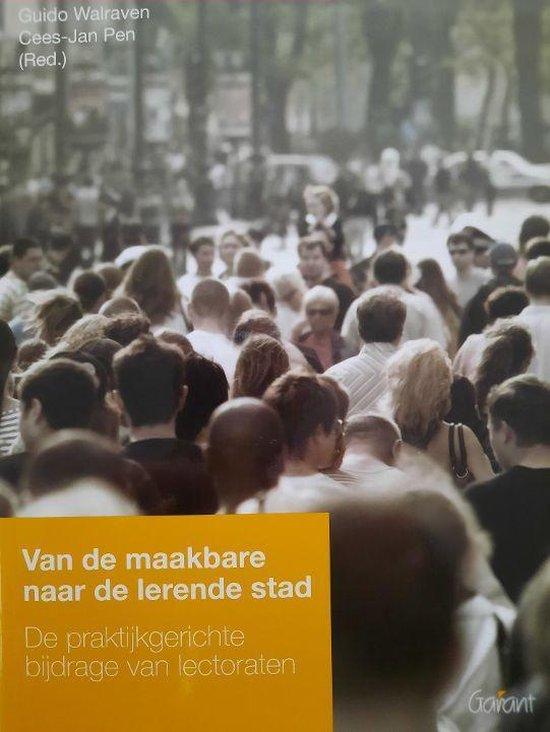
Van de maakbare naar de lerende stad. De praktijkgerichte bijdrage van lectoraten.
€ 31,90
Aan hogescholen zijn lectoren concreet en praktijkgericht bezig met het
analyseren en helpen oplossen van stedelijke vraagstukken. Dit boek geeft
een actueel overzicht van hoe stedelijk onderzoek van zesentwintig lectoraten
eruit ziet en tot welke praktisch bruikbare resultaten dit leidt. Uit het
boek blijkt duidelijk dat burgers en ondernemers op lokaal niveau in samenwerking
met de overheid en andere partners zelf bezig zijn wijken en buurten
beter te maken en vooral van elkaar te leren. Leren van elkaar en van
praktijkrelevant onderzoek draagt bij aan het vormen van een lerende stad.
“Dit boek is een aanrader voor iedereen die betrokken is bij ontwikkelingen in steden. Het geeft antwoord op tientallen beleidsvragen waar elke betrokken ambtenaar, wethouder of minister van wakker ligt. Dat maakt dit lectorenboek zo krachtig: praktische inzichten op complexe problemen. Menig stadsbestuurder betrekt graag het HBO bij complexe beleidsproblemen. Er is in korte tijd in het HBO een uitstekende onderzoekstraditie ontstaan waarbij naast de kwaliteit van onderzoek, de verbinding en relevantie voor de praktijk een rode draad in het werk vormt. Deze publicatie is daarvan het harde bewijs.”
Gerard Schouw, voormalig directeur Nicis en lid Tweede Kamer
Juist in een tijd van globalisering en onzekerheid hebben professionals, burgers en ondernemers complexe vragen. Zij zijn op zoek naar onderbouwde antwoorden en reflectie op beleid en praktijk. Er is dus behoefte aan praktijkgericht en praktijkrelevant onderzoek en dit is exact waar lectoraten voor staan.
Deze bundel is van belang voor verschillende groepen lezers.Professionals in beleid en praktijk (overheid, economie, civil society)
Beleidsmakers en politici bij gemeenten (en ook bij rijk en provincies)
Burgers en ondernemers in onze urbane samenleving
Studenten & docenten aan hogescholen en universiteiten
Professionals bij kenniscentra, adviesorganen en dergelijke.
Guido Walraven is lector Dynamiek van de Stad aan hogeschool Inholland
Cees-Jan Pen is programmaleider Onderzoek Economie & Innovatie bij Nicis Institute.
“Dit boek is een aanrader voor iedereen die betrokken is bij ontwikkelingen in steden. Het geeft antwoord op tientallen beleidsvragen waar elke betrokken ambtenaar, wethouder of minister van wakker ligt. Dat maakt dit lectorenboek zo krachtig: praktische inzichten op complexe problemen. Menig stadsbestuurder betrekt graag het HBO bij complexe beleidsproblemen. Er is in korte tijd in het HBO een uitstekende onderzoekstraditie ontstaan waarbij naast de kwaliteit van onderzoek, de verbinding en relevantie voor de praktijk een rode draad in het werk vormt. Deze publicatie is daarvan het harde bewijs.”
Gerard Schouw, voormalig directeur Nicis en lid Tweede Kamer
Juist in een tijd van globalisering en onzekerheid hebben professionals, burgers en ondernemers complexe vragen. Zij zijn op zoek naar onderbouwde antwoorden en reflectie op beleid en praktijk. Er is dus behoefte aan praktijkgericht en praktijkrelevant onderzoek en dit is exact waar lectoraten voor staan.
Deze bundel is van belang voor verschillende groepen lezers.
Guido Walraven is lector Dynamiek van de Stad aan hogeschool Inholland
Cees-Jan Pen is programmaleider Onderzoek Economie & Innovatie bij Nicis Institute.
Van de maakbare naar de lerende stad. De praktijkgerichte bijdrage van lectoraten.
€ 31,90
Aan hogescholen zijn lectoren concreet en praktijkgericht bezig met het
analyseren en helpen oplossen van stedelijke vraagstukken. Dit boek geeft
een actueel overzicht van hoe stedelijk onderzoek van zesentwintig lectoraten
eruit ziet en tot welke praktisch bruikbare resultaten dit leidt. Uit het
boek blijkt duidelijk dat burgers en ondernemers op lokaal niveau in samenwerking
met de overheid en andere partners zelf bezig zijn wijken en buurten
beter te maken en vooral van elkaar te leren. Leren van elkaar en van
praktijkrelevant onderzoek draagt bij aan het vormen van een lerende stad.
“Dit boek is een aanrader voor iedereen die betrokken is bij ontwikkelingen in steden. Het geeft antwoord op tientallen beleidsvragen waar elke betrokken ambtenaar, wethouder of minister van wakker ligt. Dat maakt dit lectorenboek zo krachtig: praktische inzichten op complexe problemen. Menig stadsbestuurder betrekt graag het HBO bij complexe beleidsproblemen. Er is in korte tijd in het HBO een uitstekende onderzoekstraditie ontstaan waarbij naast de kwaliteit van onderzoek, de verbinding en relevantie voor de praktijk een rode draad in het werk vormt. Deze publicatie is daarvan het harde bewijs.”
Gerard Schouw, voormalig directeur Nicis en lid Tweede Kamer
Juist in een tijd van globalisering en onzekerheid hebben professionals, burgers en ondernemers complexe vragen. Zij zijn op zoek naar onderbouwde antwoorden en reflectie op beleid en praktijk. Er is dus behoefte aan praktijkgericht en praktijkrelevant onderzoek en dit is exact waar lectoraten voor staan.
Deze bundel is van belang voor verschillende groepen lezers.Professionals in beleid en praktijk (overheid, economie, civil society)
Beleidsmakers en politici bij gemeenten (en ook bij rijk en provincies)
Burgers en ondernemers in onze urbane samenleving
Studenten & docenten aan hogescholen en universiteiten
Professionals bij kenniscentra, adviesorganen en dergelijke.
Guido Walraven is lector Dynamiek van de Stad aan hogeschool Inholland
Cees-Jan Pen is programmaleider Onderzoek Economie & Innovatie bij Nicis Institute.
“Dit boek is een aanrader voor iedereen die betrokken is bij ontwikkelingen in steden. Het geeft antwoord op tientallen beleidsvragen waar elke betrokken ambtenaar, wethouder of minister van wakker ligt. Dat maakt dit lectorenboek zo krachtig: praktische inzichten op complexe problemen. Menig stadsbestuurder betrekt graag het HBO bij complexe beleidsproblemen. Er is in korte tijd in het HBO een uitstekende onderzoekstraditie ontstaan waarbij naast de kwaliteit van onderzoek, de verbinding en relevantie voor de praktijk een rode draad in het werk vormt. Deze publicatie is daarvan het harde bewijs.”
Gerard Schouw, voormalig directeur Nicis en lid Tweede Kamer
Juist in een tijd van globalisering en onzekerheid hebben professionals, burgers en ondernemers complexe vragen. Zij zijn op zoek naar onderbouwde antwoorden en reflectie op beleid en praktijk. Er is dus behoefte aan praktijkgericht en praktijkrelevant onderzoek en dit is exact waar lectoraten voor staan.
Deze bundel is van belang voor verschillende groepen lezers.
Guido Walraven is lector Dynamiek van de Stad aan hogeschool Inholland
Cees-Jan Pen is programmaleider Onderzoek Economie & Innovatie bij Nicis Institute.
Beter leren denken
€ 20,50
Het denken kan worden verbeterd door de denkvaardigheden te trainen. Maar is dat voldoende?
Via wetenschappelijke inzichten argumenteert dit boek dat het denken wordt verbeterd via het metacognitief denken. Metacognitief denken betekent kennis verwerven over de wijze waarop het denken wordt ingezet en gebruikt en deze kennis is essentieel in het verwerven van denkexpertise. Het verbeteren van het denken is in dit boek uitgewerkt als een lijn die loopt van het leren gebruiken van de denkvaardigheden tot en met het metacognitief denken.
De reden voor het schrijven van deze tekst is dat, alhoewel vanuit de maatschappij en de wetenschap het belang van het goed kunnen denken wordt betoogd, er weinig expliciete aandacht is voor het bevorderen van het denken via het metacognitief denken, met name in het onderwijs. Het doel van deze tekst is dan ook om in te gaan op de wijze waarop het denken kan worden bevorderd door de onderdelen van het denken toe te lichten. Hoe kan het denken worden verbeterd? Het oefenen van de denkvaardigheden met behulp van denkopdrachten is een eerste vereiste, maar het denken zal pas sterk verbeteren wanneer daarbij het metacognitief denken wordt aangesproken. Aan de hand van vele denkopdrachten wordt niet alleen het betoog ondersteund en de lezer uitgenodigd tot denken, maar wordt ook een lastig onderwerp als het denken zichtbaar gemaakt.
Joke van Velzen is gastonderzoeker bij het onderzoeksinstituut van de lerarenopleiding (ILO) van de Universiteit van Amsterdam.
Beter leren denken
€ 20,50
Het denken kan worden verbeterd door de denkvaardigheden te trainen. Maar is dat voldoende?
Via wetenschappelijke inzichten argumenteert dit boek dat het denken wordt verbeterd via het metacognitief denken. Metacognitief denken betekent kennis verwerven over de wijze waarop het denken wordt ingezet en gebruikt en deze kennis is essentieel in het verwerven van denkexpertise. Het verbeteren van het denken is in dit boek uitgewerkt als een lijn die loopt van het leren gebruiken van de denkvaardigheden tot en met het metacognitief denken.
De reden voor het schrijven van deze tekst is dat, alhoewel vanuit de maatschappij en de wetenschap het belang van het goed kunnen denken wordt betoogd, er weinig expliciete aandacht is voor het bevorderen van het denken via het metacognitief denken, met name in het onderwijs. Het doel van deze tekst is dan ook om in te gaan op de wijze waarop het denken kan worden bevorderd door de onderdelen van het denken toe te lichten. Hoe kan het denken worden verbeterd? Het oefenen van de denkvaardigheden met behulp van denkopdrachten is een eerste vereiste, maar het denken zal pas sterk verbeteren wanneer daarbij het metacognitief denken wordt aangesproken. Aan de hand van vele denkopdrachten wordt niet alleen het betoog ondersteund en de lezer uitgenodigd tot denken, maar wordt ook een lastig onderwerp als het denken zichtbaar gemaakt.
Joke van Velzen is gastonderzoeker bij het onderzoeksinstituut van de lerarenopleiding (ILO) van de Universiteit van Amsterdam.

Valuing the Invaluable. Effects of individual, school and cultural factors on the environmental values of children
€ 29,00
The overall aim of the research presented in this dissertation is to gain more
insight in the environmental values (EV) of children. EV are, across disciplines,
regarded as an essential precondition of environmental behavior. A better
understanding of what explains variation in EV and what they can tell us
about the environmental behavior of children – the future’s decision-makers –
makes an important contribution to the evaluation and design of
environmental education initiatives.
Essential to the overall design of the research in this dissertation is that is doesn’t consider EV as just individual traits (as is often done in environmental education research); the social and natural context in which children live are also incorporated. By doing so, the dissertation borrows from an approach of environmental sociology; trough also including methodologies from environmental psychology when it comes to measuring EV, the dissertation spans three disciplines and in that aims to achieve a more holistic perspective on the subject. The six studies that are presented in the dissertation each have their own specific focus:
Jelle Boeve-de Pauw is a reseacher at the University of Antwerp’s Institute for Education and Information Sciences (research unit EduBROn). He has a master’s degree in biology, is trained as a nature and wildlife guide, and worked as science exhibition developer, educator and communicator before joining the EduBROn research unit. He promoted to Doctor in Educational Sciences with the research published in this book.
Essential to the overall design of the research in this dissertation is that is doesn’t consider EV as just individual traits (as is often done in environmental education research); the social and natural context in which children live are also incorporated. By doing so, the dissertation borrows from an approach of environmental sociology; trough also including methodologies from environmental psychology when it comes to measuring EV, the dissertation spans three disciplines and in that aims to achieve a more holistic perspective on the subject. The six studies that are presented in the dissertation each have their own specific focus:
- (1) EV and personality
- (2) gender differences in EV
- (3) do schools matter for EV?
- (4) do eco-schools matter for EV?
- (5) a cross-national perspective on EV
- (6) cross-cultural differences in EV.
Jelle Boeve-de Pauw is a reseacher at the University of Antwerp’s Institute for Education and Information Sciences (research unit EduBROn). He has a master’s degree in biology, is trained as a nature and wildlife guide, and worked as science exhibition developer, educator and communicator before joining the EduBROn research unit. He promoted to Doctor in Educational Sciences with the research published in this book.
Valuing the Invaluable. Effects of individual, school and cultural factors on the environmental values of children
€ 29,00
The overall aim of the research presented in this dissertation is to gain more
insight in the environmental values (EV) of children. EV are, across disciplines,
regarded as an essential precondition of environmental behavior. A better
understanding of what explains variation in EV and what they can tell us
about the environmental behavior of children – the future’s decision-makers –
makes an important contribution to the evaluation and design of
environmental education initiatives.
Essential to the overall design of the research in this dissertation is that is doesn’t consider EV as just individual traits (as is often done in environmental education research); the social and natural context in which children live are also incorporated. By doing so, the dissertation borrows from an approach of environmental sociology; trough also including methodologies from environmental psychology when it comes to measuring EV, the dissertation spans three disciplines and in that aims to achieve a more holistic perspective on the subject. The six studies that are presented in the dissertation each have their own specific focus:
Jelle Boeve-de Pauw is a reseacher at the University of Antwerp’s Institute for Education and Information Sciences (research unit EduBROn). He has a master’s degree in biology, is trained as a nature and wildlife guide, and worked as science exhibition developer, educator and communicator before joining the EduBROn research unit. He promoted to Doctor in Educational Sciences with the research published in this book.
Essential to the overall design of the research in this dissertation is that is doesn’t consider EV as just individual traits (as is often done in environmental education research); the social and natural context in which children live are also incorporated. By doing so, the dissertation borrows from an approach of environmental sociology; trough also including methodologies from environmental psychology when it comes to measuring EV, the dissertation spans three disciplines and in that aims to achieve a more holistic perspective on the subject. The six studies that are presented in the dissertation each have their own specific focus:
- (1) EV and personality
- (2) gender differences in EV
- (3) do schools matter for EV?
- (4) do eco-schools matter for EV?
- (5) a cross-national perspective on EV
- (6) cross-cultural differences in EV.
Jelle Boeve-de Pauw is a reseacher at the University of Antwerp’s Institute for Education and Information Sciences (research unit EduBROn). He has a master’s degree in biology, is trained as a nature and wildlife guide, and worked as science exhibition developer, educator and communicator before joining the EduBROn research unit. He promoted to Doctor in Educational Sciences with the research published in this book.
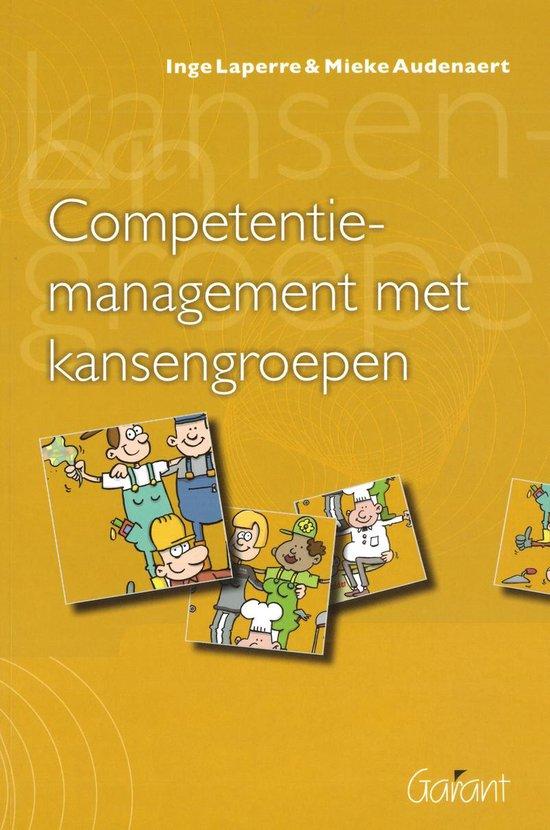
Competentiemanagement met kansengroepen (met cd-rom)
€ 27,90
Competentiemanagement is een beproefd concept dat zijn nut al uitgebreid heeft bewezen. Het werd echter nog maar weinig toegepast op organisaties die met kansengroepen werken. Toch kan het juist hier vele voordelen bieden, zowel voor de werkgever als de werknemer.
Enerzijds streven ook medewerkers uit kansengroepen uiteraard een goed gevoel op de werkvloer na. Anderzijds kunnen organisaties die met kansengroepen werken, competentiemanagement strategisch inschakelen om hun visie te bereiken en meer rendement te halen.
Dit boek biedt een volledig uitgewerkt stappenplan met opdrachten en werkinstrumenten. De auteurs gaan in op concrete vragen als:
Alles wordt gestaafd met tal van praktijkverhalen, voorbeelden en tips.
Doelgroep
HR-verantwoordelijken, leidinggevenden en stafmedewerkers die competentiemanagement willen invoeren of optimaliseren, werkleiders en jobcoaches die medewerkers uit de kansengroepen coachen in hun job.
Inge Laperre en Mieke Audenaert zijn respectievelijk opleidingsverantwoordelijke en procesbegeleider/trainer voor de sector sociale werkplaatsen bij het SST – Samenwerkingsverband Sociale Tewerkstelling in Gent.
Competentiemanagement met kansengroepen (met cd-rom)
€ 27,90
Competentiemanagement is een beproefd concept dat zijn nut al uitgebreid heeft bewezen. Het werd echter nog maar weinig toegepast op organisaties die met kansengroepen werken. Toch kan het juist hier vele voordelen bieden, zowel voor de werkgever als de werknemer.
Enerzijds streven ook medewerkers uit kansengroepen uiteraard een goed gevoel op de werkvloer na. Anderzijds kunnen organisaties die met kansengroepen werken, competentiemanagement strategisch inschakelen om hun visie te bereiken en meer rendement te halen.
Dit boek biedt een volledig uitgewerkt stappenplan met opdrachten en werkinstrumenten. De auteurs gaan in op concrete vragen als:
Alles wordt gestaafd met tal van praktijkverhalen, voorbeelden en tips.
Doelgroep
HR-verantwoordelijken, leidinggevenden en stafmedewerkers die competentiemanagement willen invoeren of optimaliseren, werkleiders en jobcoaches die medewerkers uit de kansengroepen coachen in hun job.
Inge Laperre en Mieke Audenaert zijn respectievelijk opleidingsverantwoordelijke en procesbegeleider/trainer voor de sector sociale werkplaatsen bij het SST – Samenwerkingsverband Sociale Tewerkstelling in Gent.
Opgroeien in Rotterdam. Tegendraads onderzoek in een grote stad
€ 27,70
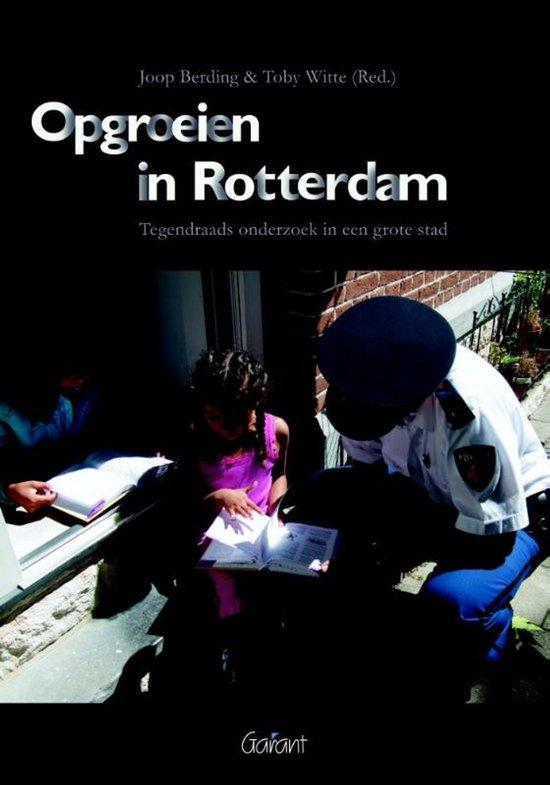
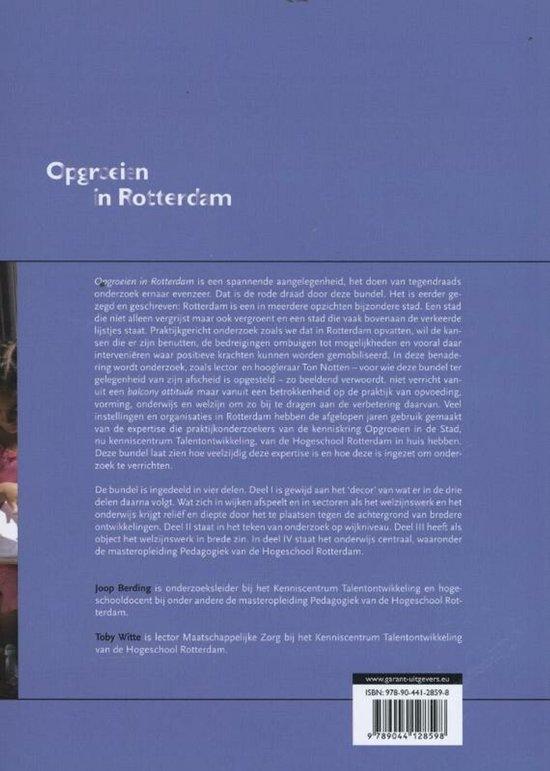
Opgroeien in Rotterdam is een spannende aangelegenheid, het doen van tegendraads
onderzoek ernaar evenzeer. Dat is de rode draad door deze bundel. Het is eerder gezegd
en geschreven: Rotterdam is een in meerdere opzichten bijzondere stad. Een stad
die niet alleen vergrijst maar ook vergroent en een stad die vaak bovenaan de verkeerde
lijstjes staat. Praktijkgericht onderzoek zoals we dat in Rotterdam opvatten, wil de kansen
die er zijn benutten, de bedreigingen ombuigen tot mogelijkheden en vooral daar
interveniëren waar positieve krachten kunnen worden gemobiliseerd.
In deze benadering wordt onderzoek, zoals lector en hoogleraar Ton Notten – voor wie deze bundel ter gelegenheid van zijn afscheid is opgesteld - zo beeldend verwoordt, niet verricht vanuit een balcony attitude maar vanuit een betrokkenheid op de praktijk van opvoeding, vorming, onderwijs en welzijn om zo bij te dragen aan de verbetering daarvan. Veel instellingen en organisaties in Rotterdam hebben de afgelopen jaren gebruik gemaakt van de expertise die praktijkonderzoekers van de kenniskring Opgroeien in de Stad, nu kenniscentrum Talentontwikkeling, van de Hogeschool Rotterdam in huis hebben. Deze bundel laat zien hoe veelzijdig deze expertise is en hoe deze is ingezet om onderzoek te verrichten.
De bundel is ingedeeld in vier delen. Deel I is gewijd aan het ‘decor’ van wat er in de drie delen daarna volgt. Wat zich in wijken afspeelt en in sectoren als het welzijnswerk en het onderwijs krijgt reliëf en diepte door het te plaatsen tegen de achtergrond van bredere ontwikkelingen. Deel II staat in het teken van onderzoek op wijkniveau. Deel III heeft als object het welzijnswerk in brede zin. In deel IV staat het onderwijs centraal, waaronder de masteropleiding Pedagogiek van de Hogeschool Rotterdam.
Joop Berding is onderzoeksleider bij het Kenniscentrum Talentontwikkeling en hogeschooldocent bij onder andere de masteropleiding Pedagogiek van de Hogeschool Rotterdam.
Toby Witte is lector Maatschappelijke Zorg bij het Kenniscentrum Talent ontwikkeling van de Hogeschool Rotterdam.
In deze benadering wordt onderzoek, zoals lector en hoogleraar Ton Notten – voor wie deze bundel ter gelegenheid van zijn afscheid is opgesteld - zo beeldend verwoordt, niet verricht vanuit een balcony attitude maar vanuit een betrokkenheid op de praktijk van opvoeding, vorming, onderwijs en welzijn om zo bij te dragen aan de verbetering daarvan. Veel instellingen en organisaties in Rotterdam hebben de afgelopen jaren gebruik gemaakt van de expertise die praktijkonderzoekers van de kenniskring Opgroeien in de Stad, nu kenniscentrum Talentontwikkeling, van de Hogeschool Rotterdam in huis hebben. Deze bundel laat zien hoe veelzijdig deze expertise is en hoe deze is ingezet om onderzoek te verrichten.
De bundel is ingedeeld in vier delen. Deel I is gewijd aan het ‘decor’ van wat er in de drie delen daarna volgt. Wat zich in wijken afspeelt en in sectoren als het welzijnswerk en het onderwijs krijgt reliëf en diepte door het te plaatsen tegen de achtergrond van bredere ontwikkelingen. Deel II staat in het teken van onderzoek op wijkniveau. Deel III heeft als object het welzijnswerk in brede zin. In deel IV staat het onderwijs centraal, waaronder de masteropleiding Pedagogiek van de Hogeschool Rotterdam.
Joop Berding is onderzoeksleider bij het Kenniscentrum Talentontwikkeling en hogeschooldocent bij onder andere de masteropleiding Pedagogiek van de Hogeschool Rotterdam.
Toby Witte is lector Maatschappelijke Zorg bij het Kenniscentrum Talent ontwikkeling van de Hogeschool Rotterdam.
Opgroeien in Rotterdam. Tegendraads onderzoek in een grote stad
€ 27,70
Opgroeien in Rotterdam is een spannende aangelegenheid, het doen van tegendraads
onderzoek ernaar evenzeer. Dat is de rode draad door deze bundel. Het is eerder gezegd
en geschreven: Rotterdam is een in meerdere opzichten bijzondere stad. Een stad
die niet alleen vergrijst maar ook vergroent en een stad die vaak bovenaan de verkeerde
lijstjes staat. Praktijkgericht onderzoek zoals we dat in Rotterdam opvatten, wil de kansen
die er zijn benutten, de bedreigingen ombuigen tot mogelijkheden en vooral daar
interveniëren waar positieve krachten kunnen worden gemobiliseerd.
In deze benadering wordt onderzoek, zoals lector en hoogleraar Ton Notten – voor wie deze bundel ter gelegenheid van zijn afscheid is opgesteld - zo beeldend verwoordt, niet verricht vanuit een balcony attitude maar vanuit een betrokkenheid op de praktijk van opvoeding, vorming, onderwijs en welzijn om zo bij te dragen aan de verbetering daarvan. Veel instellingen en organisaties in Rotterdam hebben de afgelopen jaren gebruik gemaakt van de expertise die praktijkonderzoekers van de kenniskring Opgroeien in de Stad, nu kenniscentrum Talentontwikkeling, van de Hogeschool Rotterdam in huis hebben. Deze bundel laat zien hoe veelzijdig deze expertise is en hoe deze is ingezet om onderzoek te verrichten.
De bundel is ingedeeld in vier delen. Deel I is gewijd aan het ‘decor’ van wat er in de drie delen daarna volgt. Wat zich in wijken afspeelt en in sectoren als het welzijnswerk en het onderwijs krijgt reliëf en diepte door het te plaatsen tegen de achtergrond van bredere ontwikkelingen. Deel II staat in het teken van onderzoek op wijkniveau. Deel III heeft als object het welzijnswerk in brede zin. In deel IV staat het onderwijs centraal, waaronder de masteropleiding Pedagogiek van de Hogeschool Rotterdam.
Joop Berding is onderzoeksleider bij het Kenniscentrum Talentontwikkeling en hogeschooldocent bij onder andere de masteropleiding Pedagogiek van de Hogeschool Rotterdam.
Toby Witte is lector Maatschappelijke Zorg bij het Kenniscentrum Talent ontwikkeling van de Hogeschool Rotterdam.
In deze benadering wordt onderzoek, zoals lector en hoogleraar Ton Notten – voor wie deze bundel ter gelegenheid van zijn afscheid is opgesteld - zo beeldend verwoordt, niet verricht vanuit een balcony attitude maar vanuit een betrokkenheid op de praktijk van opvoeding, vorming, onderwijs en welzijn om zo bij te dragen aan de verbetering daarvan. Veel instellingen en organisaties in Rotterdam hebben de afgelopen jaren gebruik gemaakt van de expertise die praktijkonderzoekers van de kenniskring Opgroeien in de Stad, nu kenniscentrum Talentontwikkeling, van de Hogeschool Rotterdam in huis hebben. Deze bundel laat zien hoe veelzijdig deze expertise is en hoe deze is ingezet om onderzoek te verrichten.
De bundel is ingedeeld in vier delen. Deel I is gewijd aan het ‘decor’ van wat er in de drie delen daarna volgt. Wat zich in wijken afspeelt en in sectoren als het welzijnswerk en het onderwijs krijgt reliëf en diepte door het te plaatsen tegen de achtergrond van bredere ontwikkelingen. Deel II staat in het teken van onderzoek op wijkniveau. Deel III heeft als object het welzijnswerk in brede zin. In deel IV staat het onderwijs centraal, waaronder de masteropleiding Pedagogiek van de Hogeschool Rotterdam.
Joop Berding is onderzoeksleider bij het Kenniscentrum Talentontwikkeling en hogeschooldocent bij onder andere de masteropleiding Pedagogiek van de Hogeschool Rotterdam.
Toby Witte is lector Maatschappelijke Zorg bij het Kenniscentrum Talent ontwikkeling van de Hogeschool Rotterdam.
Begeleiding van slechtziende kleuters in de gewone school (SEN-Publicaties, nr. 7)
€ 26,00
Vele blinde en slechtziende kleuters gaan naar een gewone kleuterschool. Toch is het niet altijd evident om deze kinderen op een gepaste manier te begeleiden. Vanuit deze vaststelling werd door de medewerkers van Centrum Ganspoel een werkboek met praktische adviezen samengesteld.
Concreet is dit boek opgebouwd uit 3 onderdelen:
Hoewel dit boek geschreven werd met de doelgroep van slechtziende kleuters in het achterhoofd, zijn de informatie en de adviezen niet enkel bruikbaar voor het personeel in kleuterscholen. Ook professionelen die slechtziende kleuters begeleiden in buitenschoolse opvang of vrijetijdsinitiatieven, CLB-medewerkers, GON-begeleiders of kinderverzorgsters in een kinderdagverblijf kunnen uit dit boek heel wat nuttige tips halen.
Leo Delaet is klinisch kinderpsycholoog. Hij is verantwoordelijk voor de dienst thuisbegeleiding van Centrum Ganspoel. Hij is in Ganspoel betrokken bij de werking van de dienst geïntegreerd onderwijs voor kleuters met een visuele beperking.
SEN is erkend en gesubsidieerd door het VAPH en coördineert en stimuleert de ontwikkeling en de verspreiding van expertise inzake preventie, diagnose en behandeling van mensen met een handicap. SEN brengt professionelen met elkaar in contact zodat ze hun expertise verder kunnen ontwikkelen of delen en uitwisselen met anderen.
Meer informatie over SEN op www.senvzw.be.
Begeleiding van slechtziende kleuters in de gewone school (SEN-Publicaties, nr. 7)
€ 26,00
Vele blinde en slechtziende kleuters gaan naar een gewone kleuterschool. Toch is het niet altijd evident om deze kinderen op een gepaste manier te begeleiden. Vanuit deze vaststelling werd door de medewerkers van Centrum Ganspoel een werkboek met praktische adviezen samengesteld.
Concreet is dit boek opgebouwd uit 3 onderdelen:
Hoewel dit boek geschreven werd met de doelgroep van slechtziende kleuters in het achterhoofd, zijn de informatie en de adviezen niet enkel bruikbaar voor het personeel in kleuterscholen. Ook professionelen die slechtziende kleuters begeleiden in buitenschoolse opvang of vrijetijdsinitiatieven, CLB-medewerkers, GON-begeleiders of kinderverzorgsters in een kinderdagverblijf kunnen uit dit boek heel wat nuttige tips halen.
Leo Delaet is klinisch kinderpsycholoog. Hij is verantwoordelijk voor de dienst thuisbegeleiding van Centrum Ganspoel. Hij is in Ganspoel betrokken bij de werking van de dienst geïntegreerd onderwijs voor kleuters met een visuele beperking.
SEN is erkend en gesubsidieerd door het VAPH en coördineert en stimuleert de ontwikkeling en de verspreiding van expertise inzake preventie, diagnose en behandeling van mensen met een handicap. SEN brengt professionelen met elkaar in contact zodat ze hun expertise verder kunnen ontwikkelen of delen en uitwisselen met anderen.
Meer informatie over SEN op www.senvzw.be.
Macroeconomics and beyond. Essays in honour of Wim Meeusen
€ 39,90
De macro-economische wetenschap – en tot op zekere hoogte de hele economische wetenschap – is in een staat van beroering. Economen worden in het defensief gedrongen door kritiek vanuit brede lagen van de maatschappij. Velen zijn van oordeel dat macro-economen niet over de kennis beschikken om de complexe werking van de moderne economieën te doorgronden. Daarenboven zijn economen het blijvend oneens over welk beleid moet worden gevoerd. Het lijdt geen twijfel dat die kritiek veel waarheid bevat, en economen erkennen zelf dat het tijd is voor verandering. Maar het zou niettemin dwaas zijn om alle (macro-)economisch onderzoek af te doen als nutteloos en futiel. Economen hebben wel degelijk interessante dingen te zeggen over de wereld waarin we leven.
Macroeconomics and Beyond is geschreven om eer te betuigen aan macro-econoom Wim Meeusen, ter gelegenheid van zijn emeritaat aan de Universiteit Antwerpen. Het bevat een verzameling van twintig essays die tekenend zijn voor de grote variëteit aan benaderingen en thema’s bestudeerd door moderne economen. Het boek bestaat uit zes delen: macro-economische theorie; macro-econometrische analyse; internationale economie en Europese integratie; migratie en ontwikkeling; economisch gedrag; en methodologie. Sommige essays bevatten kritische reflecties over de huidige toestand van de macro-economische wetenschap; in andere bijdragen worden economische modellen en technieken toegepast om inzicht te krijgen in specifieke macro-economische problemen; en er zijn ook een aantal papers die voorbij de grens van de macro-economie gaan. De auteurs – een mengeling van gevestigde en jonge onderzoekers – komen uit een brede waaier van Europese en niet-Europese landen.
Guido Erreygers is gewoon hoogleraar economie en voorzitter van het Departement Algemene Economie aan de Universiteit Antwerpen.
Mieke Vermeire is administratief coördinator van de Erasmus Mundus Master Course Degree in Economics of Globalisation and European Integration aan de Universiteit Antwerpen.
Macroeconomics and Beyond is geschreven om eer te betuigen aan macro-econoom Wim Meeusen, ter gelegenheid van zijn emeritaat aan de Universiteit Antwerpen. Het bevat een verzameling van twintig essays die tekenend zijn voor de grote variëteit aan benaderingen en thema’s bestudeerd door moderne economen. Het boek bestaat uit zes delen: macro-economische theorie; macro-econometrische analyse; internationale economie en Europese integratie; migratie en ontwikkeling; economisch gedrag; en methodologie. Sommige essays bevatten kritische reflecties over de huidige toestand van de macro-economische wetenschap; in andere bijdragen worden economische modellen en technieken toegepast om inzicht te krijgen in specifieke macro-economische problemen; en er zijn ook een aantal papers die voorbij de grens van de macro-economie gaan. De auteurs – een mengeling van gevestigde en jonge onderzoekers – komen uit een brede waaier van Europese en niet-Europese landen.
Guido Erreygers is gewoon hoogleraar economie en voorzitter van het Departement Algemene Economie aan de Universiteit Antwerpen.
Mieke Vermeire is administratief coördinator van de Erasmus Mundus Master Course Degree in Economics of Globalisation and European Integration aan de Universiteit Antwerpen.
Macroeconomics and beyond. Essays in honour of Wim Meeusen
€ 39,90
De macro-economische wetenschap – en tot op zekere hoogte de hele economische wetenschap – is in een staat van beroering. Economen worden in het defensief gedrongen door kritiek vanuit brede lagen van de maatschappij. Velen zijn van oordeel dat macro-economen niet over de kennis beschikken om de complexe werking van de moderne economieën te doorgronden. Daarenboven zijn economen het blijvend oneens over welk beleid moet worden gevoerd. Het lijdt geen twijfel dat die kritiek veel waarheid bevat, en economen erkennen zelf dat het tijd is voor verandering. Maar het zou niettemin dwaas zijn om alle (macro-)economisch onderzoek af te doen als nutteloos en futiel. Economen hebben wel degelijk interessante dingen te zeggen over de wereld waarin we leven.
Macroeconomics and Beyond is geschreven om eer te betuigen aan macro-econoom Wim Meeusen, ter gelegenheid van zijn emeritaat aan de Universiteit Antwerpen. Het bevat een verzameling van twintig essays die tekenend zijn voor de grote variëteit aan benaderingen en thema’s bestudeerd door moderne economen. Het boek bestaat uit zes delen: macro-economische theorie; macro-econometrische analyse; internationale economie en Europese integratie; migratie en ontwikkeling; economisch gedrag; en methodologie. Sommige essays bevatten kritische reflecties over de huidige toestand van de macro-economische wetenschap; in andere bijdragen worden economische modellen en technieken toegepast om inzicht te krijgen in specifieke macro-economische problemen; en er zijn ook een aantal papers die voorbij de grens van de macro-economie gaan. De auteurs – een mengeling van gevestigde en jonge onderzoekers – komen uit een brede waaier van Europese en niet-Europese landen.
Guido Erreygers is gewoon hoogleraar economie en voorzitter van het Departement Algemene Economie aan de Universiteit Antwerpen.
Mieke Vermeire is administratief coördinator van de Erasmus Mundus Master Course Degree in Economics of Globalisation and European Integration aan de Universiteit Antwerpen.
Macroeconomics and Beyond is geschreven om eer te betuigen aan macro-econoom Wim Meeusen, ter gelegenheid van zijn emeritaat aan de Universiteit Antwerpen. Het bevat een verzameling van twintig essays die tekenend zijn voor de grote variëteit aan benaderingen en thema’s bestudeerd door moderne economen. Het boek bestaat uit zes delen: macro-economische theorie; macro-econometrische analyse; internationale economie en Europese integratie; migratie en ontwikkeling; economisch gedrag; en methodologie. Sommige essays bevatten kritische reflecties over de huidige toestand van de macro-economische wetenschap; in andere bijdragen worden economische modellen en technieken toegepast om inzicht te krijgen in specifieke macro-economische problemen; en er zijn ook een aantal papers die voorbij de grens van de macro-economie gaan. De auteurs – een mengeling van gevestigde en jonge onderzoekers – komen uit een brede waaier van Europese en niet-Europese landen.
Guido Erreygers is gewoon hoogleraar economie en voorzitter van het Departement Algemene Economie aan de Universiteit Antwerpen.
Mieke Vermeire is administratief coördinator van de Erasmus Mundus Master Course Degree in Economics of Globalisation and European Integration aan de Universiteit Antwerpen.
De onderwijsbubbel
€ 31,90
In de jaren negentig besloot de Nederlandse overheid dat scholen autonoom moesten worden. De scholen kregen een zak met geld gebaseerd op het aantal ingeschreven studenten en de hoeveelheid verstrekte diploma''s. Onderwijsinstellingen mochten voortaan zelf bepalen waaraan zij dat geld uitgaven. Door deze perverse prikkels - kwantiteit boven kwaliteit - werden vooral de scholen voor beroepsonderwijs almaar groter terwijl het niveau van zowel docenten als studenten zienderogen daalde. Simpele onderkomens van scholen werden met de miljoenen die voor onderwijs bedoeld waren, omgebouwd tot ware oefenobjecten voor architecten. Het adagium "hoe mooier het gebouw, hoe armer het onderwijs" was en is nog steeds veelgehoord. Bestuurders beloonden zichzelf met enorme salarissen en emolumenten die pasten bij hun "positie". De docenten werden gemarginaliseerd en gedeprofessionaliseerd en vervangen door onbevoegden omdat "kennis niet meer belangrijk" werd geacht. Bestuurders bepaalden voortaan wat docenten in de klas moesten doen, beter gezegd, niet meer mochten doen. Studenten en scholieren werden "klanten" en "deelnemers" die geld opbrengen.
Vooral in het beroepsonderwijs ging het regelmatig mis. De ene onderwijsinstelling verstrekte vrij gemakkelijk diploma''s om daarmee meer overheidsgeld te verkrijgen terwijl de andere fraudeerde met instroomcijfers. Ondertussen daalde Nederland ieder jaar op internationale onderwijskwaliteitslijsten en door het lagere niveau bleek zo langzamerhand bijna iedereen in staat hoger onderwijs te volgen. Beter Onderwijs Nederland (BON), opgericht in 2006, bond de strijd aan met deze belastinggeldverspillers en vooral "onderwijsvernielers"; niet alleen om de problemen vast te stellen maar vooral om met oplossingen te komen. Dit boek is een bloemlezing van ervaringen, beschouwingen en anekdotes van docenten, ouders, studenten en leerlingen. Het is een huiveringwekkende weergave van de onderwijswerkelijkheid en tegelijkertijd een oproep om de handen uit de mouwen te steken. Daarom eindigt het boek met een verkorte weergave van het Deltaplan onderwijs dat BON in 2011 aan de minister van Onderwijs Marja van Bijsterveldt aanbood. In dit Deltaplan signaleert en analyseert BON de problemen en komt zij met verbetervoorstellen voor de besturing en (financiële) inrichting van het Nederlandse onderwijs.
Vooral in het beroepsonderwijs ging het regelmatig mis. De ene onderwijsinstelling verstrekte vrij gemakkelijk diploma''s om daarmee meer overheidsgeld te verkrijgen terwijl de andere fraudeerde met instroomcijfers. Ondertussen daalde Nederland ieder jaar op internationale onderwijskwaliteitslijsten en door het lagere niveau bleek zo langzamerhand bijna iedereen in staat hoger onderwijs te volgen. Beter Onderwijs Nederland (BON), opgericht in 2006, bond de strijd aan met deze belastinggeldverspillers en vooral "onderwijsvernielers"; niet alleen om de problemen vast te stellen maar vooral om met oplossingen te komen. Dit boek is een bloemlezing van ervaringen, beschouwingen en anekdotes van docenten, ouders, studenten en leerlingen. Het is een huiveringwekkende weergave van de onderwijswerkelijkheid en tegelijkertijd een oproep om de handen uit de mouwen te steken. Daarom eindigt het boek met een verkorte weergave van het Deltaplan onderwijs dat BON in 2011 aan de minister van Onderwijs Marja van Bijsterveldt aanbood. In dit Deltaplan signaleert en analyseert BON de problemen en komt zij met verbetervoorstellen voor de besturing en (financiële) inrichting van het Nederlandse onderwijs.
De onderwijsbubbel
€ 31,90
In de jaren negentig besloot de Nederlandse overheid dat scholen autonoom moesten worden. De scholen kregen een zak met geld gebaseerd op het aantal ingeschreven studenten en de hoeveelheid verstrekte diploma''s. Onderwijsinstellingen mochten voortaan zelf bepalen waaraan zij dat geld uitgaven. Door deze perverse prikkels - kwantiteit boven kwaliteit - werden vooral de scholen voor beroepsonderwijs almaar groter terwijl het niveau van zowel docenten als studenten zienderogen daalde. Simpele onderkomens van scholen werden met de miljoenen die voor onderwijs bedoeld waren, omgebouwd tot ware oefenobjecten voor architecten. Het adagium "hoe mooier het gebouw, hoe armer het onderwijs" was en is nog steeds veelgehoord. Bestuurders beloonden zichzelf met enorme salarissen en emolumenten die pasten bij hun "positie". De docenten werden gemarginaliseerd en gedeprofessionaliseerd en vervangen door onbevoegden omdat "kennis niet meer belangrijk" werd geacht. Bestuurders bepaalden voortaan wat docenten in de klas moesten doen, beter gezegd, niet meer mochten doen. Studenten en scholieren werden "klanten" en "deelnemers" die geld opbrengen.
Vooral in het beroepsonderwijs ging het regelmatig mis. De ene onderwijsinstelling verstrekte vrij gemakkelijk diploma''s om daarmee meer overheidsgeld te verkrijgen terwijl de andere fraudeerde met instroomcijfers. Ondertussen daalde Nederland ieder jaar op internationale onderwijskwaliteitslijsten en door het lagere niveau bleek zo langzamerhand bijna iedereen in staat hoger onderwijs te volgen. Beter Onderwijs Nederland (BON), opgericht in 2006, bond de strijd aan met deze belastinggeldverspillers en vooral "onderwijsvernielers"; niet alleen om de problemen vast te stellen maar vooral om met oplossingen te komen. Dit boek is een bloemlezing van ervaringen, beschouwingen en anekdotes van docenten, ouders, studenten en leerlingen. Het is een huiveringwekkende weergave van de onderwijswerkelijkheid en tegelijkertijd een oproep om de handen uit de mouwen te steken. Daarom eindigt het boek met een verkorte weergave van het Deltaplan onderwijs dat BON in 2011 aan de minister van Onderwijs Marja van Bijsterveldt aanbood. In dit Deltaplan signaleert en analyseert BON de problemen en komt zij met verbetervoorstellen voor de besturing en (financiële) inrichting van het Nederlandse onderwijs.
Vooral in het beroepsonderwijs ging het regelmatig mis. De ene onderwijsinstelling verstrekte vrij gemakkelijk diploma''s om daarmee meer overheidsgeld te verkrijgen terwijl de andere fraudeerde met instroomcijfers. Ondertussen daalde Nederland ieder jaar op internationale onderwijskwaliteitslijsten en door het lagere niveau bleek zo langzamerhand bijna iedereen in staat hoger onderwijs te volgen. Beter Onderwijs Nederland (BON), opgericht in 2006, bond de strijd aan met deze belastinggeldverspillers en vooral "onderwijsvernielers"; niet alleen om de problemen vast te stellen maar vooral om met oplossingen te komen. Dit boek is een bloemlezing van ervaringen, beschouwingen en anekdotes van docenten, ouders, studenten en leerlingen. Het is een huiveringwekkende weergave van de onderwijswerkelijkheid en tegelijkertijd een oproep om de handen uit de mouwen te steken. Daarom eindigt het boek met een verkorte weergave van het Deltaplan onderwijs dat BON in 2011 aan de minister van Onderwijs Marja van Bijsterveldt aanbood. In dit Deltaplan signaleert en analyseert BON de problemen en komt zij met verbetervoorstellen voor de besturing en (financiële) inrichting van het Nederlandse onderwijs.