
Descriptieve statistiek voor bedrijfskundigen
Dit werk is een introductie in de descriptieve statistiek waarin onder andere volgende onderwerpen aan de beurt komen: grafieken, populatieparameters, steekproefgrootheden, indexcijfers, regressie, enz.
De statistische berekeningen worden in talrijke mate uitgevoerd met MS Excel en in een afzonderlijk boekdeel zijn een aantal oefeningen met oplossingen ervan opgenomen.
Het boek is bestemd voor het bedrijfskundig hoger onderwijs en voor iedereen die in de behandelde materie een inzicht wil verwerven.
dr. Jacques Van Der Elst is doctor in business administration en doceerde op academisch en hogeschoolniveau vakken zoals statistiek, financiële wiskunde, financieel management, financiële analyse, beleggingsleer, bedrijfseconomie en cost accounting. Zijn meer dan 50 publicaties situeren zich in de domeinen van de toegepaste wiskunde, het financieel management, de bedrijfseconomie en de accountancy.
Bij dit boek hoort ook een apart boek met oefeningen en oplossingen: “Descriptieve statistiek voor bedrijfskundigen. Oefeningen en oplossingen”, 9789046612590
Descriptieve statistiek voor bedrijfskundigen
Dit werk is een introductie in de descriptieve statistiek waarin onder andere volgende onderwerpen aan de beurt komen: grafieken, populatieparameters, steekproefgrootheden, indexcijfers, regressie, enz.
De statistische berekeningen worden in talrijke mate uitgevoerd met MS Excel en in een afzonderlijk boekdeel zijn een aantal oefeningen met oplossingen ervan opgenomen.
Het boek is bestemd voor het bedrijfskundig hoger onderwijs en voor iedereen die in de behandelde materie een inzicht wil verwerven.
dr. Jacques Van Der Elst is doctor in business administration en doceerde op academisch en hogeschoolniveau vakken zoals statistiek, financiële wiskunde, financieel management, financiële analyse, beleggingsleer, bedrijfseconomie en cost accounting. Zijn meer dan 50 publicaties situeren zich in de domeinen van de toegepaste wiskunde, het financieel management, de bedrijfseconomie en de accountancy.
Bij dit boek hoort ook een apart boek met oefeningen en oplossingen: “Descriptieve statistiek voor bedrijfskundigen. Oefeningen en oplossingen”, 9789046612590
Van 100 naar 200 arbeidsongevallen. Relatie tussen veiligheidsleiderschap, risicoanalyse en veilig gedrag (Deel 3)
In deze korte periode van menselijk leven tussen geboorte en sterven kunnen we het slachtoffer zijn van een (arbeids)ongeval of een ziekte. Dat is de menselijke conditie en daar moeten we – binnen bepaalde grenzen – het beste van maken. Dit wil zeggen dat we alle redelijke maatregelen moeten nemen om arbeidsongevallen te voorkomen. ‘Redelijke’ preventiemaatregelen wil zeggen dat er jammer genoeg ook vele ‘onredelijke’ maatregelen zijn. Onredelijke maatregelen hebben een gebrek aan redelijkheid. Het kan zijn dat deze maatregelen buitenproportioneel zijn dan wel gebaseerd op foutieve uitgangspunten. Foutieve uitgangspunten in de veiligheidskunde zijn bijvoorbeeld: ‘elk arbeidsongeval is te voorkomen’, ‘veiligheid komt op de eerste plaats’, ‘iedereen moet toch veilig kunnen thuiskomen’, ‘een modern veiligheidsmanagement is gebaseerd op de minimale naleving van de wetgeving’, ‘de risicobeoordeling is de basis van een modern veiligheidsmanagement’, enz. Iedereen weet wel dat deze onredelijke uitgangspunten een vorm van misfocus zijn die aanwezig is bij sommige preventieadviseurs.
Deze onredelijke uitgangspunten hebben als nadelig gevolg dat er een exponentiële toename is van veiligheidsactiviteiten die geen van de in het boek beschreven ongevallen zouden hebben voorkomen. Preventiemaatregelen die worden genomen zonder dat ze arbeidsongevallen voorkomen, zijn dan ook eerder onredelijk dan redelijk. Er kunnen wel verklaringen worden gegeven waarom onredelijke maatregelen in voege zijn, maar deze maatregelen blijven onredelijk.
Dit nieuwe boek bespreekt dus niet de verouderde visie op veilig werken waar gekeken wordt naar de gebeurde ongevallen en/of incidenten. Een andere en modernere visie is om te kijken naar wat goed gaat: de redenen waarom ongevallen niet gebeuren of niet gebeurden. Dit doe ik aan de hand van 100 werkelijk gebeurde ongevallen. Het gebruik van deze cases, met de toepassing van de wet- en regelgeving op het ongeval, laat toe aan de preventieadviseur om een betere kennis te verwerven van deze complexe wet- en regelgeving. De persoonlijke bespreking die ik geef van het ongeval, blijft een persoonlijke visie die eveneens – zoals mijn kritiek op de traditionele en bureaucratische veiligheid – vatbaar is voor kritiek. En daar is niets mis mee.
Van 100 naar 200 arbeidsongevallen. Relatie tussen veiligheidsleiderschap, risicoanalyse en veilig gedrag (Deel 3)
In deze korte periode van menselijk leven tussen geboorte en sterven kunnen we het slachtoffer zijn van een (arbeids)ongeval of een ziekte. Dat is de menselijke conditie en daar moeten we – binnen bepaalde grenzen – het beste van maken. Dit wil zeggen dat we alle redelijke maatregelen moeten nemen om arbeidsongevallen te voorkomen. ‘Redelijke’ preventiemaatregelen wil zeggen dat er jammer genoeg ook vele ‘onredelijke’ maatregelen zijn. Onredelijke maatregelen hebben een gebrek aan redelijkheid. Het kan zijn dat deze maatregelen buitenproportioneel zijn dan wel gebaseerd op foutieve uitgangspunten. Foutieve uitgangspunten in de veiligheidskunde zijn bijvoorbeeld: ‘elk arbeidsongeval is te voorkomen’, ‘veiligheid komt op de eerste plaats’, ‘iedereen moet toch veilig kunnen thuiskomen’, ‘een modern veiligheidsmanagement is gebaseerd op de minimale naleving van de wetgeving’, ‘de risicobeoordeling is de basis van een modern veiligheidsmanagement’, enz. Iedereen weet wel dat deze onredelijke uitgangspunten een vorm van misfocus zijn die aanwezig is bij sommige preventieadviseurs.
Deze onredelijke uitgangspunten hebben als nadelig gevolg dat er een exponentiële toename is van veiligheidsactiviteiten die geen van de in het boek beschreven ongevallen zouden hebben voorkomen. Preventiemaatregelen die worden genomen zonder dat ze arbeidsongevallen voorkomen, zijn dan ook eerder onredelijk dan redelijk. Er kunnen wel verklaringen worden gegeven waarom onredelijke maatregelen in voege zijn, maar deze maatregelen blijven onredelijk.
Dit nieuwe boek bespreekt dus niet de verouderde visie op veilig werken waar gekeken wordt naar de gebeurde ongevallen en/of incidenten. Een andere en modernere visie is om te kijken naar wat goed gaat: de redenen waarom ongevallen niet gebeuren of niet gebeurden. Dit doe ik aan de hand van 100 werkelijk gebeurde ongevallen. Het gebruik van deze cases, met de toepassing van de wet- en regelgeving op het ongeval, laat toe aan de preventieadviseur om een betere kennis te verwerven van deze complexe wet- en regelgeving. De persoonlijke bespreking die ik geef van het ongeval, blijft een persoonlijke visie die eveneens – zoals mijn kritiek op de traditionele en bureaucratische veiligheid – vatbaar is voor kritiek. En daar is niets mis mee.
De Belgische Grondwet van 1831 tot vandaag. Een constitutionele ontdekkingsreis in woord en beeld
Met dit boek wordt de lezer een inleiding tot de Belgische Grondwet aangereikt, waarbij wordt ingegaan op de genese en karakteristieken van de Belgische Constitutie van 1831 en de opvolgende fundamentele transformatie van deze Staatswet door de ‘grote’ herzieningen ervan: de grondwetsherzieningen van 1893 en 1921 die hebben geleid tot de democratisering van het stemrecht en de diverse grondwetsherzieningen sinds 1970 die België hebben omgevormd van een unitaire tot een federale Staat. De behandelde grondwettelijke normen, begrippen en principes worden niet alleen rechtshistorisch benaderd; er wordt ook ingegaan op hun actuele betekenis, invulling en draagwijdte, zoals geduid door de constitutionele rechtspraktijk. In een afzonderlijk deel van het boek wordt de geschiedenis van de Belgische Grondwet in illustraties weergegeven, met afbeeldingen van gebeurtenissen en actoren die op één of andere manier belangrijk zijn geweest voor het Belgisch staatsrechtelijk gebeuren. Daarnaast wordt in dit deel ook aandacht besteed aan de 19e-eeuwse constitutionele iconografie.
Diverse bijlagen en een exhaustief trefwoordenregister zorgen voor een gebruiksvriendelijke ontsluiting van het boek en van de Grondwet die vanzelfsprekend eveneens – in zijn meest recente versie – is opgenomen.
De Belgische Grondwet van 1831 tot vandaag. Een constitutionele ontdekkingsreis in woord en beeld
Met dit boek wordt de lezer een inleiding tot de Belgische Grondwet aangereikt, waarbij wordt ingegaan op de genese en karakteristieken van de Belgische Constitutie van 1831 en de opvolgende fundamentele transformatie van deze Staatswet door de ‘grote’ herzieningen ervan: de grondwetsherzieningen van 1893 en 1921 die hebben geleid tot de democratisering van het stemrecht en de diverse grondwetsherzieningen sinds 1970 die België hebben omgevormd van een unitaire tot een federale Staat. De behandelde grondwettelijke normen, begrippen en principes worden niet alleen rechtshistorisch benaderd; er wordt ook ingegaan op hun actuele betekenis, invulling en draagwijdte, zoals geduid door de constitutionele rechtspraktijk. In een afzonderlijk deel van het boek wordt de geschiedenis van de Belgische Grondwet in illustraties weergegeven, met afbeeldingen van gebeurtenissen en actoren die op één of andere manier belangrijk zijn geweest voor het Belgisch staatsrechtelijk gebeuren. Daarnaast wordt in dit deel ook aandacht besteed aan de 19e-eeuwse constitutionele iconografie.
Diverse bijlagen en een exhaustief trefwoordenregister zorgen voor een gebruiksvriendelijke ontsluiting van het boek en van de Grondwet die vanzelfsprekend eveneens – in zijn meest recente versie – is opgenomen.
Straatnamen vertellen geschiedenis. Het verhaal van Deurne
Elke straat heeft een naam, maar wat gaat er achter die naam schuil? De zoektocht naar Deurnese straatnamen levert een heel stuk geschiedenis van Deurne op. Meer zelfs, ook Antwerpse en algemene geschiedenis duiken hier en daar op. We maken kennis met een aantal historische figuren, met architectuur, met kunstenaars en politici en met nog veel meer. Deurne telt ondertussen meer dan 82.000 inwoners, maar komt van heel ver. Vroeger waren landbouwers in de meerderheid, al hadden eeuwen geleden vele rijke Antwerpenaars voor Deurne gekozen om er een kasteel als buitenverblijf te kopen of te bouwen. Deurne is trouwens niet gespaard gebleven van opstanden, bezettingen en oorlogen, er zijn straten die daaraan herinneren. Kortom, straatnamen vertellen een boeiende geschiedenis.
René De Preter is economist en schreef al enkele werken over economische en maatschappelijke thema’s. Hij publiceerde ook in tijdschriften en verzamelwerken. Nu heeft hij zich aan lokale geschiedenis gewaagd, maar niet zonder voorkennis. Deurne is voor hem bekend terrein. Hij was immers bijna 30 jaar lid van de districtsraad en hij was er ook voorzitter van. Hij was en is nog lid en bestuurder van meerdere Deurnese verenigingen. Eén van die verenigingen is de lokale heemkundige kring Turninum Volksmuseum, een zeer interessante bron voor informatie over de geschiedenis van Deurne.
Straatnamen vertellen geschiedenis. Het verhaal van Deurne
Elke straat heeft een naam, maar wat gaat er achter die naam schuil? De zoektocht naar Deurnese straatnamen levert een heel stuk geschiedenis van Deurne op. Meer zelfs, ook Antwerpse en algemene geschiedenis duiken hier en daar op. We maken kennis met een aantal historische figuren, met architectuur, met kunstenaars en politici en met nog veel meer. Deurne telt ondertussen meer dan 82.000 inwoners, maar komt van heel ver. Vroeger waren landbouwers in de meerderheid, al hadden eeuwen geleden vele rijke Antwerpenaars voor Deurne gekozen om er een kasteel als buitenverblijf te kopen of te bouwen. Deurne is trouwens niet gespaard gebleven van opstanden, bezettingen en oorlogen, er zijn straten die daaraan herinneren. Kortom, straatnamen vertellen een boeiende geschiedenis.
René De Preter is economist en schreef al enkele werken over economische en maatschappelijke thema’s. Hij publiceerde ook in tijdschriften en verzamelwerken. Nu heeft hij zich aan lokale geschiedenis gewaagd, maar niet zonder voorkennis. Deurne is voor hem bekend terrein. Hij was immers bijna 30 jaar lid van de districtsraad en hij was er ook voorzitter van. Hij was en is nog lid en bestuurder van meerdere Deurnese verenigingen. Eén van die verenigingen is de lokale heemkundige kring Turninum Volksmuseum, een zeer interessante bron voor informatie over de geschiedenis van Deurne.
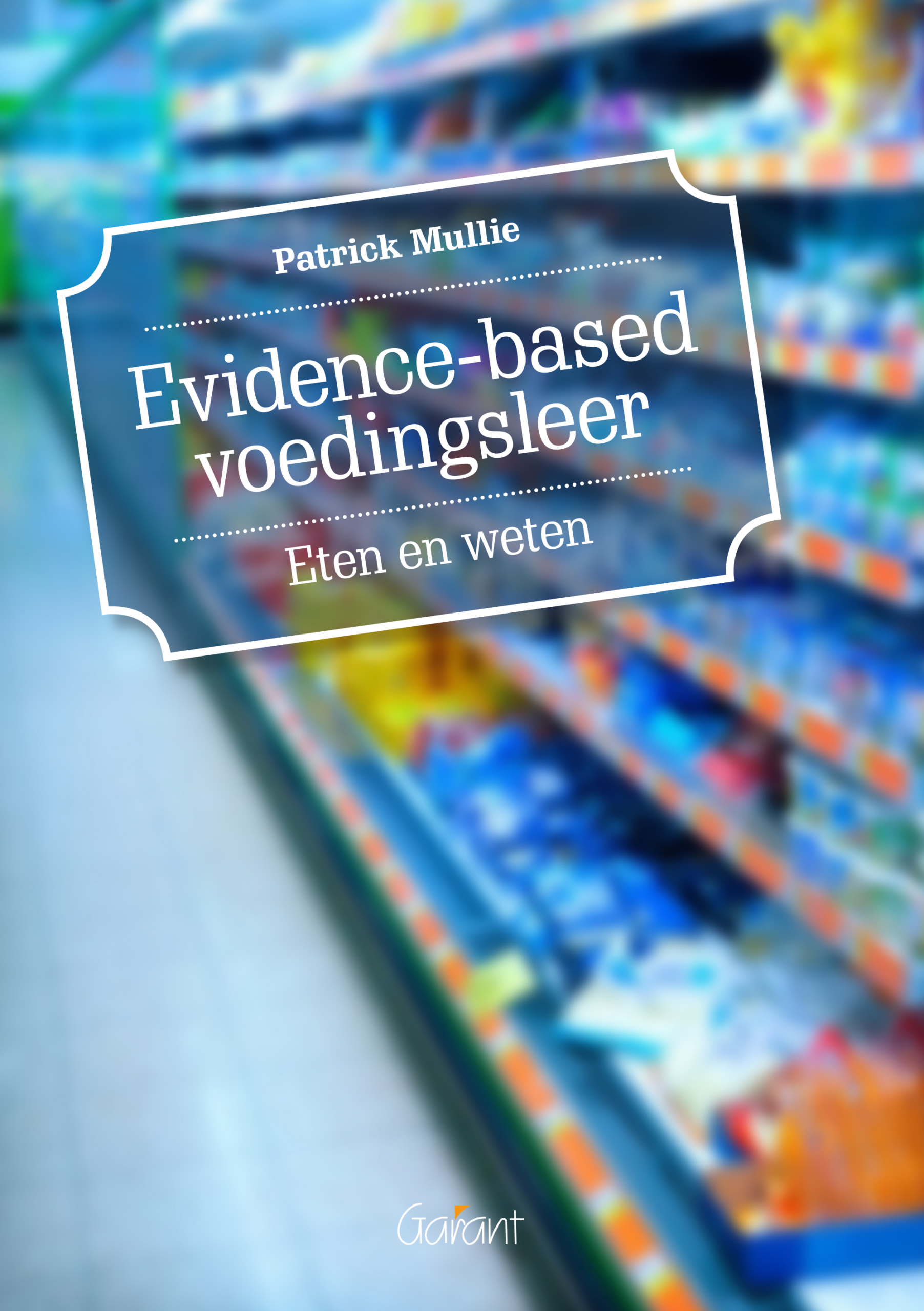
Evidence based voedingsleer. Eten en weten
De voedingswetenschap is zeer complex. Boodschappen die bedacht zijn door marketingafdelingen van grote bedrijven en commerciële vermageringsdiëten, zaaien verwarring bij de consument. De wetenschap wil er het fijne van weten. Wat is zeker waar en wat is zeker niet waar? Op welke vragen heeft de wetenschap tot dusver geen antwoord? Misschien is ze zich van bepaalde vragen nog niet eens bewust? De auteur wil zo veel mogelijk vragen beantwoorden, evidence based, zodat de antwoorden juist zijn. Daarmee maakt hij komaf met onverantwoorde beweringen van voedingsgoeroes, misplaatste acties van marketinglieden enz. Het boek is dan ook bestemd voor iedereen die betrouwbare informatie wil hebben.
Patrick Mullie studeerde voedings- en dieetleer aan de Regaschool in Leuven en epidemiologie aan de Universiteit Maastricht. Hij werd doctor in de biomedische wetenschappen aan de KU Leuven. Momenteel doceert hij aan de Vrije Universiteit Brussel en aan de Erasmushogeschool in Brussel. Daarnaast is hij onderzoeksdirecteur bij het Koningin Astrid Militair Hospitaal in Neder-over-Heembeek, expert bij de Hoge Gezondheidsraad van België en research director bij het International Prevention Research Institute in Lyon
Evidence based voedingsleer. Eten en weten
De voedingswetenschap is zeer complex. Boodschappen die bedacht zijn door marketingafdelingen van grote bedrijven en commerciële vermageringsdiëten, zaaien verwarring bij de consument. De wetenschap wil er het fijne van weten. Wat is zeker waar en wat is zeker niet waar? Op welke vragen heeft de wetenschap tot dusver geen antwoord? Misschien is ze zich van bepaalde vragen nog niet eens bewust? De auteur wil zo veel mogelijk vragen beantwoorden, evidence based, zodat de antwoorden juist zijn. Daarmee maakt hij komaf met onverantwoorde beweringen van voedingsgoeroes, misplaatste acties van marketinglieden enz. Het boek is dan ook bestemd voor iedereen die betrouwbare informatie wil hebben.
Patrick Mullie studeerde voedings- en dieetleer aan de Regaschool in Leuven en epidemiologie aan de Universiteit Maastricht. Hij werd doctor in de biomedische wetenschappen aan de KU Leuven. Momenteel doceert hij aan de Vrije Universiteit Brussel en aan de Erasmushogeschool in Brussel. Daarnaast is hij onderzoeksdirecteur bij het Koningin Astrid Militair Hospitaal in Neder-over-Heembeek, expert bij de Hoge Gezondheidsraad van België en research director bij het International Prevention Research Institute in Lyon

Situational awareness. Recognizing possible threats around you (Series Counterplay No. 2)
In a world where every second counts and every decision can mean the difference between life and death, understanding your environment is essential. For frontline workers in the safety and hospitality sectors, this is a daily reality. But how well do we truly understand our surroundings? And more importantly, how can we improve our situational awareness to respond more effectively to unexpected situations? This book aims to answer these questions and guide you to a deeper understanding of situational awareness.
We promise not only to provide insight into the fundamentals of situational awareness but also to offer practical strategies and exercises to enhance the skills of you and your team. With games and thought exercises, we challenge you to sharpen your observations and reduce your reaction time, preparing you better for potential threats in your environment. Whether you are a hotel receptionist responsible for the safety of guests, a firefighter needing to respond quickly to emergencies, or a security officer on patrol in a museum or a port site, the principles of situational awareness are universally applicable. With the right training and practice, we can work on prevention and safety in our surroundings.
Kim Covent is a consultant with the Ghent local police and has over 14 years of experience in communication and policy at the local level. As an international speaker, she gives lectures and training on observation techniques, non-verbal communication, and proactive security. She focuses on gamification and action learning in spotting and understanding deviant behavior and preparing for a criminal attack.
Wesley De Smet, CPP, is the head of Facility Management at the Ghent Museum of Fine Arts. He is an expert in museum security and crisis management and has previously worked as a consultant for safety & well-being, a prevention advisor, and an emergency planning officer at various government agencies.
Situational awareness. Recognizing possible threats around you (Series Counterplay No. 2)
In a world where every second counts and every decision can mean the difference between life and death, understanding your environment is essential. For frontline workers in the safety and hospitality sectors, this is a daily reality. But how well do we truly understand our surroundings? And more importantly, how can we improve our situational awareness to respond more effectively to unexpected situations? This book aims to answer these questions and guide you to a deeper understanding of situational awareness.
We promise not only to provide insight into the fundamentals of situational awareness but also to offer practical strategies and exercises to enhance the skills of you and your team. With games and thought exercises, we challenge you to sharpen your observations and reduce your reaction time, preparing you better for potential threats in your environment. Whether you are a hotel receptionist responsible for the safety of guests, a firefighter needing to respond quickly to emergencies, or a security officer on patrol in a museum or a port site, the principles of situational awareness are universally applicable. With the right training and practice, we can work on prevention and safety in our surroundings.
Kim Covent is a consultant with the Ghent local police and has over 14 years of experience in communication and policy at the local level. As an international speaker, she gives lectures and training on observation techniques, non-verbal communication, and proactive security. She focuses on gamification and action learning in spotting and understanding deviant behavior and preparing for a criminal attack.
Wesley De Smet, CPP, is the head of Facility Management at the Ghent Museum of Fine Arts. He is an expert in museum security and crisis management and has previously worked as a consultant for safety & well-being, a prevention advisor, and an emergency planning officer at various government agencies.
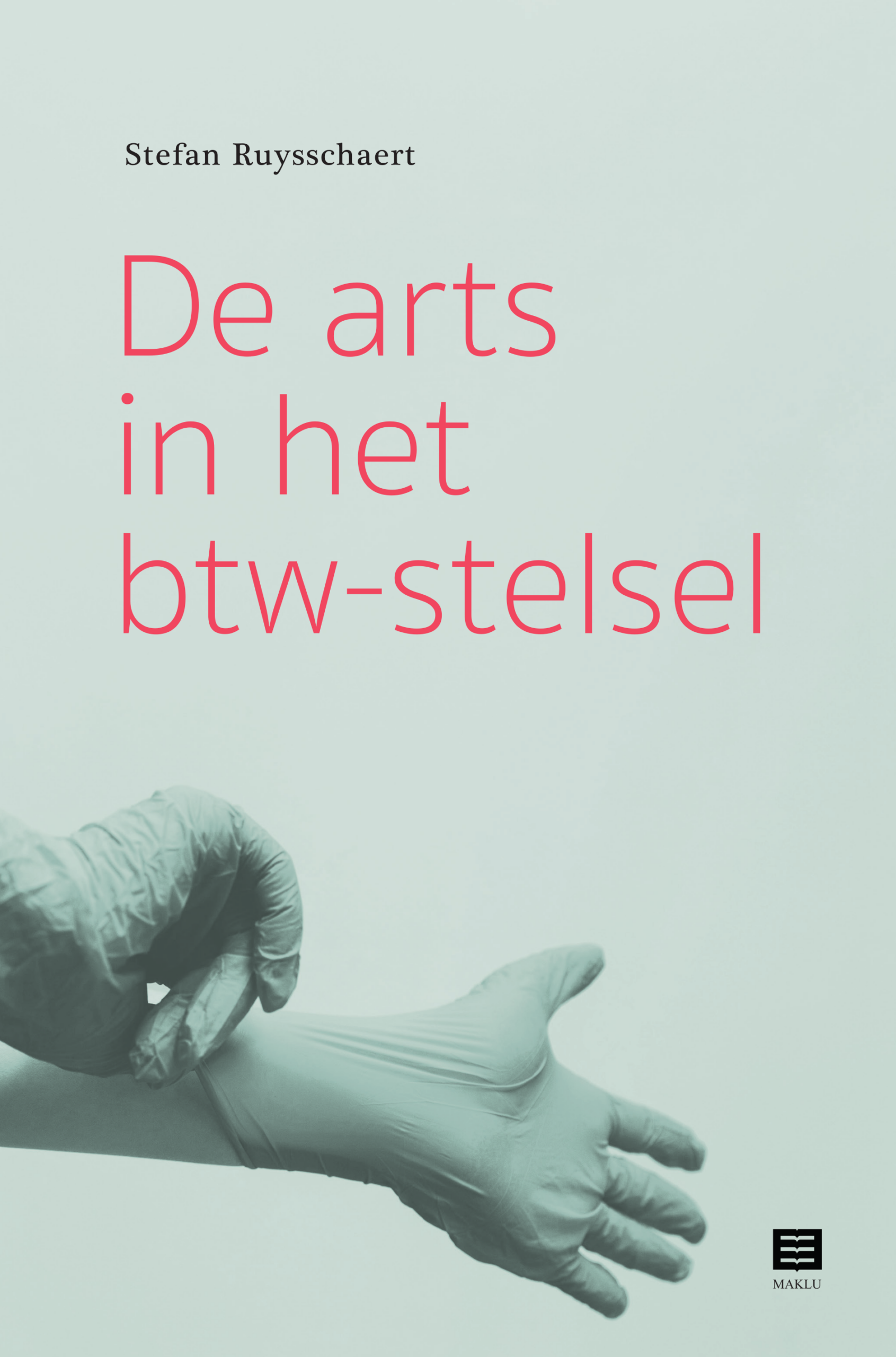
De arts in het btw-stelsel
Het toepassingsgebied van de btw-vrijstelling voor prestaties van de (para)medische beroepen, ziekenhuisverpleging en medische verzorging werd met ingang van 01.01.2016 op een ingrijpende wijze aangepast.
Zo werden de behandelingen met een esthetisch karakter verricht door artsen onder bepaalde voorwaarden uitgesloten van de btw-vrijstelling. Ook voor de ziekenhuisverpleging en de medische verzorging en alle daarmee nauw samenhangende diensten aan personen die een dergelijke behandeling ondergaan in een erkend ziekenhuis, polikliniek, privé-ziekenhuis of kabinet verviel de vrijstelling op die datum.
Dit boek bundelt de beschikbare informatie inzake het btw-statuut van de arts (en paramedicus) en de hieruit voortvloeiende rechten en verplichtingen.
Het boek bespreekt ook de samenwerkingsverbanden tussen artsen (en paramedici) en specifieke regels rond contractonderzoek.
Ook de esthetische ingrepen en hun verwerking in de btw-aangifte komen uitgebreid aan bod.
Stefan Ruysschaert is adviseur bij de FOD Financiën. Hij is o.a. redactielid van Taxwin en het Tijdschrift Huur. Hij doceert het vak btw aan de faculteit Economische Wetenschappen van de UGent en is gastdocent aan de Fiscale Hogeschool (Odisee). Kenmerkend voor zijn boeken en artikelen is de heldere analyse van de btw-vraagstukken.
De arts in het btw-stelsel
Het toepassingsgebied van de btw-vrijstelling voor prestaties van de (para)medische beroepen, ziekenhuisverpleging en medische verzorging werd met ingang van 01.01.2016 op een ingrijpende wijze aangepast.
Zo werden de behandelingen met een esthetisch karakter verricht door artsen onder bepaalde voorwaarden uitgesloten van de btw-vrijstelling. Ook voor de ziekenhuisverpleging en de medische verzorging en alle daarmee nauw samenhangende diensten aan personen die een dergelijke behandeling ondergaan in een erkend ziekenhuis, polikliniek, privé-ziekenhuis of kabinet verviel de vrijstelling op die datum.
Dit boek bundelt de beschikbare informatie inzake het btw-statuut van de arts (en paramedicus) en de hieruit voortvloeiende rechten en verplichtingen.
Het boek bespreekt ook de samenwerkingsverbanden tussen artsen (en paramedici) en specifieke regels rond contractonderzoek.
Ook de esthetische ingrepen en hun verwerking in de btw-aangifte komen uitgebreid aan bod.
Stefan Ruysschaert is adviseur bij de FOD Financiën. Hij is o.a. redactielid van Taxwin en het Tijdschrift Huur. Hij doceert het vak btw aan de faculteit Economische Wetenschappen van de UGent en is gastdocent aan de Fiscale Hogeschool (Odisee). Kenmerkend voor zijn boeken en artikelen is de heldere analyse van de btw-vraagstukken.
Btw-eetjes Deel 27
Dit boek vormt intussen reeds het zevenentwintigste in de reeks succesrijke handboeken Btw-eetjes. Het is geen klassiek btw-handboek. Dit zevenentwintigste deel bevat opnieuw een aantal in de praktijk voorkomende btw-problemen waarop het antwoord niet onmiddellijk te vinden is in een klassiek btw-handboek.
Het gaat om praktische vragen waarmee elke accountant of advocaat in zijn/haar fiscale praktijk vroeg of laat geconfronteerd wordt. Het gaat daarbij soms om schijnbaar eenvoudige vragen maar waar men toch vaak het antwoord schuldig blijkt te zijn of twijfelt.
Deze btw-eetjes werden zoals in de vorige delen op een bondige en aantrekkelijke wijze weergegeven waardoor men snel vindt wat men zoekt.
Het antwoord op de vraag wordt telkens bondig en klaar geformuleerd zonder aan inhoudelijke kwaliteit en volledigheid in te boeten.
Stefan Ruysschaert is econoom (UGent) en actuaris (VUB) en werkt als adviseur bij de FOD Financiën. Hij is auteur van talrijke bijdragen op fiscaal vlak in toonaangevende tijdschriften en boeken. Hij is o.a. redactielid van Taxwin en het Tijdschrift Huur. Hij is professor aan de faculteit Economie van de UGent, vakgroep Accountancy, bedrijfsfi nanciering en fiscaliteit waar hij het vak btw doceert. Hij is ook gastdocent aan de Hogeschool Gent en de Fiscale Hogeschool (Odisee).
Véronique De Vulder is master in de handels- en financiële wetenschappen, optie accountancy en bestuurder van Interaccounts bv. Haar activiteiten situeren zich in de totale begeleiding van kmo-vennootschappen, zowel op boekhoudkundig en fiscaal vlak als op het vlak van de interne organisatie, overdracht en waardering.
Btw-eetjes Deel 27
Dit boek vormt intussen reeds het zevenentwintigste in de reeks succesrijke handboeken Btw-eetjes. Het is geen klassiek btw-handboek. Dit zevenentwintigste deel bevat opnieuw een aantal in de praktijk voorkomende btw-problemen waarop het antwoord niet onmiddellijk te vinden is in een klassiek btw-handboek.
Het gaat om praktische vragen waarmee elke accountant of advocaat in zijn/haar fiscale praktijk vroeg of laat geconfronteerd wordt. Het gaat daarbij soms om schijnbaar eenvoudige vragen maar waar men toch vaak het antwoord schuldig blijkt te zijn of twijfelt.
Deze btw-eetjes werden zoals in de vorige delen op een bondige en aantrekkelijke wijze weergegeven waardoor men snel vindt wat men zoekt.
Het antwoord op de vraag wordt telkens bondig en klaar geformuleerd zonder aan inhoudelijke kwaliteit en volledigheid in te boeten.
Stefan Ruysschaert is econoom (UGent) en actuaris (VUB) en werkt als adviseur bij de FOD Financiën. Hij is auteur van talrijke bijdragen op fiscaal vlak in toonaangevende tijdschriften en boeken. Hij is o.a. redactielid van Taxwin en het Tijdschrift Huur. Hij is professor aan de faculteit Economie van de UGent, vakgroep Accountancy, bedrijfsfi nanciering en fiscaliteit waar hij het vak btw doceert. Hij is ook gastdocent aan de Hogeschool Gent en de Fiscale Hogeschool (Odisee).
Véronique De Vulder is master in de handels- en financiële wetenschappen, optie accountancy en bestuurder van Interaccounts bv. Haar activiteiten situeren zich in de totale begeleiding van kmo-vennootschappen, zowel op boekhoudkundig en fiscaal vlak als op het vlak van de interne organisatie, overdracht en waardering.
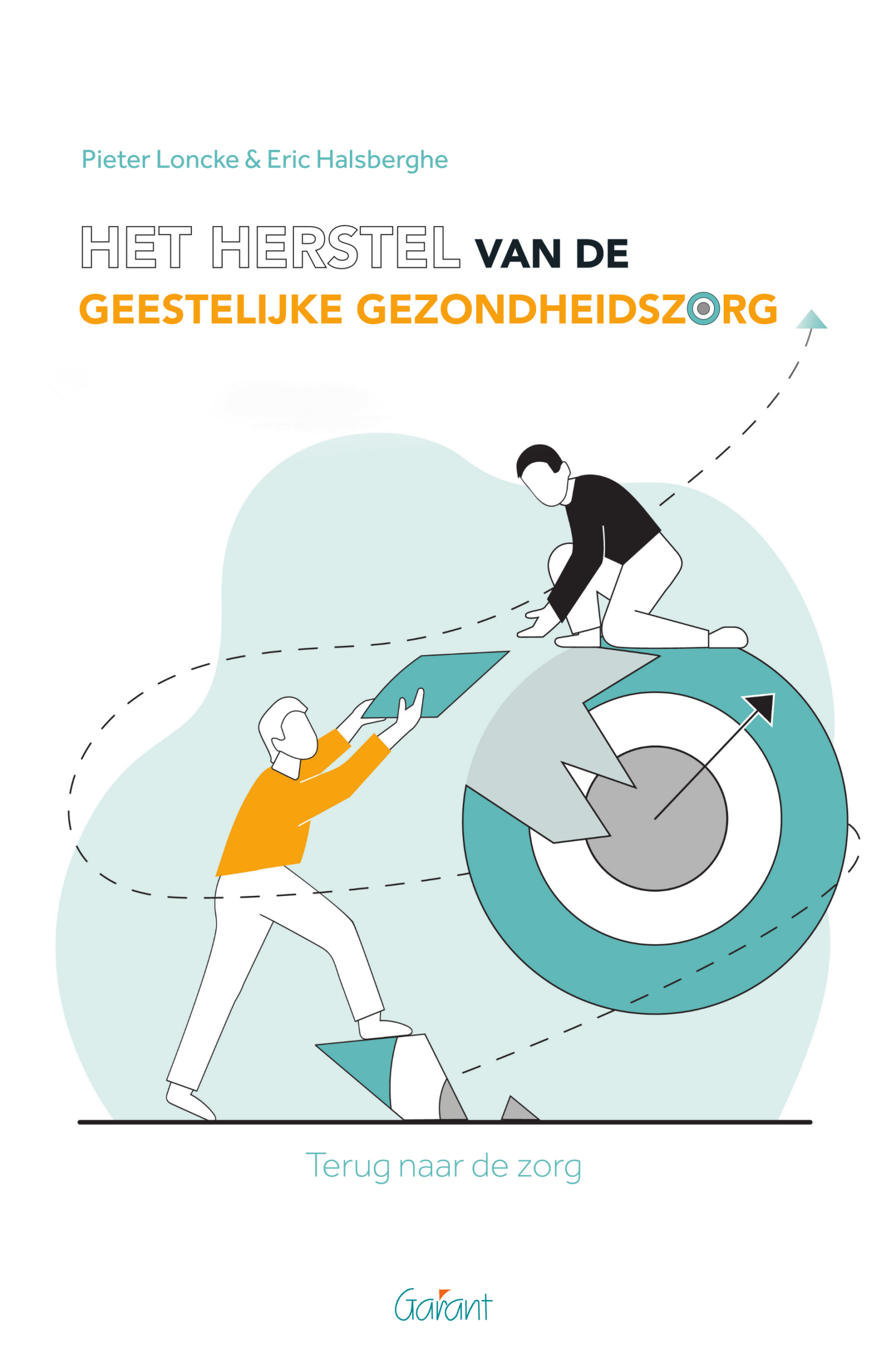
Het herstel van de geestelijke gezondheidszorg – Terug naar de zorg
De manier waarop zorg wordt georganiseerd, ‘het systeem’ en het management vertrekken altijd vanuit goede bedoelingen. Maar soms zorgen zij ook voor onnodig veel afleiding en trekken ze de aandacht – weliswaar onbewust – weg van datgene waar het werkelijk om draait: de zorg voor mensen. Zoiets heeft impact op zowel de hulpvragers, alsook op de mensen die in de zorg aan de slag zijn. Dankzij het gedachtengoed van onder meer Wouter Hart en talrijke praktijkvoorbeelden vinden we inzicht in deze dynamiek en gaan we op zoek naar hoe het anders kan.
Dit boek schetst een hoopgevend verhaal dat iedereen uitnodigt om de zorg voor mensen weer centraal te plaatsen. Het is een inspirerend hulpmiddel om de eigen werking beter te doorgronden. Tegelijkertijd reikt het bestuurders, managers, medewerkers, docenten en studenten een kompas aan, waardoor zij zelf verantwoordelijkheid kunnen opnemen en samen met anderen de kern van zorg centraal kunnen houden. Hoewel dit boek vertrekt vanuit de praktijk van de geestelijke gezondheidszorg is het een inspiratiebron voor iedereen die met zorg te maken heeft.
‘Het boek heeft me geraakt, ontroerd, geïnspireerd. Het raakt de juiste dingen aan, geeft heel inzichtelijk weer waar het verkeerd loopt, hoe het anders kan en WAAROM het anders moet. De voorbeelden zijn erg krachtig, omdat ze zo herkenbaar, eerlijk en overzichtelijk zijn. Maar ook de oefeningen zijn nuttig en helpen je om ze te gaan toepassen op jezelf en op je eigen situatie. Ik voel veel aansluiting en verwantschap. Tegelijk zijn ook bepaalde invalshoeken, ideeën en perspectieven voor mij nieuw en erg inspirerend. De toon van het boek is persoonlijk, motiverend, oriënterend, nergens moraliserend of (het andere uiterste) vaag. Het boek is een wonderlijk samen-denken van transformatie in zorg, organisatiemanagement, filosofie en zorgethiek.’
Linus Vanlaere, zorgethicus
Pieter Loncke is psychiatrisch verpleegkundige en beeldend creatief therapeut. Hij is gastdocent aan verschillende hogescholen, treedt op als spreker en geeft workshops. Hij is medeauteur van verschillende ‘Respectboeken’. Het is zijn passie om samen met andere mensen vanuit ‘de bedoeling van geestelijke gezondheidszorg’ te werken.
Eric Halsberghe is master Economische Wetenschappen. Hij was onderzoeker aan de Universiteit Gent en docent in het economisch en technisch hoger onderwijs. Daarna was hij medewerker van het Vlaams Verbond voor Katholieke Hogescholen, waar hij hogescholen begeleidde bij onder meer professionalisering, kwaliteitszorg en onderwijsontwikkeling. Bij de fusie van de hogescholen werd hij algemeen directeur van KATHO, nu VIVES. In de Associatie KU Leuven was hij bestuurder en voorzitter van de Associatieraad Onderwijs. Hij is nu bestuurder van RHIZO, een scholengroep in het secundair onderwijs. Voor de Nederlands-Vlaamse Accreditatieorganisatie is hij betrokken bij kwaliteitsaudits in het hoger onderwijs. Hij is lid van een kwaliteitsoverleg van de Groep Zorg H. Familie.
Het herstel van de geestelijke gezondheidszorg – Terug naar de zorg
De manier waarop zorg wordt georganiseerd, ‘het systeem’ en het management vertrekken altijd vanuit goede bedoelingen. Maar soms zorgen zij ook voor onnodig veel afleiding en trekken ze de aandacht – weliswaar onbewust – weg van datgene waar het werkelijk om draait: de zorg voor mensen. Zoiets heeft impact op zowel de hulpvragers, alsook op de mensen die in de zorg aan de slag zijn. Dankzij het gedachtengoed van onder meer Wouter Hart en talrijke praktijkvoorbeelden vinden we inzicht in deze dynamiek en gaan we op zoek naar hoe het anders kan.
Dit boek schetst een hoopgevend verhaal dat iedereen uitnodigt om de zorg voor mensen weer centraal te plaatsen. Het is een inspirerend hulpmiddel om de eigen werking beter te doorgronden. Tegelijkertijd reikt het bestuurders, managers, medewerkers, docenten en studenten een kompas aan, waardoor zij zelf verantwoordelijkheid kunnen opnemen en samen met anderen de kern van zorg centraal kunnen houden. Hoewel dit boek vertrekt vanuit de praktijk van de geestelijke gezondheidszorg is het een inspiratiebron voor iedereen die met zorg te maken heeft.
‘Het boek heeft me geraakt, ontroerd, geïnspireerd. Het raakt de juiste dingen aan, geeft heel inzichtelijk weer waar het verkeerd loopt, hoe het anders kan en WAAROM het anders moet. De voorbeelden zijn erg krachtig, omdat ze zo herkenbaar, eerlijk en overzichtelijk zijn. Maar ook de oefeningen zijn nuttig en helpen je om ze te gaan toepassen op jezelf en op je eigen situatie. Ik voel veel aansluiting en verwantschap. Tegelijk zijn ook bepaalde invalshoeken, ideeën en perspectieven voor mij nieuw en erg inspirerend. De toon van het boek is persoonlijk, motiverend, oriënterend, nergens moraliserend of (het andere uiterste) vaag. Het boek is een wonderlijk samen-denken van transformatie in zorg, organisatiemanagement, filosofie en zorgethiek.’
Linus Vanlaere, zorgethicus
Pieter Loncke is psychiatrisch verpleegkundige en beeldend creatief therapeut. Hij is gastdocent aan verschillende hogescholen, treedt op als spreker en geeft workshops. Hij is medeauteur van verschillende ‘Respectboeken’. Het is zijn passie om samen met andere mensen vanuit ‘de bedoeling van geestelijke gezondheidszorg’ te werken.
Eric Halsberghe is master Economische Wetenschappen. Hij was onderzoeker aan de Universiteit Gent en docent in het economisch en technisch hoger onderwijs. Daarna was hij medewerker van het Vlaams Verbond voor Katholieke Hogescholen, waar hij hogescholen begeleidde bij onder meer professionalisering, kwaliteitszorg en onderwijsontwikkeling. Bij de fusie van de hogescholen werd hij algemeen directeur van KATHO, nu VIVES. In de Associatie KU Leuven was hij bestuurder en voorzitter van de Associatieraad Onderwijs. Hij is nu bestuurder van RHIZO, een scholengroep in het secundair onderwijs. Voor de Nederlands-Vlaamse Accreditatieorganisatie is hij betrokken bij kwaliteitsaudits in het hoger onderwijs. Hij is lid van een kwaliteitsoverleg van de Groep Zorg H. Familie.
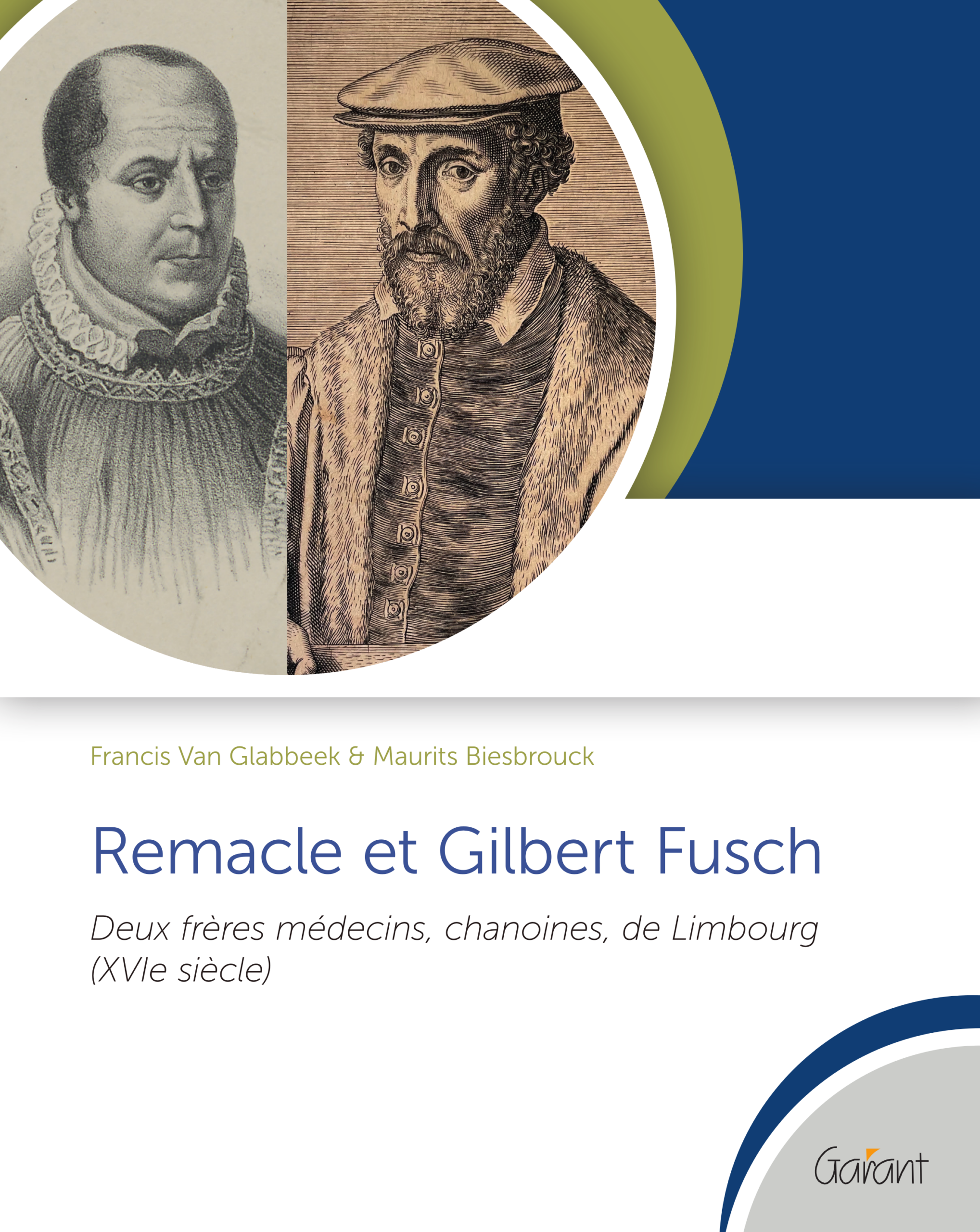
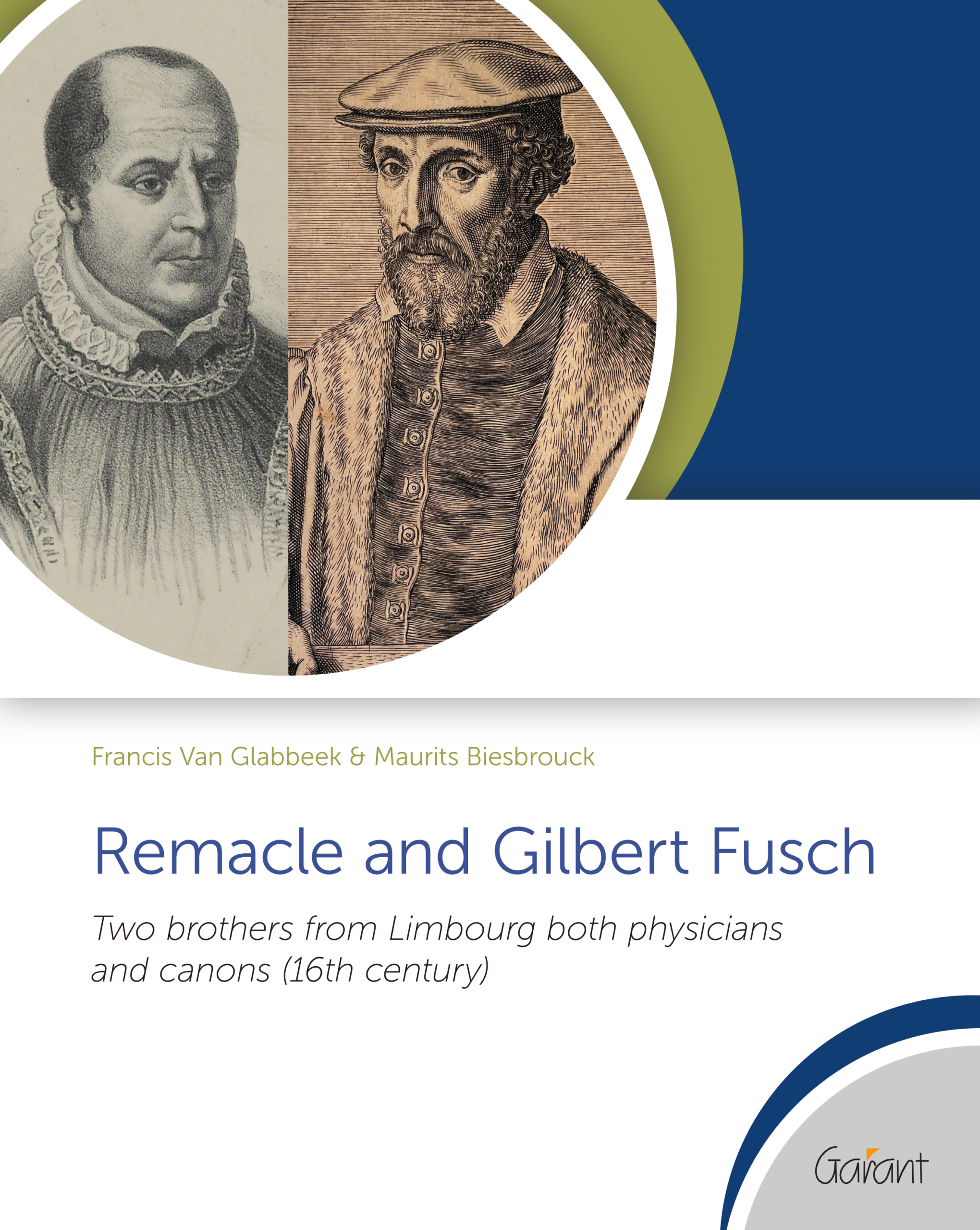
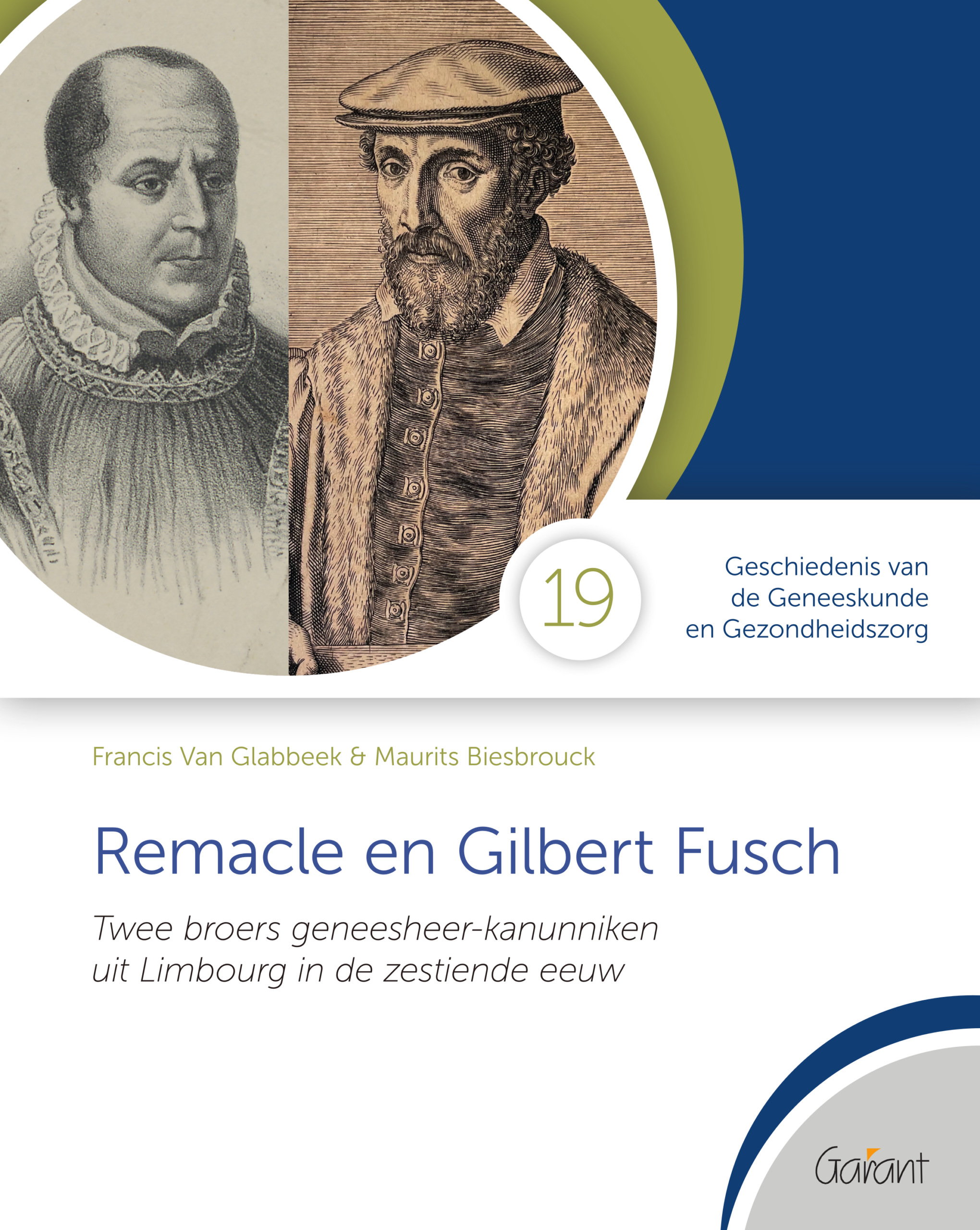
Remacle en Gilbert Fusch – Twee broers geneesheer-kanunniken uit Limbourg in de zestiende eeuw (Cahiers GGG – Geschiedenis van de Geneeskunde en de Gezondheidszorg, nr. 19)
Gilbert Fusch was in de streek van Luik in de zestiende eeuw vermaard als geneesheer dankzij zijn succesvolle praktijk. Door zijn publicatie over de bronnen van Spa verleende hij die een blijvende bekendheid. Zijn broer Remacle was toen vooral beroemd als veelzijdig auteur, met werken over syfilis, plantkunde en farmacologie. Hij is te weinig gekend als medegrondlegger van de studie van de geschiedenis van de geneeskunde, waarvoor hij, samen met zijn onmiddellijke voorgangers Otto Brunfels en Symforien Champier, als pionier mag worden beschouwd. Hier wordt het leven en het werk van deze boeiende figuren besproken, die als broers en zowel als geneesheer en als kanunnik zeer geacht werden in de regio van Luik.
Francis Van Glabbeek is hoogleraar aan de Faculteit Geneeskunde en Gezondheidswetenschappen van de Universiteit Antwerpen. Hij is orthopedisch chirurg en adjunct-diensthoofd van de afdeling orthopedie en traumatologie van het Universitair Ziekenhuis Antwerpen. Aan de Faculteit Geneeskunde is hij verantwoordelijk voor de musculoskeletale anatomie en de geschiedenis van de geneeskunde.
Maurits Biesbrouck publiceerde, naast een Nederlandse vertaling van het eerste boek van Vesalius’ Fabrica 1543, een Vesalius-bibliografie en daarnaast ook een overzicht met bespreking van de edities van zijn werken en brieven, beide jaarlijks bijgewerkt in www.andreasvesalius.be.
Remacle en Gilbert Fusch – Twee broers geneesheer-kanunniken uit Limbourg in de zestiende eeuw (Cahiers GGG – Geschiedenis van de Geneeskunde en de Gezondheidszorg, nr. 19)
Gilbert Fusch was in de streek van Luik in de zestiende eeuw vermaard als geneesheer dankzij zijn succesvolle praktijk. Door zijn publicatie over de bronnen van Spa verleende hij die een blijvende bekendheid. Zijn broer Remacle was toen vooral beroemd als veelzijdig auteur, met werken over syfilis, plantkunde en farmacologie. Hij is te weinig gekend als medegrondlegger van de studie van de geschiedenis van de geneeskunde, waarvoor hij, samen met zijn onmiddellijke voorgangers Otto Brunfels en Symforien Champier, als pionier mag worden beschouwd. Hier wordt het leven en het werk van deze boeiende figuren besproken, die als broers en zowel als geneesheer en als kanunnik zeer geacht werden in de regio van Luik.
Francis Van Glabbeek is hoogleraar aan de Faculteit Geneeskunde en Gezondheidswetenschappen van de Universiteit Antwerpen. Hij is orthopedisch chirurg en adjunct-diensthoofd van de afdeling orthopedie en traumatologie van het Universitair Ziekenhuis Antwerpen. Aan de Faculteit Geneeskunde is hij verantwoordelijk voor de musculoskeletale anatomie en de geschiedenis van de geneeskunde.
Maurits Biesbrouck publiceerde, naast een Nederlandse vertaling van het eerste boek van Vesalius’ Fabrica 1543, een Vesalius-bibliografie en daarnaast ook een overzicht met bespreking van de edities van zijn werken en brieven, beide jaarlijks bijgewerkt in www.andreasvesalius.be.