
Provision
€ 14,75
Boek informatie
ISBN 13
9789073052178
Auteur(s)
H. knippenberg, J. Doomernik
NUR
-
Gerelateerde producten
Geen voorraad
Stad en land. Over bewoners en woonmilieus.
€ 25,00
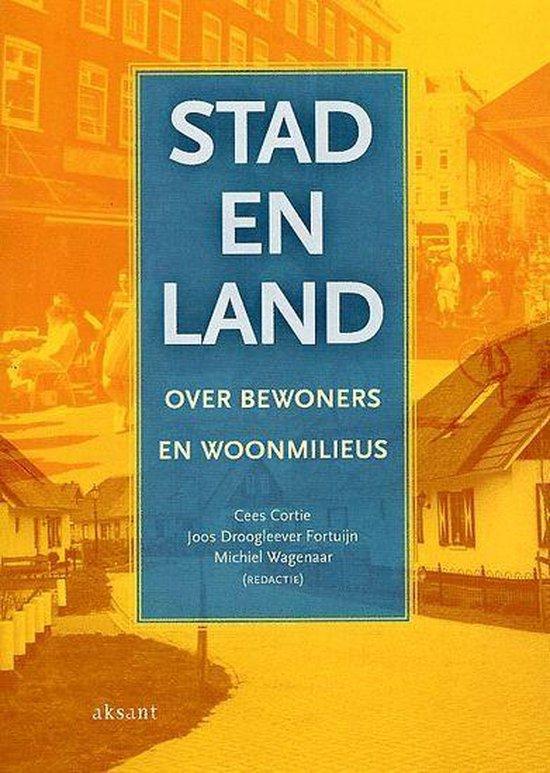
Dit afscheidsboek voor Rob van Engelsdorp Gastelaars, van 1984 tot 2003 hoogleraar sociale geografie aan de afdeling Geografie en Planologie van de Faculteit der Maatschappij- en Gedragswetenschappen aan de Universiteit van Amsterdam, laat iets zien van de wetenschappelijke inspiratie die hij heeft weten over te dragen op promovendi, collega’s en studenten, én op auteurs buiten het vakgebied van de stadsgeografie. Dat dit boek binnen de gestelde kaders - stad en land, bewoners en woonmilieus - een grote reikwijdte aan onderwerpen behandelt, mag als een eresaluut aan de emeritus worden gezien.
De bijdragen laten voor een belangrijk deel zien hoe bepalend lokale woonmilieus zijn en hoe zij worden gevormd door handelende bewoners en hun instituties. Om hier een oud en beroemd begrippenpaar te hanteren: weerslag en neerslag bijten elkaar in de loop der jaren voortdurend in hun staart. Dat daarbij het Amsterdamse laboratorium nog steeds het schouwtoneel bij uitstek is, zeker in de huidige meer regionale omschrijving, blijkt overduidelijk.
Geen voorraad
Stad en land. Over bewoners en woonmilieus.
€ 25,00
Dit afscheidsboek voor Rob van Engelsdorp Gastelaars, van 1984 tot 2003 hoogleraar sociale geografie aan de afdeling Geografie en Planologie van de Faculteit der Maatschappij- en Gedragswetenschappen aan de Universiteit van Amsterdam, laat iets zien van de wetenschappelijke inspiratie die hij heeft weten over te dragen op promovendi, collega’s en studenten, én op auteurs buiten het vakgebied van de stadsgeografie. Dat dit boek binnen de gestelde kaders - stad en land, bewoners en woonmilieus - een grote reikwijdte aan onderwerpen behandelt, mag als een eresaluut aan de emeritus worden gezien.
De bijdragen laten voor een belangrijk deel zien hoe bepalend lokale woonmilieus zijn en hoe zij worden gevormd door handelende bewoners en hun instituties. Om hier een oud en beroemd begrippenpaar te hanteren: weerslag en neerslag bijten elkaar in de loop der jaren voortdurend in hun staart. Dat daarbij het Amsterdamse laboratorium nog steeds het schouwtoneel bij uitstek is, zeker in de huidige meer regionale omschrijving, blijkt overduidelijk.
Geen voorraad

Multiculturalisme in Canada, Australië en de Verenigde Staten. Ideologie en beleid, 1950-2000.
€ 20,00
Canada, Australië en de Verenigde Staten zijn de kenmerkende voorbeelden van immigratielanden. De nieuwkomers kwamen overal vandaan en moesten samenleven. Hans Vermeulen en Boris Slijper zijn nagegaan hoe de verschillende regeringen en beleidsmakers in die landen zijn omgegaan met al die verschillende achtergronden en hoe ze het proces hebben proberen te beïnvloeden en in een gewenste richting te sturen.
Deze studie plaatst de discussie in Nederland en West-Epa over assimilatie en erkenning van culturele diversiteit in een zo gewenst breder perspectief.
Hans Vermeulen en Boris Slijper zijn beiden verbonden aan het Instituut voor Migratie- en Etnische Sudies (IMES) van de Universiteit van Amsterdam.
Hans Vermeulen en Boris Slijper zijn beiden verbonden aan het Instituut voor Migratie- en Etnische Sudies (IMES) van de Universiteit van Amsterdam.
Geen voorraad
Multiculturalisme in Canada, Australië en de Verenigde Staten. Ideologie en beleid, 1950-2000.
€ 20,00
Canada, Australië en de Verenigde Staten zijn de kenmerkende voorbeelden van immigratielanden. De nieuwkomers kwamen overal vandaan en moesten samenleven. Hans Vermeulen en Boris Slijper zijn nagegaan hoe de verschillende regeringen en beleidsmakers in die landen zijn omgegaan met al die verschillende achtergronden en hoe ze het proces hebben proberen te beïnvloeden en in een gewenste richting te sturen.
Deze studie plaatst de discussie in Nederland en West-Epa over assimilatie en erkenning van culturele diversiteit in een zo gewenst breder perspectief.
Hans Vermeulen en Boris Slijper zijn beiden verbonden aan het Instituut voor Migratie- en Etnische Sudies (IMES) van de Universiteit van Amsterdam.
Hans Vermeulen en Boris Slijper zijn beiden verbonden aan het Instituut voor Migratie- en Etnische Sudies (IMES) van de Universiteit van Amsterdam.
Income and wealth inequality in the Netherlands 16th-20th century
€ 29,50
The ''new inequality'' of the 1980''s and 1990''s has recently given rise to a lively debate about the relationship between economic growth and income distribution. This debate is the background of the study by Lee Soltow an Jan Luiten van Zanden, who, staying close to the sources, have mapped in some detail the long-term development of income and wealth inequality in the Netherlands between c. 1500 and the present.
Their starting point is the hypothesis of Simon Kuznets that income inequality increased during the first phase of modern economic growth, but that in the second phase, which begins in most Western countries around the turn of the twentieth century, a marked levelling out of income differences followed. The development of inequality during the Golden Age, when growth resulted in a marked increase in inequality seems to confirm this idea. However, the analysis of the connection between growth and inequality in the nineteenth and twentieth century leads them to question the Kuznets hypothesis.
Lee Soltow is professor of Economics at Ohio University (Athens).
Among his publications on the subject are: ''Distribution of wealth and income in the United States in 1978'' (1989) and ''Men and wealth in the United States 1850-1870'' (1975).
Jan Luiten van Zanden is professor of Economic and Social History at Utrecht University (the Netherlands).
Among his publications on the subject are: ''The economic history of the Netherlands 1914-1955: a small open economy in the ''long'' twentieth century'' (1998). ''The economic development of the Netherlands since 1870'' (1996) and ''The rise and decline of Holland''s economy: merchant capitalism and the labour market'' (1993).
Income and wealth inequality in the Netherlands 16th-20th century
€ 29,50
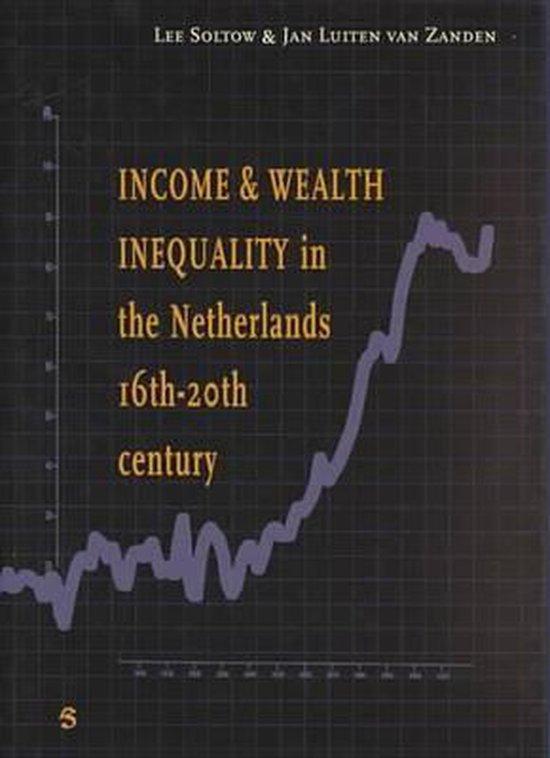
The ''new inequality'' of the 1980''s and 1990''s has recently given rise to a lively debate about the relationship between economic growth and income distribution. This debate is the background of the study by Lee Soltow an Jan Luiten van Zanden, who, staying close to the sources, have mapped in some detail the long-term development of income and wealth inequality in the Netherlands between c. 1500 and the present.
Their starting point is the hypothesis of Simon Kuznets that income inequality increased during the first phase of modern economic growth, but that in the second phase, which begins in most Western countries around the turn of the twentieth century, a marked levelling out of income differences followed. The development of inequality during the Golden Age, when growth resulted in a marked increase in inequality seems to confirm this idea. However, the analysis of the connection between growth and inequality in the nineteenth and twentieth century leads them to question the Kuznets hypothesis.
Lee Soltow is professor of Economics at Ohio University (Athens).
Among his publications on the subject are: ''Distribution of wealth and income in the United States in 1978'' (1989) and ''Men and wealth in the United States 1850-1870'' (1975).
Jan Luiten van Zanden is professor of Economic and Social History at Utrecht University (the Netherlands).
Among his publications on the subject are: ''The economic history of the Netherlands 1914-1955: a small open economy in the ''long'' twentieth century'' (1998). ''The economic development of the Netherlands since 1870'' (1996) and ''The rise and decline of Holland''s economy: merchant capitalism and the labour market'' (1993).

Mass media advertising: information or wallpaper?
€ 17,00
For most consumers, advertising is less important than advertisers might think. Advertising appears to function as ''wallpaper'', something in the background that is hardly noticed. The advertiser, however, wants the consumer to use his advertisement as a piece of information, for example, when standing in front of a shelf thinking what kind of detergent is ''best'' or ''cheapest''. Mass mediated advertising campaigns should therefore at least function as a reminder when making all kinds of choices concerning brands, products or services.
This book describes consumers'' use of advertising. The question to be answered is: "How and why do people use advertising?". Are they searching for information or simply watching commercials because they are funny? Are they avoiding ads because they find them irritating? And to what extent is (claimed) advertising use related to remembering having seen specific ads? The five studies in this book use different methods and research designs for addressing these questions, to understand and explain advertising use. These include: a meta-analysis of more than 50 studies on advertising, several in-depth interviews, a nation-wide telephone survey with follow-up by mail, an experiment, and a face-to-face survey.
Edith Smit is Associate Professor at the University of Amsterdam, Department of Communication, and The Amsterdam School of Communications Research ASCoR. She is also Deputy Director of SWOCC, the Dutch Foundation for Fundamental Research on Commercial Communication.
Mass media advertising: information or wallpaper?
€ 17,00
For most consumers, advertising is less important than advertisers might think. Advertising appears to function as ''wallpaper'', something in the background that is hardly noticed. The advertiser, however, wants the consumer to use his advertisement as a piece of information, for example, when standing in front of a shelf thinking what kind of detergent is ''best'' or ''cheapest''. Mass mediated advertising campaigns should therefore at least function as a reminder when making all kinds of choices concerning brands, products or services.
This book describes consumers'' use of advertising. The question to be answered is: "How and why do people use advertising?". Are they searching for information or simply watching commercials because they are funny? Are they avoiding ads because they find them irritating? And to what extent is (claimed) advertising use related to remembering having seen specific ads? The five studies in this book use different methods and research designs for addressing these questions, to understand and explain advertising use. These include: a meta-analysis of more than 50 studies on advertising, several in-depth interviews, a nation-wide telephone survey with follow-up by mail, an experiment, and a face-to-face survey.
Edith Smit is Associate Professor at the University of Amsterdam, Department of Communication, and The Amsterdam School of Communications Research ASCoR. She is also Deputy Director of SWOCC, the Dutch Foundation for Fundamental Research on Commercial Communication.