

Pivot Politics. Changing cultural identities in early state formation processes
€ 17,02
Boek informatie
ISBN 13
9789055890071
Auteur(s)
Martin van Bakel, Renee Hagesteijn, Pieter van de Velde (eds)
NUR
-
Gerelateerde producten
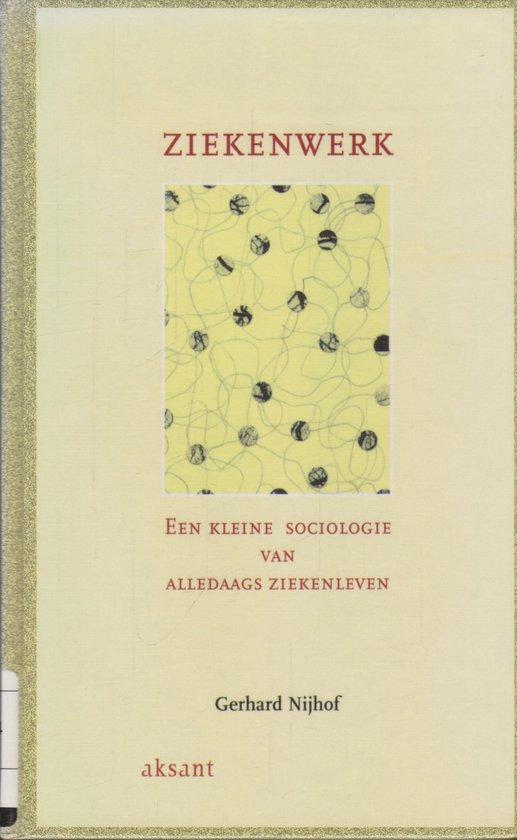
Ziekenwerk. Een kleine sociologie van alledaags ziekenleven
€ 13,50
Hij is al jarenlang hoogleraar Medische Sociologie en dan wordt op een dag bij hem darmkanker geconstateerd. Na de geweldige emotionele schok ondergaat hij de bij het ziektebeeld passende medische behandeling. Gaandeweg dat medische traject beseft hij tot zijn verbijstering dat er dingen gebeuren waarover hij in de vakliteratuur zo nooit eerder gelezen had. Dit overkwam Gerhard Nijhof, hoogleraar Medische Sociologie aan de Universiteit van Amsterdam.
Toen hij zich dit realiseerde ging hij tijdens zijn ziekbed en zijn revalidatie in een schrift bijhouden wat hem overkwam, wat hij constateerde en waar dat niet spoorde met zijn kennis van zijn vakliteratuur.
Deze voortdurende verbinding van een observatie of een persoonlijke ervaring met een afstandelijk wetenschappelijk verwoord thema maakt dit boek tot een indringend verslag van een ‘alledaags’ leven van een zieke.
Aanbevolen voor iedereen die werkzaam is in de gezondheidszorg, diegenen die in de directe omgeving te maken heeft met langdurige (ernstig) zieken en voor geïnteresseerden in de medische sociologie.
Gerhard Nijhof is hoogleraar Medische Sociologie aan de Universiteit van Amsterdam.
Ziekenwerk. Een kleine sociologie van alledaags ziekenleven
€ 13,50
Hij is al jarenlang hoogleraar Medische Sociologie en dan wordt op een dag bij hem darmkanker geconstateerd. Na de geweldige emotionele schok ondergaat hij de bij het ziektebeeld passende medische behandeling. Gaandeweg dat medische traject beseft hij tot zijn verbijstering dat er dingen gebeuren waarover hij in de vakliteratuur zo nooit eerder gelezen had. Dit overkwam Gerhard Nijhof, hoogleraar Medische Sociologie aan de Universiteit van Amsterdam.
Toen hij zich dit realiseerde ging hij tijdens zijn ziekbed en zijn revalidatie in een schrift bijhouden wat hem overkwam, wat hij constateerde en waar dat niet spoorde met zijn kennis van zijn vakliteratuur.
Deze voortdurende verbinding van een observatie of een persoonlijke ervaring met een afstandelijk wetenschappelijk verwoord thema maakt dit boek tot een indringend verslag van een ‘alledaags’ leven van een zieke.
Aanbevolen voor iedereen die werkzaam is in de gezondheidszorg, diegenen die in de directe omgeving te maken heeft met langdurige (ernstig) zieken en voor geïnteresseerden in de medische sociologie.
Gerhard Nijhof is hoogleraar Medische Sociologie aan de Universiteit van Amsterdam.

Air-conditioned lifestyle. Nieuwe rijken in Jakarta
€ 13,80
Dit boek gaat over de ''Orang Kaya Baru'', de nieuwe rijken van het moderne Jakarta (Indonesië). Zij vormen de bovenste laag van de middenklasse, die in het midden van de jaren zestig is ontstaan na de explosieve economische ontwikkeling, die door Soeharto''s autoritaire ''Orde Baru'' (Nieuwe Orde) in gang is gezet.
Deze snel groeiende middenklasse jogt voor het werk, consumeert afwisselend fastfood en health food en kijkt ''s avonds onderuitgezakt voor de buis naar soaps, waarin joggen, fastfood en moderne relatieperikelen centraal staan. Een ogenschijnlijk universele manier van leven, vol met de voortbrengselen van de moderne massaproductie.
Dit consumptiepatroon is een relatief nieuw fenomeen in deze niet-westerse culturen. Daar zijn het vaak de ''nouveaux riches'' die dit fenomeen het eerst en het hevigst omarmen, want alleen door hun consumptiegedrag kunnen zij zich van de rest van de samenleving onderscheiden; kenmerkend voor de oude elite is immers haar aristocratische afkomst en opstelling. De moderne consumptie is zo een ideale uitdrukking voor de nieuwe sociale status van de zich gestaag uitbreidende middenklasse.
De ''Orang Kaya Baru'' is het meest gebaat bij de stabiliteit en overzichtelijkheid, die door de economische politiek van de ''Orde Baru'' is ontstaan; zij hebben veel te verliezen.
Lizzy van Leeuwen is jurist en antropoloog en thans werkzaam bij de Gemeente Amsterdam.
Air-conditioned lifestyle. Nieuwe rijken in Jakarta
€ 13,80
Dit boek gaat over de ''Orang Kaya Baru'', de nieuwe rijken van het moderne Jakarta (Indonesië). Zij vormen de bovenste laag van de middenklasse, die in het midden van de jaren zestig is ontstaan na de explosieve economische ontwikkeling, die door Soeharto''s autoritaire ''Orde Baru'' (Nieuwe Orde) in gang is gezet.
Deze snel groeiende middenklasse jogt voor het werk, consumeert afwisselend fastfood en health food en kijkt ''s avonds onderuitgezakt voor de buis naar soaps, waarin joggen, fastfood en moderne relatieperikelen centraal staan. Een ogenschijnlijk universele manier van leven, vol met de voortbrengselen van de moderne massaproductie.
Dit consumptiepatroon is een relatief nieuw fenomeen in deze niet-westerse culturen. Daar zijn het vaak de ''nouveaux riches'' die dit fenomeen het eerst en het hevigst omarmen, want alleen door hun consumptiegedrag kunnen zij zich van de rest van de samenleving onderscheiden; kenmerkend voor de oude elite is immers haar aristocratische afkomst en opstelling. De moderne consumptie is zo een ideale uitdrukking voor de nieuwe sociale status van de zich gestaag uitbreidende middenklasse.
De ''Orang Kaya Baru'' is het meest gebaat bij de stabiliteit en overzichtelijkheid, die door de economische politiek van de ''Orde Baru'' is ontstaan; zij hebben veel te verliezen.
Lizzy van Leeuwen is jurist en antropoloog en thans werkzaam bij de Gemeente Amsterdam.
Geen voorraad

Money be man
€ 12,39
Health care policy should be based on understanding of what takes place at the community level. This study explores how people in a coastal village in Ghana perceive and use modern pharmaceuticals. In this G speaking community, 35 kilometers from the capital, there are no proper health care facilities. Most people purchase their medicines in two drugstores which sell products that they are not supposed to sell according to government rules. The author focuses on local perceptions of anatomy and etiology and on people's health expenditure. His book is a search for- the social and cultural basis of the popularity of pharmaceuticals. "Money be man", an inscription on a local lorry, captures the villagers' main concern: without money one cannot remain healthy.
Geen voorraad
Money be man
€ 12,39
Health care policy should be based on understanding of what takes place at the community level. This study explores how people in a coastal village in Ghana perceive and use modern pharmaceuticals. In this G speaking community, 35 kilometers from the capital, there are no proper health care facilities. Most people purchase their medicines in two drugstores which sell products that they are not supposed to sell according to government rules. The author focuses on local perceptions of anatomy and etiology and on people's health expenditure. His book is a search for- the social and cultural basis of the popularity of pharmaceuticals. "Money be man", an inscription on a local lorry, captures the villagers' main concern: without money one cannot remain healthy.
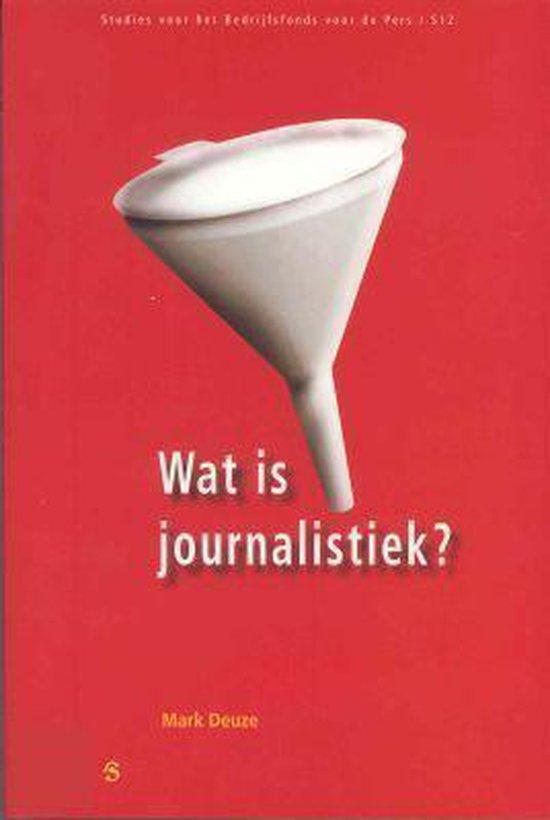
Wat is journalistiek?
€ 24,90
Wat is journalistiek? is een onmisbare aanvulling op de bestaande Nederlandse literatuur over het vak en haar beroepsoefenaren en is vooral bedoeld voor journalisten en iedereen die oprecht geïnteresseerd is in het denken en doen van zij, die elke dag voor ons nieuws over de wereld verantwoordelijk zijn.
Mark Deuze is journalist en communicatiewetenschapper en was verbonden aan de afdeling Communicatiewetenschap van de Universiteit van Amsterdam. Momenteel is hij verbonden aan de Indiana University School of Journalism in Bloomington (USA).
Wat is journalistiek?
€ 24,90
Wat is journalistiek? is een onmisbare aanvulling op de bestaande Nederlandse literatuur over het vak en haar beroepsoefenaren en is vooral bedoeld voor journalisten en iedereen die oprecht geïnteresseerd is in het denken en doen van zij, die elke dag voor ons nieuws over de wereld verantwoordelijk zijn.
Mark Deuze is journalist en communicatiewetenschapper en was verbonden aan de afdeling Communicatiewetenschap van de Universiteit van Amsterdam. Momenteel is hij verbonden aan de Indiana University School of Journalism in Bloomington (USA).