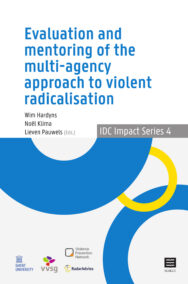

Evaluation and mentoring of the multi-agency approach to violent radicalisation in Belgium, the Netherlands and Germany – IDC Impact Series nr.5
Prof. dr. Wim Hardyns is a Professor of Criminology at the Department of Criminology, Criminal Law and Social Law at Ghent University, Belgium, and Professor of Safety Sciences at the University of Antwerp, Belgium.
Dr. Noël Klima is the coordinator of Ghent University’s interdisciplinary consortium with a focus on societal impact IDC Crime, Criminology & Criminal Policy.
Prof. dr. Lieven Pauwels is a Professor of Criminology at the Department of Criminology, Criminal Law and Social Law at Ghent University, Belgium, and Director of the Institute of International Research on Criminal Policy (IRCP).
Evaluation and mentoring of the multi-agency approach to violent radicalisation in Belgium, the Netherlands and Germany – IDC Impact Series nr.5
Prof. dr. Wim Hardyns is a Professor of Criminology at the Department of Criminology, Criminal Law and Social Law at Ghent University, Belgium, and Professor of Safety Sciences at the University of Antwerp, Belgium.
Dr. Noël Klima is the coordinator of Ghent University’s interdisciplinary consortium with a focus on societal impact IDC Crime, Criminology & Criminal Policy.
Prof. dr. Lieven Pauwels is a Professor of Criminology at the Department of Criminology, Criminal Law and Social Law at Ghent University, Belgium, and Director of the Institute of International Research on Criminal Policy (IRCP).
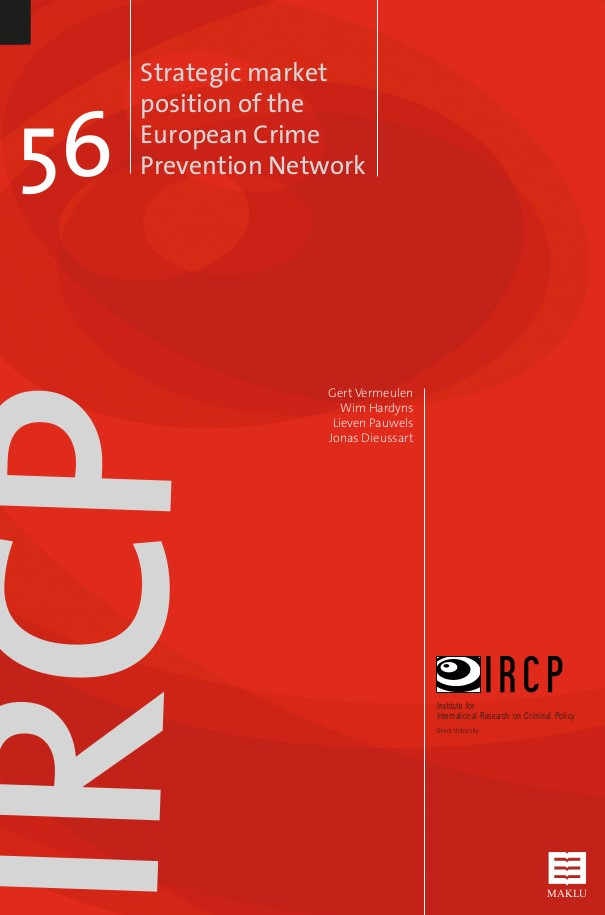
Strategic market position of the European Crime Prevention Network
Whilst the EUCPN proves a well-equipped, versatile and multipurpose network in the EU crime prevention area, consolidation and further boosting are due. Key suggestions are to enhance outputs and visibility, to intensify existing partnerships, to broaden target and beneficiary audiences, including at local levels, to implement practice-oriented, multi-language and multimedia approaches, and to focus on the implementation, monitoring, coordination and evaluation of crime prevention policies or strategies, including through cooperation with academia.
Gert Vermeulen is senior full professor of international and European criminal law at Ghent University and director of the Institute for International Research on Criminal Policy (IRCP) and the Knowledge and Research Platform Privacy, Information Exchange, Law Enforcement and Surveillance (PIXLES).
Wim Hardyns is assistant professor of criminology at Ghent University and member of the Institute for International Research on Criminal Policy (IRCP) and the Knowledge and Research Platform Privacy, Information Exchange, Law Enforcement and Surveillance (PIXLES).
Lieven Pauwels is associate professor of criminology at Ghent University, and director of the Institute for International Research on Criminal Policy (IRCP).
Jonas Dieussaert is researcher at the Institute for International Research on Criminal Policy (IRCP), Ghent University.
Strategic market position of the European Crime Prevention Network
Whilst the EUCPN proves a well-equipped, versatile and multipurpose network in the EU crime prevention area, consolidation and further boosting are due. Key suggestions are to enhance outputs and visibility, to intensify existing partnerships, to broaden target and beneficiary audiences, including at local levels, to implement practice-oriented, multi-language and multimedia approaches, and to focus on the implementation, monitoring, coordination and evaluation of crime prevention policies or strategies, including through cooperation with academia.
Gert Vermeulen is senior full professor of international and European criminal law at Ghent University and director of the Institute for International Research on Criminal Policy (IRCP) and the Knowledge and Research Platform Privacy, Information Exchange, Law Enforcement and Surveillance (PIXLES).
Wim Hardyns is assistant professor of criminology at Ghent University and member of the Institute for International Research on Criminal Policy (IRCP) and the Knowledge and Research Platform Privacy, Information Exchange, Law Enforcement and Surveillance (PIXLES).
Lieven Pauwels is associate professor of criminology at Ghent University, and director of the Institute for International Research on Criminal Policy (IRCP).
Jonas Dieussaert is researcher at the Institute for International Research on Criminal Policy (IRCP), Ghent University.
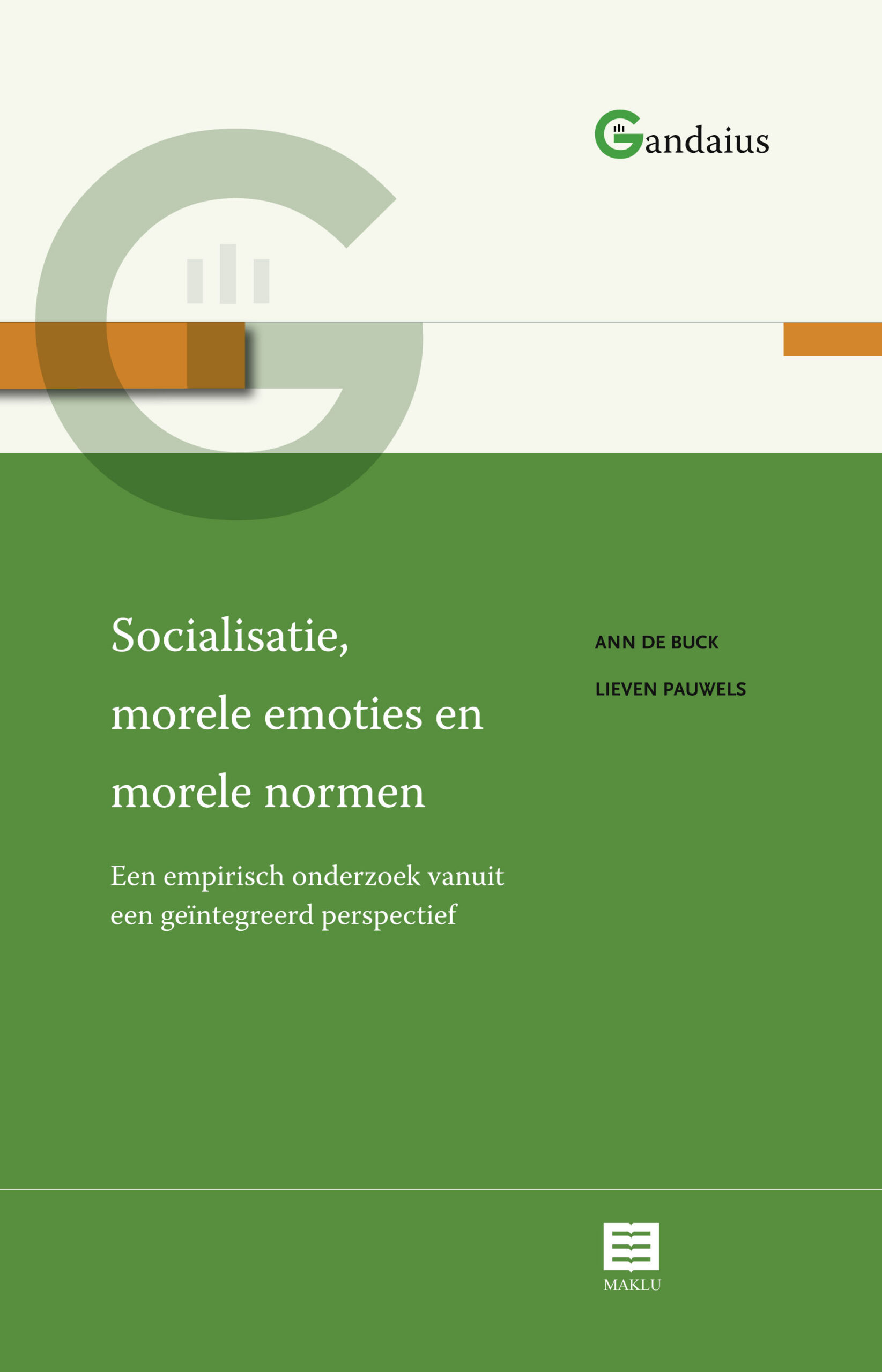
Socialisatie, morele emoties en morele normen. Een empirisch onderzoek vanuit een geïntegreerd perspectief.Gandaius Meesterlijk, nr. 6
Deze publicatie is een grondige herwerking en uitbreiding
van een verkennende theorie-toetsende
studie die werd uitgevoerd als masterproef in de
Criminologische Wetenschappen (UGent). Deze
publicatie sluit hiermee aan bij de hedendaagse
criminologische aandacht voor individuele
beslissingsprocessen met betrekking tot normoverschrijdend gedrag
en de rol van het morele besef. De studie focust op de betekenis van
belangrijke socialiserende actoren (bindingen met ouders, ouderlijk
toezicht, betrokkenheid op school) ter verklaring van individuele
verschillen in regelovertreding bij adolescenten en de mediërende rol
van morele normen en anticipatie op de morele emoties schaamte en
schuld, twee belangrijke secundaire emoties. Extra aandacht wordt
besteed aan de effecten van de situationele blootstelling aan deviante
peers in interactie met de individuele moraliteit.
Het onderzoek is gevoerd vanuit een geïntegreerd perspectief aangevuld
met inzichten uit de hedendaagse sociale en morele psychologie.
De studie gaat ook in op de betekenis van de resultaten
voor verder onderzoek naar morele beslissingsprocessen, een braakliggend
terrein in de etiologische criminologie.
Gandaius Meesterlijk:
- Seksueel partnergeweld in Vlaanderen. Een belevingsstudie
S. Vandecapelle - Straatkinderen (bashege) in Kinshasa. Structureel geweld versus agency
M. Hendriks - Private en commerciële veiligheidszorg in België. Een historisch-criminologisch onderzoek (1870-1934)
P. Leloup - Schadebeperkende maatregelen voor de stad Gent. Een onderzoek naar de lokale noden en prioriteiten
L. Favril, F. Vander Laenen & T. Decorte - Perceiving crime as alternative? A randomized scenario study
B. Van Damme & L. Pauwels
Ann De Buck studeerde in 2016 af aan de Universiteit Gent als
master in de Criminologische Wetenschappen.
Prof. Dr. Lieven Pauwels was promotor van het onderzoek.
Socialisatie, morele emoties en morele normen. Een empirisch onderzoek vanuit een geïntegreerd perspectief.Gandaius Meesterlijk, nr. 6
Deze publicatie is een grondige herwerking en uitbreiding
van een verkennende theorie-toetsende
studie die werd uitgevoerd als masterproef in de
Criminologische Wetenschappen (UGent). Deze
publicatie sluit hiermee aan bij de hedendaagse
criminologische aandacht voor individuele
beslissingsprocessen met betrekking tot normoverschrijdend gedrag
en de rol van het morele besef. De studie focust op de betekenis van
belangrijke socialiserende actoren (bindingen met ouders, ouderlijk
toezicht, betrokkenheid op school) ter verklaring van individuele
verschillen in regelovertreding bij adolescenten en de mediërende rol
van morele normen en anticipatie op de morele emoties schaamte en
schuld, twee belangrijke secundaire emoties. Extra aandacht wordt
besteed aan de effecten van de situationele blootstelling aan deviante
peers in interactie met de individuele moraliteit.
Het onderzoek is gevoerd vanuit een geïntegreerd perspectief aangevuld
met inzichten uit de hedendaagse sociale en morele psychologie.
De studie gaat ook in op de betekenis van de resultaten
voor verder onderzoek naar morele beslissingsprocessen, een braakliggend
terrein in de etiologische criminologie.
Gandaius Meesterlijk:
- Seksueel partnergeweld in Vlaanderen. Een belevingsstudie
S. Vandecapelle - Straatkinderen (bashege) in Kinshasa. Structureel geweld versus agency
M. Hendriks - Private en commerciële veiligheidszorg in België. Een historisch-criminologisch onderzoek (1870-1934)
P. Leloup - Schadebeperkende maatregelen voor de stad Gent. Een onderzoek naar de lokale noden en prioriteiten
L. Favril, F. Vander Laenen & T. Decorte - Perceiving crime as alternative? A randomized scenario study
B. Van Damme & L. Pauwels
Ann De Buck studeerde in 2016 af aan de Universiteit Gent als
master in de Criminologische Wetenschappen.
Prof. Dr. Lieven Pauwels was promotor van het onderzoek.
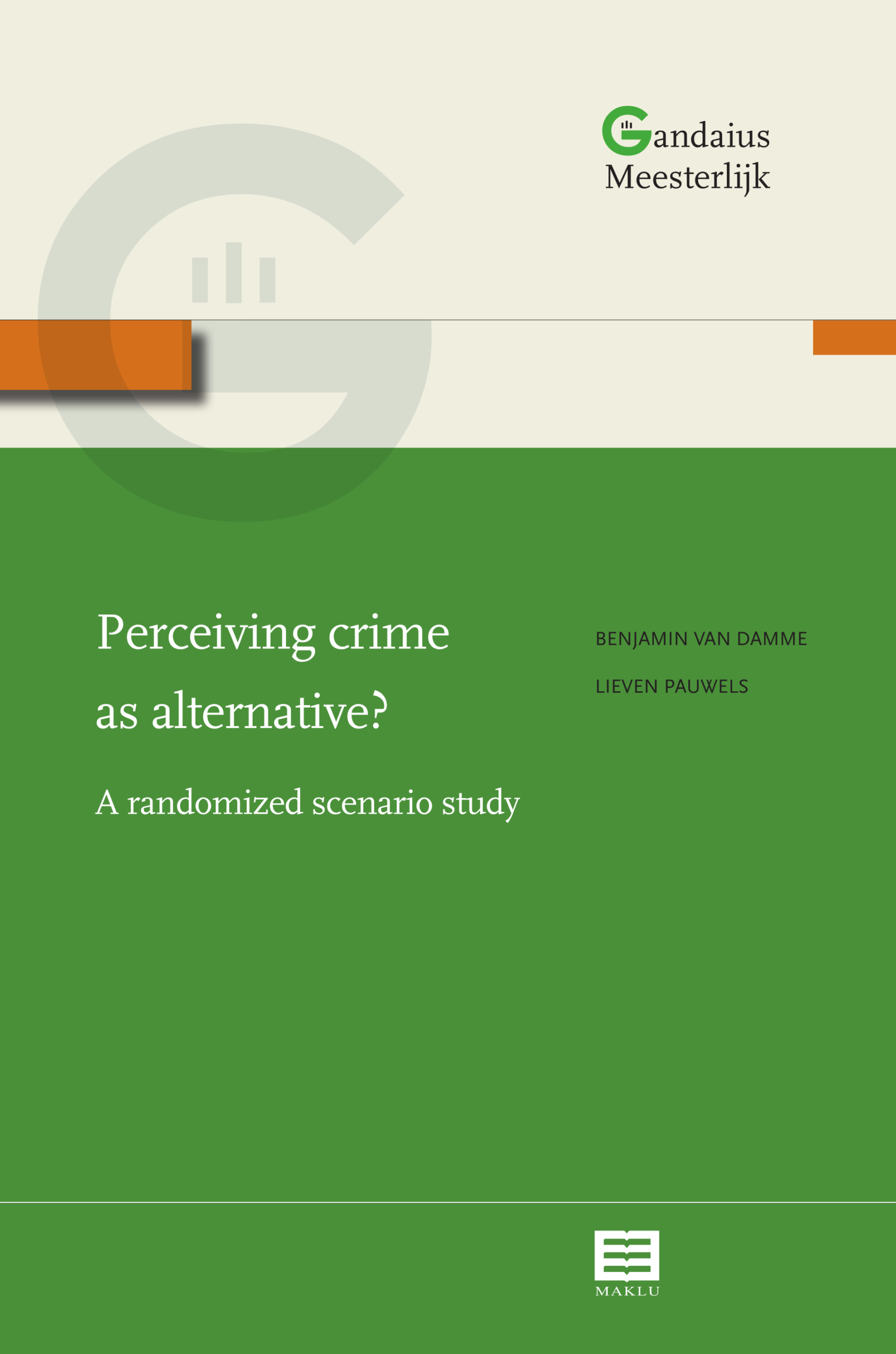
Perceiving crime as alternative? A randomized scenario study (Gandaius meesterlijk, nr. 5)
This book is an elaboration of a dissertation written by Benjamin
Van Damme, who personally developed an internet
application for randomized scenario studies that can be
used to test ideas developed in theories of crime causation.
This dissertation is part of a larger research initiative of Lieven
Pauwels, who supervised Benjamin Van Damme’s master
dissertation, namely a study on the empirical status of
situational action theory. Benjamin Van Damme and Lieven
Pauwels empirically demonstrate that criminal decisionmaking
can be seen as a perception-choice process, i.e. the
result of person-environment interactions. Environmental
characteristics trigger criminal decision-making, but only in
individuals that see crime as an alternative. The theoretical
and methodological consequences for criminological inquiries
are discussed.
Perceiving crime as alternative? A randomized scenario study (Gandaius meesterlijk, nr. 5)
This book is an elaboration of a dissertation written by Benjamin
Van Damme, who personally developed an internet
application for randomized scenario studies that can be
used to test ideas developed in theories of crime causation.
This dissertation is part of a larger research initiative of Lieven
Pauwels, who supervised Benjamin Van Damme’s master
dissertation, namely a study on the empirical status of
situational action theory. Benjamin Van Damme and Lieven
Pauwels empirically demonstrate that criminal decisionmaking
can be seen as a perception-choice process, i.e. the
result of person-environment interactions. Environmental
characteristics trigger criminal decision-making, but only in
individuals that see crime as an alternative. The theoretical
and methodological consequences for criminological inquiries
are discussed.
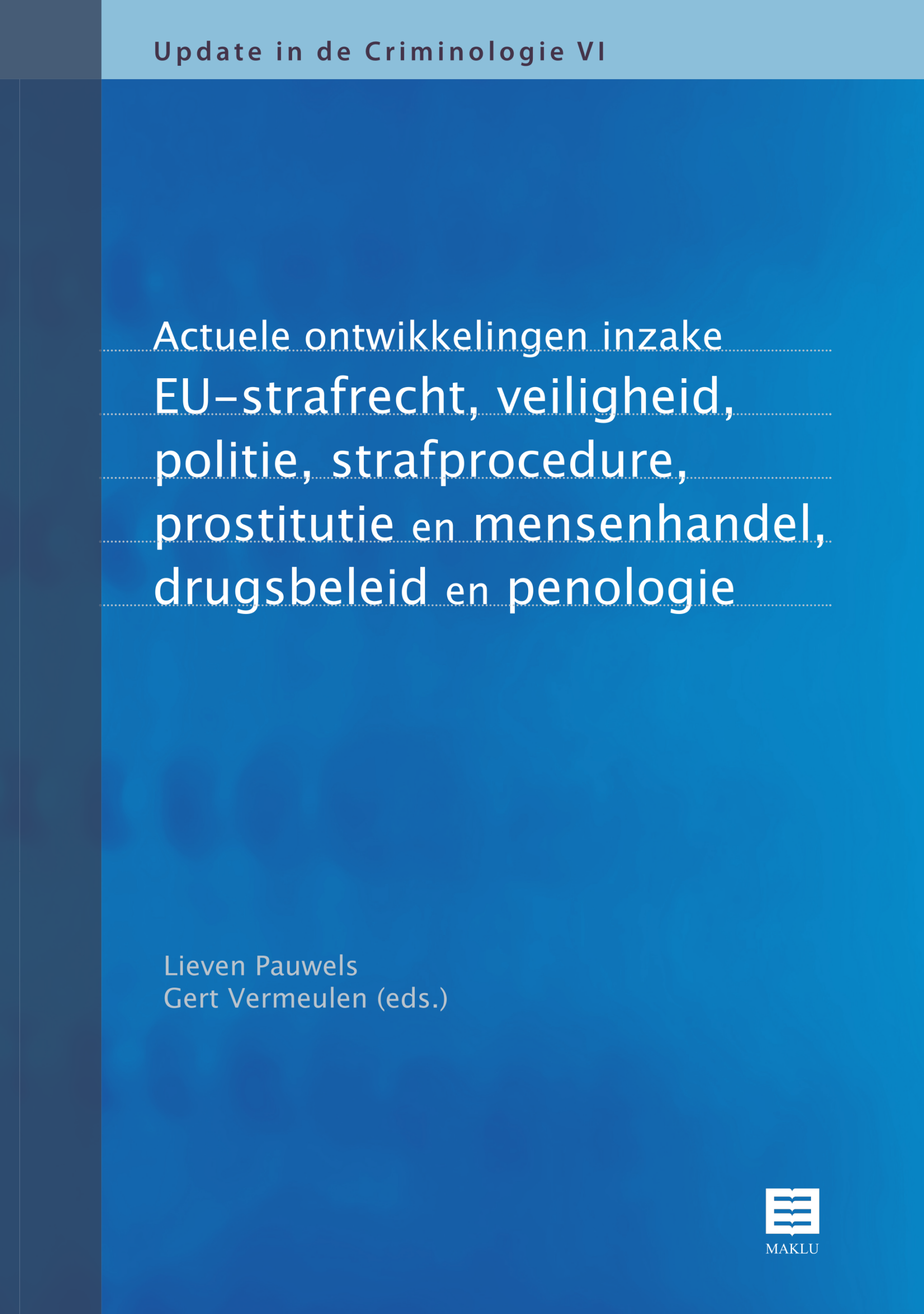
Update in de criminologie VI. Actuele ontwikkelingen inzake EU-strafrecht, veiligheid, politie, strafprocedure, prostitutie en mensenhandel, … (Gandaius Publicaties, VI)
Deze publicatie bevat de bijdragen uit de vormingssessies van de 6de Postuniversitaire Vormingscyclus Update in de Criminologie.
Centraal staan diverse actuele thema''s binnen het domein van het strafrecht en de criminologie. Lesgevers en onderzoekers van vakgroep Strafrecht en Criminologie van de Universiteit Gent behandelen hierin empirische en theoretische evoluties binnen hun specialisatiegebied.
Update in de criminologie VI. Actuele ontwikkelingen inzake EU-strafrecht, veiligheid, politie, strafprocedure, prostitutie en mensenhandel, … (Gandaius Publicaties, VI)
Deze publicatie bevat de bijdragen uit de vormingssessies van de 6de Postuniversitaire Vormingscyclus Update in de Criminologie.
Centraal staan diverse actuele thema''s binnen het domein van het strafrecht en de criminologie. Lesgevers en onderzoekers van vakgroep Strafrecht en Criminologie van de Universiteit Gent behandelen hierin empirische en theoretische evoluties binnen hun specialisatiegebied.
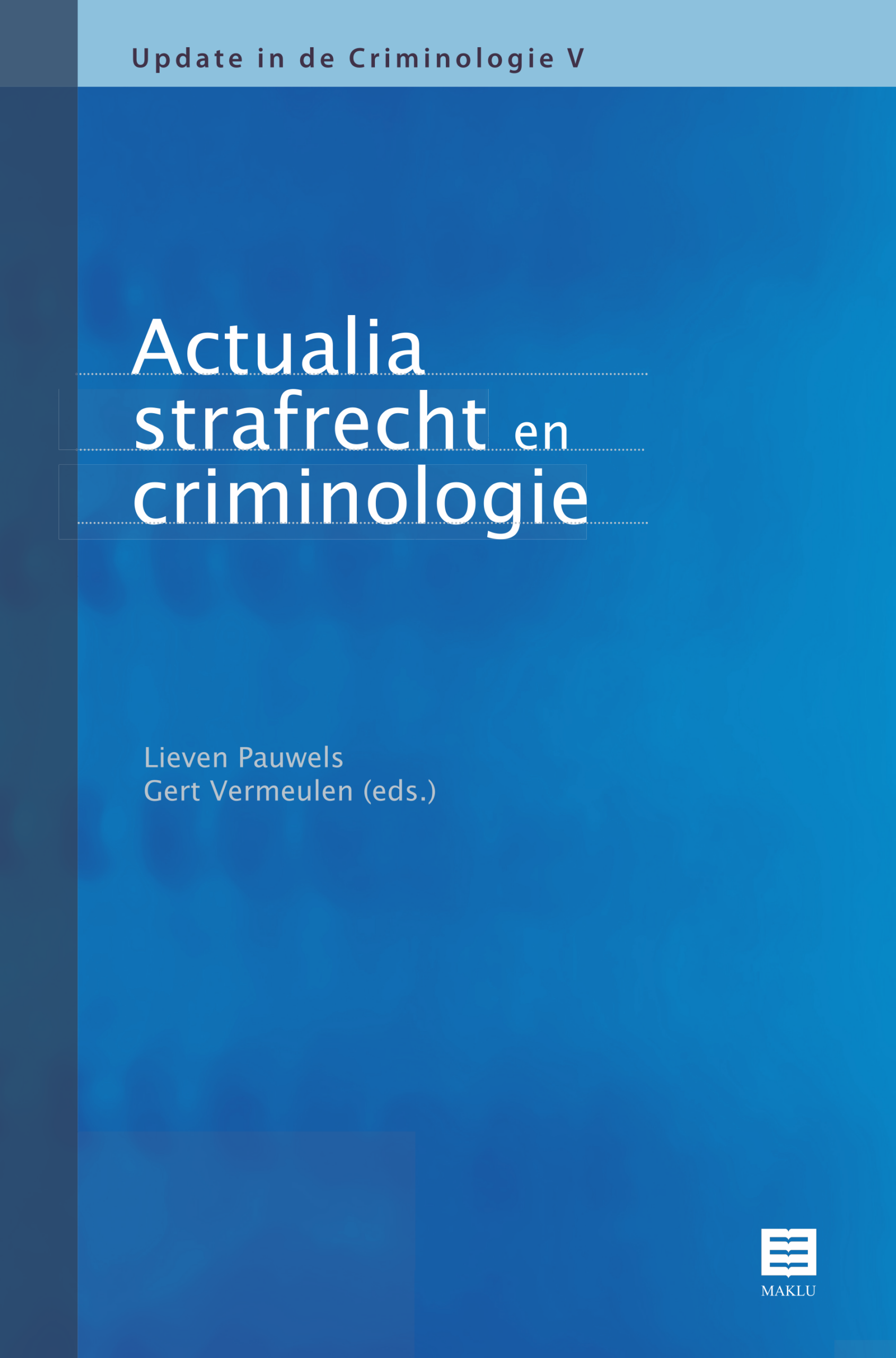
Actualia Strafrecht en Criminologie. Update in de criminologie V (Gandaius Publicaties, V)
Actualia Strafrecht en Criminologie. Update in de criminologie V (Gandaius Publicaties, V)
Toegepaste statistiek met SPSS voor criminologen
Daarom is er nu dit nieuwe handboek toegepaste statistiek met IBM-SPSS voor criminologen, dat exclusief gebruik maakt van voorbeelden uit het werkveld van de criminoloog. De analysetechnieken die worden uiteengezet behoren tot de “tools of the trade” van de criminoloog die aan de hand van statistische software een aantal elementaire en ook meer geavanceerde probleemstellingen wil beantwoorden.
Het boek behandelt vooreerst de basisprincipes van de toegepaste univariate en bivariate beschrijvende en inferentiële statistiek die elke criminoloog leert kennen in de opleiding. Daarnaast wordt aandacht besteed aan data management, de technieken om van ruwe gegevens concrete variabelen te maken (o.a. het hercoderen, aggregeren, samenvoegen van bestanden en aanmaken van schalen). Het boek besteedt ook veel aandacht aan een waaier van dependente en niet-dependente multivariate analysetechnieken die vaak opduiken in het criminologisch onderzoek. Aandacht wordt besteed aan meervoudige regressievergelijkingen voor metrische, ordinale, categorische afhankelijke variabelen en teldata. Daarnaast is er ook een introductie voorzien tot de survival analyse, factoranalyse en clusteranalyse.
Deze uitgave vormt een toegankelijk basishandboek voor studenten, onderzoekers en professionals. Het vergemakkelijkt de instap in de praktijk van de kwantitatieve criminologie. Omdat ook aandacht wordt besteed aan data management en multivariate analysetechnieken is dit boek ook een handig referentiewerk voor beginnende doctorandi en vorsers.
Databestanden SPSS voor criminologen.zip (378kb)
Prof. Dr. Lieven Pauwels (1974) doceert onder andere “Statistiek voor Criminologen” en “Kwantitatieve Criminologische Methoden & Technieken” aan de vakgroep Strafrecht en Criminologie (UGent). Hij is codirecteur van de interuniversitaire onderzoeksgroep Sociale Veiligheidsanalyse (SVA-UGent). Lieven Pauwels is inhoudelijk geïnteresseerd in de toetsing van etiologische theorieën en de gevolgen van de stedelijke concentratie van segregatie op criminaliteit en attitudevorming.
Toegepaste statistiek met SPSS voor criminologen
Daarom is er nu dit nieuwe handboek toegepaste statistiek met IBM-SPSS voor criminologen, dat exclusief gebruik maakt van voorbeelden uit het werkveld van de criminoloog. De analysetechnieken die worden uiteengezet behoren tot de “tools of the trade” van de criminoloog die aan de hand van statistische software een aantal elementaire en ook meer geavanceerde probleemstellingen wil beantwoorden.
Het boek behandelt vooreerst de basisprincipes van de toegepaste univariate en bivariate beschrijvende en inferentiële statistiek die elke criminoloog leert kennen in de opleiding. Daarnaast wordt aandacht besteed aan data management, de technieken om van ruwe gegevens concrete variabelen te maken (o.a. het hercoderen, aggregeren, samenvoegen van bestanden en aanmaken van schalen). Het boek besteedt ook veel aandacht aan een waaier van dependente en niet-dependente multivariate analysetechnieken die vaak opduiken in het criminologisch onderzoek. Aandacht wordt besteed aan meervoudige regressievergelijkingen voor metrische, ordinale, categorische afhankelijke variabelen en teldata. Daarnaast is er ook een introductie voorzien tot de survival analyse, factoranalyse en clusteranalyse.
Deze uitgave vormt een toegankelijk basishandboek voor studenten, onderzoekers en professionals. Het vergemakkelijkt de instap in de praktijk van de kwantitatieve criminologie. Omdat ook aandacht wordt besteed aan data management en multivariate analysetechnieken is dit boek ook een handig referentiewerk voor beginnende doctorandi en vorsers.
Databestanden SPSS voor criminologen.zip (378kb)
Prof. Dr. Lieven Pauwels (1974) doceert onder andere “Statistiek voor Criminologen” en “Kwantitatieve Criminologische Methoden & Technieken” aan de vakgroep Strafrecht en Criminologie (UGent). Hij is codirecteur van de interuniversitaire onderzoeksgroep Sociale Veiligheidsanalyse (SVA-UGent). Lieven Pauwels is inhoudelijk geïnteresseerd in de toetsing van etiologische theorieën en de gevolgen van de stedelijke concentratie van segregatie op criminaliteit en attitudevorming.
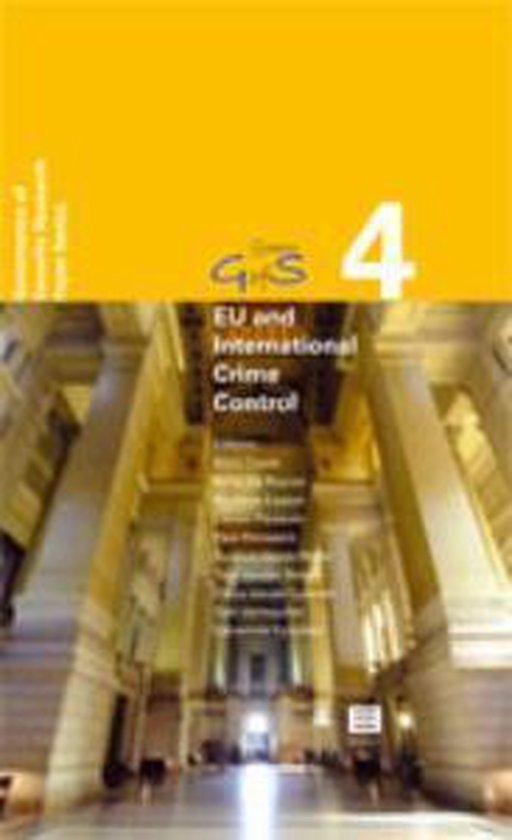
EU and International Crime Control. Topical Issues ((GofS) – Governance of Security Research Paper Series, Vol. 4)
The Research Group Governance of Security wants to foster contemporary international discourses on issues of crime and crime control. Therefore, GofS started a Research Paper Series, combining theoretical and empirical articles on issues reflecting the research activities of GofS. This research group is collaboration between Ghent University and Ghent University College in Belgium. GofS is concentrating its research around the study of administrative and judicial policy that has been developed with respect to new issues of crime and insecurity.
Volume 4 focuses on topical issues in EU and International Crime Control. The first five articles deal with intrinsic EU criminal policy aspects, including in its transatlantic cooperation with the US. The remaining three articles deal with anti money laundering control, counter-strategies of criminal organisations and police torture.
EU and International Crime Control. Topical Issues ((GofS) – Governance of Security Research Paper Series, Vol. 4)
The Research Group Governance of Security wants to foster contemporary international discourses on issues of crime and crime control. Therefore, GofS started a Research Paper Series, combining theoretical and empirical articles on issues reflecting the research activities of GofS. This research group is collaboration between Ghent University and Ghent University College in Belgium. GofS is concentrating its research around the study of administrative and judicial policy that has been developed with respect to new issues of crime and insecurity.
Volume 4 focuses on topical issues in EU and International Crime Control. The first five articles deal with intrinsic EU criminal policy aspects, including in its transatlantic cooperation with the US. The remaining three articles deal with anti money laundering control, counter-strategies of criminal organisations and police torture.
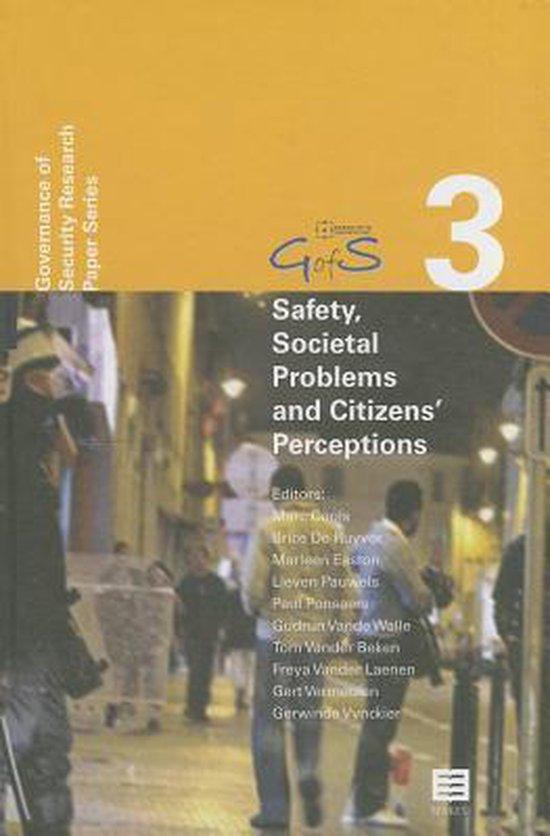
Safety, Societal Problems and Citizens’ Perceptions. New Empirical Data, Theories and Analyses ((GofS) – Governance of Security Research Paper Series, Vol. 3)
The Research Group Governance of Security wants to foster contemporary international discourses on issues of crime and crime control. Therefore, GofS started a Research Paper Series, combining theoretical and empirical articles on issues reflecting the research activities of GofS. This research group is collaboration between Ghent University and Ghent University College in Belgium. GofS is concentrating its research around the study of administrative and judicial policy that has been developed with respect to new issues of crime and insecurity.
Volume 3 provides new empirical data, theories and analyses on Safety, Societal Problems and Citizens’ Perceptions. Some articles in Volume 3 focus especially on issues of conceptualisation and measurement of key constructs in the study of security in its broadest meaning (from fear of crime to corruption) some articles present tests of theoretical models derived from theoretical criminology, and finally some articles focus on different institutional reactions towards crime and drug-related problems (e.g. policing, the conflict of interests between private companies and authorities and restorative justice).
Safety, Societal Problems and Citizens’ Perceptions. New Empirical Data, Theories and Analyses ((GofS) – Governance of Security Research Paper Series, Vol. 3)
The Research Group Governance of Security wants to foster contemporary international discourses on issues of crime and crime control. Therefore, GofS started a Research Paper Series, combining theoretical and empirical articles on issues reflecting the research activities of GofS. This research group is collaboration between Ghent University and Ghent University College in Belgium. GofS is concentrating its research around the study of administrative and judicial policy that has been developed with respect to new issues of crime and insecurity.
Volume 3 provides new empirical data, theories and analyses on Safety, Societal Problems and Citizens’ Perceptions. Some articles in Volume 3 focus especially on issues of conceptualisation and measurement of key constructs in the study of security in its broadest meaning (from fear of crime to corruption) some articles present tests of theoretical models derived from theoretical criminology, and finally some articles focus on different institutional reactions towards crime and drug-related problems (e.g. policing, the conflict of interests between private companies and authorities and restorative justice).

Individu, omgeving en de verklaring van jeugdcrimineel gedrag. Een toets in twee stedelijke settings (Reeks Governance of Security Report Series, Vol. II)
De studie zoekt een verklaring voor de individuele verschillen tussen jonge adolescenten in deze twee stedelijke settings, vanuit een gemeenschappelijk theoretisch raamwerk: de Situationele Actietheorie (SAT). Dit raamwerk houdt rekening met zowel omgevingsinvloeden (ongestructureerde vrije tijd) als individuele kenmerken (delinquentietolerantie en lage zelfcontrole) en met de wijze waarop individu en omgeving met elkaar interageren bij de totstandkoming van verschillen in delinquent gedrag. De centrale veronderstellingen uit deze theorie blijken in de beide settings de toets der praktijk te kunnen doorstaan.
Niels Declerck is Master in de Criminologische Wetenschappen (2009-UGent) en studeert momenteel de master in bedrijfseconomie optie overheidsmanagement (UGent). Zijn interesse in het vakgebied van de criminologie gaat uit naar jeugddelinquent gedrag en de verklaring ervan.
Prof. Dr. Lieven Pauwels is licentiaat in de Criminologische Wetenschappen (2000- UGent), Master in de Kwantitatieve Analyse voor de Sociale Wetenschappen (2002- KUB), Doctor in de Criminologische Wetenschappen (2006-UGent) en sinds 2007 benoemd als docent in het vakgebied Criminologie aan de UGent. Hij is geïnteresseerd in oorzakelijke vraagstukken in de criminologie, waaronder de ruimtelijke spreiding van onveiligheid en de empirische toetsing van criminologische verklaringsmodellen met betrekking tot delinquent gedrag, slachtofferschap en onveiligheidsbeleving.
Individu, omgeving en de verklaring van jeugdcrimineel gedrag. Een toets in twee stedelijke settings (Reeks Governance of Security Report Series, Vol. II)
De studie zoekt een verklaring voor de individuele verschillen tussen jonge adolescenten in deze twee stedelijke settings, vanuit een gemeenschappelijk theoretisch raamwerk: de Situationele Actietheorie (SAT). Dit raamwerk houdt rekening met zowel omgevingsinvloeden (ongestructureerde vrije tijd) als individuele kenmerken (delinquentietolerantie en lage zelfcontrole) en met de wijze waarop individu en omgeving met elkaar interageren bij de totstandkoming van verschillen in delinquent gedrag. De centrale veronderstellingen uit deze theorie blijken in de beide settings de toets der praktijk te kunnen doorstaan.
Niels Declerck is Master in de Criminologische Wetenschappen (2009-UGent) en studeert momenteel de master in bedrijfseconomie optie overheidsmanagement (UGent). Zijn interesse in het vakgebied van de criminologie gaat uit naar jeugddelinquent gedrag en de verklaring ervan.
Prof. Dr. Lieven Pauwels is licentiaat in de Criminologische Wetenschappen (2000- UGent), Master in de Kwantitatieve Analyse voor de Sociale Wetenschappen (2002- KUB), Doctor in de Criminologische Wetenschappen (2006-UGent) en sinds 2007 benoemd als docent in het vakgebied Criminologie aan de UGent. Hij is geïnteresseerd in oorzakelijke vraagstukken in de criminologie, waaronder de ruimtelijke spreiding van onveiligheid en de empirische toetsing van criminologische verklaringsmodellen met betrekking tot delinquent gedrag, slachtofferschap en onveiligheidsbeleving.