
B. van Stokkom
Quick View
Toevoegen aan winkelwagenBekijk winkelwagen

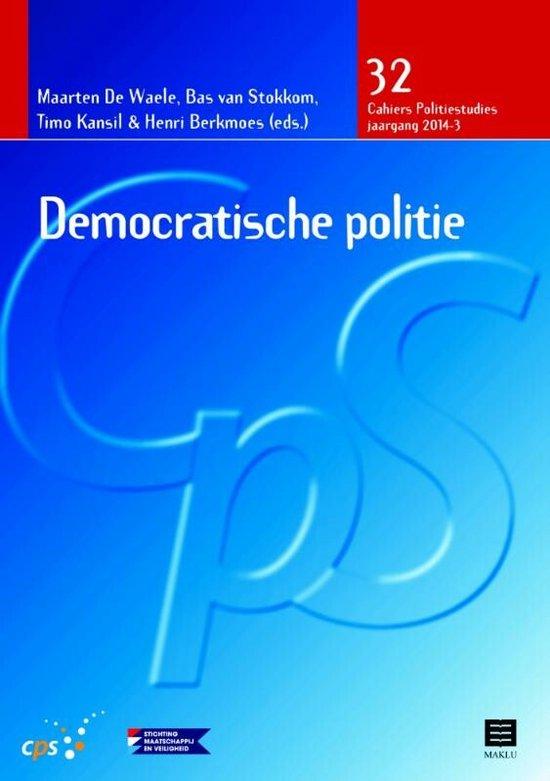
Democratische politie (CPS 2014 – 3, nr. 32)
 37,10
Politiediensten worden aangemaand om bij te dragen tot de democratische ontwikkeling van de maatschappij. Als fundamentele kracht binnen de democratische samenleving begeven ze zich in de smalle doorsnede van gezagsgetrouw handelen en duurzaam behoud van het vertrouwen van de burger. Dit Cahier bundelt een aantal reflecties op de bijdrage van Peter Mannings ‘Democratic Policing’. Diverse auteurs werken de materie verder uit in een aantal specifieke thema’s. Zo gaat dit Cahier in op de relatie van de politie met de burger. Vragen als ‘Gebruikt de politie indien noodzakelijk ten opzichte van iedereen dezelfde mate van dwang?’, ‘Ondervinden sommige burgers meer dwang dan andere burgers?’, ‘Over welke machtsbronnen beschikt de politie?’, ‘In welke mate zijn politiediensten ‘accountable’ of toerekenbaar?’ en ten slotte ‘Hoe gaat men in lokale context om met democratische principes?’ vinden in dit Cahier een antwoord.

Quick View

Democratische politie (CPS 2014 – 3, nr. 32)

 37,10
Politiediensten worden aangemaand om bij te dragen tot de democratische ontwikkeling van de maatschappij. Als fundamentele kracht binnen de democratische samenleving begeven ze zich in de smalle doorsnede van gezagsgetrouw handelen en duurzaam behoud van het vertrouwen van de burger. Dit Cahier bundelt een aantal reflecties op de bijdrage van Peter Mannings ‘Democratic Policing’. Diverse auteurs werken de materie verder uit in een aantal specifieke thema’s. Zo gaat dit Cahier in op de relatie van de politie met de burger. Vragen als ‘Gebruikt de politie indien noodzakelijk ten opzichte van iedereen dezelfde mate van dwang?’, ‘Ondervinden sommige burgers meer dwang dan andere burgers?’, ‘Over welke machtsbronnen beschikt de politie?’, ‘In welke mate zijn politiediensten ‘accountable’ of toerekenbaar?’ en ten slotte ‘Hoe gaat men in lokale context om met democratische principes?’ vinden in dit Cahier een antwoord.

Toevoegen aan winkelwagenBekijk winkelwagen
Quick View
Toevoegen aan winkelwagenBekijk winkelwagen

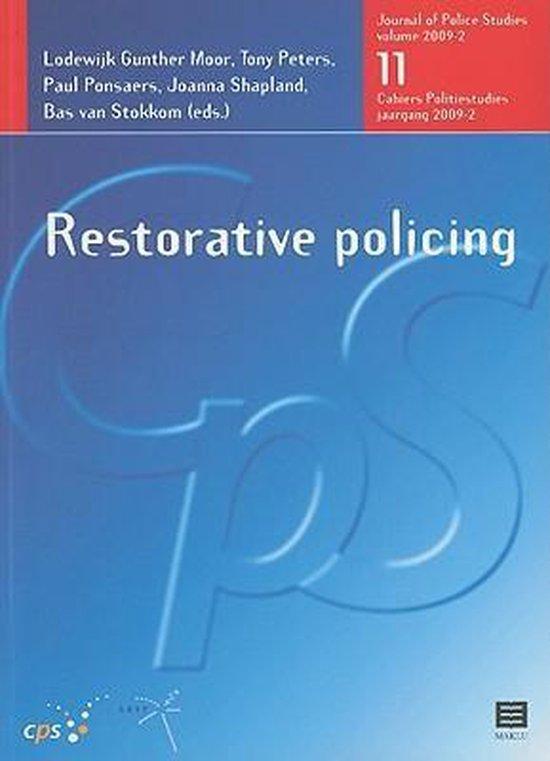
Restorative policing (CPS 2009 – 2, nr. 11)

 36,00
Describing and analysing restorative practices within policing shows how police work on the beat, in particular, offers a lot of valuable opportunities to react or respond to problematic anti-social behaviour. Restorative ways of dealing with these situations take place within the normal ambit of police peacekeeping, allowing officers to initiate problem-solving interventions and to deal with the problematic aspects of non-conforming behaviour as well, minimising its damaging social and material effects on victims. Actions to restore social order and to respond to victims’ complaints and points of view contribute, in a win/win approach, to early problem-solving interventions, which can avoid the use of the criminal justice system. Such an approach optimizes the synergy provided by careful community-oriented police action and promotes community and civic interests.

This volume describes and conceptualises the incorporation of these restorative practices within day-to-day policing in the Low Countries, together with some practices from England and Wales. Some restorative practices involve the police responding to criminal offences, but passing the case on for mediation to other agencies. In other situations, the police are much more active within the restorative process, taking the role of mediator themselves. So police may undertake mediation, refer cases to mediation and/or signpost the possibility of mediation to the parties, depending on the situation and the schemes in place in each town and country.

Sinds Community (Oriented) Policing (COP) als officieel denkkader werd aanvaard in ons land is meer en meer het besef doorgedrongen dat de politie een brede dienstverlenende opdracht heeft ten aanzien van de bevolking. Op het kruispunt van herstelrecht en gemeenschapsgerichte politiezorg ontwikkelden zich de laatste jaren lokaal een aantal boeiende praktijken. Politiemensen spreken burgers hierbij aan om zelf in onderling overleg op zoek te gaan naar mogelijkheden tot herstel. In dit Cahier worden mogelijkheden van herstelgerichte praktijken op politieniveau verkend. Hierbij wordt gekeken naar praktijken in binnen- en buitenland en worden de resultaten van het beschikbare wetenschappelijk onderzoek onder de aandacht gebracht.
Meer info over Cahiers Politiestudies

Quick View

Restorative policing (CPS 2009 – 2, nr. 11)

 36,00
Describing and analysing restorative practices within policing shows how police work on the beat, in particular, offers a lot of valuable opportunities to react or respond to problematic anti-social behaviour. Restorative ways of dealing with these situations take place within the normal ambit of police peacekeeping, allowing officers to initiate problem-solving interventions and to deal with the problematic aspects of non-conforming behaviour as well, minimising its damaging social and material effects on victims. Actions to restore social order and to respond to victims’ complaints and points of view contribute, in a win/win approach, to early problem-solving interventions, which can avoid the use of the criminal justice system. Such an approach optimizes the synergy provided by careful community-oriented police action and promotes community and civic interests.

This volume describes and conceptualises the incorporation of these restorative practices within day-to-day policing in the Low Countries, together with some practices from England and Wales. Some restorative practices involve the police responding to criminal offences, but passing the case on for mediation to other agencies. In other situations, the police are much more active within the restorative process, taking the role of mediator themselves. So police may undertake mediation, refer cases to mediation and/or signpost the possibility of mediation to the parties, depending on the situation and the schemes in place in each town and country.

Sinds Community (Oriented) Policing (COP) als officieel denkkader werd aanvaard in ons land is meer en meer het besef doorgedrongen dat de politie een brede dienstverlenende opdracht heeft ten aanzien van de bevolking. Op het kruispunt van herstelrecht en gemeenschapsgerichte politiezorg ontwikkelden zich de laatste jaren lokaal een aantal boeiende praktijken. Politiemensen spreken burgers hierbij aan om zelf in onderling overleg op zoek te gaan naar mogelijkheden tot herstel. In dit Cahier worden mogelijkheden van herstelgerichte praktijken op politieniveau verkend. Hierbij wordt gekeken naar praktijken in binnen- en buitenland en worden de resultaten van het beschikbare wetenschappelijk onderzoek onder de aandacht gebracht.

Meer info over Cahiers Politiestudies

Toevoegen aan winkelwagenBekijk winkelwagen
    1
    Uw winkelwagen
    Restorative policing (CPS 2009 - 2, nr. 11)
    Restorative policing (CPS 2009 - 2, nr. 11)
    Aantal: 1
    Prijs: 36,00
     36,00
    ×