
Geen voorraad
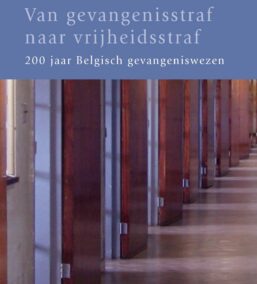
Van gevangenisstraf naar vrijheidsstraf. 200 jaar Belgisch gevangeniswezen
€ 87,50
Dit monumentale werk heeft als voorwerp de historische evolutie van de Belgische
penitentiaire regelgeving inzake het regime van gedetineerden, en dit over de
periode 1795-2006. Steunend op een indrukwekkende verzameling van ruim 6000
rechtsbronnen, worden een aantal fundamentele vragen onderzocht. Wat is het doel
van de vrijheidsberovende straf (penologische visie)? Hoe dient deze straf in concreto
te worden ingevuld? Door welke andere dan strikt penologische overwegingen wordt de
normering van het gevangenisregime aangestuurd? Dienen de gerechtelijke overheden
inspraak of beslissingsbevoegdheid te hebben met betrekking tot de interne en/of externe
regime bedeling? Door wie (wetgevende vs. uitvoerende macht) dient het penitentiair
regime juridisch genormeerd te worden, en tot op welke hoogte?
Deze publicatie is de handelsversie van het proefschrift dat op 6 februari 2008 door Eric Maes werd verdedigd aan de Katholieke Universiteit Leuven tot het behalen van de graad van doctor in de criminologische wetenschappen.
Deze publicatie is de handelsversie van het proefschrift dat op 6 februari 2008 door Eric Maes werd verdedigd aan de Katholieke Universiteit Leuven tot het behalen van de graad van doctor in de criminologische wetenschappen.
Geen voorraad
Van gevangenisstraf naar vrijheidsstraf. 200 jaar Belgisch gevangeniswezen
€ 87,50
Dit monumentale werk heeft als voorwerp de historische evolutie van de Belgische
penitentiaire regelgeving inzake het regime van gedetineerden, en dit over de
periode 1795-2006. Steunend op een indrukwekkende verzameling van ruim 6000
rechtsbronnen, worden een aantal fundamentele vragen onderzocht. Wat is het doel
van de vrijheidsberovende straf (penologische visie)? Hoe dient deze straf in concreto
te worden ingevuld? Door welke andere dan strikt penologische overwegingen wordt de
normering van het gevangenisregime aangestuurd? Dienen de gerechtelijke overheden
inspraak of beslissingsbevoegdheid te hebben met betrekking tot de interne en/of externe
regime bedeling? Door wie (wetgevende vs. uitvoerende macht) dient het penitentiair
regime juridisch genormeerd te worden, en tot op welke hoogte?
Deze publicatie is de handelsversie van het proefschrift dat op 6 februari 2008 door Eric Maes werd verdedigd aan de Katholieke Universiteit Leuven tot het behalen van de graad van doctor in de criminologische wetenschappen.
Deze publicatie is de handelsversie van het proefschrift dat op 6 februari 2008 door Eric Maes werd verdedigd aan de Katholieke Universiteit Leuven tot het behalen van de graad van doctor in de criminologische wetenschappen.
Defence Rights: International and European Developments
€ 35,00
The growing internationalisation and Europeanisation of criminal procedures create new and additional challenges to traditional defence rights.
Hence, the Ghent Bar Association, as part of its bicentennial celebration, the Bar Association of The Hague, hosting the International Tribunal for the Former Yugoslavia and the International Criminal Court (ICC), and Ghent University, conducting lead research on international and European criminal policy, have joined their forces by exploring and addressing these challenges during an international conference, entitled ‘Defence Rights: International and European Developments’, held in Ghent on 23 November 2012, of which the current volume is the conference book.
The book has a double focus: defence rights before the ICC respectively EU defence rights.
Whereas international criminal tribunals, especially the ICC, should play an exemplary role when it comes to the right to fair trial and adequate access to a lawyer, reality proves to be troublesome. This book addresses key issues in this respect: what is the status questionis of the defence position and procedural rights before international criminal tribunals, more specifically the ICC? Has the Rome statute lived up to its expectations after a decade of its application? Can defence before international tribunals keep functioning without a Bar? What are the needs for such a defence to be adequate, knowing that it balances on the borderline between the Anglo-Saxon legal system and ours? What lessons can be learnt from this? What about victims’ rights, unexplored territory for international criminal law?
At the same time, defence and procedural rights are developing as a result of different EU Directives which have been or are now being negotiated. This is of major importance to every penalist, even in strictly national cases. This book informs about and critically assesses the entire EU ‘Roadmap for strengthening procedural rights of suspected of accused persons in criminal proceedings’. The EU Directive on the right to interpretation and translation in criminal proceedings and the anticipated proposal on special safeguards in criminal procedures for suspected or accused persons who are vulnerable (especially children, the mentally ill and the mentally disabled) pass in review. Also the EU-Directives on the right to information in criminal procedure and on the right of access to a lawyer in criminal proceedings and on the right to communicate upon arrest (Salduz-Directive), which are about to revolutionize traditional domestic criminal procedural law, are being thoroughly assessed. Further, the book addresses the important implications and challenges for the legal position of detainees as a result of the recent Framework Decision on the mutual recognition of custodial sentences and measures involving deprivation of liberty. Finally, awareness is raised concerning the future of procedural rights in the framework of cross-border evidence gathering and admissibility.
This book is essential reading for both defence practitioners and scholars taking an interest in defence and procedural rights in criminal matters.
Prof. dr. Gert Vermeulen is full professor of international and European criminal law and department chair criminal law and criminology at Ghent University, director of the Institute for International Research on Criminal Policy (IRCP) and extraordinary professor of evidence at Maastricht University.
Defence Rights: International and European Developments
€ 35,00
The growing internationalisation and Europeanisation of criminal procedures create new and additional challenges to traditional defence rights.
Hence, the Ghent Bar Association, as part of its bicentennial celebration, the Bar Association of The Hague, hosting the International Tribunal for the Former Yugoslavia and the International Criminal Court (ICC), and Ghent University, conducting lead research on international and European criminal policy, have joined their forces by exploring and addressing these challenges during an international conference, entitled ‘Defence Rights: International and European Developments’, held in Ghent on 23 November 2012, of which the current volume is the conference book.
The book has a double focus: defence rights before the ICC respectively EU defence rights.
Whereas international criminal tribunals, especially the ICC, should play an exemplary role when it comes to the right to fair trial and adequate access to a lawyer, reality proves to be troublesome. This book addresses key issues in this respect: what is the status questionis of the defence position and procedural rights before international criminal tribunals, more specifically the ICC? Has the Rome statute lived up to its expectations after a decade of its application? Can defence before international tribunals keep functioning without a Bar? What are the needs for such a defence to be adequate, knowing that it balances on the borderline between the Anglo-Saxon legal system and ours? What lessons can be learnt from this? What about victims’ rights, unexplored territory for international criminal law?
At the same time, defence and procedural rights are developing as a result of different EU Directives which have been or are now being negotiated. This is of major importance to every penalist, even in strictly national cases. This book informs about and critically assesses the entire EU ‘Roadmap for strengthening procedural rights of suspected of accused persons in criminal proceedings’. The EU Directive on the right to interpretation and translation in criminal proceedings and the anticipated proposal on special safeguards in criminal procedures for suspected or accused persons who are vulnerable (especially children, the mentally ill and the mentally disabled) pass in review. Also the EU-Directives on the right to information in criminal procedure and on the right of access to a lawyer in criminal proceedings and on the right to communicate upon arrest (Salduz-Directive), which are about to revolutionize traditional domestic criminal procedural law, are being thoroughly assessed. Further, the book addresses the important implications and challenges for the legal position of detainees as a result of the recent Framework Decision on the mutual recognition of custodial sentences and measures involving deprivation of liberty. Finally, awareness is raised concerning the future of procedural rights in the framework of cross-border evidence gathering and admissibility.
This book is essential reading for both defence practitioners and scholars taking an interest in defence and procedural rights in criminal matters.
Prof. dr. Gert Vermeulen is full professor of international and European criminal law and department chair criminal law and criminology at Ghent University, director of the Institute for International Research on Criminal Policy (IRCP) and extraordinary professor of evidence at Maastricht University.