
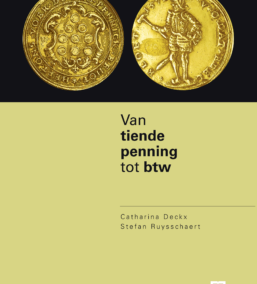
Van tiende penning tot btw
€ 27,00
In dit fiscaal-historisch boek worden er twee ogenschijnlijk
verschillende belastingvormen vergeleken,
nl. de tiende penning in de zestiende eeuw en de btw
in de twintigste eeuw.
Nagegaan wordt hoe een vorst in de late middeleeuwen aan inkomsten kwam om in zijn noden te voorzien, en hoe dat in de periode voor de invoering van de btw geregeld was. Daarna wordt de invoering onderzocht van de nieuwe belasting in de zestiende eeuw en de invoering van de btw in de twintigste eeuw. Voor beide onderdelen worden de voor- en nadelen besproken en komt het standpunt van de verschillende betrokken partijen aan bod. Vervolgens komt de eigenlijke vergelijking aan de beurt tussen de relevante artikelen van “Het Plakkaat en de Ordonnantie” en het huidige Wetboek btw.
Tot slot van het boek wordt ook de twintigste penning onderzocht en vergeleken met het registratierecht. Het boekje eindigt met een merkwaardige vaststelling.
Nagegaan wordt hoe een vorst in de late middeleeuwen aan inkomsten kwam om in zijn noden te voorzien, en hoe dat in de periode voor de invoering van de btw geregeld was. Daarna wordt de invoering onderzocht van de nieuwe belasting in de zestiende eeuw en de invoering van de btw in de twintigste eeuw. Voor beide onderdelen worden de voor- en nadelen besproken en komt het standpunt van de verschillende betrokken partijen aan bod. Vervolgens komt de eigenlijke vergelijking aan de beurt tussen de relevante artikelen van “Het Plakkaat en de Ordonnantie” en het huidige Wetboek btw.
Tot slot van het boek wordt ook de twintigste penning onderzocht en vergeleken met het registratierecht. Het boekje eindigt met een merkwaardige vaststelling.
Van tiende penning tot btw
€ 27,00
In dit fiscaal-historisch boek worden er twee ogenschijnlijk
verschillende belastingvormen vergeleken,
nl. de tiende penning in de zestiende eeuw en de btw
in de twintigste eeuw.
Nagegaan wordt hoe een vorst in de late middeleeuwen aan inkomsten kwam om in zijn noden te voorzien, en hoe dat in de periode voor de invoering van de btw geregeld was. Daarna wordt de invoering onderzocht van de nieuwe belasting in de zestiende eeuw en de invoering van de btw in de twintigste eeuw. Voor beide onderdelen worden de voor- en nadelen besproken en komt het standpunt van de verschillende betrokken partijen aan bod. Vervolgens komt de eigenlijke vergelijking aan de beurt tussen de relevante artikelen van “Het Plakkaat en de Ordonnantie” en het huidige Wetboek btw.
Tot slot van het boek wordt ook de twintigste penning onderzocht en vergeleken met het registratierecht. Het boekje eindigt met een merkwaardige vaststelling.
Nagegaan wordt hoe een vorst in de late middeleeuwen aan inkomsten kwam om in zijn noden te voorzien, en hoe dat in de periode voor de invoering van de btw geregeld was. Daarna wordt de invoering onderzocht van de nieuwe belasting in de zestiende eeuw en de invoering van de btw in de twintigste eeuw. Voor beide onderdelen worden de voor- en nadelen besproken en komt het standpunt van de verschillende betrokken partijen aan bod. Vervolgens komt de eigenlijke vergelijking aan de beurt tussen de relevante artikelen van “Het Plakkaat en de Ordonnantie” en het huidige Wetboek btw.
Tot slot van het boek wordt ook de twintigste penning onderzocht en vergeleken met het registratierecht. Het boekje eindigt met een merkwaardige vaststelling.

Models of conflict resolution (E.M. Meijers Reeks)
€ 31,48
The notions of ''conflict'' and ''conflict resolution'' have a more or less well-defined meaning in the legal world. But what do conflict and conflict resolution or conflict management mean in other fields of science and which legal and non-legal models of conflict resolution may be distinguished? Could the legal discipline as well as other branches of science learn from an interdisciplinary comparison of these interpretations and models? This book takes up these questions, by bringing together the views of international experts in anthropology, biology, psychology, juvenile sociology, economics, ideology and criminology, Anglo-American law as well as Russian law and criminology. The result is a truly interdisciplinary study of conflict and conflict resolution, which is interesting for both legal and non-legal academics and practitioners.
Models of conflict resolution (E.M. Meijers Reeks)
€ 31,48
The notions of ''conflict'' and ''conflict resolution'' have a more or less well-defined meaning in the legal world. But what do conflict and conflict resolution or conflict management mean in other fields of science and which legal and non-legal models of conflict resolution may be distinguished? Could the legal discipline as well as other branches of science learn from an interdisciplinary comparison of these interpretations and models? This book takes up these questions, by bringing together the views of international experts in anthropology, biology, psychology, juvenile sociology, economics, ideology and criminology, Anglo-American law as well as Russian law and criminology. The result is a truly interdisciplinary study of conflict and conflict resolution, which is interesting for both legal and non-legal academics and practitioners.
Cross-border execution of judgements involving deprivation of liberty in the EU (IRCP – series, 40)
€ 67,00
The introduction in 2008 of the Framework Decision on the application of the principle
of mutual recognition to judgements in criminal matters imposing custodial sentences
or measures involving deprivation of liberty for the purpose of their enforcement in
the European Union sparked discussions as to whether the practical operation of the
instrument would be compatible with its very objective, being the enhancement of
detained persons’ social rehabilitation prospects.
Transferring detained people back to their respective Member State of residence and/or nationality within the mutual recognition framework is somewhat precarious in light of the often substantial variety of Member States’ legal and prison systems. In this context, and following a call for tender by the European Commission, the authors conducted the biggest study to date on Member States’ material detention conditions, early/conditional release provisions and sentence execution modalities. In addition to exploring the diversity of legal frameworks, the study also assessed practitioners’ views on cross-border execution of custodial sentences in the EU.
This book contains both the EU level legal and practitioners’ analyses as well as the high level final report to the study, confirming preliminary concerns that flanking measures are urgently needed for a proper operation of the Framework Decision.
This is essential reading for EU policy makers, judicial and law enforcement authorities and for defence lawyers throughout the Union. Undoubtedly, this book will be an asset to everyone who is involved in or taking an interest in detention issues and cross-border execution of judgements involving deprivation of liberty in the EU.
Transferring detained people back to their respective Member State of residence and/or nationality within the mutual recognition framework is somewhat precarious in light of the often substantial variety of Member States’ legal and prison systems. In this context, and following a call for tender by the European Commission, the authors conducted the biggest study to date on Member States’ material detention conditions, early/conditional release provisions and sentence execution modalities. In addition to exploring the diversity of legal frameworks, the study also assessed practitioners’ views on cross-border execution of custodial sentences in the EU.
This book contains both the EU level legal and practitioners’ analyses as well as the high level final report to the study, confirming preliminary concerns that flanking measures are urgently needed for a proper operation of the Framework Decision.
This is essential reading for EU policy makers, judicial and law enforcement authorities and for defence lawyers throughout the Union. Undoubtedly, this book will be an asset to everyone who is involved in or taking an interest in detention issues and cross-border execution of judgements involving deprivation of liberty in the EU.
Cross-border execution of judgements involving deprivation of liberty in the EU (IRCP – series, 40)
€ 67,00
The introduction in 2008 of the Framework Decision on the application of the principle
of mutual recognition to judgements in criminal matters imposing custodial sentences
or measures involving deprivation of liberty for the purpose of their enforcement in
the European Union sparked discussions as to whether the practical operation of the
instrument would be compatible with its very objective, being the enhancement of
detained persons’ social rehabilitation prospects.
Transferring detained people back to their respective Member State of residence and/or nationality within the mutual recognition framework is somewhat precarious in light of the often substantial variety of Member States’ legal and prison systems. In this context, and following a call for tender by the European Commission, the authors conducted the biggest study to date on Member States’ material detention conditions, early/conditional release provisions and sentence execution modalities. In addition to exploring the diversity of legal frameworks, the study also assessed practitioners’ views on cross-border execution of custodial sentences in the EU.
This book contains both the EU level legal and practitioners’ analyses as well as the high level final report to the study, confirming preliminary concerns that flanking measures are urgently needed for a proper operation of the Framework Decision.
This is essential reading for EU policy makers, judicial and law enforcement authorities and for defence lawyers throughout the Union. Undoubtedly, this book will be an asset to everyone who is involved in or taking an interest in detention issues and cross-border execution of judgements involving deprivation of liberty in the EU.
Transferring detained people back to their respective Member State of residence and/or nationality within the mutual recognition framework is somewhat precarious in light of the often substantial variety of Member States’ legal and prison systems. In this context, and following a call for tender by the European Commission, the authors conducted the biggest study to date on Member States’ material detention conditions, early/conditional release provisions and sentence execution modalities. In addition to exploring the diversity of legal frameworks, the study also assessed practitioners’ views on cross-border execution of custodial sentences in the EU.
This book contains both the EU level legal and practitioners’ analyses as well as the high level final report to the study, confirming preliminary concerns that flanking measures are urgently needed for a proper operation of the Framework Decision.
This is essential reading for EU policy makers, judicial and law enforcement authorities and for defence lawyers throughout the Union. Undoubtedly, this book will be an asset to everyone who is involved in or taking an interest in detention issues and cross-border execution of judgements involving deprivation of liberty in the EU.