

Diplomatiek recht toegepast in België
Voorwoord van Didier Reynders, Vice-Eerste Minister en Minister van Buitenlandse Zaken, Buitenlandse Handel en Europese Zaken.
België telt een groot aantal diplomatieke zendingen. Deze zendingen zijn geaccrediteerd bij het Koninkrijk dan wel bij één van de verschillende internationale organisaties die België rijk is. Hun werkzaamheden alsook het juridisch statuut en de voorrechten en immuniteiten van hun leden, worden in hoofdzaak geregeld door het Verdrag van Wenen van 18 april 1961 inzake diplomatiek verkeer.
Dit boek licht de Belgische praktijk toe ten aanzien van de bovengenoemde zendingen en analyseert de wijze waarop het Verdrag van Wenen dagelijks wordt toegepast door de verschillende Belgische autoriteiten. Naast een – beperkt aantal – wettelijke en bestuursrechtelijke bepalingen vormt de overheidspraktijk, zoals voornamelijk vastgelegd in een groot aantal “circulaire nota’s” gericht aan de zendingen in België, het voorwerp van deze systematische studie. De rechtspraak van de hoven en rechtbanken wordt eveneens besproken en, waar nuttig, wordt aangeduid waar de praktijk van de overheidsdiensten en de rechtspraak van elkaar verschillen.
Dit boek is voornamelijk bedoeld als een gids voor diplomatieke zendingen gevestigd in België, maar zal verder ook ambtenaren, magistraten, advocaten en gerechtsdeurwaarders geconfronteerd met juridische vraagstukken bij de toepassing van diplomatiek recht in België interesseren, alsook studenten en onderzoekers wegwijs maken in de nationale diplomatieke praktijk.
Uitgave ook verkrijgbaar in het Engels en in het Frans.
Frédéric Dopagne, Senior Associate bij het advocatenkantoor Lorenz, doceert aan de universiteiten van Louvain (UCL), Luik (ULg) en Rijsel (UCL).
Sanderijn Duquet is Aspirant van het Fonds Wetenschappelijk Onderzoek - Vlaanderen (FWO) en doctoraal onderzoeker aan het Leuven Centre for Global Governance Studies en het Instituut voor Internationaal Recht, KU Leuven.
Bertold F. Theeuwes (ed.) is advocaat aan de Balie van Brussel en is Managing Partner bij het advocatenkantoor Lorenz waar hij aan het hoofd staat van de afdeling ‘Internationaal publiekrecht en diplomatiek recht’.
Diplomatiek recht toegepast in België
Voorwoord van Didier Reynders, Vice-Eerste Minister en Minister van Buitenlandse Zaken, Buitenlandse Handel en Europese Zaken.
België telt een groot aantal diplomatieke zendingen. Deze zendingen zijn geaccrediteerd bij het Koninkrijk dan wel bij één van de verschillende internationale organisaties die België rijk is. Hun werkzaamheden alsook het juridisch statuut en de voorrechten en immuniteiten van hun leden, worden in hoofdzaak geregeld door het Verdrag van Wenen van 18 april 1961 inzake diplomatiek verkeer.
Dit boek licht de Belgische praktijk toe ten aanzien van de bovengenoemde zendingen en analyseert de wijze waarop het Verdrag van Wenen dagelijks wordt toegepast door de verschillende Belgische autoriteiten. Naast een – beperkt aantal – wettelijke en bestuursrechtelijke bepalingen vormt de overheidspraktijk, zoals voornamelijk vastgelegd in een groot aantal “circulaire nota’s” gericht aan de zendingen in België, het voorwerp van deze systematische studie. De rechtspraak van de hoven en rechtbanken wordt eveneens besproken en, waar nuttig, wordt aangeduid waar de praktijk van de overheidsdiensten en de rechtspraak van elkaar verschillen.
Dit boek is voornamelijk bedoeld als een gids voor diplomatieke zendingen gevestigd in België, maar zal verder ook ambtenaren, magistraten, advocaten en gerechtsdeurwaarders geconfronteerd met juridische vraagstukken bij de toepassing van diplomatiek recht in België interesseren, alsook studenten en onderzoekers wegwijs maken in de nationale diplomatieke praktijk.
Uitgave ook verkrijgbaar in het Engels en in het Frans.
Frédéric Dopagne, Senior Associate bij het advocatenkantoor Lorenz, doceert aan de universiteiten van Louvain (UCL), Luik (ULg) en Rijsel (UCL).
Sanderijn Duquet is Aspirant van het Fonds Wetenschappelijk Onderzoek - Vlaanderen (FWO) en doctoraal onderzoeker aan het Leuven Centre for Global Governance Studies en het Instituut voor Internationaal Recht, KU Leuven.
Bertold F. Theeuwes (ed.) is advocaat aan de Balie van Brussel en is Managing Partner bij het advocatenkantoor Lorenz waar hij aan het hoofd staat van de afdeling ‘Internationaal publiekrecht en diplomatiek recht’.
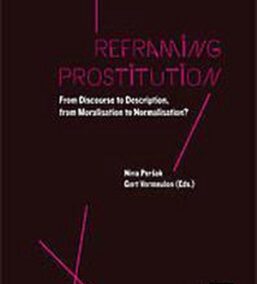
Reframing Prostitution. From Discourse to Description, From Moralisation to Normalisation?
With contributions across social science disciplines, this international collection presents
a valuable discussion on the importance of empirical studies in various segments
of prostitution, highlights social contexts around it and challenges regulatory responses
that frame our thinking about prostitution, promoting fresh debate about future policy
directions in this area.
Prof. dr. Gert Vermeulen is full professor of international and European criminal law and department chair criminal law and criminology at Ghent University, director of the Institute for International Research on Criminal Policy (IRCP) and extraordinary professor of evidence at Maastricht University.
Nina Peršak is research professor in the area of criminology and sociology of law, Institute for International Research on Criminal Policy (IRCP), Faculty of Law, Ghent University.
Reframing Prostitution. From Discourse to Description, From Moralisation to Normalisation?
With contributions across social science disciplines, this international collection presents
a valuable discussion on the importance of empirical studies in various segments
of prostitution, highlights social contexts around it and challenges regulatory responses
that frame our thinking about prostitution, promoting fresh debate about future policy
directions in this area.
Prof. dr. Gert Vermeulen is full professor of international and European criminal law and department chair criminal law and criminology at Ghent University, director of the Institute for International Research on Criminal Policy (IRCP) and extraordinary professor of evidence at Maastricht University.
Nina Peršak is research professor in the area of criminology and sociology of law, Institute for International Research on Criminal Policy (IRCP), Faculty of Law, Ghent University.
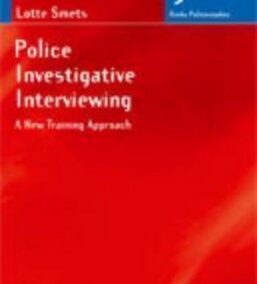
Police Investigative Interviewing. A new Training Approach (Reeks Politiestudies, nr. 3)
Today however we believe that special attention to training and education is obligatory as investigative interviewing is a specialism rather than a general police skill that anyone can easily apply. Police interviewing is a very important and specialised technique that requires efficient training including a great deal of supervised practice in both educational and real-life settings.
Based on an empirical study this book explains how two newly developed training methods, individual coaching and one-day group training, can be used to optimise daily police interview practices by coaching interviewers at work. Coaching police interviewers gives them the opportunity to acquire insight into their personal interview strengths and weaknesses. Consequently developing personal awareness will help to optimise the interview practices of individual police officers by instilling a process of self-reflection and giving the interviewers insight into how to use certain techniques.
Working with interview coaches also has the advantage that police interviewers can not only reflect on their personal practice, but they also can seek advice and guidance when preparing for and conducting complex interviews. On this level coaching is more focused on the content of the case than on interpersonal capacities – which will increase job satisfaction and can prevent tunnel vision when working on a criminal case.
Our main findings are that 52% of individually coached interviewers further developed their personal interview competences significantly, and 17% of the interviewers who received only a one-day group coaching session with their peers, showed progress after seven months on four of the five main interview competences measured by the Police Interview Competency Inventory.Based on the principles of coaching, a new way of policing will be explained when describing the two newly developed training methods, a way that will change the practical organisation of criminal investigations for good and will enhance the quality of investigative interviews.
This book is unique as no previous studies have ever empirically tested the learning effect of applying competency management and coaching as we know it from the world of trade and industry to a police interview training context.
Police Investigative Interviewing. A new Training Approach (Reeks Politiestudies, nr. 3)
Today however we believe that special attention to training and education is obligatory as investigative interviewing is a specialism rather than a general police skill that anyone can easily apply. Police interviewing is a very important and specialised technique that requires efficient training including a great deal of supervised practice in both educational and real-life settings.
Based on an empirical study this book explains how two newly developed training methods, individual coaching and one-day group training, can be used to optimise daily police interview practices by coaching interviewers at work. Coaching police interviewers gives them the opportunity to acquire insight into their personal interview strengths and weaknesses. Consequently developing personal awareness will help to optimise the interview practices of individual police officers by instilling a process of self-reflection and giving the interviewers insight into how to use certain techniques.
Working with interview coaches also has the advantage that police interviewers can not only reflect on their personal practice, but they also can seek advice and guidance when preparing for and conducting complex interviews. On this level coaching is more focused on the content of the case than on interpersonal capacities – which will increase job satisfaction and can prevent tunnel vision when working on a criminal case.
Our main findings are that 52% of individually coached interviewers further developed their personal interview competences significantly, and 17% of the interviewers who received only a one-day group coaching session with their peers, showed progress after seven months on four of the five main interview competences measured by the Police Interview Competency Inventory.Based on the principles of coaching, a new way of policing will be explained when describing the two newly developed training methods, a way that will change the practical organisation of criminal investigations for good and will enhance the quality of investigative interviews.
This book is unique as no previous studies have ever empirically tested the learning effect of applying competency management and coaching as we know it from the world of trade and industry to a police interview training context.