

Sociale zekerheid van ambtenaren en overheidswerknemers. Een onderzoek naar het proces van normalisering van het socialezekerheidsrecht in de sectoren Rijk, Gemeenten en Onderwijs
Dit proces staat bekend als normalisering van de rechtspositie van het overheidspersoneel en heeft ertoe geleid dat het socialezekerheidsrecht voor werknemers in de marktsector, zoals geregeld in de werknemersverzekeringen, van toepassing is geworden in de overheidssector.
In deze uitgave is nagegaan op welke onderdelen de socialezekerheidsrechtelijke positie van ambtenaren is gewijzigd door de toepassing van de werknemersverzekeringen in de overheidssector. Daarnaast is onderzocht in hoeverre het proces van normalisering heeft geleid tot een gelijke behandeling van ambtenaren en werknemers op het terrein van de sociale zekerheid. Dit boek biedt hierdoor inzicht in zowel de huidige socialezekerheidsrechtelijke positie van ambtenaren alsmede die uit het verleden.
De nadruk ligt daarbij op het personeel in de sectoren Rijk, Gemeenten en primair Onderwijs. De aanspraken ingeval van ziekte, arbeidsongeschiktheid en werkloosheid alsmede de uitvoering en financiering daarvan worden daarbij uitvoerig behandeld.
Om de gebruikswaarde en -vriendelijkheid van deze publicatie nog te verhogen, is zij voorzien van een uitgebreide bibliografie, een jurisprudentieregister en een exhaustief trefwoordenregister.
Linda Lanting studeerde rechten en geschiedenis aan de Rijksuniversiteit Groningen. Aan deze universiteit verrichtte zij vervolgens enige jaren onderzoek bij de Vakgroep Bestuursrecht en Bestuurskunde. Tegenwoordig is zij universitair docent aan de Universiteit van Amsterdam en de Universiteit van Tilburg. Zij publiceert regelmatig over het socialezekerheidsrecht in de overheidssector. Dit boek is het resultaat van haar promotieonderzoek.
"Het onderzoek vult een zeer grote juridische leemte op die al zeer lang bestond."
TSR/RDS - Tijdschrift voor Sociaal Recht - Revue de Droit Social
Sociale zekerheid van ambtenaren en overheidswerknemers. Een onderzoek naar het proces van normalisering van het socialezekerheidsrecht in de sectoren Rijk, Gemeenten en Onderwijs
Dit proces staat bekend als normalisering van de rechtspositie van het overheidspersoneel en heeft ertoe geleid dat het socialezekerheidsrecht voor werknemers in de marktsector, zoals geregeld in de werknemersverzekeringen, van toepassing is geworden in de overheidssector.
In deze uitgave is nagegaan op welke onderdelen de socialezekerheidsrechtelijke positie van ambtenaren is gewijzigd door de toepassing van de werknemersverzekeringen in de overheidssector. Daarnaast is onderzocht in hoeverre het proces van normalisering heeft geleid tot een gelijke behandeling van ambtenaren en werknemers op het terrein van de sociale zekerheid. Dit boek biedt hierdoor inzicht in zowel de huidige socialezekerheidsrechtelijke positie van ambtenaren alsmede die uit het verleden.
De nadruk ligt daarbij op het personeel in de sectoren Rijk, Gemeenten en primair Onderwijs. De aanspraken ingeval van ziekte, arbeidsongeschiktheid en werkloosheid alsmede de uitvoering en financiering daarvan worden daarbij uitvoerig behandeld.
Om de gebruikswaarde en -vriendelijkheid van deze publicatie nog te verhogen, is zij voorzien van een uitgebreide bibliografie, een jurisprudentieregister en een exhaustief trefwoordenregister.
Linda Lanting studeerde rechten en geschiedenis aan de Rijksuniversiteit Groningen. Aan deze universiteit verrichtte zij vervolgens enige jaren onderzoek bij de Vakgroep Bestuursrecht en Bestuurskunde. Tegenwoordig is zij universitair docent aan de Universiteit van Amsterdam en de Universiteit van Tilburg. Zij publiceert regelmatig over het socialezekerheidsrecht in de overheidssector. Dit boek is het resultaat van haar promotieonderzoek.
"Het onderzoek vult een zeer grote juridische leemte op die al zeer lang bestond."
TSR/RDS - Tijdschrift voor Sociaal Recht - Revue de Droit Social
Developing an EU level offence classification system. EU study to implement the Action Plan to measure crime and criminal justice (IRCP series, 34)
In March 2007, the European Commission, DG JLS, launched a call for tender for a “Study on the development of an EU level offence classification system and an assessment of its feasibility to supporting the implementation of the Action Plan to develop an EU strategy to measure crime and criminal justice” – The Crime Statistics Project (CSP). This book contains the fi nal report of that Project, conducted by Unisys Belgium and IRCP in the course of 2008-2009.
In the context of the project, EULOCS – the EU level offence classification system – was created. Its aim is not to become yet another compelling system that requires Member States to further harmonise domestic criminal law or to adjust national data models, but to be a reference index that could serve the different needs in the wider area of justice and home affairs. According to its authors, the area of justice and home affairs could benefi t from using EULOCS as a bench-mark, increasing the internal coherence of EU’s criminal policy.
This book is essential reading for EU policy makers, judicial and law enforcement authorities throughout the Union and from a broader international context. Undoubtedly, this book will be an asset to everyone who is involved in or taking an interest in the production of meaningful and comparable data on crime and criminal justice in Europe.
Developing an EU level offence classification system. EU study to implement the Action Plan to measure crime and criminal justice (IRCP series, 34)
In March 2007, the European Commission, DG JLS, launched a call for tender for a “Study on the development of an EU level offence classification system and an assessment of its feasibility to supporting the implementation of the Action Plan to develop an EU strategy to measure crime and criminal justice” – The Crime Statistics Project (CSP). This book contains the fi nal report of that Project, conducted by Unisys Belgium and IRCP in the course of 2008-2009.
In the context of the project, EULOCS – the EU level offence classification system – was created. Its aim is not to become yet another compelling system that requires Member States to further harmonise domestic criminal law or to adjust national data models, but to be a reference index that could serve the different needs in the wider area of justice and home affairs. According to its authors, the area of justice and home affairs could benefi t from using EULOCS as a bench-mark, increasing the internal coherence of EU’s criminal policy.
This book is essential reading for EU policy makers, judicial and law enforcement authorities throughout the Union and from a broader international context. Undoubtedly, this book will be an asset to everyone who is involved in or taking an interest in the production of meaningful and comparable data on crime and criminal justice in Europe.
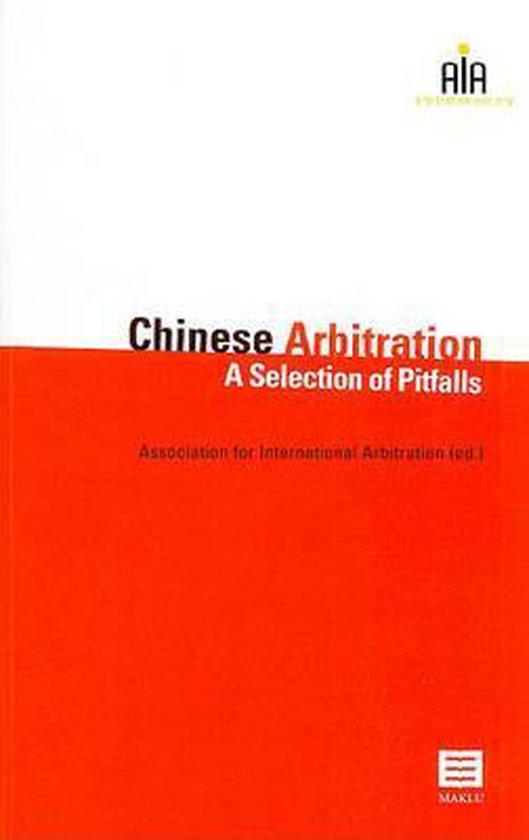
Chinese arbitration. A selection of pitfalls (AIA – Association for International Arbitration Series)
The President of AIA, Johan Billiet, highlights the differences between Chinese and ‘Western’ arbitration in his opening remarks. Fen He addresses the issue of mediation and arbitration in China whereas Patrick Zheng and Phillipe Billiet go into ICC arbitration in China. Axel Neelmeier compares the differences between CIETAC arbitration and other Asian institutions such as HKIAC, SIAC, KCAB, JCAA. Robert Pé offers a practical guide to recent developments in Chinese arbitration and Tony Zhang finally discusses the issue of recognition and enforcement of arbitral awards in China.
Chinese arbitration. A selection of pitfalls (AIA – Association for International Arbitration Series)
The President of AIA, Johan Billiet, highlights the differences between Chinese and ‘Western’ arbitration in his opening remarks. Fen He addresses the issue of mediation and arbitration in China whereas Patrick Zheng and Phillipe Billiet go into ICC arbitration in China. Axel Neelmeier compares the differences between CIETAC arbitration and other Asian institutions such as HKIAC, SIAC, KCAB, JCAA. Robert Pé offers a practical guide to recent developments in Chinese arbitration and Tony Zhang finally discusses the issue of recognition and enforcement of arbitral awards in China.
Productaansprakelijkheid – 2de, herziene uitgave (Praktijkreeks IPR, deel 18 (Nederlands Recht)
Productaansprakelijkheid – 2de, herziene uitgave (Praktijkreeks IPR, deel 18 (Nederlands Recht)
Recht in beweging. 16de VRG-Alumnidag 2009 (Reeks VRG Alumni Leuven)
"Recht in beweging", zo luidt de titel van dit boek. En zo is dat. Het recht is immers een geheel van normen, die de maatschappelijke ontwikkelingen "in goede banen" dienen te leiden. Nog nooit kende onze samenleving dergelijke explosieve ontwikkelingen, die gepaard gaan met de globalisatie van onze informatiemaatschappij enerzijds en de nieuwe technologieën anderzijds.
"Recht in beweging" is dan ook het uithangbord van onze jaarlijkse Alumnidagen. Nu de zestiende op rij.
Dit boek bevat de tekst van de lezingen, die op 6 maart 2009 door niet minder dan 600 juristen beluisterd en besproken werden.
Meteen een bundel van onschatbare waarde. De laatste stand van zaken en nog meer dan dat.
Recht in beweging. 16de VRG-Alumnidag 2009 (Reeks VRG Alumni Leuven)
"Recht in beweging", zo luidt de titel van dit boek. En zo is dat. Het recht is immers een geheel van normen, die de maatschappelijke ontwikkelingen "in goede banen" dienen te leiden. Nog nooit kende onze samenleving dergelijke explosieve ontwikkelingen, die gepaard gaan met de globalisatie van onze informatiemaatschappij enerzijds en de nieuwe technologieën anderzijds.
"Recht in beweging" is dan ook het uithangbord van onze jaarlijkse Alumnidagen. Nu de zestiende op rij.
Dit boek bevat de tekst van de lezingen, die op 6 maart 2009 door niet minder dan 600 juristen beluisterd en besproken werden.
Meteen een bundel van onschatbare waarde. De laatste stand van zaken en nog meer dan dat.
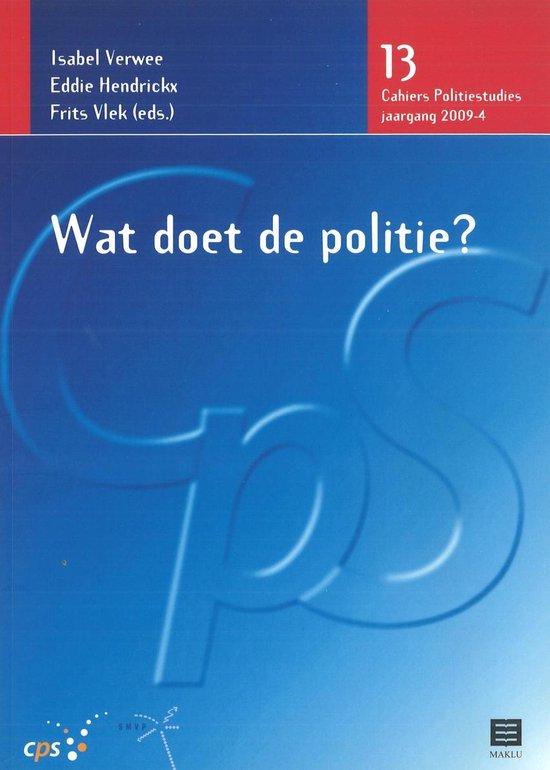
Wat doet de politie? (CPS 2009 – 4, nr. 13)
De gemeenschapsgerichte politiezorg werd het officiële denkkader in België, en de politie krijgt dus een brede dienstverlenende opdracht ten aanzien van de burger. Onderzoek toont aan dat de politie voor deze taak veel van haar middelen aanwendt en dat deze vormen van dienstverlening deel uitmaken van de lokale veiligheidsplannen. Anderzijds verwachten de overheden dat de politie veel investeert in de bestrijding van de zware vormen van criminaliteit. De vastgelegde prioriteiten van het nationaal veiligheidsplan getuigen hiervan. De basispolitie besteedt echter slechts 20% van haar capaciteit aan deze laatste opdracht. Dit Cahier biedt een concreet antwoord op de vraag wat de politie nu eigenlijk doet.
Wat doet de politie? (CPS 2009 – 4, nr. 13)
De gemeenschapsgerichte politiezorg werd het officiële denkkader in België, en de politie krijgt dus een brede dienstverlenende opdracht ten aanzien van de burger. Onderzoek toont aan dat de politie voor deze taak veel van haar middelen aanwendt en dat deze vormen van dienstverlening deel uitmaken van de lokale veiligheidsplannen. Anderzijds verwachten de overheden dat de politie veel investeert in de bestrijding van de zware vormen van criminaliteit. De vastgelegde prioriteiten van het nationaal veiligheidsplan getuigen hiervan. De basispolitie besteedt echter slechts 20% van haar capaciteit aan deze laatste opdracht. Dit Cahier biedt een concreet antwoord op de vraag wat de politie nu eigenlijk doet.
De relatie in de strafrechtsketen tussen politie, parket, onderzoeksrechter en rechtbank (CPS 2009 – 3, nr. 12)
In dit Cahier worden de horizontale, verticale en diagonale bindingen en knelpunten tussen politie, parket, onderzoeksrechter en zetel geduid. In het ganse proces van de strafrechtsketen zijn diverse actoren werkzaam i.f.v. het einddoel namelijk het leveren van een legitieme, efficiënte en effectieve strafvervolging en –uitvoering. Hoe deze actoren in interactie treden, wat de wettelijke bepalingen terzake zijn en of dit op de werkvloer al dan niet tot problemen aanleiding is, maakt de kernprobleemstelling uit van dit Cahier.
De relatie in de strafrechtsketen tussen politie, parket, onderzoeksrechter en rechtbank (CPS 2009 – 3, nr. 12)
In dit Cahier worden de horizontale, verticale en diagonale bindingen en knelpunten tussen politie, parket, onderzoeksrechter en zetel geduid. In het ganse proces van de strafrechtsketen zijn diverse actoren werkzaam i.f.v. het einddoel namelijk het leveren van een legitieme, efficiënte en effectieve strafvervolging en –uitvoering. Hoe deze actoren in interactie treden, wat de wettelijke bepalingen terzake zijn en of dit op de werkvloer al dan niet tot problemen aanleiding is, maakt de kernprobleemstelling uit van dit Cahier.
Restorative policing (CPS 2009 – 2, nr. 11)
This volume describes and conceptualises the incorporation of these restorative practices within day-to-day policing in the Low Countries, together with some practices from England and Wales. Some restorative practices involve the police responding to criminal offences, but passing the case on for mediation to other agencies. In other situations, the police are much more active within the restorative process, taking the role of mediator themselves. So police may undertake mediation, refer cases to mediation and/or signpost the possibility of mediation to the parties, depending on the situation and the schemes in place in each town and country.
Sinds Community (Oriented) Policing (COP) als officieel denkkader werd aanvaard in ons land is meer en meer het besef doorgedrongen dat de politie een brede dienstverlenende opdracht heeft ten aanzien van de bevolking. Op het kruispunt van herstelrecht en gemeenschapsgerichte politiezorg ontwikkelden zich de laatste jaren lokaal een aantal boeiende praktijken. Politiemensen spreken burgers hierbij aan om zelf in onderling overleg op zoek te gaan naar mogelijkheden tot herstel. In dit Cahier worden mogelijkheden van herstelgerichte praktijken op politieniveau verkend. Hierbij wordt gekeken naar praktijken in binnen- en buitenland en worden de resultaten van het beschikbare wetenschappelijk onderzoek onder de aandacht gebracht.
Restorative policing (CPS 2009 – 2, nr. 11)
This volume describes and conceptualises the incorporation of these restorative practices within day-to-day policing in the Low Countries, together with some practices from England and Wales. Some restorative practices involve the police responding to criminal offences, but passing the case on for mediation to other agencies. In other situations, the police are much more active within the restorative process, taking the role of mediator themselves. So police may undertake mediation, refer cases to mediation and/or signpost the possibility of mediation to the parties, depending on the situation and the schemes in place in each town and country.
Sinds Community (Oriented) Policing (COP) als officieel denkkader werd aanvaard in ons land is meer en meer het besef doorgedrongen dat de politie een brede dienstverlenende opdracht heeft ten aanzien van de bevolking. Op het kruispunt van herstelrecht en gemeenschapsgerichte politiezorg ontwikkelden zich de laatste jaren lokaal een aantal boeiende praktijken. Politiemensen spreken burgers hierbij aan om zelf in onderling overleg op zoek te gaan naar mogelijkheden tot herstel. In dit Cahier worden mogelijkheden van herstelgerichte praktijken op politieniveau verkend. Hierbij wordt gekeken naar praktijken in binnen- en buitenland en worden de resultaten van het beschikbare wetenschappelijk onderzoek onder de aandacht gebracht.
Politionele bestuurlijke informatiestromen (CPS 2009 – 1, nr. 10) (ISSN 1784-5300)
Dit Cahier zet de politiële bestuurlijke informatiestromen in de kijker, waarbij de diverse facetten en/of problemen waar politie bij het beheer van informatie mee te maken heeft op verschillende niveaus (federaal, arrondissementeel, provinciaal en lokaal) aan bod komen. Naast de resultaten van een recent wetenschappelijk onderzoek naar bestuurlijke informatiestromen wordt dit Cahier aangevuld met bijdragen van professionelen uit diverse hoeken zoals de privacycommissie, het comité P en leidinggevenden binnen verschillende bestuurlijke en politiële niveaus.
Politionele bestuurlijke informatiestromen (CPS 2009 – 1, nr. 10) (ISSN 1784-5300)
Dit Cahier zet de politiële bestuurlijke informatiestromen in de kijker, waarbij de diverse facetten en/of problemen waar politie bij het beheer van informatie mee te maken heeft op verschillende niveaus (federaal, arrondissementeel, provinciaal en lokaal) aan bod komen. Naast de resultaten van een recent wetenschappelijk onderzoek naar bestuurlijke informatiestromen wordt dit Cahier aangevuld met bijdragen van professionelen uit diverse hoeken zoals de privacycommissie, het comité P en leidinggevenden binnen verschillende bestuurlijke en politiële niveaus.
Onroerende verhuur met btw? Het kan!
De onroerende verhuur is in principe vrijgesteld van btw. Dit vormt voor investeerders die gebouwen optrekken om nadien te verhuren een zware kost vermits de voorbelasting niet aftrekbaar is.
Toch bestaan er in bepaalde gevallen mogelijkheden om met btw te verhuren. Dit boek geeft een overzicht van de mogelijkheden waarover investeerders beschikken om met btw te verhuren en op die manier de btw te recupereren.
Dit boek geeft een duidelijk afgelijnd overzicht van hoe het systeem werkt van een klassieke onroerende verhuur, de verhuur van garages en parking, opslagruimte, aparthotels enzovoort. Zowel de verhuur in de privésector als de verhuur in de openbare sector (concessies) komen aan bod.
Stefan Ruysschaert is werkzaam bij de Federale Overheidsdienst Financiën als eerstaanwezend inspecteur bij een fiscaal bestuur. Hij is docent btw en auteur van talrijke bijdragen op fiscaal vlak in toonaangevende tijdschriften en boeken. Hij is redactielid van Fiscalnet, het Tijdschrift Huur en van het Tijdschrift Verkoop Vastgoed. Hij doceert de grondige studie van de btw aan de Hogeschool Gent.
Onroerende verhuur met btw? Het kan!
De onroerende verhuur is in principe vrijgesteld van btw. Dit vormt voor investeerders die gebouwen optrekken om nadien te verhuren een zware kost vermits de voorbelasting niet aftrekbaar is.
Toch bestaan er in bepaalde gevallen mogelijkheden om met btw te verhuren. Dit boek geeft een overzicht van de mogelijkheden waarover investeerders beschikken om met btw te verhuren en op die manier de btw te recupereren.
Dit boek geeft een duidelijk afgelijnd overzicht van hoe het systeem werkt van een klassieke onroerende verhuur, de verhuur van garages en parking, opslagruimte, aparthotels enzovoort. Zowel de verhuur in de privésector als de verhuur in de openbare sector (concessies) komen aan bod.
Stefan Ruysschaert is werkzaam bij de Federale Overheidsdienst Financiën als eerstaanwezend inspecteur bij een fiscaal bestuur. Hij is docent btw en auteur van talrijke bijdragen op fiscaal vlak in toonaangevende tijdschriften en boeken. Hij is redactielid van Fiscalnet, het Tijdschrift Huur en van het Tijdschrift Verkoop Vastgoed. Hij doceert de grondige studie van de btw aan de Hogeschool Gent.

The new EU directive on mediation (AIA – Association for International Arbitration Series)
The reader will find some typical mediation related aspects critically discussed.
strong>Philippe Billiet and Ewa Kurlanda introduce the reader to the rise of the European pro-mediation idea and the characteristics of the New Mediation Directive. The Directive itself are being assessed more critically by Phillip Howell-Richardson. Frank Fleerackers presents the way how the training of mediators (one of the key rules of the New Mediation Directive) should be implemented into the European education practice of mediators. Ivan Verougstraete, president of Gemme, discusses the task and possibilities of judges to invite parties to participate in mediation. At last, this work provides some comparative discussions of the European, American and Chinese perspectives on mediation and mediation practices. William O’Brian assesses how European mediation can be improved by looking at some American mediation issues. Li Mingqian demonstrates how far Chinese mediation perspectives can be reconciled with the current European mediation philosophy.
The new EU directive on mediation (AIA – Association for International Arbitration Series)
The reader will find some typical mediation related aspects critically discussed.
strong>Philippe Billiet and Ewa Kurlanda introduce the reader to the rise of the European pro-mediation idea and the characteristics of the New Mediation Directive. The Directive itself are being assessed more critically by Phillip Howell-Richardson. Frank Fleerackers presents the way how the training of mediators (one of the key rules of the New Mediation Directive) should be implemented into the European education practice of mediators. Ivan Verougstraete, president of Gemme, discusses the task and possibilities of judges to invite parties to participate in mediation. At last, this work provides some comparative discussions of the European, American and Chinese perspectives on mediation and mediation practices. William O’Brian assesses how European mediation can be improved by looking at some American mediation issues. Li Mingqian demonstrates how far Chinese mediation perspectives can be reconciled with the current European mediation philosophy.
Readings on Criminal Justice, Criminal Law & Policing ((GofS) – Governance of Security Research Paper Series, Vol. 2)
Gofs is concentrating its research around the study of administrative and judicial policy that has been developed with respect to new issues of crime and insecurity.
This Series will appear annually comprising current perspectives especially on policing, law and regulation, governance initiatives on the European level, financial and economic crimes, drugs and drug related issues, research methods in the study of crime and crime control, new criminal phenomena, and theoretical criminology, written by members of the Research Group Governance of Security.
Maklu Quality Label: The Series contains articles that have been submitted to international double blind peer review by internationally renowned scholars.
Readings on Criminal Justice, Criminal Law & Policing ((GofS) – Governance of Security Research Paper Series, Vol. 2)
Gofs is concentrating its research around the study of administrative and judicial policy that has been developed with respect to new issues of crime and insecurity.
This Series will appear annually comprising current perspectives especially on policing, law and regulation, governance initiatives on the European level, financial and economic crimes, drugs and drug related issues, research methods in the study of crime and crime control, new criminal phenomena, and theoretical criminology, written by members of the Research Group Governance of Security.
Maklu Quality Label: The Series contains articles that have been submitted to international double blind peer review by internationally renowned scholars.