
Vrouwen in de wetenschappelijke arena. Sociale sluiting in de universiteit
€ 15,00
Op voorraad
Boek informatie
ISBN 13
9789055892020
Auteur(s)
Barbara van Balen
NUR
-
Gerelateerde producten
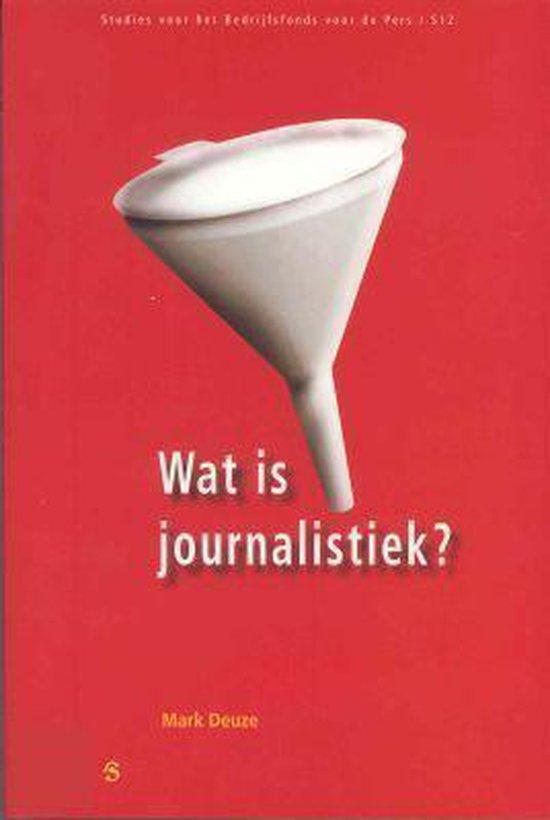
Wat is journalistiek?
€ 24,90
Wat is journalistiek? is een onmisbare aanvulling op de bestaande Nederlandse literatuur over het vak en haar beroepsoefenaren en is vooral bedoeld voor journalisten en iedereen die oprecht geïnteresseerd is in het denken en doen van zij, die elke dag voor ons nieuws over de wereld verantwoordelijk zijn.
Mark Deuze is journalist en communicatiewetenschapper en was verbonden aan de afdeling Communicatiewetenschap van de Universiteit van Amsterdam. Momenteel is hij verbonden aan de Indiana University School of Journalism in Bloomington (USA).
Wat is journalistiek?
€ 24,90
Wat is journalistiek? is een onmisbare aanvulling op de bestaande Nederlandse literatuur over het vak en haar beroepsoefenaren en is vooral bedoeld voor journalisten en iedereen die oprecht geïnteresseerd is in het denken en doen van zij, die elke dag voor ons nieuws over de wereld verantwoordelijk zijn.
Mark Deuze is journalist en communicatiewetenschapper en was verbonden aan de afdeling Communicatiewetenschap van de Universiteit van Amsterdam. Momenteel is hij verbonden aan de Indiana University School of Journalism in Bloomington (USA).
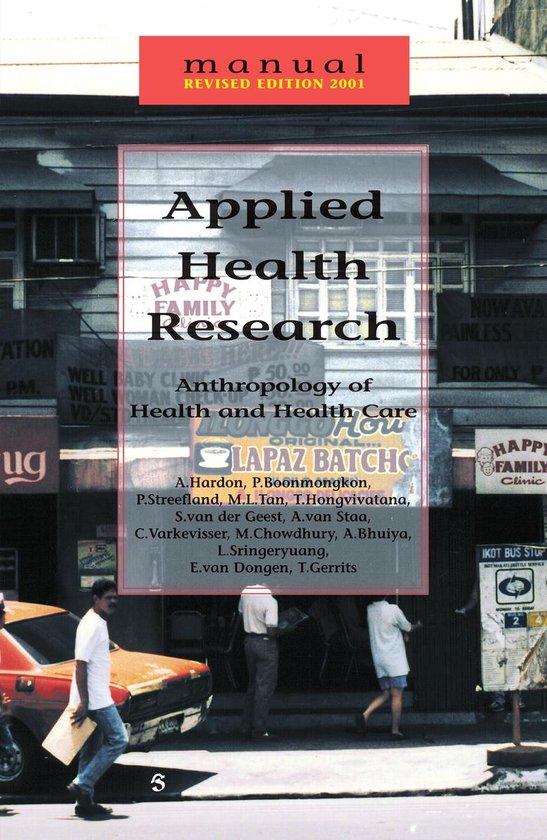
Applied Health Research. Anthropology of Health Care
€ 28,00
There is increasing recognition that socio-economic and cultural factors are prime determinants of health and health care. What factors contribute to the acceptance of community health financing or a vaccination program? What are the needs of the growing group of elderly people or psychatric patients? What social and cultural factors should be taken into account to operationalize all ambitious plans to improve reproductive health care? These are only some of the questions health professionals and health planners are confronted with.
Anthropological research can be a tremendous support to health programmes, by giving insights in the perspective of recipients and providers of health programmes and health care, and also by providing managers and implementors of these programmes with mechanisms and strategies that could lead to a reorientation of health care programmes and policies towards the actual needs of the target group.
The need for training in anthropology of health and health care has been expressed by social scientists involved in multi-disciplinary health research projects, and public health staff at different levels, who are involved in providing health education and primary health care and who - in implementing the health programmes - are confronted with difficulties related to the socio-cultural context in which they work.
It is for this reason that the International Course in Anthropology of Health and Health Care has been developed. This course has been designed for research officers of public health institutes, coordinators of community health care programmes, project staff, responsible for the implementation of various health programmes, public health professionals, social science lecturers at universities, and junior social scientists, who intend to specialize in Anthropology of Health and Health Care.
The course takes a multi-disciplinary approach and focuses on a number of important problem areas and issues, such as vaccination, reproductive health and AIDS, equity and community health financing, self-care and the use and distribution of pharmaceuticals.
The manual in its earlier editions has been used since years for teaching in the field of applied medical anthropology and public health in academic institutions worldwide.
Applied Health Research. Anthropology of Health Care
€ 28,00
There is increasing recognition that socio-economic and cultural factors are prime determinants of health and health care. What factors contribute to the acceptance of community health financing or a vaccination program? What are the needs of the growing group of elderly people or psychatric patients? What social and cultural factors should be taken into account to operationalize all ambitious plans to improve reproductive health care? These are only some of the questions health professionals and health planners are confronted with.
Anthropological research can be a tremendous support to health programmes, by giving insights in the perspective of recipients and providers of health programmes and health care, and also by providing managers and implementors of these programmes with mechanisms and strategies that could lead to a reorientation of health care programmes and policies towards the actual needs of the target group.
The need for training in anthropology of health and health care has been expressed by social scientists involved in multi-disciplinary health research projects, and public health staff at different levels, who are involved in providing health education and primary health care and who - in implementing the health programmes - are confronted with difficulties related to the socio-cultural context in which they work.
It is for this reason that the International Course in Anthropology of Health and Health Care has been developed. This course has been designed for research officers of public health institutes, coordinators of community health care programmes, project staff, responsible for the implementation of various health programmes, public health professionals, social science lecturers at universities, and junior social scientists, who intend to specialize in Anthropology of Health and Health Care.
The course takes a multi-disciplinary approach and focuses on a number of important problem areas and issues, such as vaccination, reproductive health and AIDS, equity and community health financing, self-care and the use and distribution of pharmaceuticals.
The manual in its earlier editions has been used since years for teaching in the field of applied medical anthropology and public health in academic institutions worldwide.
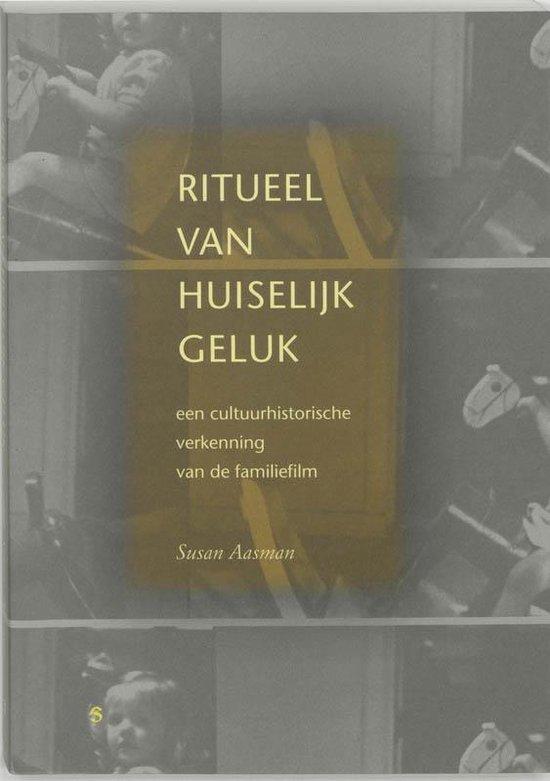
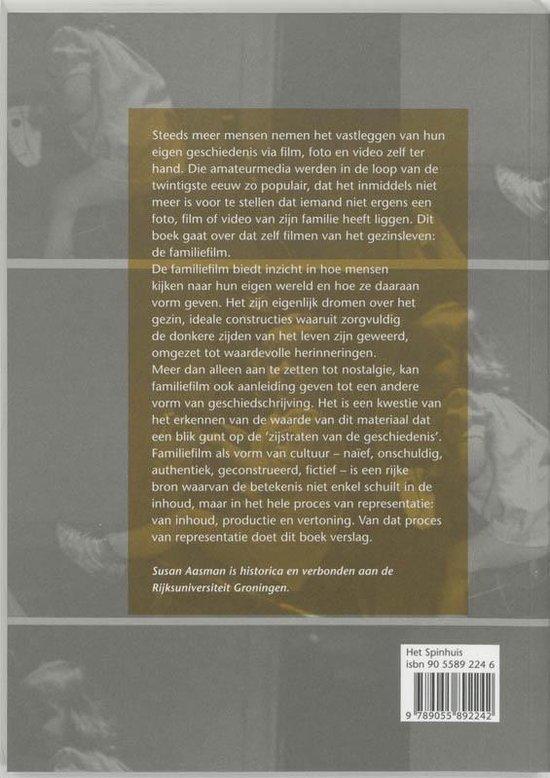
Ritueel van huiselijk geluk. Een cultuurhistorische verkenning van de familiefilm
€ 30,00
Steeds meer mensen nemen het vastleggen van hun eigen geschiedenis via film, foto en video zelf ter hand. Die amateurmedia werden in de loop van de twintigste eeuw zo populair, dat het inmiddels niet meer is voor te stellen dat iemand niet ergens een foto, film of video van zijn familie heeft liggen. Dit boek gaat over dat zelf filmen van het gezinsleven: de familiefilm.
De familiefilm biedt inzicht in hoe mensen kijken naar hun eigen wereld en hoe ze daaraan vorm geven. Het zijn eigenlijk dromen over het gezin, ideale constructies waaruit zorgvuldig de donkere zijden van het leven zijn geweerd, omgezet tot waardevolle herinneringen.
Meer dan alleen aan te zetten tot nostalgie, kan familiefilm ook aanleiding geven tot een andere vorm van geschiedschrijving. Het is een kwestie van het erkennen van de waarde van dit materiaal dat een blik gunt op de ''zijstraten van de geschiedenis''.
Familiefilm als vorm van cultuur – naïef, onschuldig, authentiek, geconstrueerd, fictief – is een rijke bron waarvan de betekenis niet enkel schuilt in de inhoud, maar in het hele proces van representatie: van inhoud, productie en vertoning. Van dat proces van representatie doet dit boek verslag.
Suzanne Aasman is historica en verbonden aan de Rijksuniversiteit Groningen.
Ritueel van huiselijk geluk. Een cultuurhistorische verkenning van de familiefilm
€ 30,00
Steeds meer mensen nemen het vastleggen van hun eigen geschiedenis via film, foto en video zelf ter hand. Die amateurmedia werden in de loop van de twintigste eeuw zo populair, dat het inmiddels niet meer is voor te stellen dat iemand niet ergens een foto, film of video van zijn familie heeft liggen. Dit boek gaat over dat zelf filmen van het gezinsleven: de familiefilm.
De familiefilm biedt inzicht in hoe mensen kijken naar hun eigen wereld en hoe ze daaraan vorm geven. Het zijn eigenlijk dromen over het gezin, ideale constructies waaruit zorgvuldig de donkere zijden van het leven zijn geweerd, omgezet tot waardevolle herinneringen.
Meer dan alleen aan te zetten tot nostalgie, kan familiefilm ook aanleiding geven tot een andere vorm van geschiedschrijving. Het is een kwestie van het erkennen van de waarde van dit materiaal dat een blik gunt op de ''zijstraten van de geschiedenis''.
Familiefilm als vorm van cultuur – naïef, onschuldig, authentiek, geconstrueerd, fictief – is een rijke bron waarvan de betekenis niet enkel schuilt in de inhoud, maar in het hele proces van representatie: van inhoud, productie en vertoning. Van dat proces van representatie doet dit boek verslag.
Suzanne Aasman is historica en verbonden aan de Rijksuniversiteit Groningen.
Geen voorraad
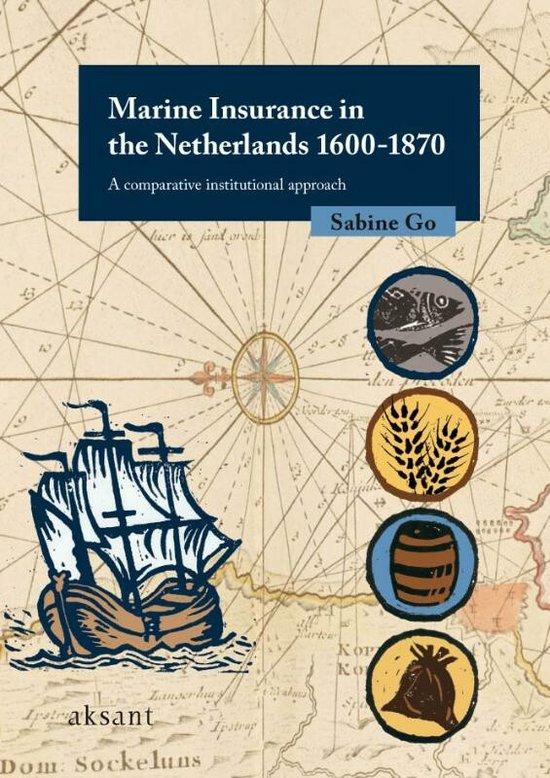
Marine Insurance in the Netherlands 1600-1870. A comparative institutional approach
€ 39,90
Marine insurance has been of great importance to the expansion of long distance trade and economic growth in the early modern period, in particular for seafaring nations such as the Dutch Republic. The Amsterdam market became Europe's leading insurance market and within the Republic other insurance systems also emerged. Little is known about the differing institutional frameworks governing these industries and the interaction between the institutions and the actors in the industry. This study will examine the development of marine insurance in the Netherlands in Amsterdam, Rotterdam and the province of Groningen from c. 1600 to 1870 from an institutional point of view. It will examine how the behaviour of authorities, insurers, underwriters and brokers was affected by the formal and informal constraints of the industry and how in turn their conduct has influenced the institutional framework and induced institutional change. A comparative institutional analysis will be made of three insurance systems in the Netherlands, each with its own distinctive characteristics. The interaction between institutions and actors will be studied in relation to the effects of technological innovations and international geo-political changes. By examining developments over a period of two and half centuries the path of long-term institutional change becomes discernable.
Geen voorraad
Marine Insurance in the Netherlands 1600-1870. A comparative institutional approach
€ 39,90
Marine insurance has been of great importance to the expansion of long distance trade and economic growth in the early modern period, in particular for seafaring nations such as the Dutch Republic. The Amsterdam market became Europe's leading insurance market and within the Republic other insurance systems also emerged. Little is known about the differing institutional frameworks governing these industries and the interaction between the institutions and the actors in the industry. This study will examine the development of marine insurance in the Netherlands in Amsterdam, Rotterdam and the province of Groningen from c. 1600 to 1870 from an institutional point of view. It will examine how the behaviour of authorities, insurers, underwriters and brokers was affected by the formal and informal constraints of the industry and how in turn their conduct has influenced the institutional framework and induced institutional change. A comparative institutional analysis will be made of three insurance systems in the Netherlands, each with its own distinctive characteristics. The interaction between institutions and actors will be studied in relation to the effects of technological innovations and international geo-political changes. By examining developments over a period of two and half centuries the path of long-term institutional change becomes discernable.