
Uitgerekend europa. Geschiedenis van de Europese integratie.Vierde herziene druk.
€ 20,00
De 4e herziene en uitgebreide druk van deze klassieker over de geschiedenis van de Europese integratie. Deze editie is geactualiseerd door dr. A.G. Harryvan en J. van der Harst.
De 4e herziene en uitgebreide druk van deze klassieker over de geschiedenis van de Europese integratie. Deze editie is geactualiseerd door dr. A.G. Harryvan en J. van der Harst.
Aanvullende informatie
| Gewicht | 0,02 kg |
|---|---|
| Afmetingen | 26 × 17 × 2 cm |
Boek informatie
ISBN 13
9789055892273
Auteur(s)
J. Hermans
NUR
680 - Geschiedenis algemeen
Gerelateerde producten
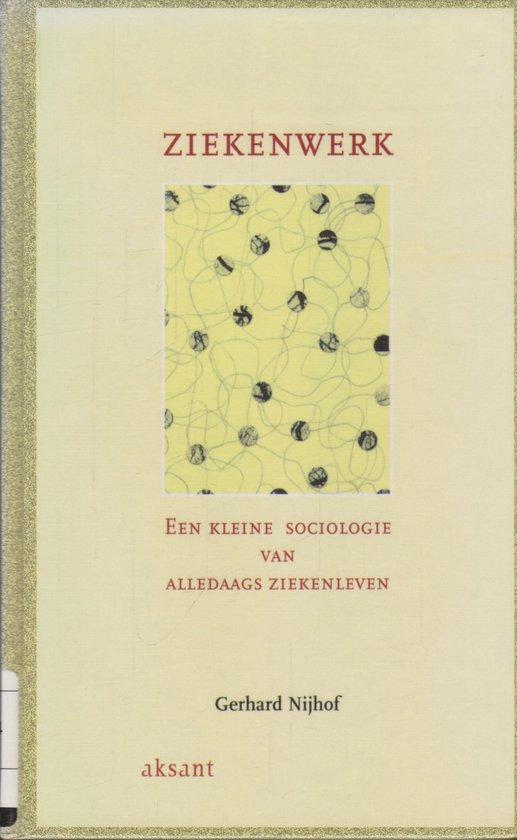
Ziekenwerk. Een kleine sociologie van alledaags ziekenleven
€ 13,50
Hij is al jarenlang hoogleraar Medische Sociologie en dan wordt op een dag bij hem darmkanker geconstateerd. Na de geweldige emotionele schok ondergaat hij de bij het ziektebeeld passende medische behandeling. Gaandeweg dat medische traject beseft hij tot zijn verbijstering dat er dingen gebeuren waarover hij in de vakliteratuur zo nooit eerder gelezen had. Dit overkwam Gerhard Nijhof, hoogleraar Medische Sociologie aan de Universiteit van Amsterdam.
Toen hij zich dit realiseerde ging hij tijdens zijn ziekbed en zijn revalidatie in een schrift bijhouden wat hem overkwam, wat hij constateerde en waar dat niet spoorde met zijn kennis van zijn vakliteratuur.
Deze voortdurende verbinding van een observatie of een persoonlijke ervaring met een afstandelijk wetenschappelijk verwoord thema maakt dit boek tot een indringend verslag van een ‘alledaags’ leven van een zieke.
Aanbevolen voor iedereen die werkzaam is in de gezondheidszorg, diegenen die in de directe omgeving te maken heeft met langdurige (ernstig) zieken en voor geïnteresseerden in de medische sociologie.
Gerhard Nijhof is hoogleraar Medische Sociologie aan de Universiteit van Amsterdam.
Ziekenwerk. Een kleine sociologie van alledaags ziekenleven
€ 13,50
Hij is al jarenlang hoogleraar Medische Sociologie en dan wordt op een dag bij hem darmkanker geconstateerd. Na de geweldige emotionele schok ondergaat hij de bij het ziektebeeld passende medische behandeling. Gaandeweg dat medische traject beseft hij tot zijn verbijstering dat er dingen gebeuren waarover hij in de vakliteratuur zo nooit eerder gelezen had. Dit overkwam Gerhard Nijhof, hoogleraar Medische Sociologie aan de Universiteit van Amsterdam.
Toen hij zich dit realiseerde ging hij tijdens zijn ziekbed en zijn revalidatie in een schrift bijhouden wat hem overkwam, wat hij constateerde en waar dat niet spoorde met zijn kennis van zijn vakliteratuur.
Deze voortdurende verbinding van een observatie of een persoonlijke ervaring met een afstandelijk wetenschappelijk verwoord thema maakt dit boek tot een indringend verslag van een ‘alledaags’ leven van een zieke.
Aanbevolen voor iedereen die werkzaam is in de gezondheidszorg, diegenen die in de directe omgeving te maken heeft met langdurige (ernstig) zieken en voor geïnteresseerden in de medische sociologie.
Gerhard Nijhof is hoogleraar Medische Sociologie aan de Universiteit van Amsterdam.

Bridges & Watersheds. A narrative analysis of watermanagement in England, Wales and the Netherlands
€ 22,50
What is good water management, if we take scarcity of water, combined with climate change, the rise of sea level and a growing world population into account? Can water management be privatized? Or should the role and the position of the nation state even be strengthened to protect the environment and the citizens? Dicke has conducted a narrative analysis of water management in England, Wales and the Netherlands. Hundred years ago, water used to be a national public good. The nation state was pivotal in water management. Nowadays, water is considered to be part of a global water system. This view transforms water from a national to a global public good. As a result, the nation state is not the only actor, which has a say in the management of this global public good. This transformation places the public private divide once again at the center of attention.
The present debate about privatization, both in England and in the Netherlands, is incomplete. It does not take all dimensions of the public private divide into account. Dicke suggests that both visibility (transparency) and collectivity (water belongs to us all) should be considered. The issue is not whether water management is provided by a nation state or not. The issue should be whether the dimensions of collectivity and visibility are well balanced. This can only be achieved through a restoration of the link between water and society.
Willemijn Dicke is assistant professor at Delft University of Technology at the Department of Public Management Organisation & Management.
Bridges & Watersheds. A narrative analysis of watermanagement in England, Wales and the Netherlands
€ 22,50
What is good water management, if we take scarcity of water, combined with climate change, the rise of sea level and a growing world population into account? Can water management be privatized? Or should the role and the position of the nation state even be strengthened to protect the environment and the citizens? Dicke has conducted a narrative analysis of water management in England, Wales and the Netherlands. Hundred years ago, water used to be a national public good. The nation state was pivotal in water management. Nowadays, water is considered to be part of a global water system. This view transforms water from a national to a global public good. As a result, the nation state is not the only actor, which has a say in the management of this global public good. This transformation places the public private divide once again at the center of attention.
The present debate about privatization, both in England and in the Netherlands, is incomplete. It does not take all dimensions of the public private divide into account. Dicke suggests that both visibility (transparency) and collectivity (water belongs to us all) should be considered. The issue is not whether water management is provided by a nation state or not. The issue should be whether the dimensions of collectivity and visibility are well balanced. This can only be achieved through a restoration of the link between water and society.
Willemijn Dicke is assistant professor at Delft University of Technology at the Department of Public Management Organisation & Management.

Air-conditioned lifestyle. Nieuwe rijken in Jakarta
€ 13,80
Dit boek gaat over de ''Orang Kaya Baru'', de nieuwe rijken van het moderne Jakarta (Indonesië). Zij vormen de bovenste laag van de middenklasse, die in het midden van de jaren zestig is ontstaan na de explosieve economische ontwikkeling, die door Soeharto''s autoritaire ''Orde Baru'' (Nieuwe Orde) in gang is gezet.
Deze snel groeiende middenklasse jogt voor het werk, consumeert afwisselend fastfood en health food en kijkt ''s avonds onderuitgezakt voor de buis naar soaps, waarin joggen, fastfood en moderne relatieperikelen centraal staan. Een ogenschijnlijk universele manier van leven, vol met de voortbrengselen van de moderne massaproductie.
Dit consumptiepatroon is een relatief nieuw fenomeen in deze niet-westerse culturen. Daar zijn het vaak de ''nouveaux riches'' die dit fenomeen het eerst en het hevigst omarmen, want alleen door hun consumptiegedrag kunnen zij zich van de rest van de samenleving onderscheiden; kenmerkend voor de oude elite is immers haar aristocratische afkomst en opstelling. De moderne consumptie is zo een ideale uitdrukking voor de nieuwe sociale status van de zich gestaag uitbreidende middenklasse.
De ''Orang Kaya Baru'' is het meest gebaat bij de stabiliteit en overzichtelijkheid, die door de economische politiek van de ''Orde Baru'' is ontstaan; zij hebben veel te verliezen.
Lizzy van Leeuwen is jurist en antropoloog en thans werkzaam bij de Gemeente Amsterdam.
Air-conditioned lifestyle. Nieuwe rijken in Jakarta
€ 13,80
Dit boek gaat over de ''Orang Kaya Baru'', de nieuwe rijken van het moderne Jakarta (Indonesië). Zij vormen de bovenste laag van de middenklasse, die in het midden van de jaren zestig is ontstaan na de explosieve economische ontwikkeling, die door Soeharto''s autoritaire ''Orde Baru'' (Nieuwe Orde) in gang is gezet.
Deze snel groeiende middenklasse jogt voor het werk, consumeert afwisselend fastfood en health food en kijkt ''s avonds onderuitgezakt voor de buis naar soaps, waarin joggen, fastfood en moderne relatieperikelen centraal staan. Een ogenschijnlijk universele manier van leven, vol met de voortbrengselen van de moderne massaproductie.
Dit consumptiepatroon is een relatief nieuw fenomeen in deze niet-westerse culturen. Daar zijn het vaak de ''nouveaux riches'' die dit fenomeen het eerst en het hevigst omarmen, want alleen door hun consumptiegedrag kunnen zij zich van de rest van de samenleving onderscheiden; kenmerkend voor de oude elite is immers haar aristocratische afkomst en opstelling. De moderne consumptie is zo een ideale uitdrukking voor de nieuwe sociale status van de zich gestaag uitbreidende middenklasse.
De ''Orang Kaya Baru'' is het meest gebaat bij de stabiliteit en overzichtelijkheid, die door de economische politiek van de ''Orde Baru'' is ontstaan; zij hebben veel te verliezen.
Lizzy van Leeuwen is jurist en antropoloog en thans werkzaam bij de Gemeente Amsterdam.
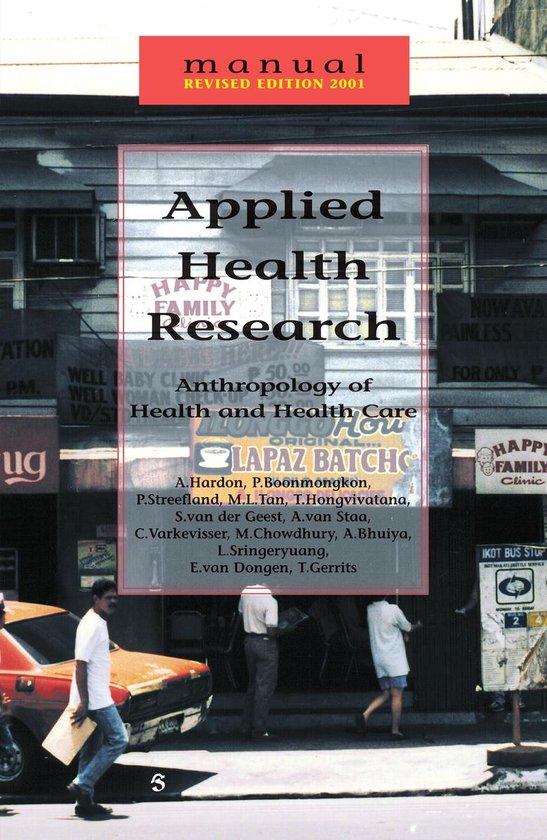
Applied Health Research. Anthropology of Health Care
€ 28,00
There is increasing recognition that socio-economic and cultural factors are prime determinants of health and health care. What factors contribute to the acceptance of community health financing or a vaccination program? What are the needs of the growing group of elderly people or psychatric patients? What social and cultural factors should be taken into account to operationalize all ambitious plans to improve reproductive health care? These are only some of the questions health professionals and health planners are confronted with.
Anthropological research can be a tremendous support to health programmes, by giving insights in the perspective of recipients and providers of health programmes and health care, and also by providing managers and implementors of these programmes with mechanisms and strategies that could lead to a reorientation of health care programmes and policies towards the actual needs of the target group.
The need for training in anthropology of health and health care has been expressed by social scientists involved in multi-disciplinary health research projects, and public health staff at different levels, who are involved in providing health education and primary health care and who - in implementing the health programmes - are confronted with difficulties related to the socio-cultural context in which they work.
It is for this reason that the International Course in Anthropology of Health and Health Care has been developed. This course has been designed for research officers of public health institutes, coordinators of community health care programmes, project staff, responsible for the implementation of various health programmes, public health professionals, social science lecturers at universities, and junior social scientists, who intend to specialize in Anthropology of Health and Health Care.
The course takes a multi-disciplinary approach and focuses on a number of important problem areas and issues, such as vaccination, reproductive health and AIDS, equity and community health financing, self-care and the use and distribution of pharmaceuticals.
The manual in its earlier editions has been used since years for teaching in the field of applied medical anthropology and public health in academic institutions worldwide.
Applied Health Research. Anthropology of Health Care
€ 28,00
There is increasing recognition that socio-economic and cultural factors are prime determinants of health and health care. What factors contribute to the acceptance of community health financing or a vaccination program? What are the needs of the growing group of elderly people or psychatric patients? What social and cultural factors should be taken into account to operationalize all ambitious plans to improve reproductive health care? These are only some of the questions health professionals and health planners are confronted with.
Anthropological research can be a tremendous support to health programmes, by giving insights in the perspective of recipients and providers of health programmes and health care, and also by providing managers and implementors of these programmes with mechanisms and strategies that could lead to a reorientation of health care programmes and policies towards the actual needs of the target group.
The need for training in anthropology of health and health care has been expressed by social scientists involved in multi-disciplinary health research projects, and public health staff at different levels, who are involved in providing health education and primary health care and who - in implementing the health programmes - are confronted with difficulties related to the socio-cultural context in which they work.
It is for this reason that the International Course in Anthropology of Health and Health Care has been developed. This course has been designed for research officers of public health institutes, coordinators of community health care programmes, project staff, responsible for the implementation of various health programmes, public health professionals, social science lecturers at universities, and junior social scientists, who intend to specialize in Anthropology of Health and Health Care.
The course takes a multi-disciplinary approach and focuses on a number of important problem areas and issues, such as vaccination, reproductive health and AIDS, equity and community health financing, self-care and the use and distribution of pharmaceuticals.
The manual in its earlier editions has been used since years for teaching in the field of applied medical anthropology and public health in academic institutions worldwide.