
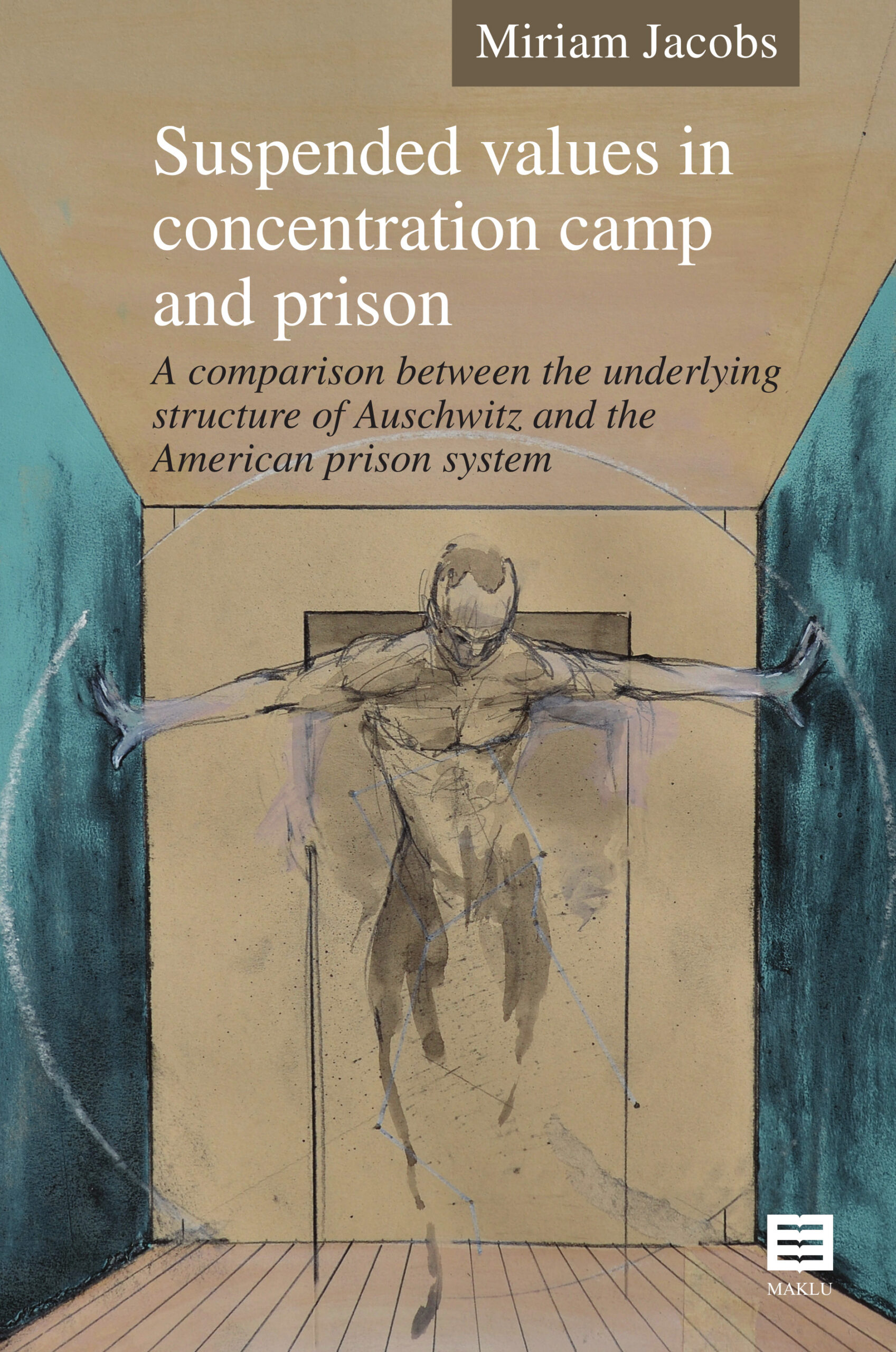
Suspended values in concentration camp and prison. A comparison between the underlying structure of Auschwitz and the American prison system
€ 29,00
The concentration camps are closed. Auschwitz is over. Every year we commemorate and say we never want this again. But why then do we still have systems in our Western society in which people are locked up in degrading conditions? Is Auschwitz really over?… meer
Op voorraad
The concentration camps are closed. Auschwitz is over. Every year we commemorate and say we never want this again. But why then do we still have systems in our Western society in which people are locked up in degrading conditions? Is Auschwitz really over? To answer this question, this book makes a comparison between the camp structure of Auschwitz and the basic structure of the current prison system in the United States. This prison system houses 2.3 million guilty or innocent people in degrading conditions. What is the difference in human dignity between Auschwitz and this detention system if human values are destroyed by the same underlying structure? This book examines the universal characteristics of the basic structure of both systems. Insight into these universal characteristics can lead to a literal structural change and encourage research into other underlying structures, such as prisons systems in other countries, homelessness or refugee centers. In short, insight into the underlying structures of exclusionary systems leads to real change, and thus to the restoration of human dignity.
Miriam is a philosopher, writer and psychosocial therapist. Her thinking and work are always about becoming aware of deeper underlying patterns of human behavior. This applies to both individuals and systems. Her thinking is strongly related to restorative justice, which looks at how damage has arisen and how to repair this damage from the roots instead of at the surface. After all, external problems are usually symptoms of a deeper damage. From this approach, Miriam, as a psychosocial therapist, meets the person behind his or her label, which in her work can be both a diagnosis and a crime. In addition, from this perspective she investigates the way in which systems are rooted in a historical, philosophical and social context.
Aanvullende informatie
| Afmetingen | 24 × 16 cm |
|---|