

Provision
€ 14,75
Boek informatie
ISBN 13
9789073052178
Auteur(s)
H. knippenberg, J. Doomernik
NUR
-
Gerelateerde producten
Geen voorraad
Marine Insurance in the Netherlands 1600-1870. A comparative institutional approach
€ 39,90
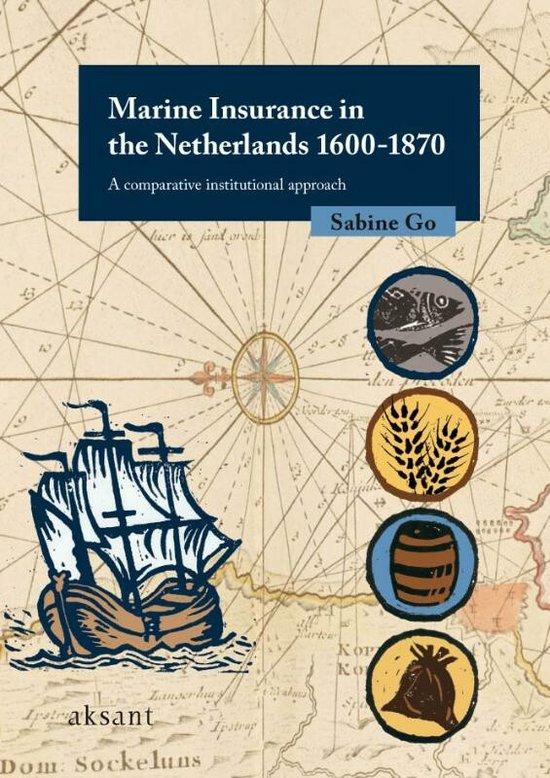
Marine insurance has been of great importance to the expansion of long distance trade and economic growth in the early modern period, in particular for seafaring nations such as the Dutch Republic. The Amsterdam market became Europe's leading insurance market and within the Republic other insurance systems also emerged. Little is known about the differing institutional frameworks governing these industries and the interaction between the institutions and the actors in the industry. This study will examine the development of marine insurance in the Netherlands in Amsterdam, Rotterdam and the province of Groningen from c. 1600 to 1870 from an institutional point of view. It will examine how the behaviour of authorities, insurers, underwriters and brokers was affected by the formal and informal constraints of the industry and how in turn their conduct has influenced the institutional framework and induced institutional change. A comparative institutional analysis will be made of three insurance systems in the Netherlands, each with its own distinctive characteristics. The interaction between institutions and actors will be studied in relation to the effects of technological innovations and international geo-political changes. By examining developments over a period of two and half centuries the path of long-term institutional change becomes discernable.
Geen voorraad
Marine Insurance in the Netherlands 1600-1870. A comparative institutional approach
€ 39,90
Marine insurance has been of great importance to the expansion of long distance trade and economic growth in the early modern period, in particular for seafaring nations such as the Dutch Republic. The Amsterdam market became Europe's leading insurance market and within the Republic other insurance systems also emerged. Little is known about the differing institutional frameworks governing these industries and the interaction between the institutions and the actors in the industry. This study will examine the development of marine insurance in the Netherlands in Amsterdam, Rotterdam and the province of Groningen from c. 1600 to 1870 from an institutional point of view. It will examine how the behaviour of authorities, insurers, underwriters and brokers was affected by the formal and informal constraints of the industry and how in turn their conduct has influenced the institutional framework and induced institutional change. A comparative institutional analysis will be made of three insurance systems in the Netherlands, each with its own distinctive characteristics. The interaction between institutions and actors will be studied in relation to the effects of technological innovations and international geo-political changes. By examining developments over a period of two and half centuries the path of long-term institutional change becomes discernable.
Applied Health Research. Anthropology of Health Care
€ 28,00
There is increasing recognition that socio-economic and cultural factors are prime determinants of health and health care. What factors contribute to the acceptance of community health financing or a vaccination program? What are the needs of the growing group of elderly people or psychatric patients? What social and cultural factors should be taken into account to operationalize all ambitious plans to improve reproductive health care? These are only some of the questions health professionals and health planners are confronted with.
Anthropological research can be a tremendous support to health programmes, by giving insights in the perspective of recipients and providers of health programmes and health care, and also by providing managers and implementors of these programmes with mechanisms and strategies that could lead to a reorientation of health care programmes and policies towards the actual needs of the target group.
The need for training in anthropology of health and health care has been expressed by social scientists involved in multi-disciplinary health research projects, and public health staff at different levels, who are involved in providing health education and primary health care and who - in implementing the health programmes - are confronted with difficulties related to the socio-cultural context in which they work.
It is for this reason that the International Course in Anthropology of Health and Health Care has been developed. This course has been designed for research officers of public health institutes, coordinators of community health care programmes, project staff, responsible for the implementation of various health programmes, public health professionals, social science lecturers at universities, and junior social scientists, who intend to specialize in Anthropology of Health and Health Care.
The course takes a multi-disciplinary approach and focuses on a number of important problem areas and issues, such as vaccination, reproductive health and AIDS, equity and community health financing, self-care and the use and distribution of pharmaceuticals.
The manual in its earlier editions has been used since years for teaching in the field of applied medical anthropology and public health in academic institutions worldwide.
Applied Health Research. Anthropology of Health Care
€ 28,00
There is increasing recognition that socio-economic and cultural factors are prime determinants of health and health care. What factors contribute to the acceptance of community health financing or a vaccination program? What are the needs of the growing group of elderly people or psychatric patients? What social and cultural factors should be taken into account to operationalize all ambitious plans to improve reproductive health care? These are only some of the questions health professionals and health planners are confronted with.
Anthropological research can be a tremendous support to health programmes, by giving insights in the perspective of recipients and providers of health programmes and health care, and also by providing managers and implementors of these programmes with mechanisms and strategies that could lead to a reorientation of health care programmes and policies towards the actual needs of the target group.
The need for training in anthropology of health and health care has been expressed by social scientists involved in multi-disciplinary health research projects, and public health staff at different levels, who are involved in providing health education and primary health care and who - in implementing the health programmes - are confronted with difficulties related to the socio-cultural context in which they work.
It is for this reason that the International Course in Anthropology of Health and Health Care has been developed. This course has been designed for research officers of public health institutes, coordinators of community health care programmes, project staff, responsible for the implementation of various health programmes, public health professionals, social science lecturers at universities, and junior social scientists, who intend to specialize in Anthropology of Health and Health Care.
The course takes a multi-disciplinary approach and focuses on a number of important problem areas and issues, such as vaccination, reproductive health and AIDS, equity and community health financing, self-care and the use and distribution of pharmaceuticals.
The manual in its earlier editions has been used since years for teaching in the field of applied medical anthropology and public health in academic institutions worldwide.
Geen voorraad
Nederland in verandering
€ 20,00
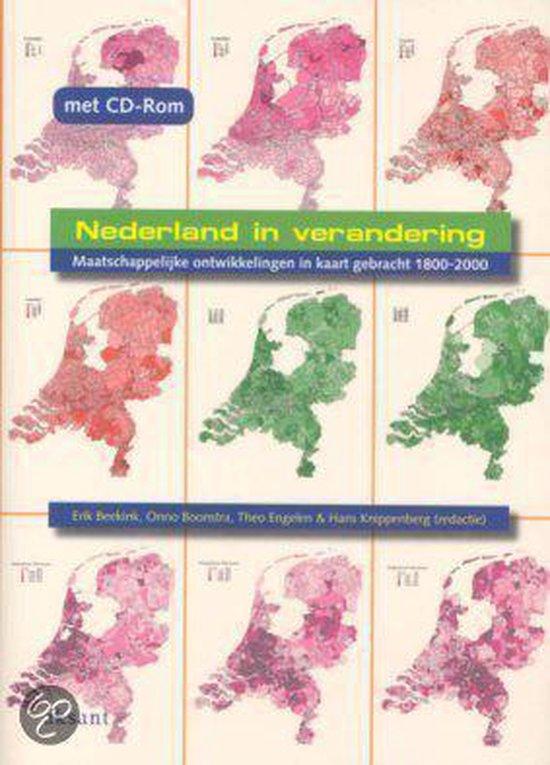
In de 19e en de 20e eeuw onderging Nederland grote veranderingen die op kaarten inzichtelijk gemaakt kunnen worden. In dit boek zijn politieke, religieuze, economische en demografische verschuivingen op gemeenteniveau in overzichtelijke kaarten in beeld gebracht en in de tekst toegelicht, met als resultaat een gedetailleerde atlas van de sociale geschiedenis van twee eeuwen Nederland.
Dit is nu mogelijk doordat in de Historische Databank Nederlandse Gemeenten (HDNG) een grote hoeveelheid gegevens vanaf het begin van de statistische periode (1795) op gemeentelijk niveau digitaal zijn ontsloten. Deze publicatie is een voorbeeld van de vele mogelijkheden die de HDNG kan bieden. Achterin het boek is een cd-rom bijgesloten met daarop de data, zodat men eigen selecties kan maken.
Dit is nu mogelijk doordat in de Historische Databank Nederlandse Gemeenten (HDNG) een grote hoeveelheid gegevens vanaf het begin van de statistische periode (1795) op gemeentelijk niveau digitaal zijn ontsloten. Deze publicatie is een voorbeeld van de vele mogelijkheden die de HDNG kan bieden. Achterin het boek is een cd-rom bijgesloten met daarop de data, zodat men eigen selecties kan maken.
Geen voorraad
Nederland in verandering
€ 20,00
In de 19e en de 20e eeuw onderging Nederland grote veranderingen die op kaarten inzichtelijk gemaakt kunnen worden. In dit boek zijn politieke, religieuze, economische en demografische verschuivingen op gemeenteniveau in overzichtelijke kaarten in beeld gebracht en in de tekst toegelicht, met als resultaat een gedetailleerde atlas van de sociale geschiedenis van twee eeuwen Nederland.
Dit is nu mogelijk doordat in de Historische Databank Nederlandse Gemeenten (HDNG) een grote hoeveelheid gegevens vanaf het begin van de statistische periode (1795) op gemeentelijk niveau digitaal zijn ontsloten. Deze publicatie is een voorbeeld van de vele mogelijkheden die de HDNG kan bieden. Achterin het boek is een cd-rom bijgesloten met daarop de data, zodat men eigen selecties kan maken.
Dit is nu mogelijk doordat in de Historische Databank Nederlandse Gemeenten (HDNG) een grote hoeveelheid gegevens vanaf het begin van de statistische periode (1795) op gemeentelijk niveau digitaal zijn ontsloten. Deze publicatie is een voorbeeld van de vele mogelijkheden die de HDNG kan bieden. Achterin het boek is een cd-rom bijgesloten met daarop de data, zodat men eigen selecties kan maken.

Air-conditioned lifestyle. Nieuwe rijken in Jakarta
€ 13,80
Dit boek gaat over de ''Orang Kaya Baru'', de nieuwe rijken van het moderne Jakarta (Indonesië). Zij vormen de bovenste laag van de middenklasse, die in het midden van de jaren zestig is ontstaan na de explosieve economische ontwikkeling, die door Soeharto''s autoritaire ''Orde Baru'' (Nieuwe Orde) in gang is gezet.
Deze snel groeiende middenklasse jogt voor het werk, consumeert afwisselend fastfood en health food en kijkt ''s avonds onderuitgezakt voor de buis naar soaps, waarin joggen, fastfood en moderne relatieperikelen centraal staan. Een ogenschijnlijk universele manier van leven, vol met de voortbrengselen van de moderne massaproductie.
Dit consumptiepatroon is een relatief nieuw fenomeen in deze niet-westerse culturen. Daar zijn het vaak de ''nouveaux riches'' die dit fenomeen het eerst en het hevigst omarmen, want alleen door hun consumptiegedrag kunnen zij zich van de rest van de samenleving onderscheiden; kenmerkend voor de oude elite is immers haar aristocratische afkomst en opstelling. De moderne consumptie is zo een ideale uitdrukking voor de nieuwe sociale status van de zich gestaag uitbreidende middenklasse.
De ''Orang Kaya Baru'' is het meest gebaat bij de stabiliteit en overzichtelijkheid, die door de economische politiek van de ''Orde Baru'' is ontstaan; zij hebben veel te verliezen.
Lizzy van Leeuwen is jurist en antropoloog en thans werkzaam bij de Gemeente Amsterdam.
Air-conditioned lifestyle. Nieuwe rijken in Jakarta
€ 13,80
Dit boek gaat over de ''Orang Kaya Baru'', de nieuwe rijken van het moderne Jakarta (Indonesië). Zij vormen de bovenste laag van de middenklasse, die in het midden van de jaren zestig is ontstaan na de explosieve economische ontwikkeling, die door Soeharto''s autoritaire ''Orde Baru'' (Nieuwe Orde) in gang is gezet.
Deze snel groeiende middenklasse jogt voor het werk, consumeert afwisselend fastfood en health food en kijkt ''s avonds onderuitgezakt voor de buis naar soaps, waarin joggen, fastfood en moderne relatieperikelen centraal staan. Een ogenschijnlijk universele manier van leven, vol met de voortbrengselen van de moderne massaproductie.
Dit consumptiepatroon is een relatief nieuw fenomeen in deze niet-westerse culturen. Daar zijn het vaak de ''nouveaux riches'' die dit fenomeen het eerst en het hevigst omarmen, want alleen door hun consumptiegedrag kunnen zij zich van de rest van de samenleving onderscheiden; kenmerkend voor de oude elite is immers haar aristocratische afkomst en opstelling. De moderne consumptie is zo een ideale uitdrukking voor de nieuwe sociale status van de zich gestaag uitbreidende middenklasse.
De ''Orang Kaya Baru'' is het meest gebaat bij de stabiliteit en overzichtelijkheid, die door de economische politiek van de ''Orde Baru'' is ontstaan; zij hebben veel te verliezen.
Lizzy van Leeuwen is jurist en antropoloog en thans werkzaam bij de Gemeente Amsterdam.