
Over/about Loes – Essays for Loes Schenk-Sandbergen at the occasion of her departure from the University of Amsterdam, 11 mei 2007
€ 15,00
Boek informatie
ISBN 13
9789055892907
Auteur(s)
Hans Schenk (Red.)
NUR
-
Gerelateerde producten
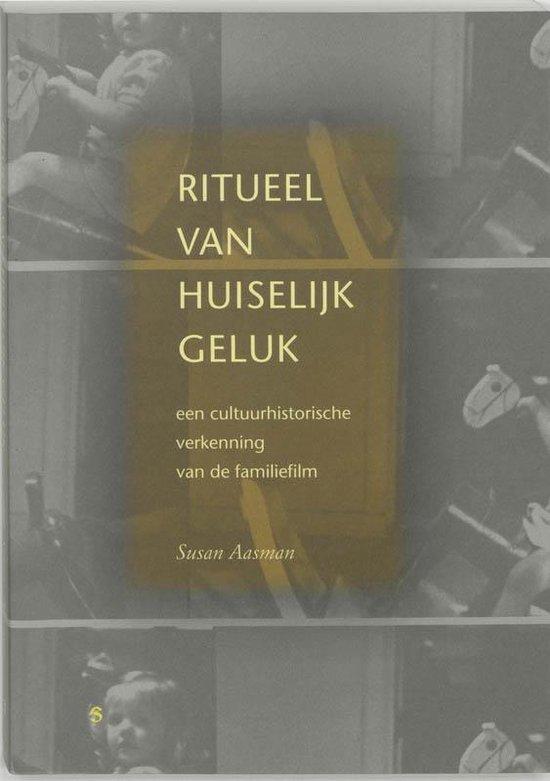
Ritueel van huiselijk geluk. Een cultuurhistorische verkenning van de familiefilm
€ 30,00
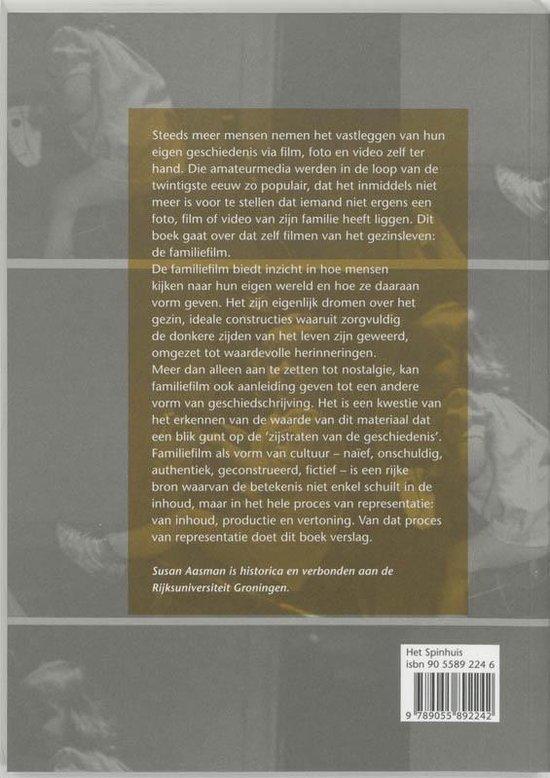
Steeds meer mensen nemen het vastleggen van hun eigen geschiedenis via film, foto en video zelf ter hand. Die amateurmedia werden in de loop van de twintigste eeuw zo populair, dat het inmiddels niet meer is voor te stellen dat iemand niet ergens een foto, film of video van zijn familie heeft liggen. Dit boek gaat over dat zelf filmen van het gezinsleven: de familiefilm.
De familiefilm biedt inzicht in hoe mensen kijken naar hun eigen wereld en hoe ze daaraan vorm geven. Het zijn eigenlijk dromen over het gezin, ideale constructies waaruit zorgvuldig de donkere zijden van het leven zijn geweerd, omgezet tot waardevolle herinneringen.
Meer dan alleen aan te zetten tot nostalgie, kan familiefilm ook aanleiding geven tot een andere vorm van geschiedschrijving. Het is een kwestie van het erkennen van de waarde van dit materiaal dat een blik gunt op de ''zijstraten van de geschiedenis''.
Familiefilm als vorm van cultuur – naïef, onschuldig, authentiek, geconstrueerd, fictief – is een rijke bron waarvan de betekenis niet enkel schuilt in de inhoud, maar in het hele proces van representatie: van inhoud, productie en vertoning. Van dat proces van representatie doet dit boek verslag.
Suzanne Aasman is historica en verbonden aan de Rijksuniversiteit Groningen.
Ritueel van huiselijk geluk. Een cultuurhistorische verkenning van de familiefilm
€ 30,00
Steeds meer mensen nemen het vastleggen van hun eigen geschiedenis via film, foto en video zelf ter hand. Die amateurmedia werden in de loop van de twintigste eeuw zo populair, dat het inmiddels niet meer is voor te stellen dat iemand niet ergens een foto, film of video van zijn familie heeft liggen. Dit boek gaat over dat zelf filmen van het gezinsleven: de familiefilm.
De familiefilm biedt inzicht in hoe mensen kijken naar hun eigen wereld en hoe ze daaraan vorm geven. Het zijn eigenlijk dromen over het gezin, ideale constructies waaruit zorgvuldig de donkere zijden van het leven zijn geweerd, omgezet tot waardevolle herinneringen.
Meer dan alleen aan te zetten tot nostalgie, kan familiefilm ook aanleiding geven tot een andere vorm van geschiedschrijving. Het is een kwestie van het erkennen van de waarde van dit materiaal dat een blik gunt op de ''zijstraten van de geschiedenis''.
Familiefilm als vorm van cultuur – naïef, onschuldig, authentiek, geconstrueerd, fictief – is een rijke bron waarvan de betekenis niet enkel schuilt in de inhoud, maar in het hele proces van representatie: van inhoud, productie en vertoning. Van dat proces van representatie doet dit boek verslag.
Suzanne Aasman is historica en verbonden aan de Rijksuniversiteit Groningen.

Mass media advertising: information or wallpaper?
€ 17,00
For most consumers, advertising is less important than advertisers might think. Advertising appears to function as ''wallpaper'', something in the background that is hardly noticed. The advertiser, however, wants the consumer to use his advertisement as a piece of information, for example, when standing in front of a shelf thinking what kind of detergent is ''best'' or ''cheapest''. Mass mediated advertising campaigns should therefore at least function as a reminder when making all kinds of choices concerning brands, products or services.
This book describes consumers'' use of advertising. The question to be answered is: "How and why do people use advertising?". Are they searching for information or simply watching commercials because they are funny? Are they avoiding ads because they find them irritating? And to what extent is (claimed) advertising use related to remembering having seen specific ads? The five studies in this book use different methods and research designs for addressing these questions, to understand and explain advertising use. These include: a meta-analysis of more than 50 studies on advertising, several in-depth interviews, a nation-wide telephone survey with follow-up by mail, an experiment, and a face-to-face survey.
Edith Smit is Associate Professor at the University of Amsterdam, Department of Communication, and The Amsterdam School of Communications Research ASCoR. She is also Deputy Director of SWOCC, the Dutch Foundation for Fundamental Research on Commercial Communication.
Mass media advertising: information or wallpaper?
€ 17,00
For most consumers, advertising is less important than advertisers might think. Advertising appears to function as ''wallpaper'', something in the background that is hardly noticed. The advertiser, however, wants the consumer to use his advertisement as a piece of information, for example, when standing in front of a shelf thinking what kind of detergent is ''best'' or ''cheapest''. Mass mediated advertising campaigns should therefore at least function as a reminder when making all kinds of choices concerning brands, products or services.
This book describes consumers'' use of advertising. The question to be answered is: "How and why do people use advertising?". Are they searching for information or simply watching commercials because they are funny? Are they avoiding ads because they find them irritating? And to what extent is (claimed) advertising use related to remembering having seen specific ads? The five studies in this book use different methods and research designs for addressing these questions, to understand and explain advertising use. These include: a meta-analysis of more than 50 studies on advertising, several in-depth interviews, a nation-wide telephone survey with follow-up by mail, an experiment, and a face-to-face survey.
Edith Smit is Associate Professor at the University of Amsterdam, Department of Communication, and The Amsterdam School of Communications Research ASCoR. She is also Deputy Director of SWOCC, the Dutch Foundation for Fundamental Research on Commercial Communication.
Bridges & Watersheds. A narrative analysis of watermanagement in England, Wales and the Netherlands
€ 22,50
What is good water management, if we take scarcity of water, combined with climate change, the rise of sea level and a growing world population into account? Can water management be privatized? Or should the role and the position of the nation state even be strengthened to protect the environment and the citizens? Dicke has conducted a narrative analysis of water management in England, Wales and the Netherlands. Hundred years ago, water used to be a national public good. The nation state was pivotal in water management. Nowadays, water is considered to be part of a global water system. This view transforms water from a national to a global public good. As a result, the nation state is not the only actor, which has a say in the management of this global public good. This transformation places the public private divide once again at the center of attention.
The present debate about privatization, both in England and in the Netherlands, is incomplete. It does not take all dimensions of the public private divide into account. Dicke suggests that both visibility (transparency) and collectivity (water belongs to us all) should be considered. The issue is not whether water management is provided by a nation state or not. The issue should be whether the dimensions of collectivity and visibility are well balanced. This can only be achieved through a restoration of the link between water and society.
Willemijn Dicke is assistant professor at Delft University of Technology at the Department of Public Management Organisation & Management.
Bridges & Watersheds. A narrative analysis of watermanagement in England, Wales and the Netherlands
€ 22,50
What is good water management, if we take scarcity of water, combined with climate change, the rise of sea level and a growing world population into account? Can water management be privatized? Or should the role and the position of the nation state even be strengthened to protect the environment and the citizens? Dicke has conducted a narrative analysis of water management in England, Wales and the Netherlands. Hundred years ago, water used to be a national public good. The nation state was pivotal in water management. Nowadays, water is considered to be part of a global water system. This view transforms water from a national to a global public good. As a result, the nation state is not the only actor, which has a say in the management of this global public good. This transformation places the public private divide once again at the center of attention.
The present debate about privatization, both in England and in the Netherlands, is incomplete. It does not take all dimensions of the public private divide into account. Dicke suggests that both visibility (transparency) and collectivity (water belongs to us all) should be considered. The issue is not whether water management is provided by a nation state or not. The issue should be whether the dimensions of collectivity and visibility are well balanced. This can only be achieved through a restoration of the link between water and society.
Willemijn Dicke is assistant professor at Delft University of Technology at the Department of Public Management Organisation & Management.
Geen voorraad
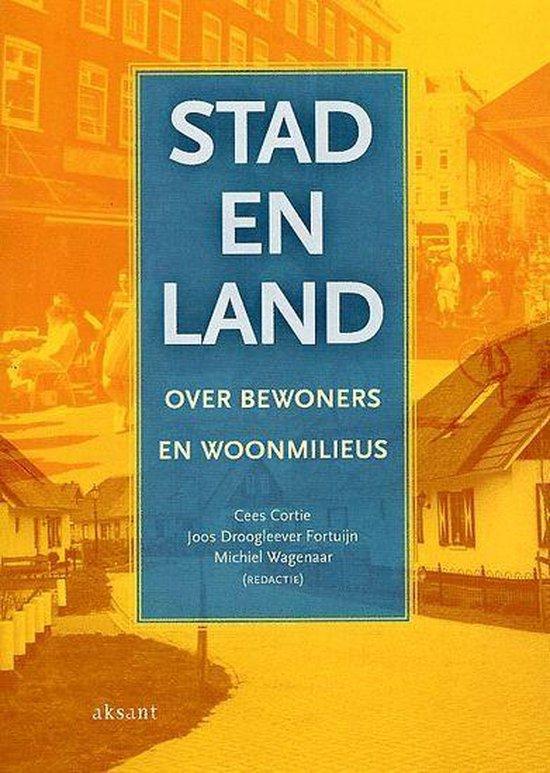
Stad en land. Over bewoners en woonmilieus.
€ 25,00
Dit afscheidsboek voor Rob van Engelsdorp Gastelaars, van 1984 tot 2003 hoogleraar sociale geografie aan de afdeling Geografie en Planologie van de Faculteit der Maatschappij- en Gedragswetenschappen aan de Universiteit van Amsterdam, laat iets zien van de wetenschappelijke inspiratie die hij heeft weten over te dragen op promovendi, collega’s en studenten, én op auteurs buiten het vakgebied van de stadsgeografie. Dat dit boek binnen de gestelde kaders - stad en land, bewoners en woonmilieus - een grote reikwijdte aan onderwerpen behandelt, mag als een eresaluut aan de emeritus worden gezien.
De bijdragen laten voor een belangrijk deel zien hoe bepalend lokale woonmilieus zijn en hoe zij worden gevormd door handelende bewoners en hun instituties. Om hier een oud en beroemd begrippenpaar te hanteren: weerslag en neerslag bijten elkaar in de loop der jaren voortdurend in hun staart. Dat daarbij het Amsterdamse laboratorium nog steeds het schouwtoneel bij uitstek is, zeker in de huidige meer regionale omschrijving, blijkt overduidelijk.
Geen voorraad
Stad en land. Over bewoners en woonmilieus.
€ 25,00
Dit afscheidsboek voor Rob van Engelsdorp Gastelaars, van 1984 tot 2003 hoogleraar sociale geografie aan de afdeling Geografie en Planologie van de Faculteit der Maatschappij- en Gedragswetenschappen aan de Universiteit van Amsterdam, laat iets zien van de wetenschappelijke inspiratie die hij heeft weten over te dragen op promovendi, collega’s en studenten, én op auteurs buiten het vakgebied van de stadsgeografie. Dat dit boek binnen de gestelde kaders - stad en land, bewoners en woonmilieus - een grote reikwijdte aan onderwerpen behandelt, mag als een eresaluut aan de emeritus worden gezien.
De bijdragen laten voor een belangrijk deel zien hoe bepalend lokale woonmilieus zijn en hoe zij worden gevormd door handelende bewoners en hun instituties. Om hier een oud en beroemd begrippenpaar te hanteren: weerslag en neerslag bijten elkaar in de loop der jaren voortdurend in hun staart. Dat daarbij het Amsterdamse laboratorium nog steeds het schouwtoneel bij uitstek is, zeker in de huidige meer regionale omschrijving, blijkt overduidelijk.