

Mozaïek van mijn leven. Herinneringen 1917-2005
€ 20,00
Op voorraad
Boek informatie
ISBN 13
9789055892679
Aantal pagina's
160
Auteur(s)
Geurt Brinkgreve, bezorgd door Clara en Christien Brinkgreve
NUR
694 - Cultuur- en mentaliteitsgeschiedenis
Gerelateerde producten
Geen voorraad

Antropologische vergezichten. Mondialisering, migratie en multiculturaliteit
€ 19,90
Mondialisering, mobiliteit en migratie zijn onlosmakelijk verbonden met de vraagstukken rondom multiculturaliteit. De bundel Antropologische vergezichten bespreekt hoe dergelijke processen van invloed zijn op de verhalen en het dagelijks leven van mensen wereldwijd. De auteurs baseren zich hierbij op antropologisch veldwerk op vele locaties, om de hoek of ver weg. Zij zetten uiteen hoe mensen de omstandigheden en gevolgen van mondialisering, migratie en multiculturaliteit beleven. De bijdragen tonen in het bijzonder hoe nationale culturele compromissen vorm krijgen en hoe actoren met verschillende achtergronden zich thuis wensen te voelen in de wereld van vandaag en morgen.
De boeken uit de Antropologie Academie hebben een inleidend karakter, zijn toegankelijk geschreven en geschikt voor studenten op BA- en MA-niveau, maar ook voor anderen, zoals reizigers en docenten, die zich afvragen hoe mensen met een verschillende culturele achtergrond in de wereld staan. De reeks Antropologie Academie wordt uitgegeven in samenwerking met de Antropologen Beroepsvereniging (ABv) www.antropologen.nl
De boeken uit de Antropologie Academie hebben een inleidend karakter, zijn toegankelijk geschreven en geschikt voor studenten op BA- en MA-niveau, maar ook voor anderen, zoals reizigers en docenten, die zich afvragen hoe mensen met een verschillende culturele achtergrond in de wereld staan. De reeks Antropologie Academie wordt uitgegeven in samenwerking met de Antropologen Beroepsvereniging (ABv) www.antropologen.nl
Geen voorraad
Antropologische vergezichten. Mondialisering, migratie en multiculturaliteit
€ 19,90
Mondialisering, mobiliteit en migratie zijn onlosmakelijk verbonden met de vraagstukken rondom multiculturaliteit. De bundel Antropologische vergezichten bespreekt hoe dergelijke processen van invloed zijn op de verhalen en het dagelijks leven van mensen wereldwijd. De auteurs baseren zich hierbij op antropologisch veldwerk op vele locaties, om de hoek of ver weg. Zij zetten uiteen hoe mensen de omstandigheden en gevolgen van mondialisering, migratie en multiculturaliteit beleven. De bijdragen tonen in het bijzonder hoe nationale culturele compromissen vorm krijgen en hoe actoren met verschillende achtergronden zich thuis wensen te voelen in de wereld van vandaag en morgen.
De boeken uit de Antropologie Academie hebben een inleidend karakter, zijn toegankelijk geschreven en geschikt voor studenten op BA- en MA-niveau, maar ook voor anderen, zoals reizigers en docenten, die zich afvragen hoe mensen met een verschillende culturele achtergrond in de wereld staan. De reeks Antropologie Academie wordt uitgegeven in samenwerking met de Antropologen Beroepsvereniging (ABv) www.antropologen.nl
De boeken uit de Antropologie Academie hebben een inleidend karakter, zijn toegankelijk geschreven en geschikt voor studenten op BA- en MA-niveau, maar ook voor anderen, zoals reizigers en docenten, die zich afvragen hoe mensen met een verschillende culturele achtergrond in de wereld staan. De reeks Antropologie Academie wordt uitgegeven in samenwerking met de Antropologen Beroepsvereniging (ABv) www.antropologen.nl
Geen voorraad

Marine Insurance in the Netherlands 1600-1870. A comparative institutional approach
€ 39,90
Marine insurance has been of great importance to the expansion of long distance trade and economic growth in the early modern period, in particular for seafaring nations such as the Dutch Republic. The Amsterdam market became Europe's leading insurance market and within the Republic other insurance systems also emerged. Little is known about the differing institutional frameworks governing these industries and the interaction between the institutions and the actors in the industry. This study will examine the development of marine insurance in the Netherlands in Amsterdam, Rotterdam and the province of Groningen from c. 1600 to 1870 from an institutional point of view. It will examine how the behaviour of authorities, insurers, underwriters and brokers was affected by the formal and informal constraints of the industry and how in turn their conduct has influenced the institutional framework and induced institutional change. A comparative institutional analysis will be made of three insurance systems in the Netherlands, each with its own distinctive characteristics. The interaction between institutions and actors will be studied in relation to the effects of technological innovations and international geo-political changes. By examining developments over a period of two and half centuries the path of long-term institutional change becomes discernable.
Geen voorraad
Marine Insurance in the Netherlands 1600-1870. A comparative institutional approach
€ 39,90
Marine insurance has been of great importance to the expansion of long distance trade and economic growth in the early modern period, in particular for seafaring nations such as the Dutch Republic. The Amsterdam market became Europe's leading insurance market and within the Republic other insurance systems also emerged. Little is known about the differing institutional frameworks governing these industries and the interaction between the institutions and the actors in the industry. This study will examine the development of marine insurance in the Netherlands in Amsterdam, Rotterdam and the province of Groningen from c. 1600 to 1870 from an institutional point of view. It will examine how the behaviour of authorities, insurers, underwriters and brokers was affected by the formal and informal constraints of the industry and how in turn their conduct has influenced the institutional framework and induced institutional change. A comparative institutional analysis will be made of three insurance systems in the Netherlands, each with its own distinctive characteristics. The interaction between institutions and actors will be studied in relation to the effects of technological innovations and international geo-political changes. By examining developments over a period of two and half centuries the path of long-term institutional change becomes discernable.
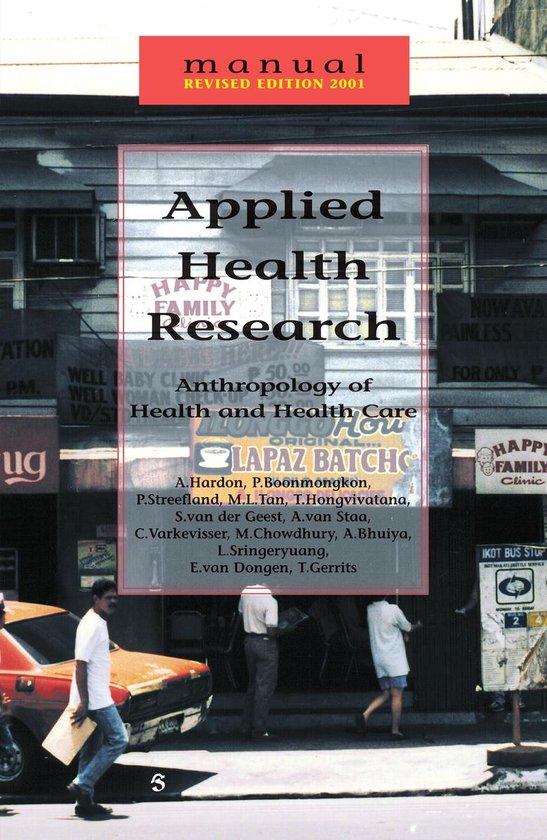
Applied Health Research. Anthropology of Health Care
€ 28,00
There is increasing recognition that socio-economic and cultural factors are prime determinants of health and health care. What factors contribute to the acceptance of community health financing or a vaccination program? What are the needs of the growing group of elderly people or psychatric patients? What social and cultural factors should be taken into account to operationalize all ambitious plans to improve reproductive health care? These are only some of the questions health professionals and health planners are confronted with.
Anthropological research can be a tremendous support to health programmes, by giving insights in the perspective of recipients and providers of health programmes and health care, and also by providing managers and implementors of these programmes with mechanisms and strategies that could lead to a reorientation of health care programmes and policies towards the actual needs of the target group.
The need for training in anthropology of health and health care has been expressed by social scientists involved in multi-disciplinary health research projects, and public health staff at different levels, who are involved in providing health education and primary health care and who - in implementing the health programmes - are confronted with difficulties related to the socio-cultural context in which they work.
It is for this reason that the International Course in Anthropology of Health and Health Care has been developed. This course has been designed for research officers of public health institutes, coordinators of community health care programmes, project staff, responsible for the implementation of various health programmes, public health professionals, social science lecturers at universities, and junior social scientists, who intend to specialize in Anthropology of Health and Health Care.
The course takes a multi-disciplinary approach and focuses on a number of important problem areas and issues, such as vaccination, reproductive health and AIDS, equity and community health financing, self-care and the use and distribution of pharmaceuticals.
The manual in its earlier editions has been used since years for teaching in the field of applied medical anthropology and public health in academic institutions worldwide.
Applied Health Research. Anthropology of Health Care
€ 28,00
There is increasing recognition that socio-economic and cultural factors are prime determinants of health and health care. What factors contribute to the acceptance of community health financing or a vaccination program? What are the needs of the growing group of elderly people or psychatric patients? What social and cultural factors should be taken into account to operationalize all ambitious plans to improve reproductive health care? These are only some of the questions health professionals and health planners are confronted with.
Anthropological research can be a tremendous support to health programmes, by giving insights in the perspective of recipients and providers of health programmes and health care, and also by providing managers and implementors of these programmes with mechanisms and strategies that could lead to a reorientation of health care programmes and policies towards the actual needs of the target group.
The need for training in anthropology of health and health care has been expressed by social scientists involved in multi-disciplinary health research projects, and public health staff at different levels, who are involved in providing health education and primary health care and who - in implementing the health programmes - are confronted with difficulties related to the socio-cultural context in which they work.
It is for this reason that the International Course in Anthropology of Health and Health Care has been developed. This course has been designed for research officers of public health institutes, coordinators of community health care programmes, project staff, responsible for the implementation of various health programmes, public health professionals, social science lecturers at universities, and junior social scientists, who intend to specialize in Anthropology of Health and Health Care.
The course takes a multi-disciplinary approach and focuses on a number of important problem areas and issues, such as vaccination, reproductive health and AIDS, equity and community health financing, self-care and the use and distribution of pharmaceuticals.
The manual in its earlier editions has been used since years for teaching in the field of applied medical anthropology and public health in academic institutions worldwide.
Geen voorraad

Money be man
€ 12,39
Health care policy should be based on understanding of what takes place at the community level. This study explores how people in a coastal village in Ghana perceive and use modern pharmaceuticals. In this G speaking community, 35 kilometers from the capital, there are no proper health care facilities. Most people purchase their medicines in two drugstores which sell products that they are not supposed to sell according to government rules. The author focuses on local perceptions of anatomy and etiology and on people's health expenditure. His book is a search for- the social and cultural basis of the popularity of pharmaceuticals. "Money be man", an inscription on a local lorry, captures the villagers' main concern: without money one cannot remain healthy.
Geen voorraad
Money be man
€ 12,39
Health care policy should be based on understanding of what takes place at the community level. This study explores how people in a coastal village in Ghana perceive and use modern pharmaceuticals. In this G speaking community, 35 kilometers from the capital, there are no proper health care facilities. Most people purchase their medicines in two drugstores which sell products that they are not supposed to sell according to government rules. The author focuses on local perceptions of anatomy and etiology and on people's health expenditure. His book is a search for- the social and cultural basis of the popularity of pharmaceuticals. "Money be man", an inscription on a local lorry, captures the villagers' main concern: without money one cannot remain healthy.