
Life, love and death. Conversations with six elders in Kwahu-Tafo – Ghana
€ 7,50
This book records the wisdom of six elders in Kwahu-Tafo, a rural town in the South of Ghana. It brings to the fore the beauty of old age.
This book records the wisdom of six elders in Kwahu-Tafo, a rural town in the South of Ghana. It brings to the fore the beauty of old age.
Boek informatie
ISBN 13
9789055892617
Aantal pagina's
36
Auteur(s)
P. Atuobi, A. Obeng & S. van der Geest
NUR
761 - Culturele antropologie
Gerelateerde producten
Geen voorraad
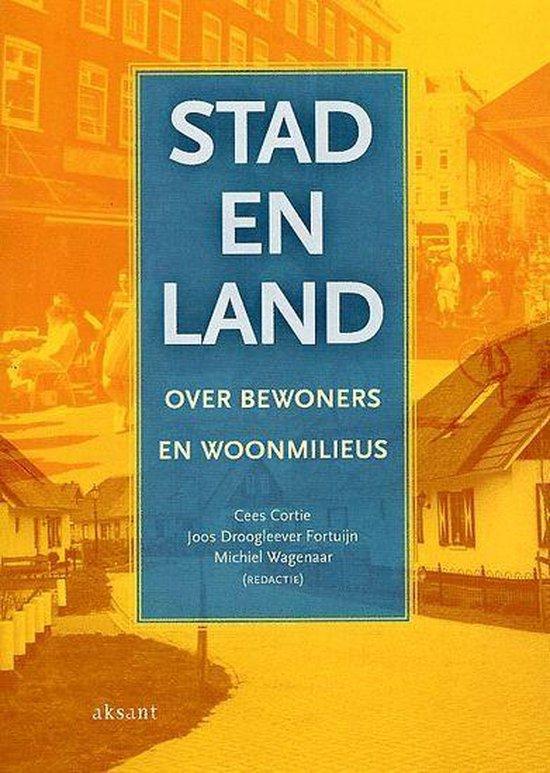
Stad en land. Over bewoners en woonmilieus.
€ 25,00
Dit afscheidsboek voor Rob van Engelsdorp Gastelaars, van 1984 tot 2003 hoogleraar sociale geografie aan de afdeling Geografie en Planologie van de Faculteit der Maatschappij- en Gedragswetenschappen aan de Universiteit van Amsterdam, laat iets zien van de wetenschappelijke inspiratie die hij heeft weten over te dragen op promovendi, collega’s en studenten, én op auteurs buiten het vakgebied van de stadsgeografie. Dat dit boek binnen de gestelde kaders - stad en land, bewoners en woonmilieus - een grote reikwijdte aan onderwerpen behandelt, mag als een eresaluut aan de emeritus worden gezien.
De bijdragen laten voor een belangrijk deel zien hoe bepalend lokale woonmilieus zijn en hoe zij worden gevormd door handelende bewoners en hun instituties. Om hier een oud en beroemd begrippenpaar te hanteren: weerslag en neerslag bijten elkaar in de loop der jaren voortdurend in hun staart. Dat daarbij het Amsterdamse laboratorium nog steeds het schouwtoneel bij uitstek is, zeker in de huidige meer regionale omschrijving, blijkt overduidelijk.
Geen voorraad
Stad en land. Over bewoners en woonmilieus.
€ 25,00
Dit afscheidsboek voor Rob van Engelsdorp Gastelaars, van 1984 tot 2003 hoogleraar sociale geografie aan de afdeling Geografie en Planologie van de Faculteit der Maatschappij- en Gedragswetenschappen aan de Universiteit van Amsterdam, laat iets zien van de wetenschappelijke inspiratie die hij heeft weten over te dragen op promovendi, collega’s en studenten, én op auteurs buiten het vakgebied van de stadsgeografie. Dat dit boek binnen de gestelde kaders - stad en land, bewoners en woonmilieus - een grote reikwijdte aan onderwerpen behandelt, mag als een eresaluut aan de emeritus worden gezien.
De bijdragen laten voor een belangrijk deel zien hoe bepalend lokale woonmilieus zijn en hoe zij worden gevormd door handelende bewoners en hun instituties. Om hier een oud en beroemd begrippenpaar te hanteren: weerslag en neerslag bijten elkaar in de loop der jaren voortdurend in hun staart. Dat daarbij het Amsterdamse laboratorium nog steeds het schouwtoneel bij uitstek is, zeker in de huidige meer regionale omschrijving, blijkt overduidelijk.
Tekstsociologie. Over de talige constructie van de sociale werkelijkheid
€ 22,50
Wij doen veel met taal. We denken er in, praten er mee en schrijven er in. Maar we doen er nog meer mee. We maken er ook onze wereld mee. We stellen ons de wereld niet alleen in taal voor, we handelen ook naar die voorstelling. Wat we denken dat er is, daarnaar handelen we. Met taal omschrijven we onze sociale werkelijkheid. Met die werkelijkheid houdt de sociologie zich bezig. Dit boek gaat over die wonderlijke combinatie: taal & sociologiebeoefening.
Gerhard Nijhof is hoogleraar Medische Sociologie aan de Universiteit van Amsterdam en o.a de auteur van Ziekenwerk. Een kleine sociologie van alledaags ziekenleven.
Gerhard Nijhof is hoogleraar Medische Sociologie aan de Universiteit van Amsterdam en o.a de auteur van Ziekenwerk. Een kleine sociologie van alledaags ziekenleven.
Tekstsociologie. Over de talige constructie van de sociale werkelijkheid
€ 22,50
Wij doen veel met taal. We denken er in, praten er mee en schrijven er in. Maar we doen er nog meer mee. We maken er ook onze wereld mee. We stellen ons de wereld niet alleen in taal voor, we handelen ook naar die voorstelling. Wat we denken dat er is, daarnaar handelen we. Met taal omschrijven we onze sociale werkelijkheid. Met die werkelijkheid houdt de sociologie zich bezig. Dit boek gaat over die wonderlijke combinatie: taal & sociologiebeoefening.
Gerhard Nijhof is hoogleraar Medische Sociologie aan de Universiteit van Amsterdam en o.a de auteur van Ziekenwerk. Een kleine sociologie van alledaags ziekenleven.
Gerhard Nijhof is hoogleraar Medische Sociologie aan de Universiteit van Amsterdam en o.a de auteur van Ziekenwerk. Een kleine sociologie van alledaags ziekenleven.

Zorgen over zorg. Traditie, verwantschapsrelaties, migratie en verzorging van Turkse ouderen in Nederland.
€ 13,40
Wanneer allochtone ouderen verzorgingsbehoeftig worden, verwachten ze deze zorg van hun eigen kinderen. Voor de kinderen blijft het vaak schipperen tussen de eisen die hun eigen leven stelt en de verwachtingen van hun ouders. De eerste generatie kon door het verblijf in Nederland zelf ook niet voor hun ouders zorgen, zoals het traditioneel gebruikelijk is. Zij hebben hun opvattingen over traditionele zorg daardoor ook enigszins al aangepast.
Bij de tweede/tussengeneratie allochtonen is onder invloed van Nederlandse waarden en normen - en hun betere kennis van de in Nederland goed ontwikkelde professionele zorg - sprake van een herdefinitie van de zorg aan hun ouders. Binnen de allochtone gemeenschap in Nederland is er nu een verscheidenheid aan zorgrelaties te constateren, variërend van traditionele zorg door de familie tot het volledig wegvallen deze informele zorg.
Vooral wanneer kinderen niet bereid zijn de verzorging voor hun ouders op zich te nemen, vallen er gaten die zorginstellingen niet lijken te kunnen opvullen. De thuiszorg, verzorgingstehuizen en andere Nederlandse voorzieningen kunnen allochtone ouderen vooralsnog vrijwel uitsluitend zorg bieden vanuit een Nederlands kader. Er lijkt weinig inzicht te bestaan in de manier waarop binnen de allochtone gemeenschap voor ouderen wordt gezorgd. Hierdoor is het moeilijk om in te spelen op hun zorgbehoeften. Deze studie vult deze lacune.
Ibrahim Yerden is verbonden aan het Noord-Hollands Participatie Instituut (NPI).
Zorgen over zorg. Traditie, verwantschapsrelaties, migratie en verzorging van Turkse ouderen in Nederland.
€ 13,40
Wanneer allochtone ouderen verzorgingsbehoeftig worden, verwachten ze deze zorg van hun eigen kinderen. Voor de kinderen blijft het vaak schipperen tussen de eisen die hun eigen leven stelt en de verwachtingen van hun ouders. De eerste generatie kon door het verblijf in Nederland zelf ook niet voor hun ouders zorgen, zoals het traditioneel gebruikelijk is. Zij hebben hun opvattingen over traditionele zorg daardoor ook enigszins al aangepast.
Bij de tweede/tussengeneratie allochtonen is onder invloed van Nederlandse waarden en normen - en hun betere kennis van de in Nederland goed ontwikkelde professionele zorg - sprake van een herdefinitie van de zorg aan hun ouders. Binnen de allochtone gemeenschap in Nederland is er nu een verscheidenheid aan zorgrelaties te constateren, variërend van traditionele zorg door de familie tot het volledig wegvallen deze informele zorg.
Vooral wanneer kinderen niet bereid zijn de verzorging voor hun ouders op zich te nemen, vallen er gaten die zorginstellingen niet lijken te kunnen opvullen. De thuiszorg, verzorgingstehuizen en andere Nederlandse voorzieningen kunnen allochtone ouderen vooralsnog vrijwel uitsluitend zorg bieden vanuit een Nederlands kader. Er lijkt weinig inzicht te bestaan in de manier waarop binnen de allochtone gemeenschap voor ouderen wordt gezorgd. Hierdoor is het moeilijk om in te spelen op hun zorgbehoeften. Deze studie vult deze lacune.
Ibrahim Yerden is verbonden aan het Noord-Hollands Participatie Instituut (NPI).
Geen voorraad
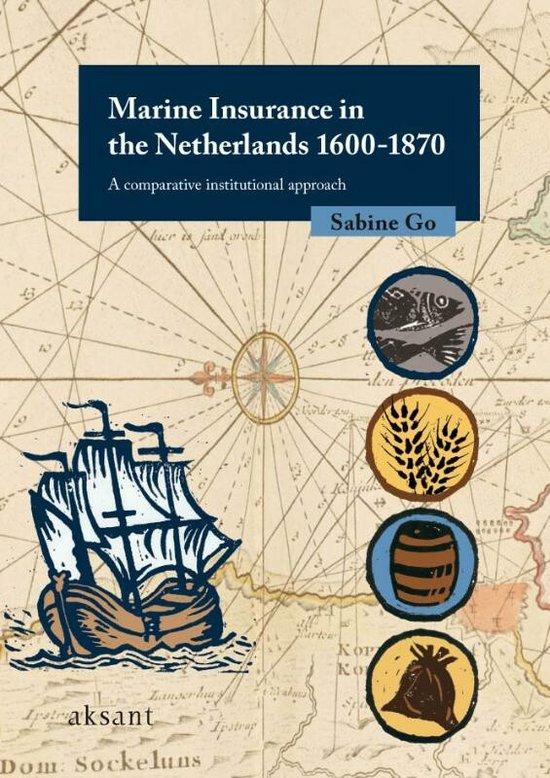
Marine Insurance in the Netherlands 1600-1870. A comparative institutional approach
€ 39,90
Marine insurance has been of great importance to the expansion of long distance trade and economic growth in the early modern period, in particular for seafaring nations such as the Dutch Republic. The Amsterdam market became Europe's leading insurance market and within the Republic other insurance systems also emerged. Little is known about the differing institutional frameworks governing these industries and the interaction between the institutions and the actors in the industry. This study will examine the development of marine insurance in the Netherlands in Amsterdam, Rotterdam and the province of Groningen from c. 1600 to 1870 from an institutional point of view. It will examine how the behaviour of authorities, insurers, underwriters and brokers was affected by the formal and informal constraints of the industry and how in turn their conduct has influenced the institutional framework and induced institutional change. A comparative institutional analysis will be made of three insurance systems in the Netherlands, each with its own distinctive characteristics. The interaction between institutions and actors will be studied in relation to the effects of technological innovations and international geo-political changes. By examining developments over a period of two and half centuries the path of long-term institutional change becomes discernable.
Geen voorraad
Marine Insurance in the Netherlands 1600-1870. A comparative institutional approach
€ 39,90
Marine insurance has been of great importance to the expansion of long distance trade and economic growth in the early modern period, in particular for seafaring nations such as the Dutch Republic. The Amsterdam market became Europe's leading insurance market and within the Republic other insurance systems also emerged. Little is known about the differing institutional frameworks governing these industries and the interaction between the institutions and the actors in the industry. This study will examine the development of marine insurance in the Netherlands in Amsterdam, Rotterdam and the province of Groningen from c. 1600 to 1870 from an institutional point of view. It will examine how the behaviour of authorities, insurers, underwriters and brokers was affected by the formal and informal constraints of the industry and how in turn their conduct has influenced the institutional framework and induced institutional change. A comparative institutional analysis will be made of three insurance systems in the Netherlands, each with its own distinctive characteristics. The interaction between institutions and actors will be studied in relation to the effects of technological innovations and international geo-political changes. By examining developments over a period of two and half centuries the path of long-term institutional change becomes discernable.