
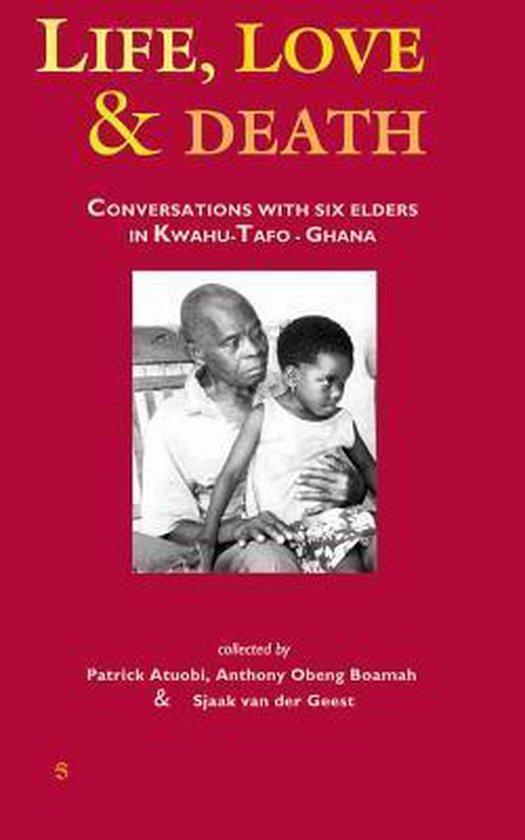
Life, love and death. Conversations with six elders in Kwahu-Tafo – Ghana
€ 7,50
This book records the wisdom of six elders in Kwahu-Tafo, a rural town in the South of Ghana. It brings to the fore the beauty of old age.
This book records the wisdom of six elders in Kwahu-Tafo, a rural town in the South of Ghana. It brings to the fore the beauty of old age.
Boek informatie
ISBN 13
9789055892617
Aantal pagina's
36
Auteur(s)
P. Atuobi, A. Obeng & S. van der Geest
NUR
761 - Culturele antropologie
Gerelateerde producten
Geen voorraad
Marine Insurance in the Netherlands 1600-1870. A comparative institutional approach
€ 39,90
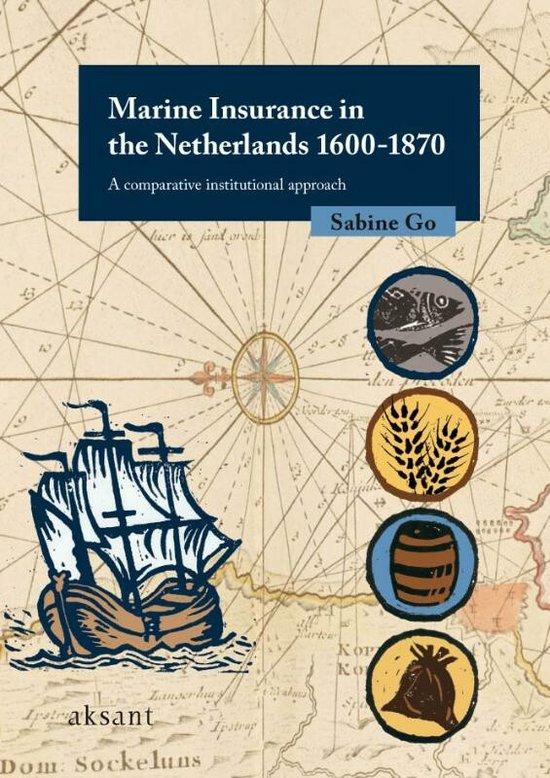
Marine insurance has been of great importance to the expansion of long distance trade and economic growth in the early modern period, in particular for seafaring nations such as the Dutch Republic. The Amsterdam market became Europe's leading insurance market and within the Republic other insurance systems also emerged. Little is known about the differing institutional frameworks governing these industries and the interaction between the institutions and the actors in the industry. This study will examine the development of marine insurance in the Netherlands in Amsterdam, Rotterdam and the province of Groningen from c. 1600 to 1870 from an institutional point of view. It will examine how the behaviour of authorities, insurers, underwriters and brokers was affected by the formal and informal constraints of the industry and how in turn their conduct has influenced the institutional framework and induced institutional change. A comparative institutional analysis will be made of three insurance systems in the Netherlands, each with its own distinctive characteristics. The interaction between institutions and actors will be studied in relation to the effects of technological innovations and international geo-political changes. By examining developments over a period of two and half centuries the path of long-term institutional change becomes discernable.
Geen voorraad
Marine Insurance in the Netherlands 1600-1870. A comparative institutional approach
€ 39,90
Marine insurance has been of great importance to the expansion of long distance trade and economic growth in the early modern period, in particular for seafaring nations such as the Dutch Republic. The Amsterdam market became Europe's leading insurance market and within the Republic other insurance systems also emerged. Little is known about the differing institutional frameworks governing these industries and the interaction between the institutions and the actors in the industry. This study will examine the development of marine insurance in the Netherlands in Amsterdam, Rotterdam and the province of Groningen from c. 1600 to 1870 from an institutional point of view. It will examine how the behaviour of authorities, insurers, underwriters and brokers was affected by the formal and informal constraints of the industry and how in turn their conduct has influenced the institutional framework and induced institutional change. A comparative institutional analysis will be made of three insurance systems in the Netherlands, each with its own distinctive characteristics. The interaction between institutions and actors will be studied in relation to the effects of technological innovations and international geo-political changes. By examining developments over a period of two and half centuries the path of long-term institutional change becomes discernable.
Geen voorraad

Geen voorraad
Applied Health Research. Anthropology of Health Care
€ 28,00
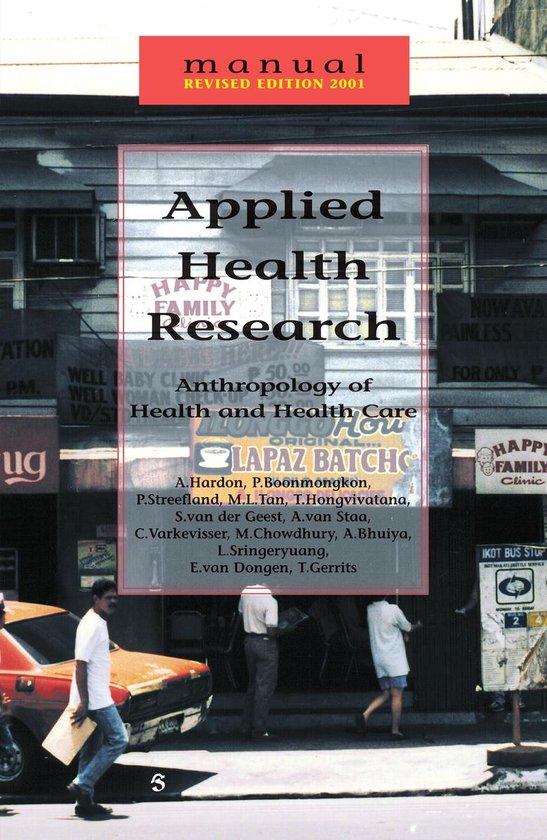
There is increasing recognition that socio-economic and cultural factors are prime determinants of health and health care. What factors contribute to the acceptance of community health financing or a vaccination program? What are the needs of the growing group of elderly people or psychatric patients? What social and cultural factors should be taken into account to operationalize all ambitious plans to improve reproductive health care? These are only some of the questions health professionals and health planners are confronted with.
Anthropological research can be a tremendous support to health programmes, by giving insights in the perspective of recipients and providers of health programmes and health care, and also by providing managers and implementors of these programmes with mechanisms and strategies that could lead to a reorientation of health care programmes and policies towards the actual needs of the target group.
The need for training in anthropology of health and health care has been expressed by social scientists involved in multi-disciplinary health research projects, and public health staff at different levels, who are involved in providing health education and primary health care and who - in implementing the health programmes - are confronted with difficulties related to the socio-cultural context in which they work.
It is for this reason that the International Course in Anthropology of Health and Health Care has been developed. This course has been designed for research officers of public health institutes, coordinators of community health care programmes, project staff, responsible for the implementation of various health programmes, public health professionals, social science lecturers at universities, and junior social scientists, who intend to specialize in Anthropology of Health and Health Care.
The course takes a multi-disciplinary approach and focuses on a number of important problem areas and issues, such as vaccination, reproductive health and AIDS, equity and community health financing, self-care and the use and distribution of pharmaceuticals.
The manual in its earlier editions has been used since years for teaching in the field of applied medical anthropology and public health in academic institutions worldwide.
Applied Health Research. Anthropology of Health Care
€ 28,00
There is increasing recognition that socio-economic and cultural factors are prime determinants of health and health care. What factors contribute to the acceptance of community health financing or a vaccination program? What are the needs of the growing group of elderly people or psychatric patients? What social and cultural factors should be taken into account to operationalize all ambitious plans to improve reproductive health care? These are only some of the questions health professionals and health planners are confronted with.
Anthropological research can be a tremendous support to health programmes, by giving insights in the perspective of recipients and providers of health programmes and health care, and also by providing managers and implementors of these programmes with mechanisms and strategies that could lead to a reorientation of health care programmes and policies towards the actual needs of the target group.
The need for training in anthropology of health and health care has been expressed by social scientists involved in multi-disciplinary health research projects, and public health staff at different levels, who are involved in providing health education and primary health care and who - in implementing the health programmes - are confronted with difficulties related to the socio-cultural context in which they work.
It is for this reason that the International Course in Anthropology of Health and Health Care has been developed. This course has been designed for research officers of public health institutes, coordinators of community health care programmes, project staff, responsible for the implementation of various health programmes, public health professionals, social science lecturers at universities, and junior social scientists, who intend to specialize in Anthropology of Health and Health Care.
The course takes a multi-disciplinary approach and focuses on a number of important problem areas and issues, such as vaccination, reproductive health and AIDS, equity and community health financing, self-care and the use and distribution of pharmaceuticals.
The manual in its earlier editions has been used since years for teaching in the field of applied medical anthropology and public health in academic institutions worldwide.
Geen voorraad
Facades. Oostenrijkers en het oorlogsverleden
€ 18,50
Ingelijfd bij Duitsland vochten en werkten Oostenrijkers in de Tweede Wereldoorlog samen met de Duitsers op alle fronten, in de vernietigingskampen, in de bezette gebieden, thuis. Samen met de Duitsers verloren ze.
Alle betrokkenen moesten na deze collectieve ervaring van geweld, samen verder, aan welke kant ze ook gestaan hadden. Zoals er steeds opnieuw samenlevingen zijn, die na een oorlog, na etnische zuiveringen, na terreur en verlies met elkaar verder moeten.
Herinneren is niet alleen een psychisch maar ook sociaal fenomeen. We herinneren wat gedeeld wordt met anderen. De herinnering is steeds opnieuw een constructie en tegelijkertijd een reconstructie: ze gaat terug, reageert en borduurt voort op wat er vroeger gebeurd is. Het verleden krijgt vorm en wordt steeds aangepast, becommentarieerd, verdraaid en bestreden.
De herinnering beperkt zich niet tot de taal: ze wordt vastgelegd in allerlei vormen, ze gaat schuil achter allerlei façades, zoals een illustratie, een monument, een foto, een bepaalde melodie, een gebaar, een pijnlijke stilte.
Anne Gevers laat in deze studie zien hoe die herinneringen gestalte hebben gekregen in een Oostenrijkse stad. Ze traceert het complexe samenspel tussen dominante, verborgen en contrasterende interpretaties van dit uiterst omstreden maar niet vergeten verleden.
Anne Gevers (1951) was ten tijde van het onderzoek als antropologe verbonden aan The Amsterdam School for Social Science Research.
Geen voorraad
Facades. Oostenrijkers en het oorlogsverleden
€ 18,50
Ingelijfd bij Duitsland vochten en werkten Oostenrijkers in de Tweede Wereldoorlog samen met de Duitsers op alle fronten, in de vernietigingskampen, in de bezette gebieden, thuis. Samen met de Duitsers verloren ze.
Alle betrokkenen moesten na deze collectieve ervaring van geweld, samen verder, aan welke kant ze ook gestaan hadden. Zoals er steeds opnieuw samenlevingen zijn, die na een oorlog, na etnische zuiveringen, na terreur en verlies met elkaar verder moeten.
Herinneren is niet alleen een psychisch maar ook sociaal fenomeen. We herinneren wat gedeeld wordt met anderen. De herinnering is steeds opnieuw een constructie en tegelijkertijd een reconstructie: ze gaat terug, reageert en borduurt voort op wat er vroeger gebeurd is. Het verleden krijgt vorm en wordt steeds aangepast, becommentarieerd, verdraaid en bestreden.
De herinnering beperkt zich niet tot de taal: ze wordt vastgelegd in allerlei vormen, ze gaat schuil achter allerlei façades, zoals een illustratie, een monument, een foto, een bepaalde melodie, een gebaar, een pijnlijke stilte.
Anne Gevers laat in deze studie zien hoe die herinneringen gestalte hebben gekregen in een Oostenrijkse stad. Ze traceert het complexe samenspel tussen dominante, verborgen en contrasterende interpretaties van dit uiterst omstreden maar niet vergeten verleden.
Anne Gevers (1951) was ten tijde van het onderzoek als antropologe verbonden aan The Amsterdam School for Social Science Research.