
Antropologische vergezichten. Mondialisering, migratie en multiculturaliteit
De boeken uit de Antropologie Academie hebben een inleidend karakter, zijn toegankelijk geschreven en geschikt voor studenten op BA- en MA-niveau, maar ook voor anderen, zoals reizigers en docenten, die zich afvragen hoe mensen met een verschillende culturele achtergrond in de wereld staan. De reeks Antropologie Academie wordt uitgegeven in samenwerking met de Antropologen Beroepsvereniging (ABv) www.antropologen.nl
Antropologische vergezichten. Mondialisering, migratie en multiculturaliteit
De boeken uit de Antropologie Academie hebben een inleidend karakter, zijn toegankelijk geschreven en geschikt voor studenten op BA- en MA-niveau, maar ook voor anderen, zoals reizigers en docenten, die zich afvragen hoe mensen met een verschillende culturele achtergrond in de wereld staan. De reeks Antropologie Academie wordt uitgegeven in samenwerking met de Antropologen Beroepsvereniging (ABv) www.antropologen.nl
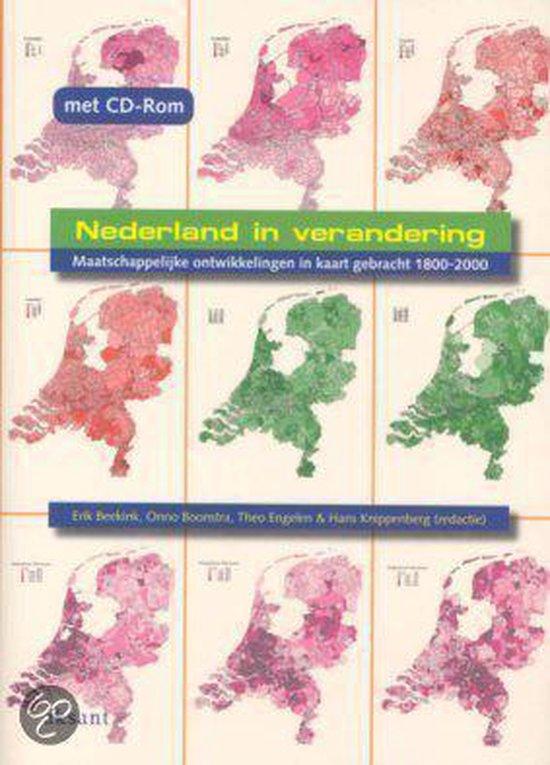
Nederland in verandering
Dit is nu mogelijk doordat in de Historische Databank Nederlandse Gemeenten (HDNG) een grote hoeveelheid gegevens vanaf het begin van de statistische periode (1795) op gemeentelijk niveau digitaal zijn ontsloten. Deze publicatie is een voorbeeld van de vele mogelijkheden die de HDNG kan bieden. Achterin het boek is een cd-rom bijgesloten met daarop de data, zodat men eigen selecties kan maken.
Nederland in verandering
Dit is nu mogelijk doordat in de Historische Databank Nederlandse Gemeenten (HDNG) een grote hoeveelheid gegevens vanaf het begin van de statistische periode (1795) op gemeentelijk niveau digitaal zijn ontsloten. Deze publicatie is een voorbeeld van de vele mogelijkheden die de HDNG kan bieden. Achterin het boek is een cd-rom bijgesloten met daarop de data, zodat men eigen selecties kan maken.

Nachtzwervers in Amsterdam 2003
Nachtzwervers in Amsterdam 2003
Stad en land. Over bewoners en woonmilieus.
Stad en land. Over bewoners en woonmilieus.
Multiculturalisme in Canada, Australië en de Verenigde Staten. Ideologie en beleid, 1950-2000.
Hans Vermeulen en Boris Slijper zijn beiden verbonden aan het Instituut voor Migratie- en Etnische Sudies (IMES) van de Universiteit van Amsterdam.
Multiculturalisme in Canada, Australië en de Verenigde Staten. Ideologie en beleid, 1950-2000.
Hans Vermeulen en Boris Slijper zijn beiden verbonden aan het Instituut voor Migratie- en Etnische Sudies (IMES) van de Universiteit van Amsterdam.
Tekstsociologie. Over de talige constructie van de sociale werkelijkheid
Gerhard Nijhof is hoogleraar Medische Sociologie aan de Universiteit van Amsterdam en o.a de auteur van Ziekenwerk. Een kleine sociologie van alledaags ziekenleven.
Tekstsociologie. Over de talige constructie van de sociale werkelijkheid
Gerhard Nijhof is hoogleraar Medische Sociologie aan de Universiteit van Amsterdam en o.a de auteur van Ziekenwerk. Een kleine sociologie van alledaags ziekenleven.
De straat aan de jeugd. Een ontwikkelingsgericht onderzoek naar drie jaar ‘Thuis Op Straat’.
De straat aan de jeugd. Een ontwikkelingsgericht onderzoek naar drie jaar ‘Thuis Op Straat’.
Ziekenwerk. Een kleine sociologie van alledaags ziekenleven
Ziekenwerk. Een kleine sociologie van alledaags ziekenleven
Bridges & Watersheds. A narrative analysis of watermanagement in England, Wales and the Netherlands
Bridges & Watersheds. A narrative analysis of watermanagement in England, Wales and the Netherlands
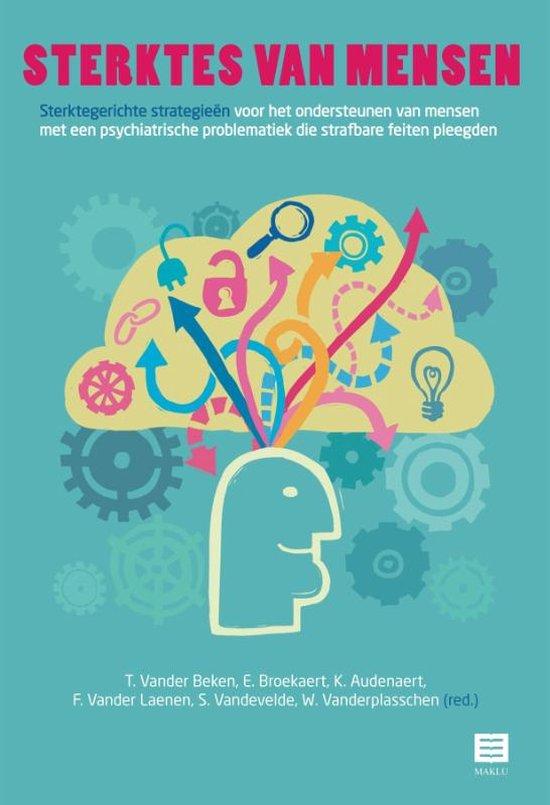
Sterktes van mensen. Sterktegerichte strategieën voor het ondersteunen van mensen met een psychiatrische problematiek die strafbare feiten pleegden.
De aanwijzingen nemen steeds meer toe: sterktegericht werken met mensen met een psychiatrische problematiek die strafbare feiten pleegden levert positieve resultaten op. Dit boek bundelt de beschikbare kennis en reikt handvatten aan om met deze aanpak in de praktijk aan de slag te gaan.
Het bevat twee bijdragen van internationale experts: Fergus McNeill (University of Glasgow, UK) en Tony Ward (Victoria University of Wellington, New Zealand) beschrijven de achtergronden en internationale toepassingen van het sterktegericht paradigma.
Vijf hoofdstukken geven daarnaast de eerste resultaten weer van een interdisciplinaire studie van de Universiteit Gent naar sterktegerichte multidisciplinaire richtlijnen, aanbevelingen en strategieën voor deze doelgroep, en samen met de doelgroep.
Hulpverleners, advocaten, magistraten, beleidsmakers en ervaringsdeskundigen zullen ongetwijfeld inspiratie vinden in deze uitgave.
GPRC - Guaranteed Peer Reviewed Content
Sterktes van mensen. Sterktegerichte strategieën voor het ondersteunen van mensen met een psychiatrische problematiek die strafbare feiten pleegden.
De aanwijzingen nemen steeds meer toe: sterktegericht werken met mensen met een psychiatrische problematiek die strafbare feiten pleegden levert positieve resultaten op. Dit boek bundelt de beschikbare kennis en reikt handvatten aan om met deze aanpak in de praktijk aan de slag te gaan.
Het bevat twee bijdragen van internationale experts: Fergus McNeill (University of Glasgow, UK) en Tony Ward (Victoria University of Wellington, New Zealand) beschrijven de achtergronden en internationale toepassingen van het sterktegericht paradigma.
Vijf hoofdstukken geven daarnaast de eerste resultaten weer van een interdisciplinaire studie van de Universiteit Gent naar sterktegerichte multidisciplinaire richtlijnen, aanbevelingen en strategieën voor deze doelgroep, en samen met de doelgroep.
Hulpverleners, advocaten, magistraten, beleidsmakers en ervaringsdeskundigen zullen ongetwijfeld inspiratie vinden in deze uitgave.
GPRC - Guaranteed Peer Reviewed Content
European Journal of Policing Studies – Jaargang 3/2 (2015) (ISSN 2034-760x) – Special issue Policing, Boundaries and the State
Contents:
Introduction
A. Verhage, L. Bisschop, W. Hardyns & D. Boels
Articles
Policing, Boundaries and the
State: The Changing Landscape
of Sovereignty and Security. Introduction to the Edition
C. Giacomantonio (1) & H.O.I. Gundhus (2)
(1) Analyst at
RAND Europe, a not-for-profit policy research institution based in Cambridge, UK and Brussels,
BE.
(2) Professor at Norwegian Police University College, Research Department.
Talking to the Man. Some Gendered Reflections on the
Relationship Between the Global
System and Policing Subculture(s)
B. Bowling (1) & J. Sheptycki (2)
Abstract
This paper reflects on the interplay between the transnational subculture of policing and the
subculture of transnational policing and pays particular attention to the encoding of masculine
tropes within them. It uses the culture/subculture distinction to illuminate how gendered masculine
identities help to mediate the relationship between the broader culture of control and the occupational
subculture(s) of policing. The paper is part of an attempt to theorize global policing as
a synecdoche of the global system, an idea that is fundamentally challenging to our ideas about
the boundaries of the state. In this paper we draw attention to the specifically ‘masculinist’ nature
of the discourse concerning global policing practice, which is often essentialized in dyadic terms;
in extremis, in terms of chivalrous knights and rapacious Bluebeards. The paper looks at the
militarization of US policing and briefly explores the global terrain of public order policing in the
contemporary period, again drawing attention to the masculine tropes that pervade the scene. The
paper endeavors to show how the prevalence of problematic masculine role-types in the enactment
policing subculture(s) affects the global system.
Keywords: transnational policing; subculture(s); masculinity; global policing; militarization of policing
(1) Deputy Dean of The Dickson Poon School of Law.
(2) Professor of Criminology at the Faculty of Liberal Arts and Professional
Studies York University Toronto, Canada.
Justifications and State
Actions. EU Police Cooperation, Schengen
Borders and Norwegian Sovereignty
S. Ugelvik (1)
Abstract
Building on an assessment of Norwegian policy documents from 1994 to 2012, this article provides
a critical analysis of the process leading up to the Norwegian agreements with EU, primarily those
concerning police cooperation. The purpose is to discuss the Norwegian Government’s justifications
for entering into the agreements throughout this period. The Norwegian Government firstly
argued that the pertinent agreements were imperative to maintain the free travel-arrangements
already existing between the Nordic countries. This justification was shortly after moderated, and
had a few years later disappeared completely. It was replaced by a former secondary argument; the
pressing need for enhanced police cooperation. This article presents some of the changes the EU
agreements involved for the Norwegian police. It shows a discrepancy between the policiary needs
and purposes as these were presented fluctuating throughout a relatively short period of time.
Further, it reveals the lack of debate concerning what may be seen as fundamental changes in the
way a sovereign nation state interacts with other states and their citizens. The article discusses
what it may imply when justifications turn out to be flawed due to weak foundational premises, or
because of later developments, but are still repeated or circumvented, or even used tautologically, to
promote a certain outcome. It finds that this may
European Journal of Policing Studies – Jaargang 3/2 (2015) (ISSN 2034-760x) – Special issue Policing, Boundaries and the State
Contents:
Introduction
A. Verhage, L. Bisschop, W. Hardyns & D. Boels
Articles
Policing, Boundaries and the
State: The Changing Landscape
of Sovereignty and Security. Introduction to the Edition
C. Giacomantonio (1) & H.O.I. Gundhus (2)
(1) Analyst at
RAND Europe, a not-for-profit policy research institution based in Cambridge, UK and Brussels,
BE.
(2) Professor at Norwegian Police University College, Research Department.
Talking to the Man. Some Gendered Reflections on the
Relationship Between the Global
System and Policing Subculture(s)
B. Bowling (1) & J. Sheptycki (2)
Abstract
This paper reflects on the interplay between the transnational subculture of policing and the
subculture of transnational policing and pays particular attention to the encoding of masculine
tropes within them. It uses the culture/subculture distinction to illuminate how gendered masculine
identities help to mediate the relationship between the broader culture of control and the occupational
subculture(s) of policing. The paper is part of an attempt to theorize global policing as
a synecdoche of the global system, an idea that is fundamentally challenging to our ideas about
the boundaries of the state. In this paper we draw attention to the specifically ‘masculinist’ nature
of the discourse concerning global policing practice, which is often essentialized in dyadic terms;
in extremis, in terms of chivalrous knights and rapacious Bluebeards. The paper looks at the
militarization of US policing and briefly explores the global terrain of public order policing in the
contemporary period, again drawing attention to the masculine tropes that pervade the scene. The
paper endeavors to show how the prevalence of problematic masculine role-types in the enactment
policing subculture(s) affects the global system.
Keywords: transnational policing; subculture(s); masculinity; global policing; militarization of policing
(1) Deputy Dean of The Dickson Poon School of Law.
(2) Professor of Criminology at the Faculty of Liberal Arts and Professional
Studies York University Toronto, Canada.
Justifications and State
Actions. EU Police Cooperation, Schengen
Borders and Norwegian Sovereignty
S. Ugelvik (1)
Abstract
Building on an assessment of Norwegian policy documents from 1994 to 2012, this article provides
a critical analysis of the process leading up to the Norwegian agreements with EU, primarily those
concerning police cooperation. The purpose is to discuss the Norwegian Government’s justifications
for entering into the agreements throughout this period. The Norwegian Government firstly
argued that the pertinent agreements were imperative to maintain the free travel-arrangements
already existing between the Nordic countries. This justification was shortly after moderated, and
had a few years later disappeared completely. It was replaced by a former secondary argument; the
pressing need for enhanced police cooperation. This article presents some of the changes the EU
agreements involved for the Norwegian police. It shows a discrepancy between the policiary needs
and purposes as these were presented fluctuating throughout a relatively short period of time.
Further, it reveals the lack of debate concerning what may be seen as fundamental changes in the
way a sovereign nation state interacts with other states and their citizens. The article discusses
what it may imply when justifications turn out to be flawed due to weak foundational premises, or
because of later developments, but are still repeated or circumvented, or even used tautologically, to
promote a certain outcome. It finds that this may

International Investment Arbitration. A Practical Handbook
Investment Arbitration is a multi-billion dollar venture. It is an area of international dispute resolution, which has undergone tremendous growth in recent years and resulted in the signature of thousands of Bilateral Investment Treaties (BITs) between foreign states and several Multilateral Investment Treaties (MITs). Numerous disputes involving these instruments are resolved through international arbitration. Arbitral tribunals have rendered many awards ordering the payment of large sums of money.
This handbook provides an explanatory introduction into the area of investment arbitration, differentiating it from commercial arbitration and state-to-state arbitration. It examines the legal framework and the general course of an international investment arbitration. In particular, it focuses on the standards of protection in international investment agreements, the concept of jurisdiction in international investment arbitration and the arbitral award, including the notions of recognition, enforcement and execution. Moreover, this cutting-edge publication contains relevant and recent case law in the area and deals with contemporaneous issues such as the ongoing controversy regarding the future of Intra-EU BITs and Free Trade Agreements as well as the link between vulture funds and investment arbitration.
The handbook aims at arbitrators, lawyers, practitioners, academics, students and everyone with an interest in international investment arbitration.
It is written by Johan Billiet in collaboration with Maria Elenora Benini, Cari-Dee Le, Amélie Noilhac and Cecile Oosterveen.
International Investment Arbitration. A Practical Handbook
Investment Arbitration is a multi-billion dollar venture. It is an area of international dispute resolution, which has undergone tremendous growth in recent years and resulted in the signature of thousands of Bilateral Investment Treaties (BITs) between foreign states and several Multilateral Investment Treaties (MITs). Numerous disputes involving these instruments are resolved through international arbitration. Arbitral tribunals have rendered many awards ordering the payment of large sums of money.
This handbook provides an explanatory introduction into the area of investment arbitration, differentiating it from commercial arbitration and state-to-state arbitration. It examines the legal framework and the general course of an international investment arbitration. In particular, it focuses on the standards of protection in international investment agreements, the concept of jurisdiction in international investment arbitration and the arbitral award, including the notions of recognition, enforcement and execution. Moreover, this cutting-edge publication contains relevant and recent case law in the area and deals with contemporaneous issues such as the ongoing controversy regarding the future of Intra-EU BITs and Free Trade Agreements as well as the link between vulture funds and investment arbitration.
The handbook aims at arbitrators, lawyers, practitioners, academics, students and everyone with an interest in international investment arbitration.
It is written by Johan Billiet in collaboration with Maria Elenora Benini, Cari-Dee Le, Amélie Noilhac and Cecile Oosterveen.