Belgisch belastingrecht (in hoofdlijnen) – Studentenuitgave (28ste herziene uitgave) | Jos J. Couturier, Bruno Peeters, Sylvie De Raedt, Rik Smet
Dit handboek wil aan de lezer een actueel beeld geven van de krachtlijnen van het Belgisch belastingrecht. Het is in de eerste plaats opgevat als een leidraad bij de studie van het belastingrecht, en kan ook na de studies als referentiewerk dienen.
De tekst is evenwichtig voorzien van referenties. De verwijzingen in voetnoot zijn zoveel mogelijk beperkt gehouden tot verwijzingen naar de rechtspraak, zowel naar basisarresten die de draagwijdte van de besproken rechtsregelen fundamenteel beïnvloeden als naar rechtspraak ter illustratie en ter verduidelijking van de behandelde materie. Referenties naar de doctrine worden in de regel opgenomen in de literatuurselecties die elk hoofdstuk of een onderdeel ervan voorafgaan.
In het boek wordt vrij getrouw de structuur van de verschillende fiscale wetboeken gevolgd. De bedoeling is immers om de lezer ook vertrouwd te maken met het gebruik van deze wetboeken zodat hij steeds zijn weg kan terugvinden in het snel evoluerende belastingrecht.
De stof is bijgehouden tot het Belgisch Staatsblad van 1 januari 2023.
Prof. Dr. Jos J. Couturier (†) is emeritus gewoon hoogleraar aan de faculteit rechten van de Universiteit Antwerpen.
Prof. Dr. Bruno Peeters is gewoon hoogleraar aan de faculteit rechten van de Universiteit Antwerpen.
Belgisch belastingrecht (in hoofdlijnen) – Studentenuitgave (28ste herziene uitgave) | Jos J. Couturier, Bruno Peeters, Sylvie De Raedt, Rik Smet
Dit handboek wil aan de lezer een actueel beeld geven van de krachtlijnen van het Belgisch belastingrecht. Het is in de eerste plaats opgevat als een leidraad bij de studie van het belastingrecht, en kan ook na de studies als referentiewerk dienen.
De tekst is evenwichtig voorzien van referenties. De verwijzingen in voetnoot zijn zoveel mogelijk beperkt gehouden tot verwijzingen naar de rechtspraak, zowel naar basisarresten die de draagwijdte van de besproken rechtsregelen fundamenteel beïnvloeden als naar rechtspraak ter illustratie en ter verduidelijking van de behandelde materie. Referenties naar de doctrine worden in de regel opgenomen in de literatuurselecties die elk hoofdstuk of een onderdeel ervan voorafgaan.
In het boek wordt vrij getrouw de structuur van de verschillende fiscale wetboeken gevolgd. De bedoeling is immers om de lezer ook vertrouwd te maken met het gebruik van deze wetboeken zodat hij steeds zijn weg kan terugvinden in het snel evoluerende belastingrecht.
De stof is bijgehouden tot het Belgisch Staatsblad van 1 januari 2023.
Prof. Dr. Jos J. Couturier (†) is emeritus gewoon hoogleraar aan de faculteit rechten van de Universiteit Antwerpen.
Prof. Dr. Bruno Peeters is gewoon hoogleraar aan de faculteit rechten van de Universiteit Antwerpen.
Overdracht van een algemeenheid van goederen of bedrijfsafdeling – fusies, overnames en splitsingen: btw-gevolgen, 2e uitgave
Dit boek analyseert de btw-gevolgen bij een overdracht van een algemeenheid van goederen of bedrijfsafdeling.
Wat is de reikwijdte van een “algemeenheid” of “bedrijfsafdeling”? Wie moet er herzieningen verrichten? Welke formaliteiten moeten vervuld worden?
Ook de btw-gevolgen van fusies, overnames en splitsingen komen aan bod.
Stefan Ruysschaert is adviseur bij de FOD Financiën. Hij is auteur van talrijke bijdragen op fiscaal vlak in toonaangevende tijdschriften en boeken. Hij is o.a. redactielid van Taxwin en het Tijdschrift Huur. Hij doceert btw aan de UGent en is gastdocent aan de Fiscale Hogeschool.
Véronique De Vulder is master in de handels- en financiële wetenschappen, optie accountancy en zaakvoerder van Interaccounts bv. Haar activiteiten situeren zich in de totale begeleiding van kmo-vennootschappen, zowel op boekhoudkundig en fiscaal vlak als op het vlak van de interne organisatie, overdracht en waardering.
Overdracht van een algemeenheid van goederen of bedrijfsafdeling – fusies, overnames en splitsingen: btw-gevolgen, 2e uitgave
Dit boek analyseert de btw-gevolgen bij een overdracht van een algemeenheid van goederen of bedrijfsafdeling.
Wat is de reikwijdte van een “algemeenheid” of “bedrijfsafdeling”? Wie moet er herzieningen verrichten? Welke formaliteiten moeten vervuld worden?
Ook de btw-gevolgen van fusies, overnames en splitsingen komen aan bod.
Stefan Ruysschaert is adviseur bij de FOD Financiën. Hij is auteur van talrijke bijdragen op fiscaal vlak in toonaangevende tijdschriften en boeken. Hij is o.a. redactielid van Taxwin en het Tijdschrift Huur. Hij doceert btw aan de UGent en is gastdocent aan de Fiscale Hogeschool.
Véronique De Vulder is master in de handels- en financiële wetenschappen, optie accountancy en zaakvoerder van Interaccounts bv. Haar activiteiten situeren zich in de totale begeleiding van kmo-vennootschappen, zowel op boekhoudkundig en fiscaal vlak als op het vlak van de interne organisatie, overdracht en waardering.

Ik loop vast als coach! Wat nu?
n dit boek heeft Erwin De Bisscop samengebracht wat hij tijdens zijn 40 jaar opgedane ervaring in het werken als leidinggevende/coach als nuttig en werkbaar heeft beschouwd. Hij gaat ervan uit dat er voor ieder van ons unieke, doeltreffende oplossingen te vinden zijn om welbepaalde problemen de baas te worden en zo gemakkelijker ieders gewenste doelstellingen te kunnen bereiken.
In Ik loop vast als coach! Wat nu? beschrijft hij specifieke en handige technieken voor het begeleiden van coachees. Alle begeleiders en coachen treffen in dit boek volop efficiënte toepassingsmogelijkheden aan.
Dit boek helpt je op een heldere manier op weg om als coach een coachee te begeleiden. Het toont zowel de coach als de coachee hoe een gezonde bevredigende toekomst voor te stellen en met vallen en opstaan dit te bereiken.
Erwin De Bisscop is een erkend oplossingsgericht cognitief-systemisch psychotherapeut en coach met een jarenlange ervaring in het begeleiden van coachees. Hij is directielid en erkend opleider-supervisor (oplossingsgerichte cognitieve systeempsychotherapie en coaching) aan het Korzybski instituut vzw in Brugge en Antwerpen.
Ik loop vast als coach! Wat nu?
n dit boek heeft Erwin De Bisscop samengebracht wat hij tijdens zijn 40 jaar opgedane ervaring in het werken als leidinggevende/coach als nuttig en werkbaar heeft beschouwd. Hij gaat ervan uit dat er voor ieder van ons unieke, doeltreffende oplossingen te vinden zijn om welbepaalde problemen de baas te worden en zo gemakkelijker ieders gewenste doelstellingen te kunnen bereiken.
In Ik loop vast als coach! Wat nu? beschrijft hij specifieke en handige technieken voor het begeleiden van coachees. Alle begeleiders en coachen treffen in dit boek volop efficiënte toepassingsmogelijkheden aan.
Dit boek helpt je op een heldere manier op weg om als coach een coachee te begeleiden. Het toont zowel de coach als de coachee hoe een gezonde bevredigende toekomst voor te stellen en met vallen en opstaan dit te bereiken.
Erwin De Bisscop is een erkend oplossingsgericht cognitief-systemisch psychotherapeut en coach met een jarenlange ervaring in het begeleiden van coachees. Hij is directielid en erkend opleider-supervisor (oplossingsgerichte cognitieve systeempsychotherapie en coaching) aan het Korzybski instituut vzw in Brugge en Antwerpen.
RIDP 94.2 (2023) Artificial Intelligence and Administration of Criminal Justice
Artificial Intelligence systems are used today in several parts of the world to support the administration of criminal justice. The most widespread example concerns “predictive policing”, which aims at foretelling crime before it happens and improving its detection. AI allows geospatial as well as person-based policing and is involved in preventing and uncovering economic crimes such as fraud and money laundering.
Especially in the context of crime mapping – or hot-spot analysis –, its efficiency has been questioned. As its compliance with human rights is also critically debated, some countries have renounced or ceased to rely on it. Another kind of general surveillance of human activity has however emerged with the performance of machine learning in facial recognition technology.
In contrast, the use of risk assessment tools based on AI by judicial authorities to forecast recidivism has remained limited to a few countries. Nevertheless, a new aspect of so-called “predictive justice” is currently arising, not to foretell the forthcoming behavior of a suspected or condemned person, but surprisingly the decision of judicial bodies themselves, based largely on their former decisions. Legal quantitative analysis is a new achievement, due to AI but raises serious concerns. It may radically change the role of judges and lawyers in the course of criminal justice. Not only does it put several human rights in tension but also does it challenge the very meaning of human intervention in implementing criminal law.
The final intrusion of AI into the administration of criminal justice, addressed here, concerns evidence matters. AI tools help investigation authorities gather and correlate large volumes of data and improve the exploitation of manifold sorts of digital information. It also produces statistical evaluations that may be valuable for forensic purposes, particularly to identify persons based on facial recognition, vocal recognition, and probabilistic genotyping. Whether these results are admissible in courts, and to what conditions – including technical reliability and fair trial issues – they may be proffered as evidence, is an unsolved question for now.
This volume reviews the various uses of AI in the different stages of the criminal process from a country-comparative approach. It addresses the fundamental questions that this new technology raises when confronted with the guarantees of due process, fair trial, and other relevant human rights. It also presents the 32 resolutions that a team of twenty professors of criminal law, representing various legal traditions and parts of the world, have agreed upon to ensure that the use of AI is in line with the essential principles of criminal procedural law and with a fair justice system.
Juliette Lelieur is a Professor of Criminal Law at the University of Strasbourg, France.
RIDP 94.2 (2023) Artificial Intelligence and Administration of Criminal Justice
Artificial Intelligence systems are used today in several parts of the world to support the administration of criminal justice. The most widespread example concerns “predictive policing”, which aims at foretelling crime before it happens and improving its detection. AI allows geospatial as well as person-based policing and is involved in preventing and uncovering economic crimes such as fraud and money laundering.
Especially in the context of crime mapping – or hot-spot analysis –, its efficiency has been questioned. As its compliance with human rights is also critically debated, some countries have renounced or ceased to rely on it. Another kind of general surveillance of human activity has however emerged with the performance of machine learning in facial recognition technology.
In contrast, the use of risk assessment tools based on AI by judicial authorities to forecast recidivism has remained limited to a few countries. Nevertheless, a new aspect of so-called “predictive justice” is currently arising, not to foretell the forthcoming behavior of a suspected or condemned person, but surprisingly the decision of judicial bodies themselves, based largely on their former decisions. Legal quantitative analysis is a new achievement, due to AI but raises serious concerns. It may radically change the role of judges and lawyers in the course of criminal justice. Not only does it put several human rights in tension but also does it challenge the very meaning of human intervention in implementing criminal law.
The final intrusion of AI into the administration of criminal justice, addressed here, concerns evidence matters. AI tools help investigation authorities gather and correlate large volumes of data and improve the exploitation of manifold sorts of digital information. It also produces statistical evaluations that may be valuable for forensic purposes, particularly to identify persons based on facial recognition, vocal recognition, and probabilistic genotyping. Whether these results are admissible in courts, and to what conditions – including technical reliability and fair trial issues – they may be proffered as evidence, is an unsolved question for now.
This volume reviews the various uses of AI in the different stages of the criminal process from a country-comparative approach. It addresses the fundamental questions that this new technology raises when confronted with the guarantees of due process, fair trial, and other relevant human rights. It also presents the 32 resolutions that a team of twenty professors of criminal law, representing various legal traditions and parts of the world, have agreed upon to ensure that the use of AI is in line with the essential principles of criminal procedural law and with a fair justice system.
Juliette Lelieur is a Professor of Criminal Law at the University of Strasbourg, France.

Geworteld in verbinding – Een ecologische theologie voor de toekomst
Geworteld in verbinding – Een ecologische theologie voor de toekomst
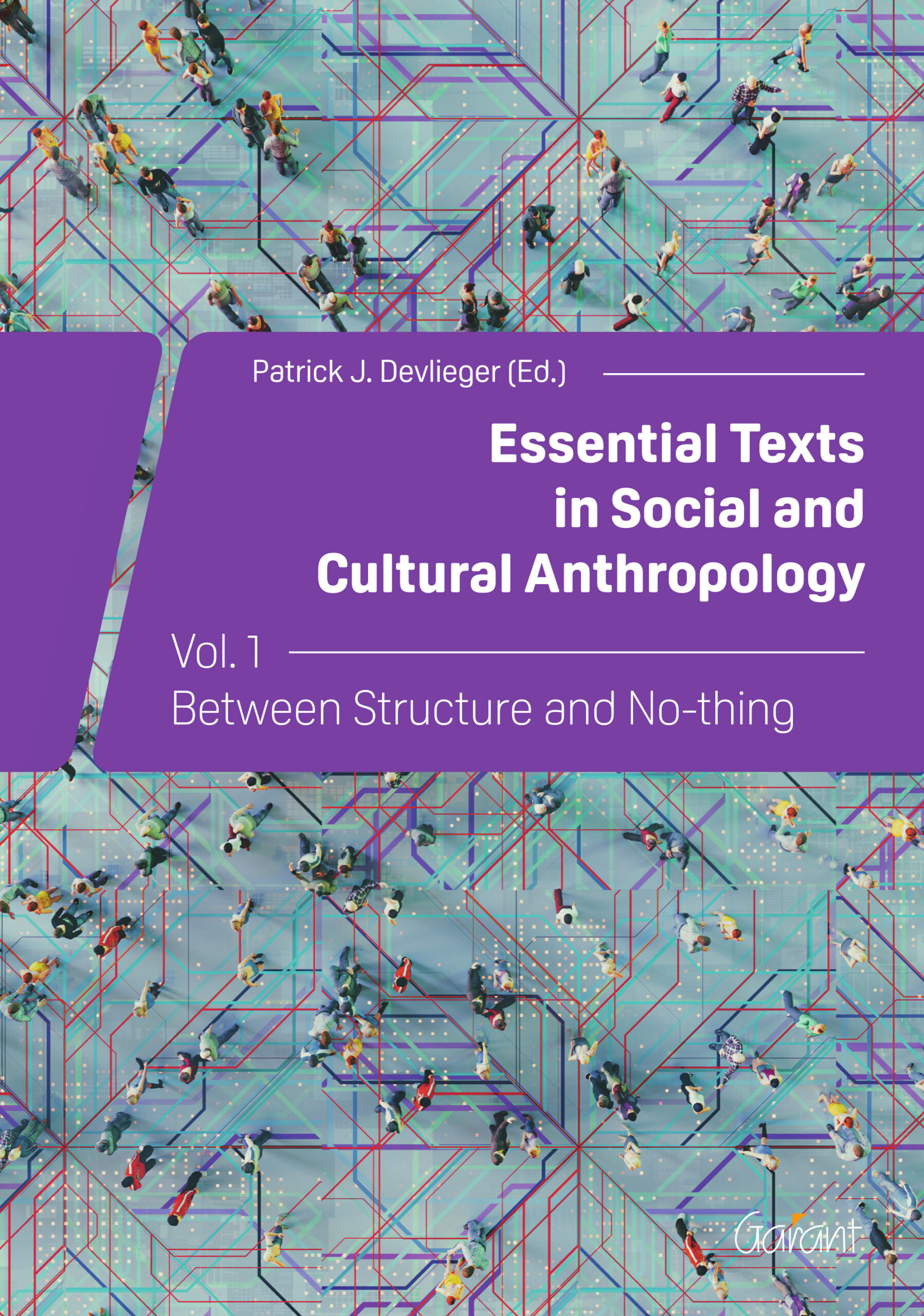
Essential Texts in Social and Cultural Anthropology – Vol. 1 Between Structure and No-thing
In this first volume of essential texts, on the history of anthropological theory, the rise and fall of the notion of structure is certainly one of the most important to note. In this book, this development is traced and held against an understanding of ethnographic practice. The book intently starts with a contemporary ethnographic example that serves as a backdrop for testing theoretical notions.
The movement through theory is one that oscillates between structure and no-thing (and perhaps back to some notion of structure), thus giving testimony of the remarkable survival skills of anthropology as an academic discipline and its readiness for new social and cultural transformations in contemporary contexts, and the possibility for embracing complexity (in multiple intersectional realities and in the imaginary. The selected texts have the purpose of being exemplary – in their use of anthropological theory – with the intent of facilitating a process of what is useful in scholarship and informative of ethnographic practice. The texts can explicate and challenge phenomena of social and cultural life and result in productive theory formation.
The book introduces readers to classic and more current anthropological theory roughly until the 2000 years, and before terrorism, pandemic and wars turned our attention elsewhere. Each chapter contains annotations to direct the student to important concepts and theories. In providing both the original text and clarifying annotations, readers can confidently develop in a variety of theoretical orientations.
Patrick J. Devlieger is an anthropologist who was trained at KU Leuven and the University of Illinois. He worked extensively within the anthropology of disability and for the last decade also in the history of leprosy sites and settlements. He has researched and taught in participatory fieldwork labs in Belgium, DR Congo, Canada, China, South Africa and New Zealand.
Essential Texts in Social and Cultural Anthropology – Vol. 1 Between Structure and No-thing
In this first volume of essential texts, on the history of anthropological theory, the rise and fall of the notion of structure is certainly one of the most important to note. In this book, this development is traced and held against an understanding of ethnographic practice. The book intently starts with a contemporary ethnographic example that serves as a backdrop for testing theoretical notions.
The movement through theory is one that oscillates between structure and no-thing (and perhaps back to some notion of structure), thus giving testimony of the remarkable survival skills of anthropology as an academic discipline and its readiness for new social and cultural transformations in contemporary contexts, and the possibility for embracing complexity (in multiple intersectional realities and in the imaginary. The selected texts have the purpose of being exemplary – in their use of anthropological theory – with the intent of facilitating a process of what is useful in scholarship and informative of ethnographic practice. The texts can explicate and challenge phenomena of social and cultural life and result in productive theory formation.
The book introduces readers to classic and more current anthropological theory roughly until the 2000 years, and before terrorism, pandemic and wars turned our attention elsewhere. Each chapter contains annotations to direct the student to important concepts and theories. In providing both the original text and clarifying annotations, readers can confidently develop in a variety of theoretical orientations.
Patrick J. Devlieger is an anthropologist who was trained at KU Leuven and the University of Illinois. He worked extensively within the anthropology of disability and for the last decade also in the history of leprosy sites and settlements. He has researched and taught in participatory fieldwork labs in Belgium, DR Congo, Canada, China, South Africa and New Zealand.
Mensen met lef – Verhalen over verlies en veerkracht
Mensen met lef – Verhalen over verlies en veerkracht

Ayyuha t-talib…! – Handboek voor het Modern Standaard Arabisch (Vijfde, Herziene druk: 2024)
Ayyuha t-talib…! – Handboek voor het Modern Standaard Arabisch (Vijfde, Herziene druk: 2024)
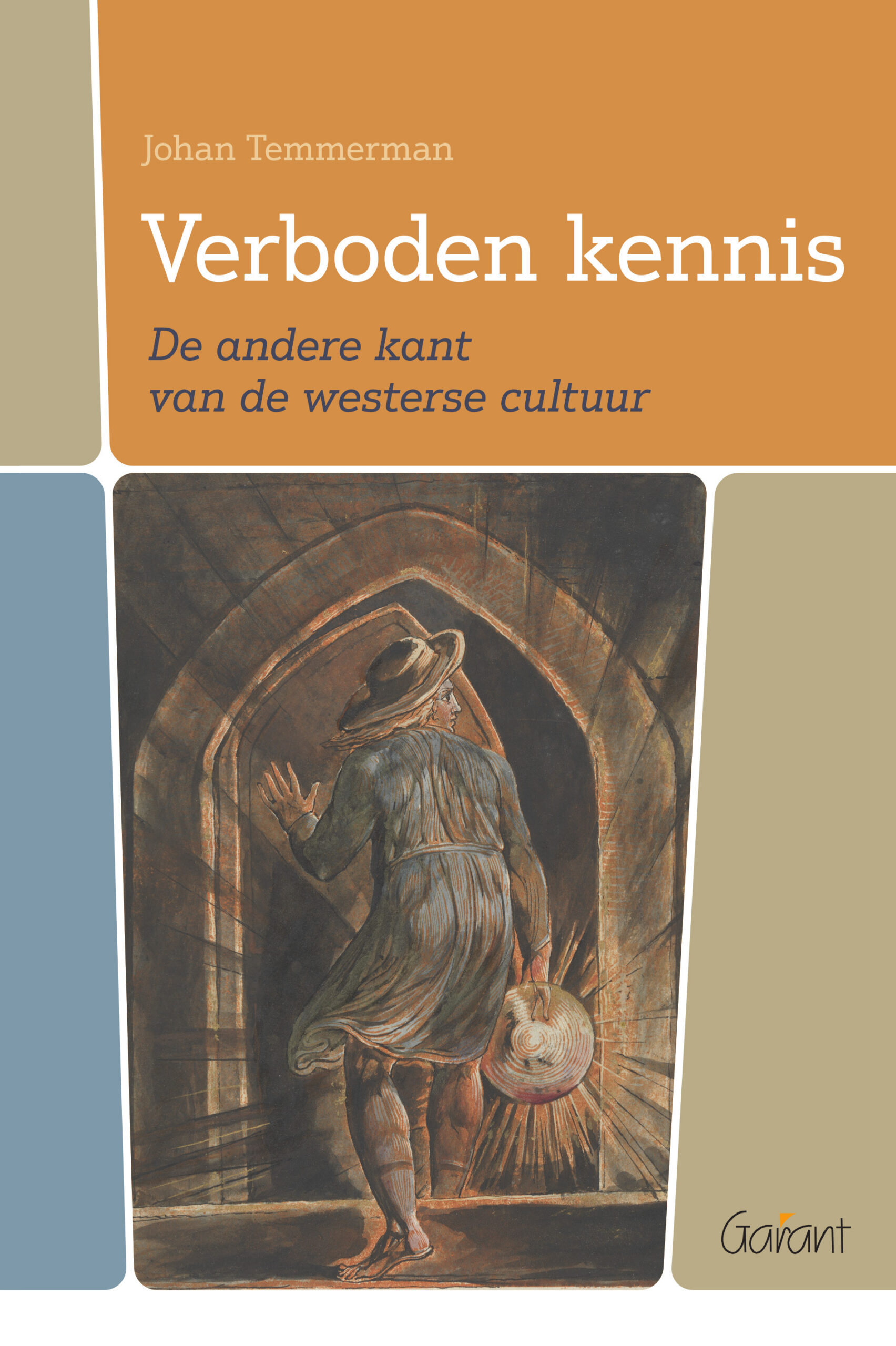
Verboden kennis – De andere kant van de westerse cultuur
De westerse cultuur ontsproot aan een veelheid van bronnen in de oudheid. Het Griekse denken en de Joodse verbeelding gaven het levenslicht aan de monotheïstische tradities. Van bij de aanvang maakte men beslissende keuzes. Een strak dogmatisch keurslijf bepaalde de ontwikkeling van de westerse cultuur. Dissidente stemmen werd het zwijgen opgelegd en hun teksten werden verboden. In dit boek schetst de auteur aan de hand van de verboden kennis de andere kant van de westerse cultuur.
De tekst biedt een combinatie van informatief onderricht en een oefening in het denken van diversiteit. De enige ‘juiste’ weg, die de religieuze orthodoxe tradities uitstippelden, staat sinds de moderniteit onder druk. Maar voorin de 21e eeuw stelt men tevens de leefbaarheid van een louter wetenschappelijk materialisme in vraag. Misschien hadden ketterse onverlaten en on-eigentijdse denkers, die de andere kant van de westerse cultuur representeren, dan toch een punt?
In deze tekst overloopt de auteur de diverse stromingen en bewegingen die ondergronds belangrijke impulsen gaven aan de vorming van de westerse cultuur. Aan bod komen gnostici, katharen, hermetische filosofen, alchimisten, rozenkruisers en vele anderen. De verboden kennis zet aan om de waarheid in verschillende gestalten te denken en ons niet door een polariserend ‘groot verhaal’ te laten vangen.
Johan Temmerman is als religiewetenschapper verbonden aan de Faculteit voor Theologie en Religiestudies in Brussel. Hij is gespecialiseerd in godsdienstfilosofie, de verhouding tussen religie en wetenschap en alternatieve westerse stromingen.
Verboden kennis – De andere kant van de westerse cultuur
De westerse cultuur ontsproot aan een veelheid van bronnen in de oudheid. Het Griekse denken en de Joodse verbeelding gaven het levenslicht aan de monotheïstische tradities. Van bij de aanvang maakte men beslissende keuzes. Een strak dogmatisch keurslijf bepaalde de ontwikkeling van de westerse cultuur. Dissidente stemmen werd het zwijgen opgelegd en hun teksten werden verboden. In dit boek schetst de auteur aan de hand van de verboden kennis de andere kant van de westerse cultuur.
De tekst biedt een combinatie van informatief onderricht en een oefening in het denken van diversiteit. De enige ‘juiste’ weg, die de religieuze orthodoxe tradities uitstippelden, staat sinds de moderniteit onder druk. Maar voorin de 21e eeuw stelt men tevens de leefbaarheid van een louter wetenschappelijk materialisme in vraag. Misschien hadden ketterse onverlaten en on-eigentijdse denkers, die de andere kant van de westerse cultuur representeren, dan toch een punt?
In deze tekst overloopt de auteur de diverse stromingen en bewegingen die ondergronds belangrijke impulsen gaven aan de vorming van de westerse cultuur. Aan bod komen gnostici, katharen, hermetische filosofen, alchimisten, rozenkruisers en vele anderen. De verboden kennis zet aan om de waarheid in verschillende gestalten te denken en ons niet door een polariserend ‘groot verhaal’ te laten vangen.
Johan Temmerman is als religiewetenschapper verbonden aan de Faculteit voor Theologie en Religiestudies in Brussel. Hij is gespecialiseerd in godsdienstfilosofie, de verhouding tussen religie en wetenschap en alternatieve westerse stromingen.

Your move – Think like the enemy to protect your organization (Series Counterplay nr. 1)
Counterplay is a proactive security concept that complements your existing security plan and tackles your security challenges in a different way. Counterplay radically chooses the criminal perspective. Looking through the eyes of the enemy to better protect yourself. Not by tracking down or attacking potential enemies, but by pro-actively subverting as many attack strategies as possible. You are thinking ahead in a game of chess with the enemy.
With plenty of practical examples and useful tips, Counterplay translates its ideas into viable methods tailored to any organization. People are put at the heart of the approach, because human action is crucial in any security policy. People can be your weakest link, but with the right guidance and tools they become your strongest asset.
Counterplay is for anyone who wants to work on security in the workplace. For security professionals who want to add new security insights to their organization. For employees of emergency services, security personnel of museums and other institutions, but also for hospitality teams of organizations and events. You will learn to observe proactively, to look critically at your own (security) resources, and to design effective barriers in an accessible way.
Kim Covent is an advisor with the Ghent local police and has over 14 years of experience in communications and policy at the local level. As an international speaker, she presents and educates on observation techniques, nonverbal communication, and proactive security. She uses gamification and action learning in spotting and understanding deviant behavior and criminal attacks.
Wesley De Smet, CPP, is department head of Facility Management at the Ghent Museum of Fine Arts. He is an expert in museum security and crisis management and previously worked as a safety & welfare consultant, prevention advisor and emergency planning officer in various government agencies. He speaks at national and international forums and serves on the board of ASIS International Benelux Chapter.
Your move – Think like the enemy to protect your organization (Series Counterplay nr. 1)
Counterplay is a proactive security concept that complements your existing security plan and tackles your security challenges in a different way. Counterplay radically chooses the criminal perspective. Looking through the eyes of the enemy to better protect yourself. Not by tracking down or attacking potential enemies, but by pro-actively subverting as many attack strategies as possible. You are thinking ahead in a game of chess with the enemy.
With plenty of practical examples and useful tips, Counterplay translates its ideas into viable methods tailored to any organization. People are put at the heart of the approach, because human action is crucial in any security policy. People can be your weakest link, but with the right guidance and tools they become your strongest asset.
Counterplay is for anyone who wants to work on security in the workplace. For security professionals who want to add new security insights to their organization. For employees of emergency services, security personnel of museums and other institutions, but also for hospitality teams of organizations and events. You will learn to observe proactively, to look critically at your own (security) resources, and to design effective barriers in an accessible way.
Kim Covent is an advisor with the Ghent local police and has over 14 years of experience in communications and policy at the local level. As an international speaker, she presents and educates on observation techniques, nonverbal communication, and proactive security. She uses gamification and action learning in spotting and understanding deviant behavior and criminal attacks.
Wesley De Smet, CPP, is department head of Facility Management at the Ghent Museum of Fine Arts. He is an expert in museum security and crisis management and previously worked as a safety & welfare consultant, prevention advisor and emergency planning officer in various government agencies. He speaks at national and international forums and serves on the board of ASIS International Benelux Chapter.