
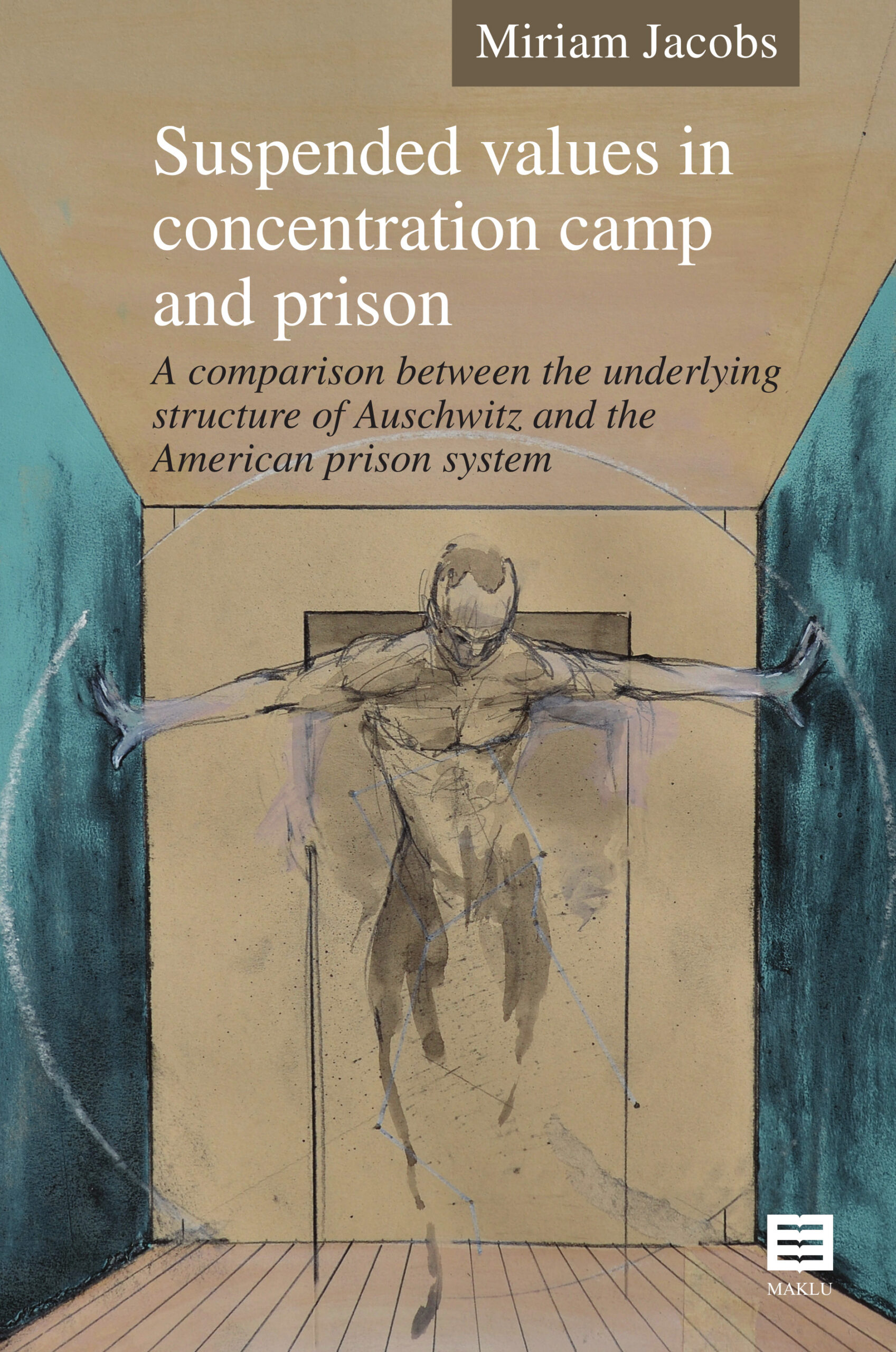
Suspended values in concentration camp and prison. A comparison between the underlying structure of Auschwitz and the American prison system
€ 29,00
The concentration camps are closed. Auschwitz is over. Every year we commemorate and say we never want this again. But why then do we still have systems in our Western society in which people are locked up in degrading conditions? Is Auschwitz really over? To answer this question, this book makes a comparison between the camp structure of Auschwitz and the basic structure of the current prison system in the United States. This prison system houses 2.3 million guilty or innocent people in degrading conditions. What is the difference in human dignity between Auschwitz and this detention system if human values are destroyed by the same underlying structure? This book examines the universal characteristics of the basic structure of both systems. Insight into these universal characteristics can lead to a literal structural change and encourage research into other underlying structures, such as prisons systems in other countries, homelessness or refugee centers. In short, insight into the underlying structures of exclusionary systems leads to real change, and thus to the restoration of human dignity.
Miriam is a philosopher, writer and psychosocial therapist. Her thinking and work are always about becoming aware of deeper underlying patterns of human behavior. This applies to both individuals and systems. Her thinking is strongly related to restorative justice, which looks at how damage has arisen and how to repair this damage from the roots instead of at the surface. After all, external problems are usually symptoms of a deeper damage. From this approach, Miriam, as a psychosocial therapist, meets the person behind his or her label, which in her work can be both a diagnosis and a crime. In addition, from this perspective she investigates the way in which systems are rooted in a historical, philosophical and social context.
Miriam is a philosopher, writer and psychosocial therapist. Her thinking and work are always about becoming aware of deeper underlying patterns of human behavior. This applies to both individuals and systems. Her thinking is strongly related to restorative justice, which looks at how damage has arisen and how to repair this damage from the roots instead of at the surface. After all, external problems are usually symptoms of a deeper damage. From this approach, Miriam, as a psychosocial therapist, meets the person behind his or her label, which in her work can be both a diagnosis and a crime. In addition, from this perspective she investigates the way in which systems are rooted in a historical, philosophical and social context.
Suspended values in concentration camp and prison. A comparison between the underlying structure of Auschwitz and the American prison system
€ 29,00
The concentration camps are closed. Auschwitz is over. Every year we commemorate and say we never want this again. But why then do we still have systems in our Western society in which people are locked up in degrading conditions? Is Auschwitz really over? To answer this question, this book makes a comparison between the camp structure of Auschwitz and the basic structure of the current prison system in the United States. This prison system houses 2.3 million guilty or innocent people in degrading conditions. What is the difference in human dignity between Auschwitz and this detention system if human values are destroyed by the same underlying structure? This book examines the universal characteristics of the basic structure of both systems. Insight into these universal characteristics can lead to a literal structural change and encourage research into other underlying structures, such as prisons systems in other countries, homelessness or refugee centers. In short, insight into the underlying structures of exclusionary systems leads to real change, and thus to the restoration of human dignity.
Miriam is a philosopher, writer and psychosocial therapist. Her thinking and work are always about becoming aware of deeper underlying patterns of human behavior. This applies to both individuals and systems. Her thinking is strongly related to restorative justice, which looks at how damage has arisen and how to repair this damage from the roots instead of at the surface. After all, external problems are usually symptoms of a deeper damage. From this approach, Miriam, as a psychosocial therapist, meets the person behind his or her label, which in her work can be both a diagnosis and a crime. In addition, from this perspective she investigates the way in which systems are rooted in a historical, philosophical and social context.
Miriam is a philosopher, writer and psychosocial therapist. Her thinking and work are always about becoming aware of deeper underlying patterns of human behavior. This applies to both individuals and systems. Her thinking is strongly related to restorative justice, which looks at how damage has arisen and how to repair this damage from the roots instead of at the surface. After all, external problems are usually symptoms of a deeper damage. From this approach, Miriam, as a psychosocial therapist, meets the person behind his or her label, which in her work can be both a diagnosis and a crime. In addition, from this perspective she investigates the way in which systems are rooted in a historical, philosophical and social context.
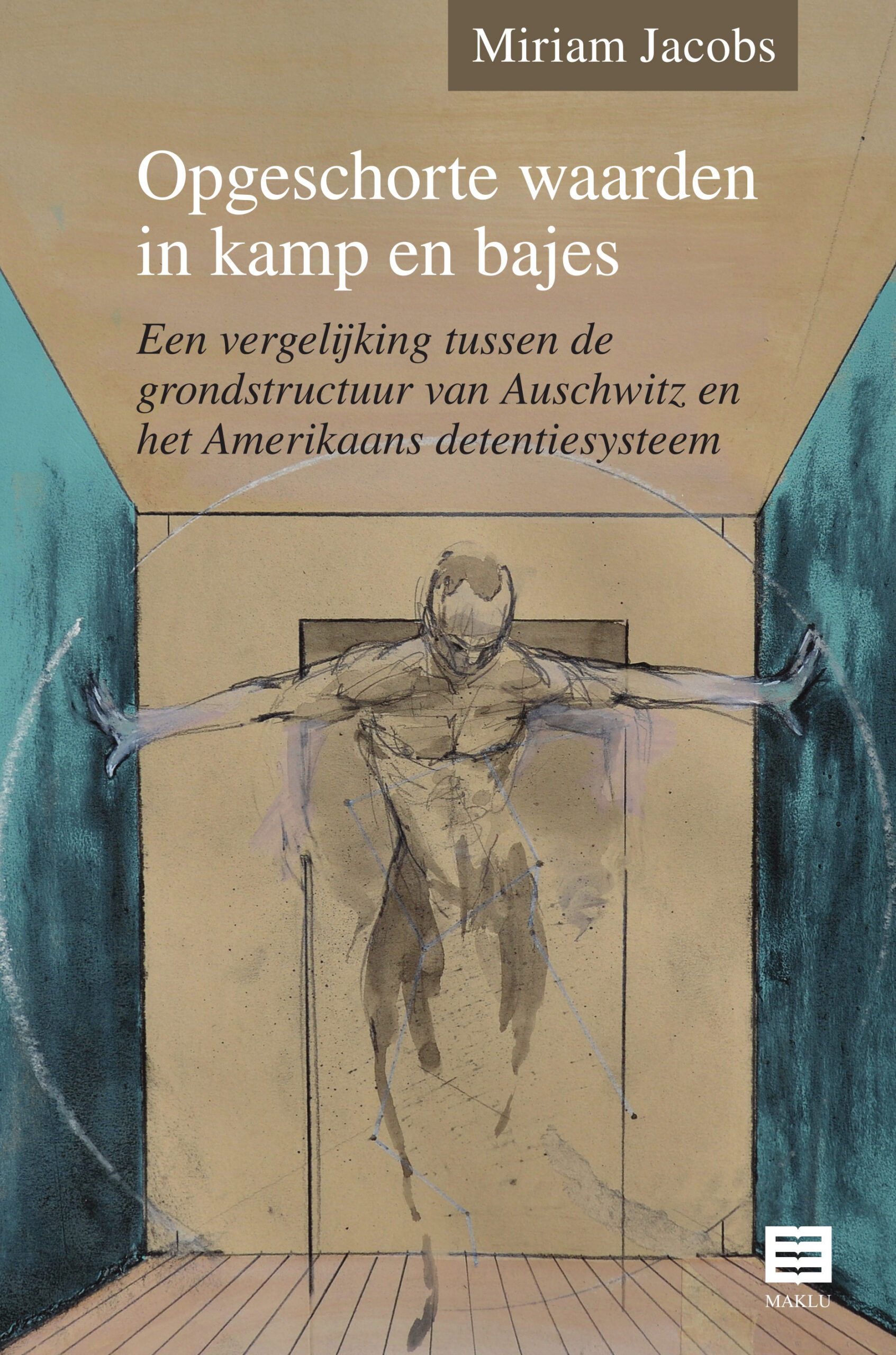
Opgeschorte waarden in kamp en bajes. Een vergelijking tussen de grondstructuur van Auschwitz en het Amerikaans detentiesysteem
€ 29,00
De concentratiekampen zijn gesloten. Auschwitz is voorbij. Elk jaar herdenken we en zeggen we dat we dit nooit meer willen. Maar waarom hebben we dan nog altijd systemen in onze Westerse samenleving waarin mensen in mensonterende omstandigheden zitten opgesloten? Is Auschwitz wel echt voorbij? Om hier een antwoord op te vinden, wordt in dit boek een vergelijking gemaakt tussen de kampstructuur van Auschwitz en de grondstructuur van het huidige detentiesysteem in de Verenigde Staten. Dit detentiesysteem herbergt 2.3 miljoen schuldige of onschuldige mensen in mensonterende omstandigheden. Wat is het verschil in menselijke waardigheid tussen Auschwitz en dit detentiesysteem als zij door dezelfde onderliggende structuur wordt vernietigd? In dit boek wordt onderzocht wat de universele kenmerken zijn van de grondstructuur van beide systemen. Inzicht in deze universele kenmerken kan leiden tot een letterlijk structurele verandering en aanzetten tot onderzoek naar andere onderliggende structuren, zoals het Nederlands detentiesysteem of vluchtelingencentrum Ter Apel. Kortom, inzicht in onderliggende structuren van uitsluitende systemen leidt tot werkelijke verandering, en daarmee tot herstel van de menselijke waardigheid.
Miriam Jacobs is filosoof, schrijver en psychosociaal therapeut. Haar denken en werk staan altijd in het teken van bewustwording van dieperliggende patronen onder menselijk gedrag. Dit geldt voor zowel individuen als systemen. Haar denken is sterk gerelateerd aan herstelrecht waarin er gekeken wordt hoe schade is ontstaan en hoe deze schade te herstellen vanuit de wortels in plaats van aan de oppervlakte. Immers uiterlijke problemen zijn doorgaans symptomen van een dieperliggende schade. Vanuit deze benadering ontmoet Miriam als psychosociaal therapeut de mens achter zijn of haar label dat in haar werk zowel een diagnose als een delict kan zijn. Daarnaast onderzoekt zij vanuit deze visie de manier waarop systemen zijn geworteld in een historische, filosofische en sociale context.
Miriam Jacobs is filosoof, schrijver en psychosociaal therapeut. Haar denken en werk staan altijd in het teken van bewustwording van dieperliggende patronen onder menselijk gedrag. Dit geldt voor zowel individuen als systemen. Haar denken is sterk gerelateerd aan herstelrecht waarin er gekeken wordt hoe schade is ontstaan en hoe deze schade te herstellen vanuit de wortels in plaats van aan de oppervlakte. Immers uiterlijke problemen zijn doorgaans symptomen van een dieperliggende schade. Vanuit deze benadering ontmoet Miriam als psychosociaal therapeut de mens achter zijn of haar label dat in haar werk zowel een diagnose als een delict kan zijn. Daarnaast onderzoekt zij vanuit deze visie de manier waarop systemen zijn geworteld in een historische, filosofische en sociale context.
Opgeschorte waarden in kamp en bajes. Een vergelijking tussen de grondstructuur van Auschwitz en het Amerikaans detentiesysteem
€ 29,00
De concentratiekampen zijn gesloten. Auschwitz is voorbij. Elk jaar herdenken we en zeggen we dat we dit nooit meer willen. Maar waarom hebben we dan nog altijd systemen in onze Westerse samenleving waarin mensen in mensonterende omstandigheden zitten opgesloten? Is Auschwitz wel echt voorbij? Om hier een antwoord op te vinden, wordt in dit boek een vergelijking gemaakt tussen de kampstructuur van Auschwitz en de grondstructuur van het huidige detentiesysteem in de Verenigde Staten. Dit detentiesysteem herbergt 2.3 miljoen schuldige of onschuldige mensen in mensonterende omstandigheden. Wat is het verschil in menselijke waardigheid tussen Auschwitz en dit detentiesysteem als zij door dezelfde onderliggende structuur wordt vernietigd? In dit boek wordt onderzocht wat de universele kenmerken zijn van de grondstructuur van beide systemen. Inzicht in deze universele kenmerken kan leiden tot een letterlijk structurele verandering en aanzetten tot onderzoek naar andere onderliggende structuren, zoals het Nederlands detentiesysteem of vluchtelingencentrum Ter Apel. Kortom, inzicht in onderliggende structuren van uitsluitende systemen leidt tot werkelijke verandering, en daarmee tot herstel van de menselijke waardigheid.
Miriam Jacobs is filosoof, schrijver en psychosociaal therapeut. Haar denken en werk staan altijd in het teken van bewustwording van dieperliggende patronen onder menselijk gedrag. Dit geldt voor zowel individuen als systemen. Haar denken is sterk gerelateerd aan herstelrecht waarin er gekeken wordt hoe schade is ontstaan en hoe deze schade te herstellen vanuit de wortels in plaats van aan de oppervlakte. Immers uiterlijke problemen zijn doorgaans symptomen van een dieperliggende schade. Vanuit deze benadering ontmoet Miriam als psychosociaal therapeut de mens achter zijn of haar label dat in haar werk zowel een diagnose als een delict kan zijn. Daarnaast onderzoekt zij vanuit deze visie de manier waarop systemen zijn geworteld in een historische, filosofische en sociale context.
Miriam Jacobs is filosoof, schrijver en psychosociaal therapeut. Haar denken en werk staan altijd in het teken van bewustwording van dieperliggende patronen onder menselijk gedrag. Dit geldt voor zowel individuen als systemen. Haar denken is sterk gerelateerd aan herstelrecht waarin er gekeken wordt hoe schade is ontstaan en hoe deze schade te herstellen vanuit de wortels in plaats van aan de oppervlakte. Immers uiterlijke problemen zijn doorgaans symptomen van een dieperliggende schade. Vanuit deze benadering ontmoet Miriam als psychosociaal therapeut de mens achter zijn of haar label dat in haar werk zowel een diagnose als een delict kan zijn. Daarnaast onderzoekt zij vanuit deze visie de manier waarop systemen zijn geworteld in een historische, filosofische en sociale context.