
Geen voorraad

Social disorder (CPS 2011 – 1, nr. 18)
€ 36,00
In dit Cahier ligt de focus op de aard van spanningen en sociale onrust in buurten en de
manier waarop door diverse actoren aan conflictregulering wordt gedaan. De aard van de
bedreigingen voor de bestaande orde in onze samenleving evolueert door de tijd heen net
zoals de reactie erop van verschillende maatschappelijke actoren. Het is voor deze actoren
dan ook belangrijk de dynamiek van deze evoluerende (wan)orde te begrijpen om er ook
daadwerkelijk een (regulerende) invloed op te kunnen (blijven) uitoefenen.
In dit Cahier komen enerzijds een aantal bijdragen aan bod die de verschijningsvormen en achtergronden van wanorde schetsen op basis van theoretische beschouwingen en concrete cases en anderzijds een aantal bijdragen die ingaan op de wijze waarop door zowel sociale actoren, politie als bestuurlijke overheden naar oplossingen wordt gezocht. Er wordt daarbij meermaals een poging gedaan om bij te leren door over het muurtje heen te kijken. Vast staat dat verschillende probleemdefiniëringen, benaderingswijzen en aanpakken op het terrein aanwezig zijn in het hedendaagse kluwen aan ordeverstoringen; een voor velen dagelijkse realiteit die dringend aandacht verdient.
In dit Cahier komen enerzijds een aantal bijdragen aan bod die de verschijningsvormen en achtergronden van wanorde schetsen op basis van theoretische beschouwingen en concrete cases en anderzijds een aantal bijdragen die ingaan op de wijze waarop door zowel sociale actoren, politie als bestuurlijke overheden naar oplossingen wordt gezocht. Er wordt daarbij meermaals een poging gedaan om bij te leren door over het muurtje heen te kijken. Vast staat dat verschillende probleemdefiniëringen, benaderingswijzen en aanpakken op het terrein aanwezig zijn in het hedendaagse kluwen aan ordeverstoringen; een voor velen dagelijkse realiteit die dringend aandacht verdient.
Geen voorraad
Social disorder (CPS 2011 – 1, nr. 18)
€ 36,00
In dit Cahier ligt de focus op de aard van spanningen en sociale onrust in buurten en de
manier waarop door diverse actoren aan conflictregulering wordt gedaan. De aard van de
bedreigingen voor de bestaande orde in onze samenleving evolueert door de tijd heen net
zoals de reactie erop van verschillende maatschappelijke actoren. Het is voor deze actoren
dan ook belangrijk de dynamiek van deze evoluerende (wan)orde te begrijpen om er ook
daadwerkelijk een (regulerende) invloed op te kunnen (blijven) uitoefenen.
In dit Cahier komen enerzijds een aantal bijdragen aan bod die de verschijningsvormen en achtergronden van wanorde schetsen op basis van theoretische beschouwingen en concrete cases en anderzijds een aantal bijdragen die ingaan op de wijze waarop door zowel sociale actoren, politie als bestuurlijke overheden naar oplossingen wordt gezocht. Er wordt daarbij meermaals een poging gedaan om bij te leren door over het muurtje heen te kijken. Vast staat dat verschillende probleemdefiniëringen, benaderingswijzen en aanpakken op het terrein aanwezig zijn in het hedendaagse kluwen aan ordeverstoringen; een voor velen dagelijkse realiteit die dringend aandacht verdient.
In dit Cahier komen enerzijds een aantal bijdragen aan bod die de verschijningsvormen en achtergronden van wanorde schetsen op basis van theoretische beschouwingen en concrete cases en anderzijds een aantal bijdragen die ingaan op de wijze waarop door zowel sociale actoren, politie als bestuurlijke overheden naar oplossingen wordt gezocht. Er wordt daarbij meermaals een poging gedaan om bij te leren door over het muurtje heen te kijken. Vast staat dat verschillende probleemdefiniëringen, benaderingswijzen en aanpakken op het terrein aanwezig zijn in het hedendaagse kluwen aan ordeverstoringen; een voor velen dagelijkse realiteit die dringend aandacht verdient.
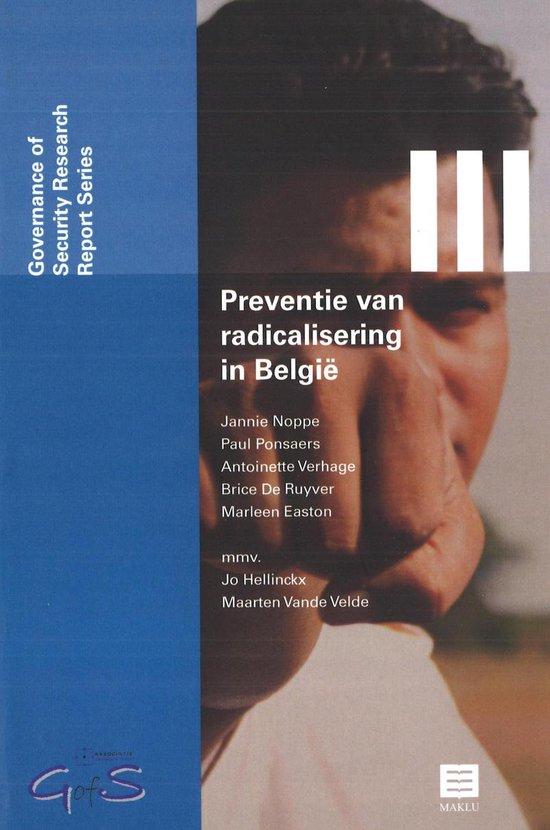
Preventie van radicalisering in België (Governance of Security Research Report Series Vol. III)
€ 32,00
Radicalisering wordt omschreven als een procesmatig
fenomeen; personen die dit proces doormaken, kunnen
hierbij verschillende stadia doorlopen, gaande van
radicalisme over extremisme tot terrorisme. Natuurlijk
mondt het proces slechts in uitzonderlijke gevallen
uit in terroristische daden. Dit betekent echter niet
dat preventief ingrijpen in de eerste fasen van dit
radicaliseringsproces niet van het grootste belang is.
Dit ingrijpen veronderstelt echter dat we deze fasen
ook kunnen herkennen en identificeren.
In opdracht van de FOD Binnenlandse Zaken voerde de onderzoeksgroep Governance of Security (UGent/ Hogent) dan ook een onderzoek naar signalen en triggers die vroegtijdig kunnen wijzen op een proces van radicalisering.
In dit boek worden de resultaten weergegeven van dit onderzoek, dat als één van de eerste empirische onderzoeken in België ingaat op het fenomeen radicalisering en de processen en mechanismen die hiermee gepaard gaan.
In opdracht van de FOD Binnenlandse Zaken voerde de onderzoeksgroep Governance of Security (UGent/ Hogent) dan ook een onderzoek naar signalen en triggers die vroegtijdig kunnen wijzen op een proces van radicalisering.
In dit boek worden de resultaten weergegeven van dit onderzoek, dat als één van de eerste empirische onderzoeken in België ingaat op het fenomeen radicalisering en de processen en mechanismen die hiermee gepaard gaan.
Preventie van radicalisering in België (Governance of Security Research Report Series Vol. III)
€ 32,00
Radicalisering wordt omschreven als een procesmatig
fenomeen; personen die dit proces doormaken, kunnen
hierbij verschillende stadia doorlopen, gaande van
radicalisme over extremisme tot terrorisme. Natuurlijk
mondt het proces slechts in uitzonderlijke gevallen
uit in terroristische daden. Dit betekent echter niet
dat preventief ingrijpen in de eerste fasen van dit
radicaliseringsproces niet van het grootste belang is.
Dit ingrijpen veronderstelt echter dat we deze fasen
ook kunnen herkennen en identificeren.
In opdracht van de FOD Binnenlandse Zaken voerde de onderzoeksgroep Governance of Security (UGent/ Hogent) dan ook een onderzoek naar signalen en triggers die vroegtijdig kunnen wijzen op een proces van radicalisering.
In dit boek worden de resultaten weergegeven van dit onderzoek, dat als één van de eerste empirische onderzoeken in België ingaat op het fenomeen radicalisering en de processen en mechanismen die hiermee gepaard gaan.
In opdracht van de FOD Binnenlandse Zaken voerde de onderzoeksgroep Governance of Security (UGent/ Hogent) dan ook een onderzoek naar signalen en triggers die vroegtijdig kunnen wijzen op een proces van radicalisering.
In dit boek worden de resultaten weergegeven van dit onderzoek, dat als één van de eerste empirische onderzoeken in België ingaat op het fenomeen radicalisering en de processen en mechanismen die hiermee gepaard gaan.
Evaluatie van 10 jaar politiehervorming.(Reeks Panopticon Libri, i.s.m. CPS) (Reeks Panopticon Libri, nr. 4)
€ 39,50
De politiehervorming bestaat 10 jaar, en werd in een rapport dat door de federale politie
werd opgesteld, geëvalueerd. Deze evaluatie gaf aanleiding tot een reflectie over de
relatie tussen beleid, politie en wetenschap. Het beleid stelt zich de vraag of deze grootse
hervorming van de politie tot resultaten heeft geleid en effectief geweest is. De politie
bekijkt in hoeverre het mogelijk is tegemoet te komen aan de filosofie en de vereisten
inherent aan het hervormingsproces in relatie tot haar takenpakket. Academici vragen
zich af in hoeverre de veranderingsprocessen geïnspireerd werden door resultaten van
wetenschappelijk onderzoek. Het rapport gaf aanleiding tot kritieken, controverses en
inzichten. Deze publicatie bundelt verschillende aspecten van het debat over de dynamiek
tussen beleid, politie en wetenschap. Er wordt gereflecteerd over verleden en toekomst,
en dit vanuit een academische, politiële en politieke hoek. Ervaringen vanuit Nederland
vinden tevens een plaats.
Deze publicatie is een onmisbaar instrument voor de groep professionelen die met het politievraagstuk bezig zijn. Experten, politici, practici, academici, studenten en ook de burger vinden hierin handvatten die de uiteindelijke doelstelling van de politie concretiseren, namelijk bijdragen tot een meer democratische politie voor alle burgers in onze Belgische rechtsstaat.
Deze publicatie is een onmisbaar instrument voor de groep professionelen die met het politievraagstuk bezig zijn. Experten, politici, practici, academici, studenten en ook de burger vinden hierin handvatten die de uiteindelijke doelstelling van de politie concretiseren, namelijk bijdragen tot een meer democratische politie voor alle burgers in onze Belgische rechtsstaat.
Evaluatie van 10 jaar politiehervorming.(Reeks Panopticon Libri, i.s.m. CPS) (Reeks Panopticon Libri, nr. 4)
€ 39,50
De politiehervorming bestaat 10 jaar, en werd in een rapport dat door de federale politie
werd opgesteld, geëvalueerd. Deze evaluatie gaf aanleiding tot een reflectie over de
relatie tussen beleid, politie en wetenschap. Het beleid stelt zich de vraag of deze grootse
hervorming van de politie tot resultaten heeft geleid en effectief geweest is. De politie
bekijkt in hoeverre het mogelijk is tegemoet te komen aan de filosofie en de vereisten
inherent aan het hervormingsproces in relatie tot haar takenpakket. Academici vragen
zich af in hoeverre de veranderingsprocessen geïnspireerd werden door resultaten van
wetenschappelijk onderzoek. Het rapport gaf aanleiding tot kritieken, controverses en
inzichten. Deze publicatie bundelt verschillende aspecten van het debat over de dynamiek
tussen beleid, politie en wetenschap. Er wordt gereflecteerd over verleden en toekomst,
en dit vanuit een academische, politiële en politieke hoek. Ervaringen vanuit Nederland
vinden tevens een plaats.
Deze publicatie is een onmisbaar instrument voor de groep professionelen die met het politievraagstuk bezig zijn. Experten, politici, practici, academici, studenten en ook de burger vinden hierin handvatten die de uiteindelijke doelstelling van de politie concretiseren, namelijk bijdragen tot een meer democratische politie voor alle burgers in onze Belgische rechtsstaat.
Deze publicatie is een onmisbaar instrument voor de groep professionelen die met het politievraagstuk bezig zijn. Experten, politici, practici, academici, studenten en ook de burger vinden hierin handvatten die de uiteindelijke doelstelling van de politie concretiseren, namelijk bijdragen tot een meer democratische politie voor alle burgers in onze Belgische rechtsstaat.
Policing multiple communities (CPS 2010 – 2, nr. 15)
€ 36,00
Uit recent Belgisch en Nederlands onderzoek over politiewerk in multiculturele buurten blijkt
dat de territoriale politieorganisatie vaak haaks staat op de aard van de gemeenschappen
die voorwerp uitmaken van het politieoptreden. Markante vaststelling is dat op buurtniveau
verschillende groepen tezelfdertijd aanwezig zijn en het territorium van de buurt daarbij
niet altijd samenvalt met de grenzen van de groepen die zich op die territoria bewegen.
Dagelijks ervaren straatagenten de conceptuele vaagheid van een notie als ‘gemeenschap’.
Zij worden op buurtniveau veeleer geconfronteerd met een wel bijzonder gefragmenteerd
maatschappelijk lappendeken van origines, gedragspatronen, voorkeuren, statussen,
culturen en leeftijden. Zij ervaren kortom multiple (buurt)gemeenschappen. Vanuit deze
vaststellingen stellen we ons in dit Cahier de vraag welke empirische onderzoeken er
bestaan over de verhouding tussen die zogenaamde gemeenschappen en territoria. De vraag
stelt zich welke vormen die gemeenschappen aannemen en hoe die zich verhouden tot de
territoria die gehanteerd worden vanuit een perspectief van orde- of wetshandhaving.
Policing multiple communities (CPS 2010 – 2, nr. 15)
€ 36,00
Uit recent Belgisch en Nederlands onderzoek over politiewerk in multiculturele buurten blijkt
dat de territoriale politieorganisatie vaak haaks staat op de aard van de gemeenschappen
die voorwerp uitmaken van het politieoptreden. Markante vaststelling is dat op buurtniveau
verschillende groepen tezelfdertijd aanwezig zijn en het territorium van de buurt daarbij
niet altijd samenvalt met de grenzen van de groepen die zich op die territoria bewegen.
Dagelijks ervaren straatagenten de conceptuele vaagheid van een notie als ‘gemeenschap’.
Zij worden op buurtniveau veeleer geconfronteerd met een wel bijzonder gefragmenteerd
maatschappelijk lappendeken van origines, gedragspatronen, voorkeuren, statussen,
culturen en leeftijden. Zij ervaren kortom multiple (buurt)gemeenschappen. Vanuit deze
vaststellingen stellen we ons in dit Cahier de vraag welke empirische onderzoeken er
bestaan over de verhouding tussen die zogenaamde gemeenschappen en territoria. De vraag
stelt zich welke vormen die gemeenschappen aannemen en hoe die zich verhouden tot de
territoria die gehanteerd worden vanuit een perspectief van orde- of wetshandhaving.
EU and International Crime Control. Topical Issues ((GofS) – Governance of Security Research Paper Series, Vol. 4)
€ 66,00
In nowadays’ globalised society an international exchange of
ideas and views is indispensable within the field of social sciences,
including criminology and criminal justice studies.
The Research Group Governance of Security wants to foster contemporary international discourses on issues of crime and crime control. Therefore, GofS started a Research Paper Series, combining theoretical and empirical articles on issues reflecting the research activities of GofS. This research group is collaboration between Ghent University and Ghent University College in Belgium. GofS is concentrating its research around the study of administrative and judicial policy that has been developed with respect to new issues of crime and insecurity.
Volume 4 focuses on topical issues in EU and International Crime Control. The first five articles deal with intrinsic EU criminal policy aspects, including in its transatlantic cooperation with the US. The remaining three articles deal with anti money laundering control, counter-strategies of criminal organisations and police torture.
The Research Group Governance of Security wants to foster contemporary international discourses on issues of crime and crime control. Therefore, GofS started a Research Paper Series, combining theoretical and empirical articles on issues reflecting the research activities of GofS. This research group is collaboration between Ghent University and Ghent University College in Belgium. GofS is concentrating its research around the study of administrative and judicial policy that has been developed with respect to new issues of crime and insecurity.
Volume 4 focuses on topical issues in EU and International Crime Control. The first five articles deal with intrinsic EU criminal policy aspects, including in its transatlantic cooperation with the US. The remaining three articles deal with anti money laundering control, counter-strategies of criminal organisations and police torture.
EU and International Crime Control. Topical Issues ((GofS) – Governance of Security Research Paper Series, Vol. 4)
€ 66,00
In nowadays’ globalised society an international exchange of
ideas and views is indispensable within the field of social sciences,
including criminology and criminal justice studies.
The Research Group Governance of Security wants to foster contemporary international discourses on issues of crime and crime control. Therefore, GofS started a Research Paper Series, combining theoretical and empirical articles on issues reflecting the research activities of GofS. This research group is collaboration between Ghent University and Ghent University College in Belgium. GofS is concentrating its research around the study of administrative and judicial policy that has been developed with respect to new issues of crime and insecurity.
Volume 4 focuses on topical issues in EU and International Crime Control. The first five articles deal with intrinsic EU criminal policy aspects, including in its transatlantic cooperation with the US. The remaining three articles deal with anti money laundering control, counter-strategies of criminal organisations and police torture.
The Research Group Governance of Security wants to foster contemporary international discourses on issues of crime and crime control. Therefore, GofS started a Research Paper Series, combining theoretical and empirical articles on issues reflecting the research activities of GofS. This research group is collaboration between Ghent University and Ghent University College in Belgium. GofS is concentrating its research around the study of administrative and judicial policy that has been developed with respect to new issues of crime and insecurity.
Volume 4 focuses on topical issues in EU and International Crime Control. The first five articles deal with intrinsic EU criminal policy aspects, including in its transatlantic cooperation with the US. The remaining three articles deal with anti money laundering control, counter-strategies of criminal organisations and police torture.
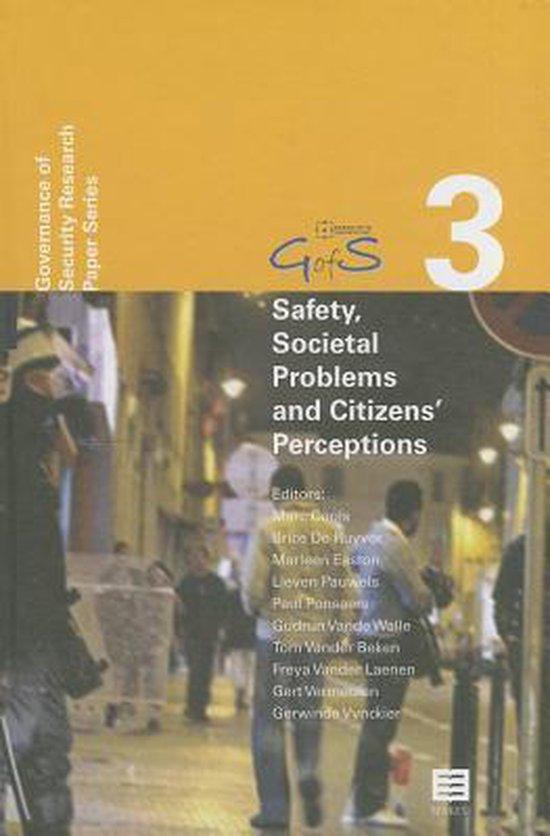
Safety, Societal Problems and Citizens’ Perceptions. New Empirical Data, Theories and Analyses ((GofS) – Governance of Security Research Paper Series, Vol. 3)
€ 66,00
In nowadays’ globalised society an international exchange of
ideas and views is indispensable within the field of social sciences,
including criminology and criminal justice studies.
The Research Group Governance of Security wants to foster contemporary international discourses on issues of crime and crime control. Therefore, GofS started a Research Paper Series, combining theoretical and empirical articles on issues reflecting the research activities of GofS. This research group is collaboration between Ghent University and Ghent University College in Belgium. GofS is concentrating its research around the study of administrative and judicial policy that has been developed with respect to new issues of crime and insecurity.
Volume 3 provides new empirical data, theories and analyses on Safety, Societal Problems and Citizens’ Perceptions. Some articles in Volume 3 focus especially on issues of conceptualisation and measurement of key constructs in the study of security in its broadest meaning (from fear of crime to corruption) some articles present tests of theoretical models derived from theoretical criminology, and finally some articles focus on different institutional reactions towards crime and drug-related problems (e.g. policing, the conflict of interests between private companies and authorities and restorative justice).
The Research Group Governance of Security wants to foster contemporary international discourses on issues of crime and crime control. Therefore, GofS started a Research Paper Series, combining theoretical and empirical articles on issues reflecting the research activities of GofS. This research group is collaboration between Ghent University and Ghent University College in Belgium. GofS is concentrating its research around the study of administrative and judicial policy that has been developed with respect to new issues of crime and insecurity.
Volume 3 provides new empirical data, theories and analyses on Safety, Societal Problems and Citizens’ Perceptions. Some articles in Volume 3 focus especially on issues of conceptualisation and measurement of key constructs in the study of security in its broadest meaning (from fear of crime to corruption) some articles present tests of theoretical models derived from theoretical criminology, and finally some articles focus on different institutional reactions towards crime and drug-related problems (e.g. policing, the conflict of interests between private companies and authorities and restorative justice).
Safety, Societal Problems and Citizens’ Perceptions. New Empirical Data, Theories and Analyses ((GofS) – Governance of Security Research Paper Series, Vol. 3)
€ 66,00
In nowadays’ globalised society an international exchange of
ideas and views is indispensable within the field of social sciences,
including criminology and criminal justice studies.
The Research Group Governance of Security wants to foster contemporary international discourses on issues of crime and crime control. Therefore, GofS started a Research Paper Series, combining theoretical and empirical articles on issues reflecting the research activities of GofS. This research group is collaboration between Ghent University and Ghent University College in Belgium. GofS is concentrating its research around the study of administrative and judicial policy that has been developed with respect to new issues of crime and insecurity.
Volume 3 provides new empirical data, theories and analyses on Safety, Societal Problems and Citizens’ Perceptions. Some articles in Volume 3 focus especially on issues of conceptualisation and measurement of key constructs in the study of security in its broadest meaning (from fear of crime to corruption) some articles present tests of theoretical models derived from theoretical criminology, and finally some articles focus on different institutional reactions towards crime and drug-related problems (e.g. policing, the conflict of interests between private companies and authorities and restorative justice).
The Research Group Governance of Security wants to foster contemporary international discourses on issues of crime and crime control. Therefore, GofS started a Research Paper Series, combining theoretical and empirical articles on issues reflecting the research activities of GofS. This research group is collaboration between Ghent University and Ghent University College in Belgium. GofS is concentrating its research around the study of administrative and judicial policy that has been developed with respect to new issues of crime and insecurity.
Volume 3 provides new empirical data, theories and analyses on Safety, Societal Problems and Citizens’ Perceptions. Some articles in Volume 3 focus especially on issues of conceptualisation and measurement of key constructs in the study of security in its broadest meaning (from fear of crime to corruption) some articles present tests of theoretical models derived from theoretical criminology, and finally some articles focus on different institutional reactions towards crime and drug-related problems (e.g. policing, the conflict of interests between private companies and authorities and restorative justice).