
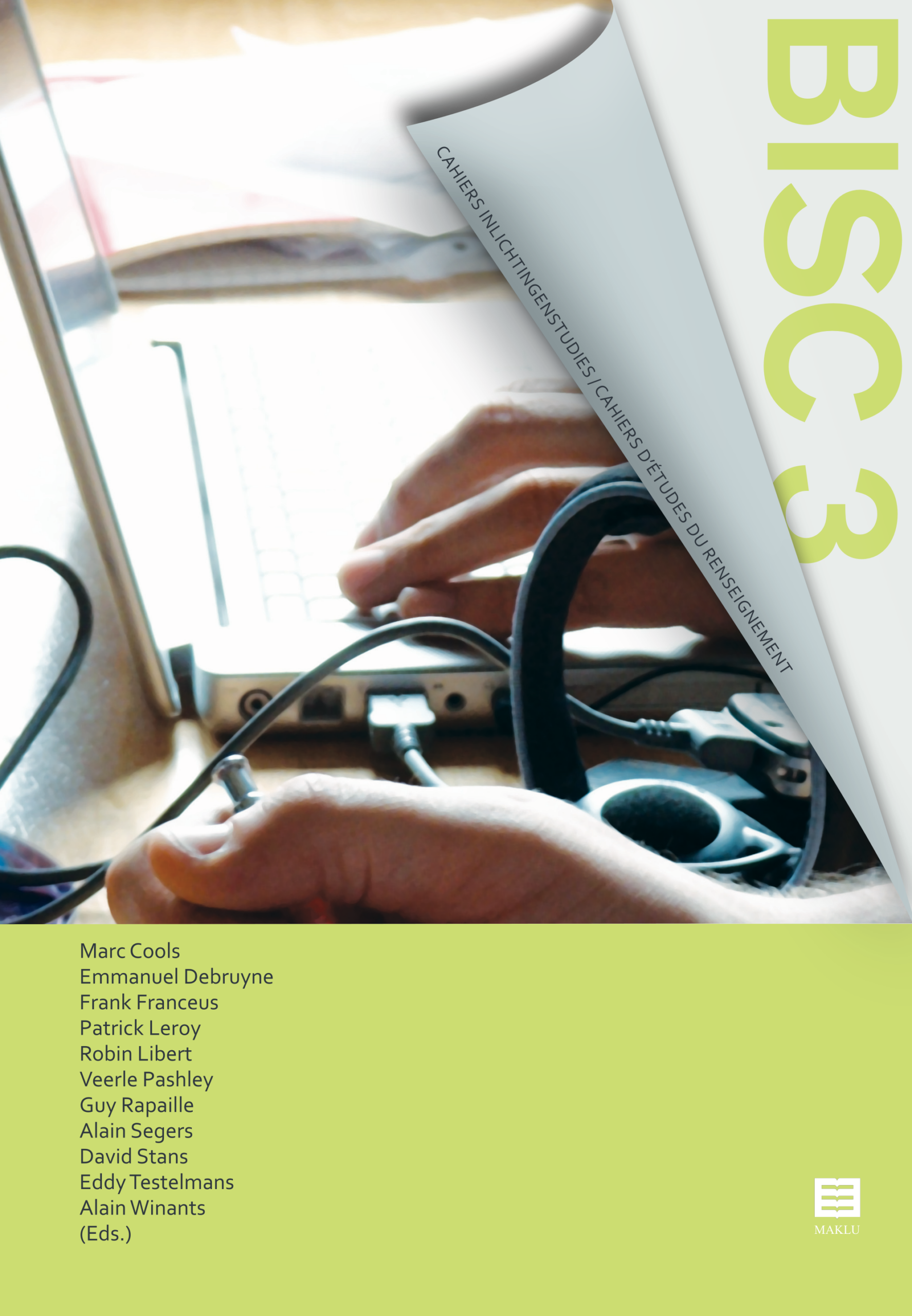

Gedenkboek Inlichtings- en Actie Agenten
Pendant la Seconde Guerre mondiale, nombre de citoyens belges, hommes et femmes, de tous âges et classes sociales, indignés par l’occupation de leur patrie, ont ressenti le besoin de faire « quelque chose ». Ils allaient donner naissance à une forme très particulière de la Résistance. En Belgique occupée, un total de 18.716 ARA – Agents de Renseignement et d’Action – reconnus étaient actifs au sein de 129 SRA – Services des Renseignement et d’Action, pilotés par la Sûreté de l’Etat en exil à Londres, en collaboration avec les services britanniques MI.6, MI.9 et SOE. Leurs terrains d’action? L’espionnage politique, économique et militaire; le sabotage; la guerre psychologique; la propagande; les lignes d’évasion; les informations météorologiques; le soutien aux personnes refusant le service du travail obligatoire; etc. 4.000 d’entre eux au moins ont été arrêtés et 1.815 ont trouvé la mort (abattus, décapités, dans les camps de concentration, ...). Ce livre narre leur histoire et, 70 années après celle-ci, offre enfin un nom à ces inconnus!
Numerous Belgian citizens, men and women from all ages and social classes, were indignant by the occupation of their native country during World War II. As a result, they felt the need ‘to do something about it’ and would evolve to a special form of the Resistance. No less than 18.716 Intelligence and Action Agents (IAA) in 129 Intelligence and Action Services (IAS) operated in occupied Belgium. In cooperation with the British services MI.6, MI.9 and SOE, they were directed by the State Security in exile in London. Their fields of operation were: political, economic and military espionage; sabotage; psychological warfare; propaganda; escape lines; meteorological intelli-gence; support to people who refused the Compulsory Work Service; … At least 4.000 Intelligence and Action Agents were arrested and 1.815 were killed. They were shot to death, decapitated or killed in concentration camps). This book highlights their story and it names each of these unknown heroes, 70 years after the events.
Gedenkboek Inlichtings- en Actie Agenten
Pendant la Seconde Guerre mondiale, nombre de citoyens belges, hommes et femmes, de tous âges et classes sociales, indignés par l’occupation de leur patrie, ont ressenti le besoin de faire « quelque chose ». Ils allaient donner naissance à une forme très particulière de la Résistance. En Belgique occupée, un total de 18.716 ARA – Agents de Renseignement et d’Action – reconnus étaient actifs au sein de 129 SRA – Services des Renseignement et d’Action, pilotés par la Sûreté de l’Etat en exil à Londres, en collaboration avec les services britanniques MI.6, MI.9 et SOE. Leurs terrains d’action? L’espionnage politique, économique et militaire; le sabotage; la guerre psychologique; la propagande; les lignes d’évasion; les informations météorologiques; le soutien aux personnes refusant le service du travail obligatoire; etc. 4.000 d’entre eux au moins ont été arrêtés et 1.815 ont trouvé la mort (abattus, décapités, dans les camps de concentration, ...). Ce livre narre leur histoire et, 70 années après celle-ci, offre enfin un nom à ces inconnus!
Numerous Belgian citizens, men and women from all ages and social classes, were indignant by the occupation of their native country during World War II. As a result, they felt the need ‘to do something about it’ and would evolve to a special form of the Resistance. No less than 18.716 Intelligence and Action Agents (IAA) in 129 Intelligence and Action Services (IAS) operated in occupied Belgium. In cooperation with the British services MI.6, MI.9 and SOE, they were directed by the State Security in exile in London. Their fields of operation were: political, economic and military espionage; sabotage; psychological warfare; propaganda; escape lines; meteorological intelli-gence; support to people who refused the Compulsory Work Service; … At least 4.000 Intelligence and Action Agents were arrested and 1.815 were killed. They were shot to death, decapitated or killed in concentration camps). This book highlights their story and it names each of these unknown heroes, 70 years after the events.
75 jaar Criminologie aan de Universiteit Gent
De geschiedenis van de criminologie aan de Universiteit Gent begon officieel in 1938. In dat jaar werd het voorstel van decaan Nico Gunzburg en professor Jules Simon tot oprichting van een School voor Criminologie bekrachtigd bij Koninklijk Besluit. Nu, 75 jaar later, is de tijd rijp om een eerste keer terug te blikken.
In dit boek wordt onder andere het
leven en werk van enkele prominente figuren uit de
Gentse criminologische school (Nico Gunzburg, Paul
Ghysbrecht en Willy Calewaert) besproken, reflecteren
enkele binnenlandse en buitenlandse academici over
de criminologiebeoefening in Gent en worden mogelijke
scenario’s over de toekomst van onze discipline aan de
Gentse Universiteit tegen het licht gehouden.
75 jaar Criminologie aan de Universiteit Gent
De geschiedenis van de criminologie aan de Universiteit Gent begon officieel in 1938. In dat jaar werd het voorstel van decaan Nico Gunzburg en professor Jules Simon tot oprichting van een School voor Criminologie bekrachtigd bij Koninklijk Besluit. Nu, 75 jaar later, is de tijd rijp om een eerste keer terug te blikken.
In dit boek wordt onder andere het
leven en werk van enkele prominente figuren uit de
Gentse criminologische school (Nico Gunzburg, Paul
Ghysbrecht en Willy Calewaert) besproken, reflecteren
enkele binnenlandse en buitenlandse academici over
de criminologiebeoefening in Gent en worden mogelijke
scenario’s over de toekomst van onze discipline aan de
Gentse Universiteit tegen het licht gehouden.
Integrale veiligheid in de haven van Antwerpen (Reeks Cahiers Integrale Veiligheid, nr. 3)
De haven van Antwerpen is een van de grootste logistieke toegangspoorten tot het Europese vasteland en draagt enorm bij tot de economische en sociale welvaart van België.Veiligheid en beveiliging zijn dan ook belangrijke prioriteiten in het havengebied.
Dit boek presenteert de resultaten van een diepgaand
onderzoek naar de manier waarop de veiligheidszorg in de Antwerpse
haven wordt georganiseerd. Het geeft een grondig overzicht van de rol
en de bevoegdheden van de verschillende betrokken actoren,
identificeert zowel goede praktijken als knelpunten in hun (samen)
werking en stelt een aantal ‘out of the box’ verbeterpistes voor. Een
integrale en geïntegreerde aanpak van veiligheidsfenomenen staat
daarbij centraal.
Marc Cools is hoofddocent criminologie aan de Universiteit Gent en de
Vrije Universiteit Brussel.
Genserik Reniers is burgerlijk scheikundig ingenieur en doctor in
de Toegepaste Economische Wetenschappen. Hij is docent aan de
Universiteit Antwerpen en de Hogeschool-Universiteit Brussel (HUB).
Marleen Easton is hoofddocent aan de geassocieerde faculteit
Handelswetenschappen en Bestuurskunde van de Hogeschool Gent.
Evelien Van den Herrewegen is sociologe en doctor in de
criminologische wetenschappen. Zij is verbonden aan de vakgroep
strafrecht en criminologie van de Universiteit Gent.
Arne De Boeck is criminoloog en behaalde het bijkomend diploma van
master of quantitative analysis in the social sciences. Hij is verbonden
aan de vakgroep strafrecht en criminologie van de Universiteit Gent.
Integrale veiligheid in de haven van Antwerpen (Reeks Cahiers Integrale Veiligheid, nr. 3)
De haven van Antwerpen is een van de grootste logistieke toegangspoorten tot het Europese vasteland en draagt enorm bij tot de economische en sociale welvaart van België.Veiligheid en beveiliging zijn dan ook belangrijke prioriteiten in het havengebied.
Dit boek presenteert de resultaten van een diepgaand
onderzoek naar de manier waarop de veiligheidszorg in de Antwerpse
haven wordt georganiseerd. Het geeft een grondig overzicht van de rol
en de bevoegdheden van de verschillende betrokken actoren,
identificeert zowel goede praktijken als knelpunten in hun (samen)
werking en stelt een aantal ‘out of the box’ verbeterpistes voor. Een
integrale en geïntegreerde aanpak van veiligheidsfenomenen staat
daarbij centraal.
Marc Cools is hoofddocent criminologie aan de Universiteit Gent en de
Vrije Universiteit Brussel.
Genserik Reniers is burgerlijk scheikundig ingenieur en doctor in
de Toegepaste Economische Wetenschappen. Hij is docent aan de
Universiteit Antwerpen en de Hogeschool-Universiteit Brussel (HUB).
Marleen Easton is hoofddocent aan de geassocieerde faculteit
Handelswetenschappen en Bestuurskunde van de Hogeschool Gent.
Evelien Van den Herrewegen is sociologe en doctor in de
criminologische wetenschappen. Zij is verbonden aan de vakgroep
strafrecht en criminologie van de Universiteit Gent.
Arne De Boeck is criminoloog en behaalde het bijkomend diploma van
master of quantitative analysis in the social sciences. Hij is verbonden
aan de vakgroep strafrecht en criminologie van de Universiteit Gent.
European criminal justice and policy ((GofS) – Governance of Security Research Paper Series, Vol. 7)
Volume 6 focuses on Social conflicts, citizens and policing. Its table of contents is provided below the brief description of the papers comprised in the current book, which constitutes Volume 7, dealing with European criminal justice and policy. Reviewing the policy (background) with respect to different phases in the criminal justice chain, the contributions range from looking into the extension of criminalization in the sphere of trafficking in human beings and labour exploitation to the operability of cross-border execution of sentences involving deprivation of liberty.
Most contributions look into the need to develop a conceptual framework to support future policy making, pointing to the lack thereof with respect to liability of legal persons, ne bis in idem as an EU principle, cross-border effect of disqualifications and cooperation with private security actors.
One contribution looks into the public expenditure in different phases of the criminal justice chain, based on a case study on the public expenditure of Belgian drug policy. Finally, one contribution analyses the specific European and Chinese interrogation rules from a historical and comparative perspective to provide a solid context for the current situation and support future legal reforms.
European criminal justice and policy ((GofS) – Governance of Security Research Paper Series, Vol. 7)
Volume 6 focuses on Social conflicts, citizens and policing. Its table of contents is provided below the brief description of the papers comprised in the current book, which constitutes Volume 7, dealing with European criminal justice and policy. Reviewing the policy (background) with respect to different phases in the criminal justice chain, the contributions range from looking into the extension of criminalization in the sphere of trafficking in human beings and labour exploitation to the operability of cross-border execution of sentences involving deprivation of liberty.
Most contributions look into the need to develop a conceptual framework to support future policy making, pointing to the lack thereof with respect to liability of legal persons, ne bis in idem as an EU principle, cross-border effect of disqualifications and cooperation with private security actors.
One contribution looks into the public expenditure in different phases of the criminal justice chain, based on a case study on the public expenditure of Belgian drug policy. Finally, one contribution analyses the specific European and Chinese interrogation rules from a historical and comparative perspective to provide a solid context for the current situation and support future legal reforms.
Social conflicts, citizens and policing ((GofS) – Governance of Security Research Paper Series, Vol. 6)
After no less than five entirely double blind peer reviewed volumes in the GofS Research Paper Series have been released in 2009, 2010 and 2011 the editorial board is proud to issue again a set of two more volumes comprising original and new research papers that have been proofed by international peers
Volume 6, providing new empirical data, theories and analyses on Social Conflicts, Citizens and Policing.
Some articles in Volume 6 focus on the current manifestation of specific socially and/or legally criminalised social conflicts as being radicalisation and informal economy. Some other articles discuss new actors that are involved in governance of security in order to support the conventional actors. The authors refer specifically to citizens and private companies. A last set of articles presents the results of perception studies on trust, punitiveness and the electronic monitoring at home. The participation of students or convicts to scientific research enables a critical reflection on governance of security.
Volume 7 focuses on topical issues in European criminal justice and policy.
(read more)
Social conflicts, citizens and policing ((GofS) – Governance of Security Research Paper Series, Vol. 6)
After no less than five entirely double blind peer reviewed volumes in the GofS Research Paper Series have been released in 2009, 2010 and 2011 the editorial board is proud to issue again a set of two more volumes comprising original and new research papers that have been proofed by international peers
Volume 6, providing new empirical data, theories and analyses on Social Conflicts, Citizens and Policing.
Some articles in Volume 6 focus on the current manifestation of specific socially and/or legally criminalised social conflicts as being radicalisation and informal economy. Some other articles discuss new actors that are involved in governance of security in order to support the conventional actors. The authors refer specifically to citizens and private companies. A last set of articles presents the results of perception studies on trust, punitiveness and the electronic monitoring at home. The participation of students or convicts to scientific research enables a critical reflection on governance of security.
Volume 7 focuses on topical issues in European criminal justice and policy.
(read more)
EU Criminal Justice, Financial & Economic Crime: new perspectives (Governance of Security Research Paper Series, Vol. 5 )
The new volume, even though addressing a wider variety of topical issues, focuses on European criminal justice and financial and economic crime.
The first cluster of four articles concern European criminal justice matters, in particular relating to EU mutual recognition (conceptualization, unwanted effects in the context of prisoner transfer and sentence execution, and impact for cross-border gathering and use of forensic expert evidence) and concluding with an article on interrogational fairness standards.
A second cluster of five articles addresses financial and economic crime subjects, ranging from informal economy (among street children) to formal/informal economy (vulnerability of the hotel and catering industry to crime) and white collar crime phenomena like (transnational) environmental crime, fraud and corruption.
A last cluster groups a variety of selected, topical issues (juvenile offending and mental disorders, desistance theories and sexually transmitted infections).
The Gofs Research Paper Series aims at disseminating the results of research conducted in the GofS Research Unit (Ghent, Belgium). Full research reports are published in the Gofs Research Report Series.
EU Criminal Justice, Financial & Economic Crime: new perspectives (Governance of Security Research Paper Series, Vol. 5 )
The new volume, even though addressing a wider variety of topical issues, focuses on European criminal justice and financial and economic crime.
The first cluster of four articles concern European criminal justice matters, in particular relating to EU mutual recognition (conceptualization, unwanted effects in the context of prisoner transfer and sentence execution, and impact for cross-border gathering and use of forensic expert evidence) and concluding with an article on interrogational fairness standards.
A second cluster of five articles addresses financial and economic crime subjects, ranging from informal economy (among street children) to formal/informal economy (vulnerability of the hotel and catering industry to crime) and white collar crime phenomena like (transnational) environmental crime, fraud and corruption.
A last cluster groups a variety of selected, topical issues (juvenile offending and mental disorders, desistance theories and sexually transmitted infections).
The Gofs Research Paper Series aims at disseminating the results of research conducted in the GofS Research Unit (Ghent, Belgium). Full research reports are published in the Gofs Research Report Series.
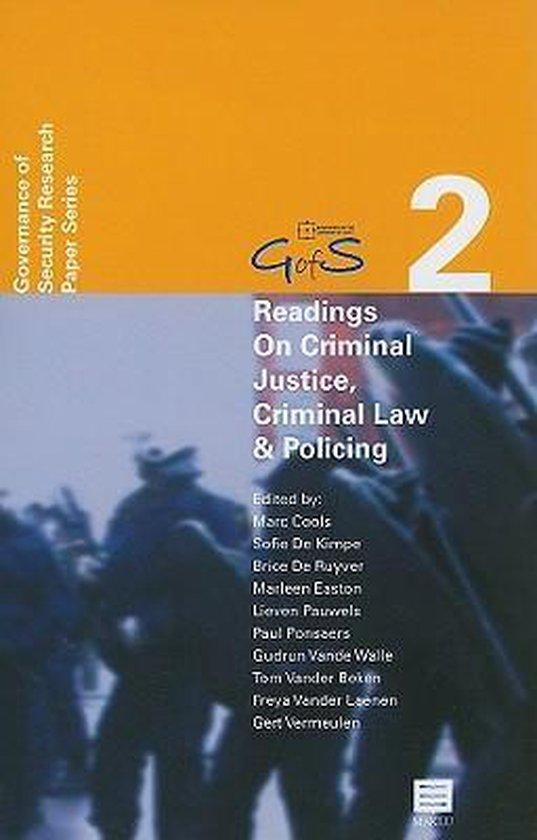
Readings on Criminal Justice, Criminal Law & Policing ((GofS) – Governance of Security Research Paper Series, Vol. 2)
Gofs is concentrating its research around the study of administrative and judicial policy that has been developed with respect to new issues of crime and insecurity.
This Series will appear annually comprising current perspectives especially on policing, law and regulation, governance initiatives on the European level, financial and economic crimes, drugs and drug related issues, research methods in the study of crime and crime control, new criminal phenomena, and theoretical criminology, written by members of the Research Group Governance of Security.
Maklu Quality Label: The Series contains articles that have been submitted to international double blind peer review by internationally renowned scholars.
Readings on Criminal Justice, Criminal Law & Policing ((GofS) – Governance of Security Research Paper Series, Vol. 2)
Gofs is concentrating its research around the study of administrative and judicial policy that has been developed with respect to new issues of crime and insecurity.
This Series will appear annually comprising current perspectives especially on policing, law and regulation, governance initiatives on the European level, financial and economic crimes, drugs and drug related issues, research methods in the study of crime and crime control, new criminal phenomena, and theoretical criminology, written by members of the Research Group Governance of Security.
Maklu Quality Label: The Series contains articles that have been submitted to international double blind peer review by internationally renowned scholars.
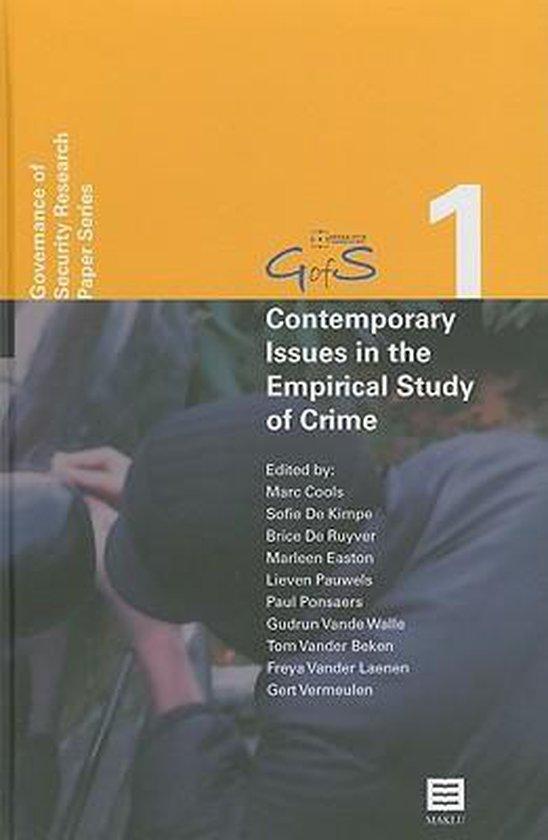
Contemporary Issues in the Empirical Study of Crime ((GofS) – Governance of Security Research Paper Series, Vol. 1)
Gofs is concentrating its research around the study of administrative and judicial policy that has been developed with respect to new issues of crime and insecurity.
This Series will appear annually comprising current perspectives especially on policing, law and regulation, governance initiatives on the European level, financial and economic crimes, drugs and drug related issues, research methods in the study of crime and crime control, new criminal phenomena, and theoretical criminology, written by members of the Research Group Governance of Security.
Maklu Quality Label: The Series contains articles that have been submitted to international double blind peer review by internationally renowned scholars.
Contemporary Issues in the Empirical Study of Crime ((GofS) – Governance of Security Research Paper Series, Vol. 1)
Gofs is concentrating its research around the study of administrative and judicial policy that has been developed with respect to new issues of crime and insecurity.
This Series will appear annually comprising current perspectives especially on policing, law and regulation, governance initiatives on the European level, financial and economic crimes, drugs and drug related issues, research methods in the study of crime and crime control, new criminal phenomena, and theoretical criminology, written by members of the Research Group Governance of Security.
Maklu Quality Label: The Series contains articles that have been submitted to international double blind peer review by internationally renowned scholars.