
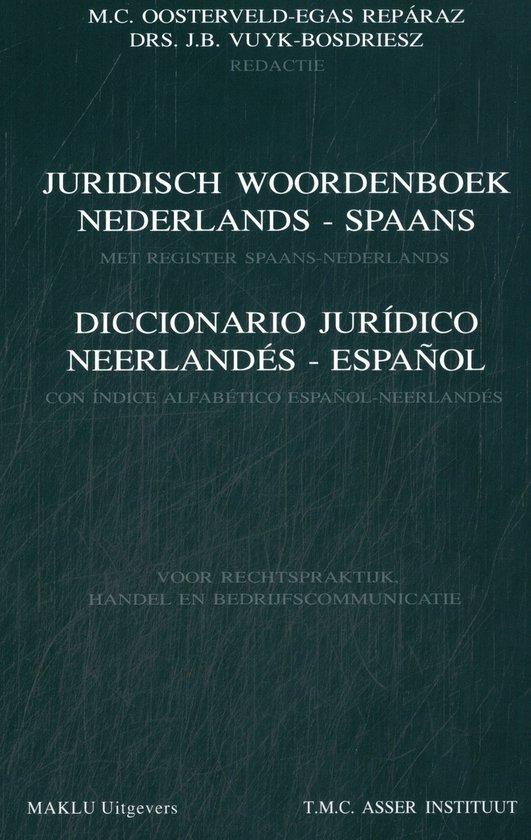
Juridisch woordenboek Nederlands-Spaans (SC). Met register Spaans – Nederlands Diccionario Juridico Neerlandes-Espanol. Con indice alfabetico Espanol-Neerlandes (softcover)
€ 99,50
Collecting societies occupy a key position within the music industry and their role is almost universally acknowledged by rights holders and users alike.Their ability to both configure and execute reciprocal agreements and blanket licensing arrangements at a reasonable cost, thereby providing a gateway to a global music catalogue, was and remains a truly successful example of globalisation at a time when nations had yet to create functional global business organisations.The model adopted by societies has certainly contributed to the world-wide reach of all kinds of music. However, the recent appearance and now general availability of digital formats enabling the wide dissemination of both performances and recordings has dramatically altered user behaviour. From one perspective, in facilitating the watermarking, identification and tracking of the use of works, digitisation has in principle empowered all individuals world-wide to personally control the licensing and royalty payment process.The fundamental review of the role and even of the existence of collective rights management that this has triggered is not merely the result of shifts in user behaviour but also results from calls from collecting society members themselves. From another perspective, these techniques, in allowing for significant reductions in management costs and improved accuracy in royalty distribution, provide an opportunity for collecting societies to increase their competitiveness. From yet another, the very need for local societies and the system of territorial exclusivity of societies is at stake.This yearbook deals with these important issues.
Juridisch woordenboek Nederlands-Spaans (SC). Met register Spaans – Nederlands Diccionario Juridico Neerlandes-Espanol. Con indice alfabetico Espanol-Neerlandes (softcover)
€ 99,50
Collecting societies occupy a key position within the music industry and their role is almost universally acknowledged by rights holders and users alike.Their ability to both configure and execute reciprocal agreements and blanket licensing arrangements at a reasonable cost, thereby providing a gateway to a global music catalogue, was and remains a truly successful example of globalisation at a time when nations had yet to create functional global business organisations.The model adopted by societies has certainly contributed to the world-wide reach of all kinds of music. However, the recent appearance and now general availability of digital formats enabling the wide dissemination of both performances and recordings has dramatically altered user behaviour. From one perspective, in facilitating the watermarking, identification and tracking of the use of works, digitisation has in principle empowered all individuals world-wide to personally control the licensing and royalty payment process.The fundamental review of the role and even of the existence of collective rights management that this has triggered is not merely the result of shifts in user behaviour but also results from calls from collecting society members themselves. From another perspective, these techniques, in allowing for significant reductions in management costs and improved accuracy in royalty distribution, provide an opportunity for collecting societies to increase their competitiveness. From yet another, the very need for local societies and the system of territorial exclusivity of societies is at stake.This yearbook deals with these important issues.