
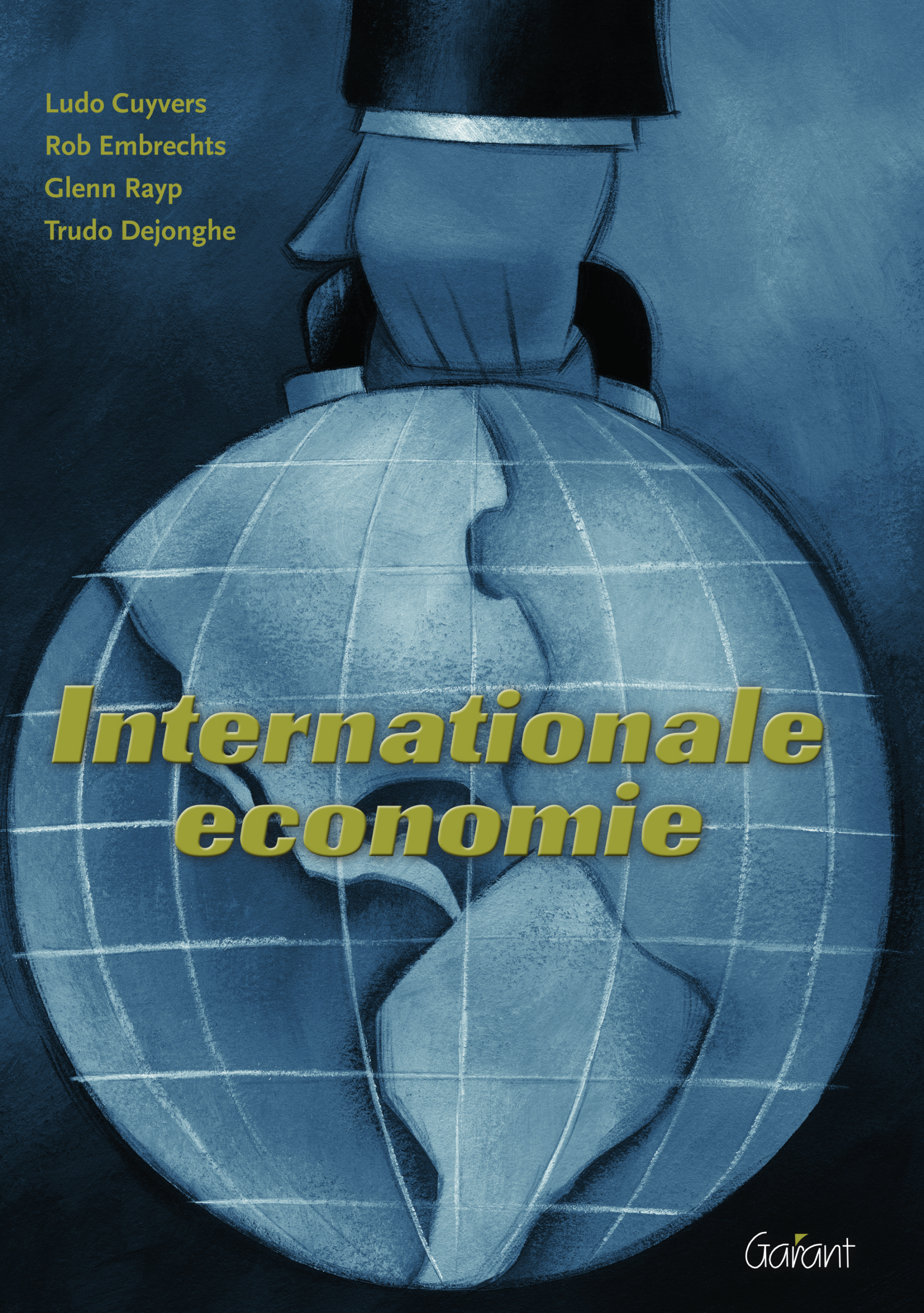
Internationale economie – Zevende druk
‘De wereld is een dorp geworden’. Iedereen wordt zich
meer bewust van de enorme onderlinge afhankelijkheid
van nationale economieën. Dat bewustzijn is niet van recente
datum, maar groeit nu exponentieel.
Voor dit boek is geen gespecialiseerde kennis van economie
vereist. Het legt alles zorgvuldig en geduldig uit.
Daarbij kozen de auteurs voor een grafische bespreking
en uitdieping van de thema’s, met beperkte wiskundige
uitwerkingen. Het uiteindelijke resultaat is wel een uitgebreide
en grondige kennis van de internationale economie
of van deelaspecten ervan. Verspreid over het hele
boek lichten boxen specifieke topics toe.
Ludo Cuyvers en Rob Embrechts zijn emeritus hoogleraar economie aan de Universiteit Antwerpen en gasthoogleraar aan diverse buitenlandse universiteiten. Glenn Rayp doceert aan de Universiteit Gent, Trudo Dejonghe aan de Thomas More-Hogeschool in Antwerpen.
Internationale economie – Zevende druk
‘De wereld is een dorp geworden’. Iedereen wordt zich
meer bewust van de enorme onderlinge afhankelijkheid
van nationale economieën. Dat bewustzijn is niet van recente
datum, maar groeit nu exponentieel.
Voor dit boek is geen gespecialiseerde kennis van economie
vereist. Het legt alles zorgvuldig en geduldig uit.
Daarbij kozen de auteurs voor een grafische bespreking
en uitdieping van de thema’s, met beperkte wiskundige
uitwerkingen. Het uiteindelijke resultaat is wel een uitgebreide
en grondige kennis van de internationale economie
of van deelaspecten ervan. Verspreid over het hele
boek lichten boxen specifieke topics toe.
Ludo Cuyvers en Rob Embrechts zijn emeritus hoogleraar economie aan de Universiteit Antwerpen en gasthoogleraar aan diverse buitenlandse universiteiten. Glenn Rayp doceert aan de Universiteit Gent, Trudo Dejonghe aan de Thomas More-Hogeschool in Antwerpen.
International Business not as usual
The original papers bundled in this book explore international business from different angles. A number of contributions consider possible ownership advantages in international business relations (e.g. awareness of cultural differences in advertising, valuable intangible assets or the role of electronic data interchange in supply chains) and how to actually measure business performance. Possible consequences of public policies with respect to state aid, international trade, export promotion and economic development are discussed, both from a theoretical perspective as from the point of view of specific emerging economies such as China, Colombia and South Africa.
This book is written for readers interested in international trade with distant countries.
Michel Dumont is attaché at the Federal Planning Bureau of Belgium and affiliated with the Department of Economics at the University of Antwerp.
Glenn Rayp is professor of International Economics at the Ghent University.
International Business not as usual
The original papers bundled in this book explore international business from different angles. A number of contributions consider possible ownership advantages in international business relations (e.g. awareness of cultural differences in advertising, valuable intangible assets or the role of electronic data interchange in supply chains) and how to actually measure business performance. Possible consequences of public policies with respect to state aid, international trade, export promotion and economic development are discussed, both from a theoretical perspective as from the point of view of specific emerging economies such as China, Colombia and South Africa.
This book is written for readers interested in international trade with distant countries.
Michel Dumont is attaché at the Federal Planning Bureau of Belgium and affiliated with the Department of Economics at the University of Antwerp.
Glenn Rayp is professor of International Economics at the Ghent University.