
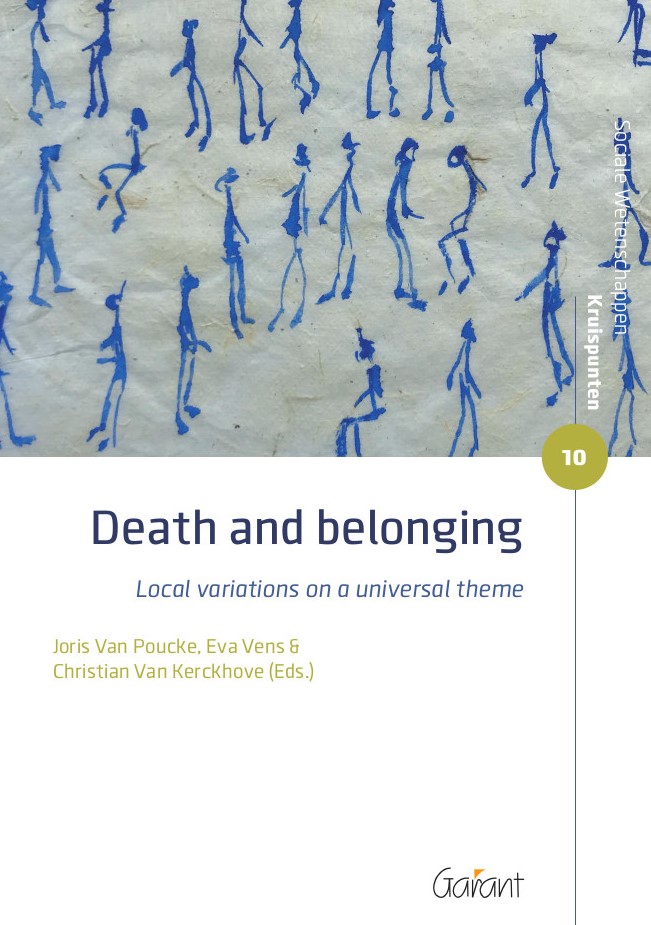
Death and belonging – Local variations on a universal theme (Reeks: Sociale Wetenschappen – Kruispunten nr. 10)
It is at this point that the idea of this book took shape. What if, instead of tackling the issue of living together directly, we approach it by a detour? Death is, perhaps, the most drastic life event in a community. At the same time, however, it is surrounded by taboo and often the subject of denial, especially in Western countries. By recognizing the rites of mourning, and other associated death rituals, we acknowledge, at the same time, the value of life of human beings. Only in that way can we ever hope to truly live together. This book explores that idea.
Joris Van Poucke is a lecturer at HOGENT University of Applied Sciences and Arts, School of Social Welfare and a member of the research center EQUALITY//ResearchCollective. He teaches political philosophy, ethics, and cultural sciences. His research focus areas are (super)diversity, rites of passage and social cohesion.
Eva Vens is a lecturer at HOGENT University of Applied Sciences and Arts, School of Social Welfare and a member of the research center EQUALITY//ResearchCollective. She teaches cultural sciences and anthropology. Eva Vens has been involved in many studies on rites of passages, diversity and has a keen interest in ageing and associated social challenges.
Christian Van Kerckhove is a philosopher with a special interest in philosophical anthropology. His latest publication, together with his wife Els Heyvaert, is Samenleven met de dood. Hoezo? (Garant, 2021).
Death and belonging – Local variations on a universal theme (Reeks: Sociale Wetenschappen – Kruispunten nr. 10)
It is at this point that the idea of this book took shape. What if, instead of tackling the issue of living together directly, we approach it by a detour? Death is, perhaps, the most drastic life event in a community. At the same time, however, it is surrounded by taboo and often the subject of denial, especially in Western countries. By recognizing the rites of mourning, and other associated death rituals, we acknowledge, at the same time, the value of life of human beings. Only in that way can we ever hope to truly live together. This book explores that idea.
Joris Van Poucke is a lecturer at HOGENT University of Applied Sciences and Arts, School of Social Welfare and a member of the research center EQUALITY//ResearchCollective. He teaches political philosophy, ethics, and cultural sciences. His research focus areas are (super)diversity, rites of passage and social cohesion.
Eva Vens is a lecturer at HOGENT University of Applied Sciences and Arts, School of Social Welfare and a member of the research center EQUALITY//ResearchCollective. She teaches cultural sciences and anthropology. Eva Vens has been involved in many studies on rites of passages, diversity and has a keen interest in ageing and associated social challenges.
Christian Van Kerckhove is a philosopher with a special interest in philosophical anthropology. His latest publication, together with his wife Els Heyvaert, is Samenleven met de dood. Hoezo? (Garant, 2021).
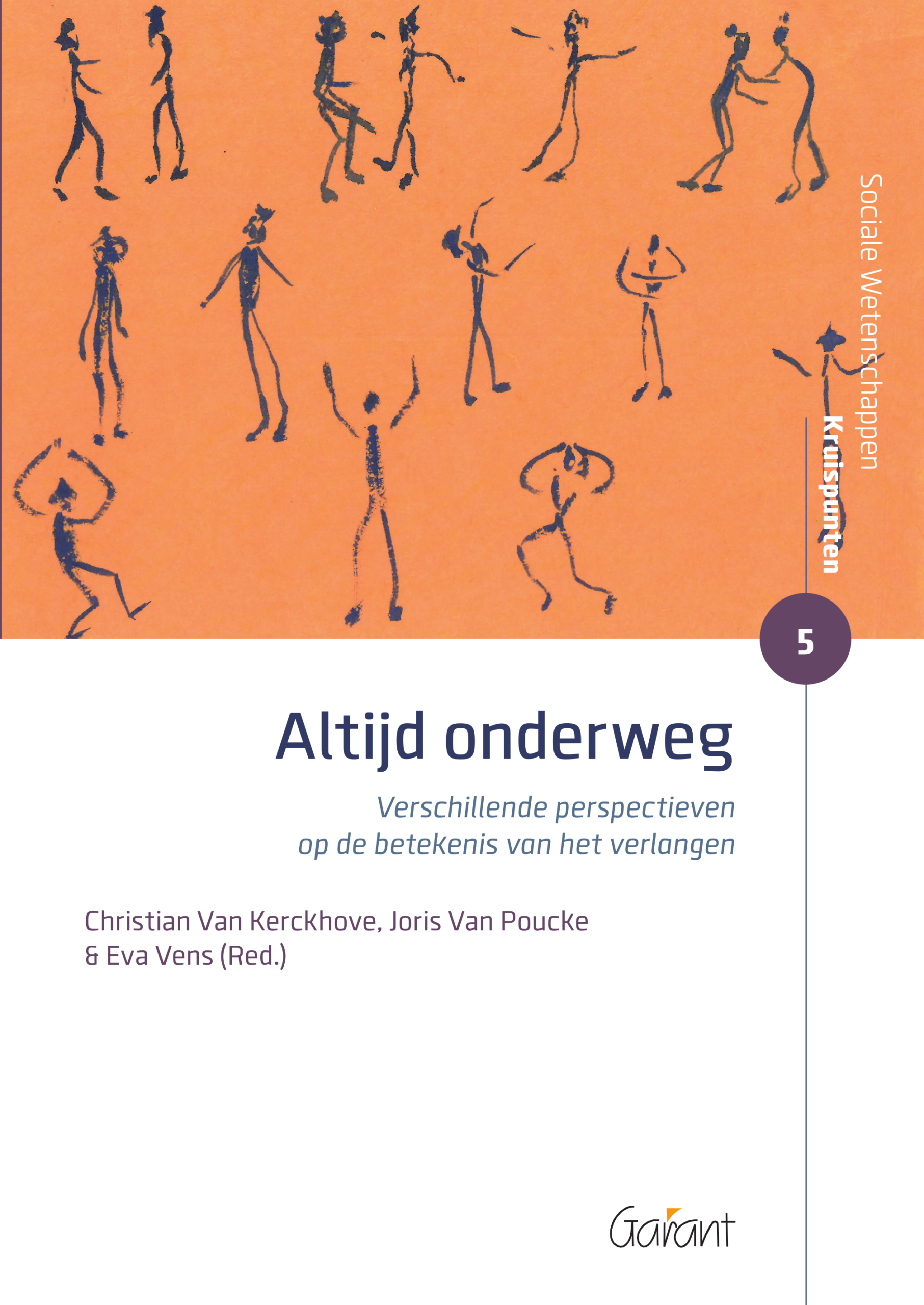
Altijd onderweg. Verschillende perspectieven op de betekenis van het verlangen (Reeks: Sociale Wetenschappen – Kruispunten nr. 5)
Als we de foto’s en berichten die we posten op sociale media mogen geloven,
dan hebben we een uitermate ontspannend en boeiend leven, waarin we zonder
zorgen onze verlangens kunnen najagen én bevredigd zien. Het beeld dat
we de wereld laten zien, staat echter in schril contrast met de toenemende gevallen
van burn-out, depressies, stress, etc. We komen tijd en energie te kort,
omdat we aan van alles en nog wat tijd en energie willen of moeten spenderen.
We verlangen veel maar zijn onbevredigbaar.
Dit boek kwam tot stand vanuit de bezorgdheid dat het verlangen van de westerse
mens de speelbal is geworden van een aantal krachten die niet zo eenvoudig
te identificeren zijn. Mensen leven en werken in een schijnbare vrijheid
– men lijkt zijn eigen verlangen zonder problemen te kunnen nastreven – terwijl
dit verlangen in werkelijkheid misschien al lang beteugeld is.
Altijd onderweg biedt meer inzicht in dit verlangen. Welke functie vervult het
verlangen? Is er een verschil met een (economische) behoefte? Wanneer verglijdt
een verlangen naar een obsessie? Kunnen we spreken van een cultureel
verlangen? Wat betekent het verlangen in de context van de hulpverlening?
Schuilt er in de kunst ook een verlangen?
Met bijdragen van Liesbet De Kock, Rogier De Langhe, Frederik De Preester,
Peter Mertens, Rik Pinxten, Barbara Raes, Jean Paul Van Bendegem, Jo Van Den
Berghe, Christian Van Kerckhove en Peter Walleghem.
Christian Van Kerckhove is coördinator van het expertisecentrum Mix!t,
forum voor studie, documentatie en vorming rond samen/leven, Faculteit
Mens en Welzijn van de Hogeschool Gent. Hij doceert filosofie en sociale filosofie
en ethiek aan deze faculteit en is (co)promotor van diverse onderzoeksprojecten.
Hij is tevens voorzitter van de Opleidingscommissie Sociaal Werk
aan diezelfde faculteit.
Joris Van Poucke, filosoof, is als onderzoeker en lector verbonden aan de
Hogeschool Gent en het expertisecentrum Mix!t, Faculteit Mensen en Welzijn.
Hij is ook lid van het Centrum voor Geschiedenis van de Filosofie en Continentale
Filosofie (HICO) aan de UGent.
Eva Vens is maatschappelijk assistent en master in de vergelijkende cultuurwetenschappen.
Ze is verbonden aan de Opleiding Sociaal Werk, Faculteit Mens
en Welzijn van de Hogeschool Gent. Ze is lid van de coördinatieraad van Mix!t.
Ze doceert culturele antropologie en is (co)promotor van diverse onderzoeksprojecten.
Altijd onderweg. Verschillende perspectieven op de betekenis van het verlangen (Reeks: Sociale Wetenschappen – Kruispunten nr. 5)
Als we de foto’s en berichten die we posten op sociale media mogen geloven,
dan hebben we een uitermate ontspannend en boeiend leven, waarin we zonder
zorgen onze verlangens kunnen najagen én bevredigd zien. Het beeld dat
we de wereld laten zien, staat echter in schril contrast met de toenemende gevallen
van burn-out, depressies, stress, etc. We komen tijd en energie te kort,
omdat we aan van alles en nog wat tijd en energie willen of moeten spenderen.
We verlangen veel maar zijn onbevredigbaar.
Dit boek kwam tot stand vanuit de bezorgdheid dat het verlangen van de westerse
mens de speelbal is geworden van een aantal krachten die niet zo eenvoudig
te identificeren zijn. Mensen leven en werken in een schijnbare vrijheid
– men lijkt zijn eigen verlangen zonder problemen te kunnen nastreven – terwijl
dit verlangen in werkelijkheid misschien al lang beteugeld is.
Altijd onderweg biedt meer inzicht in dit verlangen. Welke functie vervult het
verlangen? Is er een verschil met een (economische) behoefte? Wanneer verglijdt
een verlangen naar een obsessie? Kunnen we spreken van een cultureel
verlangen? Wat betekent het verlangen in de context van de hulpverlening?
Schuilt er in de kunst ook een verlangen?
Met bijdragen van Liesbet De Kock, Rogier De Langhe, Frederik De Preester,
Peter Mertens, Rik Pinxten, Barbara Raes, Jean Paul Van Bendegem, Jo Van Den
Berghe, Christian Van Kerckhove en Peter Walleghem.
Christian Van Kerckhove is coördinator van het expertisecentrum Mix!t,
forum voor studie, documentatie en vorming rond samen/leven, Faculteit
Mens en Welzijn van de Hogeschool Gent. Hij doceert filosofie en sociale filosofie
en ethiek aan deze faculteit en is (co)promotor van diverse onderzoeksprojecten.
Hij is tevens voorzitter van de Opleidingscommissie Sociaal Werk
aan diezelfde faculteit.
Joris Van Poucke, filosoof, is als onderzoeker en lector verbonden aan de
Hogeschool Gent en het expertisecentrum Mix!t, Faculteit Mensen en Welzijn.
Hij is ook lid van het Centrum voor Geschiedenis van de Filosofie en Continentale
Filosofie (HICO) aan de UGent.
Eva Vens is maatschappelijk assistent en master in de vergelijkende cultuurwetenschappen.
Ze is verbonden aan de Opleiding Sociaal Werk, Faculteit Mens
en Welzijn van de Hogeschool Gent. Ze is lid van de coördinatieraad van Mix!t.
Ze doceert culturele antropologie en is (co)promotor van diverse onderzoeksprojecten.
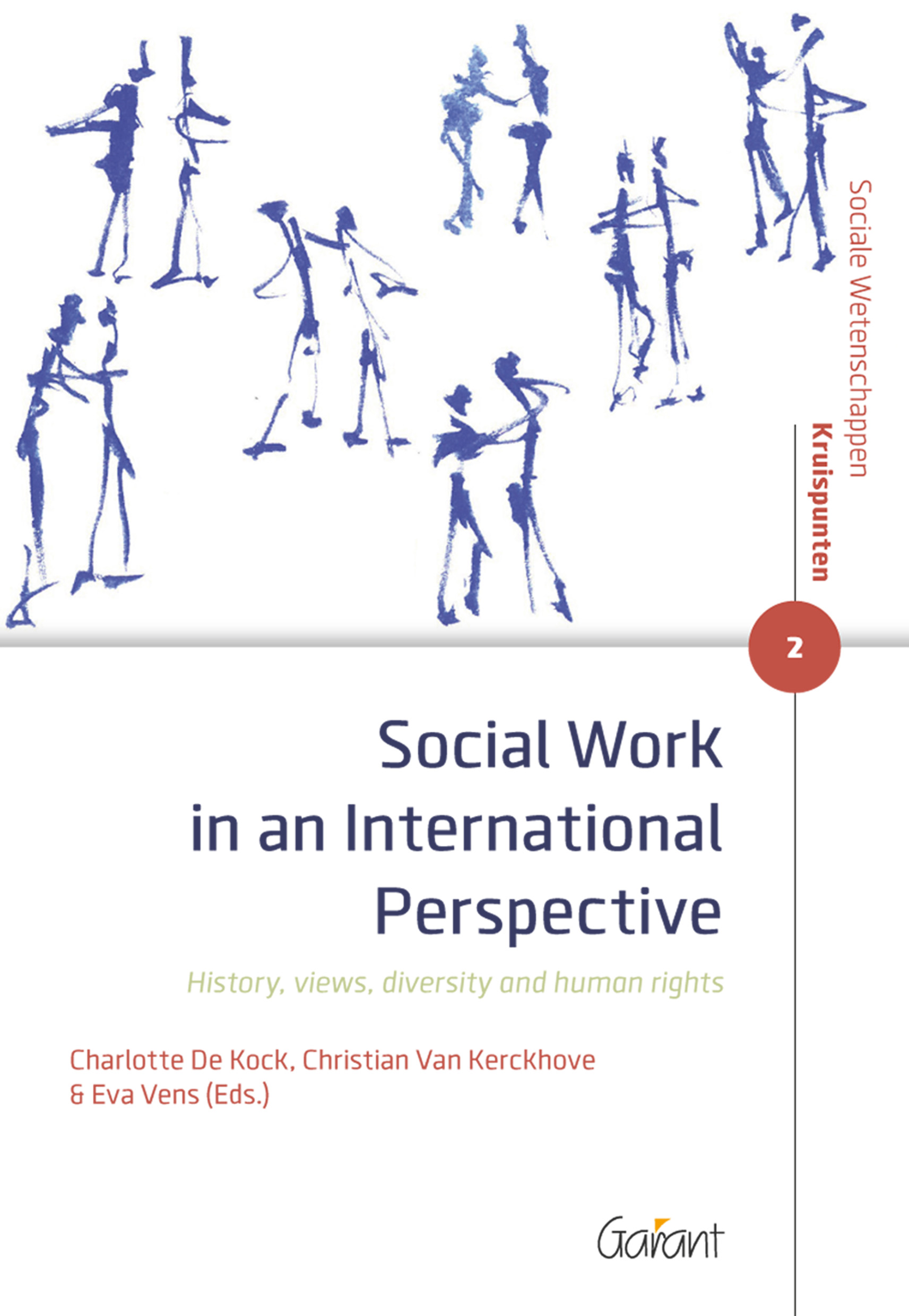
Social Work in an International Perspective. History, views, diversity and human rights (Reeks: Sociale Wetenschappen – Kruispunten nr. 2)
In this work academics and practitioners from all five continents highlight the history of the social work profession and its underlying academic and social paradigms. The authors come from Australia, Austria, Brazil, Belgium, Canada, Ghana, Great Britain, India, New Zealand, South Africa and the United States. The structure of this work allows the reader to trace back the historical and political influences in the interpretation of social work in the authors’ countries. Special attention is given to the notions of human rights and social diversity. Are human rights universal and which impact does this universality have on the social work profession? How does categorical work relate to generalist practice and does this in its turn relate to the conception of diversity? The authors approach these main queries in an exemplary and balanced manner using both theoretical analysis and case studies.
The editors are the founding members of Mix!t, a forum for research, documentation
and education in living/together, University College Ghent.
Charlotte De Kock has a degree in African and cultural studies. She is active
in practice oriented research projects with a focus on intercultural society,
marital migration, integration policies, elderly migrants and intra-European
migration.
Christian Van Kerckhove is a scientist, philosopher and world traveller. He
is head of the Social Work Degree program at University College Ghent and
director of Mix!t. He teaches philosophy, social philosophy and ethics and is (co)
promoter of several research projects.
Eva Vens is a social worker and has a degree in comparative cultural sciences.
She teaches cultural anthropology at University College Ghent and is (co)
promotor of several research projects. With colleague Christian Van Kerckhove
she is responsible for the development of a diversity policy for the Faculty.
Social Work in an International Perspective. History, views, diversity and human rights (Reeks: Sociale Wetenschappen – Kruispunten nr. 2)
In this work academics and practitioners from all five continents highlight the history of the social work profession and its underlying academic and social paradigms. The authors come from Australia, Austria, Brazil, Belgium, Canada, Ghana, Great Britain, India, New Zealand, South Africa and the United States. The structure of this work allows the reader to trace back the historical and political influences in the interpretation of social work in the authors’ countries. Special attention is given to the notions of human rights and social diversity. Are human rights universal and which impact does this universality have on the social work profession? How does categorical work relate to generalist practice and does this in its turn relate to the conception of diversity? The authors approach these main queries in an exemplary and balanced manner using both theoretical analysis and case studies.
The editors are the founding members of Mix!t, a forum for research, documentation
and education in living/together, University College Ghent.
Charlotte De Kock has a degree in African and cultural studies. She is active
in practice oriented research projects with a focus on intercultural society,
marital migration, integration policies, elderly migrants and intra-European
migration.
Christian Van Kerckhove is a scientist, philosopher and world traveller. He
is head of the Social Work Degree program at University College Ghent and
director of Mix!t. He teaches philosophy, social philosophy and ethics and is (co)
promoter of several research projects.
Eva Vens is a social worker and has a degree in comparative cultural sciences.
She teaches cultural anthropology at University College Ghent and is (co)
promotor of several research projects. With colleague Christian Van Kerckhove
she is responsible for the development of a diversity policy for the Faculty.
Ouder worden in een veranderende samenleving (Reeks: Sociale Wetenschappen – Kruispunten nr. 1)
Vanuit verschillende invalshoeken schetsen de auteurs een kader van wat ouder worden vandaag betekent. Theoretische benaderingen worden gecombineerd met verhalen uit de praktijk. Telkens gaat het om een kritische benadering van de context waarin zij de gevolgen van ouder worden in een diverse samenleving ervaren. Onder meer de behoefte aan een aangepaste kijk op arbeid, gezondheidzorg en implicaties van interculturaliteit op de zorgsector komen aan bod. De bijdragen komen van academici, van mensen die werken in de praktijk van die diversiteit en uit de vakbondswereld. Verder geeft het boek zowel een kijk op interculturele zorg vanuit het Oost-Vlaams Diversiteitscentrum OdiCE als op het concept van Kwaliteit van Leven. Ook fragmenten uit het levensverhaal van een acteur komen aan bod. Daardoor geeft het boek een breed beeld op de betekenis van ouderdom in de samenleving vanuit politiek, cultureel, sociaal en persoonlijk perspectief.
Charlotte De Kock, Eva Vens, Yasmina Beljoudi en Christian Van Kerckhove zijn verbonden aan de Hogeschool Gent. Deze uitgave is de eerste in de reeks Sociale Wetenschappen Kruispunten, een initiatief van Mix!t, Forum voor studie, documentatie en vorming rond samen/leven van de faculteit Mens en Welzijn, Hogeschool Gent.
Ouder worden in een veranderende samenleving (Reeks: Sociale Wetenschappen – Kruispunten nr. 1)
Vanuit verschillende invalshoeken schetsen de auteurs een kader van wat ouder worden vandaag betekent. Theoretische benaderingen worden gecombineerd met verhalen uit de praktijk. Telkens gaat het om een kritische benadering van de context waarin zij de gevolgen van ouder worden in een diverse samenleving ervaren. Onder meer de behoefte aan een aangepaste kijk op arbeid, gezondheidzorg en implicaties van interculturaliteit op de zorgsector komen aan bod. De bijdragen komen van academici, van mensen die werken in de praktijk van die diversiteit en uit de vakbondswereld. Verder geeft het boek zowel een kijk op interculturele zorg vanuit het Oost-Vlaams Diversiteitscentrum OdiCE als op het concept van Kwaliteit van Leven. Ook fragmenten uit het levensverhaal van een acteur komen aan bod. Daardoor geeft het boek een breed beeld op de betekenis van ouderdom in de samenleving vanuit politiek, cultureel, sociaal en persoonlijk perspectief.
Charlotte De Kock, Eva Vens, Yasmina Beljoudi en Christian Van Kerckhove zijn verbonden aan de Hogeschool Gent. Deze uitgave is de eerste in de reeks Sociale Wetenschappen Kruispunten, een initiatief van Mix!t, Forum voor studie, documentatie en vorming rond samen/leven van de faculteit Mens en Welzijn, Hogeschool Gent.