
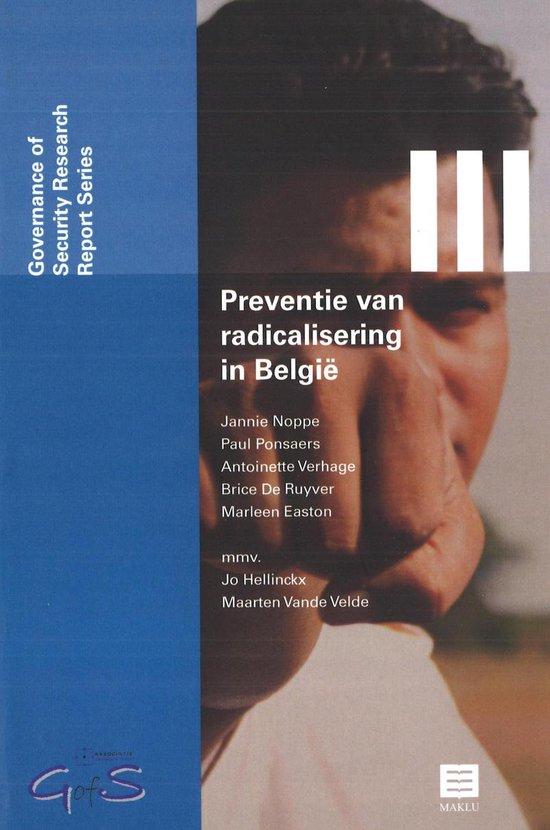
Preventie van radicalisering in België (Governance of Security Research Report Series Vol. III)
€ 32,00
Radicalisering wordt omschreven als een procesmatig
fenomeen; personen die dit proces doormaken, kunnen
hierbij verschillende stadia doorlopen, gaande van
radicalisme over extremisme tot terrorisme. Natuurlijk
mondt het proces slechts in uitzonderlijke gevallen
uit in terroristische daden. Dit betekent echter niet
dat preventief ingrijpen in de eerste fasen van dit
radicaliseringsproces niet van het grootste belang is.
Dit ingrijpen veronderstelt echter dat we deze fasen
ook kunnen herkennen en identificeren.
In opdracht van de FOD Binnenlandse Zaken voerde de onderzoeksgroep Governance of Security (UGent/ Hogent) dan ook een onderzoek naar signalen en triggers die vroegtijdig kunnen wijzen op een proces van radicalisering.
In dit boek worden de resultaten weergegeven van dit onderzoek, dat als één van de eerste empirische onderzoeken in België ingaat op het fenomeen radicalisering en de processen en mechanismen die hiermee gepaard gaan.
In opdracht van de FOD Binnenlandse Zaken voerde de onderzoeksgroep Governance of Security (UGent/ Hogent) dan ook een onderzoek naar signalen en triggers die vroegtijdig kunnen wijzen op een proces van radicalisering.
In dit boek worden de resultaten weergegeven van dit onderzoek, dat als één van de eerste empirische onderzoeken in België ingaat op het fenomeen radicalisering en de processen en mechanismen die hiermee gepaard gaan.
Preventie van radicalisering in België (Governance of Security Research Report Series Vol. III)
€ 32,00
Radicalisering wordt omschreven als een procesmatig
fenomeen; personen die dit proces doormaken, kunnen
hierbij verschillende stadia doorlopen, gaande van
radicalisme over extremisme tot terrorisme. Natuurlijk
mondt het proces slechts in uitzonderlijke gevallen
uit in terroristische daden. Dit betekent echter niet
dat preventief ingrijpen in de eerste fasen van dit
radicaliseringsproces niet van het grootste belang is.
Dit ingrijpen veronderstelt echter dat we deze fasen
ook kunnen herkennen en identificeren.
In opdracht van de FOD Binnenlandse Zaken voerde de onderzoeksgroep Governance of Security (UGent/ Hogent) dan ook een onderzoek naar signalen en triggers die vroegtijdig kunnen wijzen op een proces van radicalisering.
In dit boek worden de resultaten weergegeven van dit onderzoek, dat als één van de eerste empirische onderzoeken in België ingaat op het fenomeen radicalisering en de processen en mechanismen die hiermee gepaard gaan.
In opdracht van de FOD Binnenlandse Zaken voerde de onderzoeksgroep Governance of Security (UGent/ Hogent) dan ook een onderzoek naar signalen en triggers die vroegtijdig kunnen wijzen op een proces van radicalisering.
In dit boek worden de resultaten weergegeven van dit onderzoek, dat als één van de eerste empirische onderzoeken in België ingaat op het fenomeen radicalisering en de processen en mechanismen die hiermee gepaard gaan.
EU and International Crime Control. Topical Issues ((GofS) – Governance of Security Research Paper Series, Vol. 4)
€ 66,00
In nowadays’ globalised society an international exchange of
ideas and views is indispensable within the field of social sciences,
including criminology and criminal justice studies.
The Research Group Governance of Security wants to foster contemporary international discourses on issues of crime and crime control. Therefore, GofS started a Research Paper Series, combining theoretical and empirical articles on issues reflecting the research activities of GofS. This research group is collaboration between Ghent University and Ghent University College in Belgium. GofS is concentrating its research around the study of administrative and judicial policy that has been developed with respect to new issues of crime and insecurity.
Volume 4 focuses on topical issues in EU and International Crime Control. The first five articles deal with intrinsic EU criminal policy aspects, including in its transatlantic cooperation with the US. The remaining three articles deal with anti money laundering control, counter-strategies of criminal organisations and police torture.
The Research Group Governance of Security wants to foster contemporary international discourses on issues of crime and crime control. Therefore, GofS started a Research Paper Series, combining theoretical and empirical articles on issues reflecting the research activities of GofS. This research group is collaboration between Ghent University and Ghent University College in Belgium. GofS is concentrating its research around the study of administrative and judicial policy that has been developed with respect to new issues of crime and insecurity.
Volume 4 focuses on topical issues in EU and International Crime Control. The first five articles deal with intrinsic EU criminal policy aspects, including in its transatlantic cooperation with the US. The remaining three articles deal with anti money laundering control, counter-strategies of criminal organisations and police torture.
EU and International Crime Control. Topical Issues ((GofS) – Governance of Security Research Paper Series, Vol. 4)
€ 66,00
In nowadays’ globalised society an international exchange of
ideas and views is indispensable within the field of social sciences,
including criminology and criminal justice studies.
The Research Group Governance of Security wants to foster contemporary international discourses on issues of crime and crime control. Therefore, GofS started a Research Paper Series, combining theoretical and empirical articles on issues reflecting the research activities of GofS. This research group is collaboration between Ghent University and Ghent University College in Belgium. GofS is concentrating its research around the study of administrative and judicial policy that has been developed with respect to new issues of crime and insecurity.
Volume 4 focuses on topical issues in EU and International Crime Control. The first five articles deal with intrinsic EU criminal policy aspects, including in its transatlantic cooperation with the US. The remaining three articles deal with anti money laundering control, counter-strategies of criminal organisations and police torture.
The Research Group Governance of Security wants to foster contemporary international discourses on issues of crime and crime control. Therefore, GofS started a Research Paper Series, combining theoretical and empirical articles on issues reflecting the research activities of GofS. This research group is collaboration between Ghent University and Ghent University College in Belgium. GofS is concentrating its research around the study of administrative and judicial policy that has been developed with respect to new issues of crime and insecurity.
Volume 4 focuses on topical issues in EU and International Crime Control. The first five articles deal with intrinsic EU criminal policy aspects, including in its transatlantic cooperation with the US. The remaining three articles deal with anti money laundering control, counter-strategies of criminal organisations and police torture.
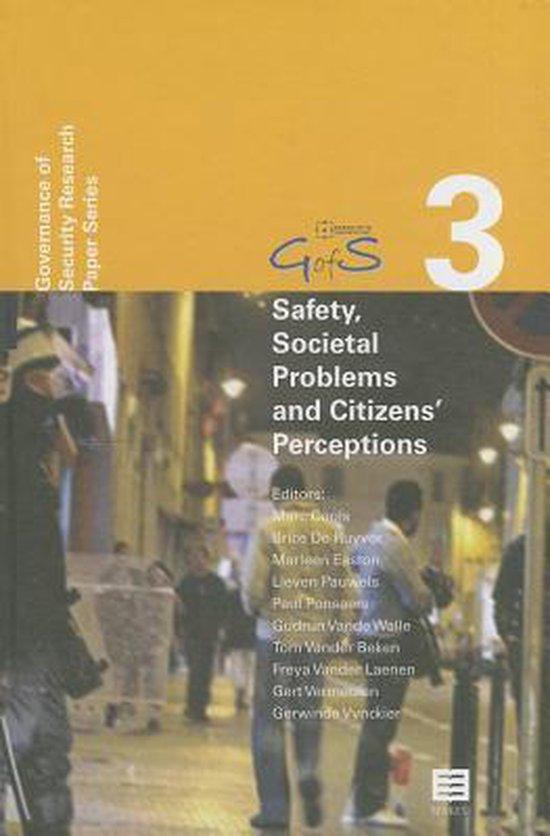
Safety, Societal Problems and Citizens’ Perceptions. New Empirical Data, Theories and Analyses ((GofS) – Governance of Security Research Paper Series, Vol. 3)
€ 66,00
In nowadays’ globalised society an international exchange of
ideas and views is indispensable within the field of social sciences,
including criminology and criminal justice studies.
The Research Group Governance of Security wants to foster contemporary international discourses on issues of crime and crime control. Therefore, GofS started a Research Paper Series, combining theoretical and empirical articles on issues reflecting the research activities of GofS. This research group is collaboration between Ghent University and Ghent University College in Belgium. GofS is concentrating its research around the study of administrative and judicial policy that has been developed with respect to new issues of crime and insecurity.
Volume 3 provides new empirical data, theories and analyses on Safety, Societal Problems and Citizens’ Perceptions. Some articles in Volume 3 focus especially on issues of conceptualisation and measurement of key constructs in the study of security in its broadest meaning (from fear of crime to corruption) some articles present tests of theoretical models derived from theoretical criminology, and finally some articles focus on different institutional reactions towards crime and drug-related problems (e.g. policing, the conflict of interests between private companies and authorities and restorative justice).
The Research Group Governance of Security wants to foster contemporary international discourses on issues of crime and crime control. Therefore, GofS started a Research Paper Series, combining theoretical and empirical articles on issues reflecting the research activities of GofS. This research group is collaboration between Ghent University and Ghent University College in Belgium. GofS is concentrating its research around the study of administrative and judicial policy that has been developed with respect to new issues of crime and insecurity.
Volume 3 provides new empirical data, theories and analyses on Safety, Societal Problems and Citizens’ Perceptions. Some articles in Volume 3 focus especially on issues of conceptualisation and measurement of key constructs in the study of security in its broadest meaning (from fear of crime to corruption) some articles present tests of theoretical models derived from theoretical criminology, and finally some articles focus on different institutional reactions towards crime and drug-related problems (e.g. policing, the conflict of interests between private companies and authorities and restorative justice).
Safety, Societal Problems and Citizens’ Perceptions. New Empirical Data, Theories and Analyses ((GofS) – Governance of Security Research Paper Series, Vol. 3)
€ 66,00
In nowadays’ globalised society an international exchange of
ideas and views is indispensable within the field of social sciences,
including criminology and criminal justice studies.
The Research Group Governance of Security wants to foster contemporary international discourses on issues of crime and crime control. Therefore, GofS started a Research Paper Series, combining theoretical and empirical articles on issues reflecting the research activities of GofS. This research group is collaboration between Ghent University and Ghent University College in Belgium. GofS is concentrating its research around the study of administrative and judicial policy that has been developed with respect to new issues of crime and insecurity.
Volume 3 provides new empirical data, theories and analyses on Safety, Societal Problems and Citizens’ Perceptions. Some articles in Volume 3 focus especially on issues of conceptualisation and measurement of key constructs in the study of security in its broadest meaning (from fear of crime to corruption) some articles present tests of theoretical models derived from theoretical criminology, and finally some articles focus on different institutional reactions towards crime and drug-related problems (e.g. policing, the conflict of interests between private companies and authorities and restorative justice).
The Research Group Governance of Security wants to foster contemporary international discourses on issues of crime and crime control. Therefore, GofS started a Research Paper Series, combining theoretical and empirical articles on issues reflecting the research activities of GofS. This research group is collaboration between Ghent University and Ghent University College in Belgium. GofS is concentrating its research around the study of administrative and judicial policy that has been developed with respect to new issues of crime and insecurity.
Volume 3 provides new empirical data, theories and analyses on Safety, Societal Problems and Citizens’ Perceptions. Some articles in Volume 3 focus especially on issues of conceptualisation and measurement of key constructs in the study of security in its broadest meaning (from fear of crime to corruption) some articles present tests of theoretical models derived from theoretical criminology, and finally some articles focus on different institutional reactions towards crime and drug-related problems (e.g. policing, the conflict of interests between private companies and authorities and restorative justice).