

Mozaïek van mijn leven. Herinneringen 1917-2005
€ 20,00
Op voorraad
Boek informatie
ISBN 13
9789055892679
Aantal pagina's
160
Auteur(s)
Geurt Brinkgreve, bezorgd door Clara en Christien Brinkgreve
NUR
694 - Cultuur- en mentaliteitsgeschiedenis
Gerelateerde producten
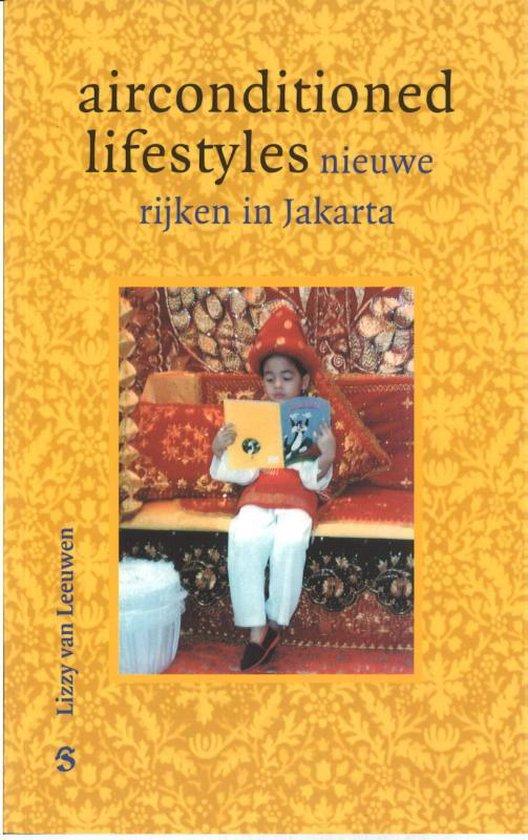
Air-conditioned lifestyle. Nieuwe rijken in Jakarta
€ 13,80
Dit boek gaat over de ''Orang Kaya Baru'', de nieuwe rijken van het moderne Jakarta (Indonesië). Zij vormen de bovenste laag van de middenklasse, die in het midden van de jaren zestig is ontstaan na de explosieve economische ontwikkeling, die door Soeharto''s autoritaire ''Orde Baru'' (Nieuwe Orde) in gang is gezet.
Deze snel groeiende middenklasse jogt voor het werk, consumeert afwisselend fastfood en health food en kijkt ''s avonds onderuitgezakt voor de buis naar soaps, waarin joggen, fastfood en moderne relatieperikelen centraal staan. Een ogenschijnlijk universele manier van leven, vol met de voortbrengselen van de moderne massaproductie.
Dit consumptiepatroon is een relatief nieuw fenomeen in deze niet-westerse culturen. Daar zijn het vaak de ''nouveaux riches'' die dit fenomeen het eerst en het hevigst omarmen, want alleen door hun consumptiegedrag kunnen zij zich van de rest van de samenleving onderscheiden; kenmerkend voor de oude elite is immers haar aristocratische afkomst en opstelling. De moderne consumptie is zo een ideale uitdrukking voor de nieuwe sociale status van de zich gestaag uitbreidende middenklasse.
De ''Orang Kaya Baru'' is het meest gebaat bij de stabiliteit en overzichtelijkheid, die door de economische politiek van de ''Orde Baru'' is ontstaan; zij hebben veel te verliezen.
Lizzy van Leeuwen is jurist en antropoloog en thans werkzaam bij de Gemeente Amsterdam.
Air-conditioned lifestyle. Nieuwe rijken in Jakarta
€ 13,80
Dit boek gaat over de ''Orang Kaya Baru'', de nieuwe rijken van het moderne Jakarta (Indonesië). Zij vormen de bovenste laag van de middenklasse, die in het midden van de jaren zestig is ontstaan na de explosieve economische ontwikkeling, die door Soeharto''s autoritaire ''Orde Baru'' (Nieuwe Orde) in gang is gezet.
Deze snel groeiende middenklasse jogt voor het werk, consumeert afwisselend fastfood en health food en kijkt ''s avonds onderuitgezakt voor de buis naar soaps, waarin joggen, fastfood en moderne relatieperikelen centraal staan. Een ogenschijnlijk universele manier van leven, vol met de voortbrengselen van de moderne massaproductie.
Dit consumptiepatroon is een relatief nieuw fenomeen in deze niet-westerse culturen. Daar zijn het vaak de ''nouveaux riches'' die dit fenomeen het eerst en het hevigst omarmen, want alleen door hun consumptiegedrag kunnen zij zich van de rest van de samenleving onderscheiden; kenmerkend voor de oude elite is immers haar aristocratische afkomst en opstelling. De moderne consumptie is zo een ideale uitdrukking voor de nieuwe sociale status van de zich gestaag uitbreidende middenklasse.
De ''Orang Kaya Baru'' is het meest gebaat bij de stabiliteit en overzichtelijkheid, die door de economische politiek van de ''Orde Baru'' is ontstaan; zij hebben veel te verliezen.
Lizzy van Leeuwen is jurist en antropoloog en thans werkzaam bij de Gemeente Amsterdam.

Bridges & Watersheds. A narrative analysis of watermanagement in England, Wales and the Netherlands
€ 22,50
What is good water management, if we take scarcity of water, combined with climate change, the rise of sea level and a growing world population into account? Can water management be privatized? Or should the role and the position of the nation state even be strengthened to protect the environment and the citizens? Dicke has conducted a narrative analysis of water management in England, Wales and the Netherlands. Hundred years ago, water used to be a national public good. The nation state was pivotal in water management. Nowadays, water is considered to be part of a global water system. This view transforms water from a national to a global public good. As a result, the nation state is not the only actor, which has a say in the management of this global public good. This transformation places the public private divide once again at the center of attention.
The present debate about privatization, both in England and in the Netherlands, is incomplete. It does not take all dimensions of the public private divide into account. Dicke suggests that both visibility (transparency) and collectivity (water belongs to us all) should be considered. The issue is not whether water management is provided by a nation state or not. The issue should be whether the dimensions of collectivity and visibility are well balanced. This can only be achieved through a restoration of the link between water and society.
Willemijn Dicke is assistant professor at Delft University of Technology at the Department of Public Management Organisation & Management.
Bridges & Watersheds. A narrative analysis of watermanagement in England, Wales and the Netherlands
€ 22,50
What is good water management, if we take scarcity of water, combined with climate change, the rise of sea level and a growing world population into account? Can water management be privatized? Or should the role and the position of the nation state even be strengthened to protect the environment and the citizens? Dicke has conducted a narrative analysis of water management in England, Wales and the Netherlands. Hundred years ago, water used to be a national public good. The nation state was pivotal in water management. Nowadays, water is considered to be part of a global water system. This view transforms water from a national to a global public good. As a result, the nation state is not the only actor, which has a say in the management of this global public good. This transformation places the public private divide once again at the center of attention.
The present debate about privatization, both in England and in the Netherlands, is incomplete. It does not take all dimensions of the public private divide into account. Dicke suggests that both visibility (transparency) and collectivity (water belongs to us all) should be considered. The issue is not whether water management is provided by a nation state or not. The issue should be whether the dimensions of collectivity and visibility are well balanced. This can only be achieved through a restoration of the link between water and society.
Willemijn Dicke is assistant professor at Delft University of Technology at the Department of Public Management Organisation & Management.
Tekstsociologie. Over de talige constructie van de sociale werkelijkheid
€ 22,50
Wij doen veel met taal. We denken er in, praten er mee en schrijven er in. Maar we doen er nog meer mee. We maken er ook onze wereld mee. We stellen ons de wereld niet alleen in taal voor, we handelen ook naar die voorstelling. Wat we denken dat er is, daarnaar handelen we. Met taal omschrijven we onze sociale werkelijkheid. Met die werkelijkheid houdt de sociologie zich bezig. Dit boek gaat over die wonderlijke combinatie: taal & sociologiebeoefening.
Gerhard Nijhof is hoogleraar Medische Sociologie aan de Universiteit van Amsterdam en o.a de auteur van Ziekenwerk. Een kleine sociologie van alledaags ziekenleven.
Gerhard Nijhof is hoogleraar Medische Sociologie aan de Universiteit van Amsterdam en o.a de auteur van Ziekenwerk. Een kleine sociologie van alledaags ziekenleven.
Tekstsociologie. Over de talige constructie van de sociale werkelijkheid
€ 22,50
Wij doen veel met taal. We denken er in, praten er mee en schrijven er in. Maar we doen er nog meer mee. We maken er ook onze wereld mee. We stellen ons de wereld niet alleen in taal voor, we handelen ook naar die voorstelling. Wat we denken dat er is, daarnaar handelen we. Met taal omschrijven we onze sociale werkelijkheid. Met die werkelijkheid houdt de sociologie zich bezig. Dit boek gaat over die wonderlijke combinatie: taal & sociologiebeoefening.
Gerhard Nijhof is hoogleraar Medische Sociologie aan de Universiteit van Amsterdam en o.a de auteur van Ziekenwerk. Een kleine sociologie van alledaags ziekenleven.
Gerhard Nijhof is hoogleraar Medische Sociologie aan de Universiteit van Amsterdam en o.a de auteur van Ziekenwerk. Een kleine sociologie van alledaags ziekenleven.
De straat aan de jeugd. Een ontwikkelingsgericht onderzoek naar drie jaar ‘Thuis Op Straat’.
€ 18,00
‘Thuis Op Straat’ (TOS) is de naam van een nieuwe manier van werken, gericht op kinderen en jongeren, om de leefbaarheid van buurten en wijken te vergroten door het scheppen van een duidelijk, gemoedelijk, fatsoenlijk en veilig klimaat op pleinen en straten, het hele jaar door, zeven dagen in de week. Met tevens de bedoeling dat er meer meisjes en meer jonge kinderen van de buitenruimte gebruikmaken. Dit gebeurt onder leiding van een professionele TOS-baas, samen met TOS-medewerkers (I&D-ers en Wiw-ers).
TOS hanteert daarbij geen standaardmethode maar werkt dynamisch: kijken wat op dat plein, in die wijk nodig is en van daaruit activiteiten organiseren. Hierbij speelt verbinding en verbreding een belangrijke rol: verbinding met ouders en buurtbewoners, verbreding naar partners in hetzelfde domein. In 1996 ging het eerste project van start in Rotterdam. Spoedig volgden andere gemeenten.
Drie jaar hebben de onderzoekers van de Erasmus Universiteit, Masson, Karyotis en De Jong, TOS-projecten in Rotterdam, Dordrecht, Leiden en Gouda op verzoek van de Provincie Zuid-Holland, de betrokken gemeenten en het ministerie van VWS gevolgd. In deze evaluatie wordt uitvoerig verslag gedaan van hun bevindingen op een viertal niveaus: welke TOS-activiteiten zijn er uitgevoerd, hoe was het gesteld met het personeel en de interne organisatie, hoe was de samenwerking met en participatie van andere organisaties in de buurten, en zijn de projecten geslaagd in hun oorspronkelijke opzet. De studie wordt afgesloten met aanbevelingen voor de lopende en toekomstige TOS-projecten.
De straat aan de jeugd. Een ontwikkelingsgericht onderzoek naar drie jaar ‘Thuis Op Straat’.
€ 18,00
‘Thuis Op Straat’ (TOS) is de naam van een nieuwe manier van werken, gericht op kinderen en jongeren, om de leefbaarheid van buurten en wijken te vergroten door het scheppen van een duidelijk, gemoedelijk, fatsoenlijk en veilig klimaat op pleinen en straten, het hele jaar door, zeven dagen in de week. Met tevens de bedoeling dat er meer meisjes en meer jonge kinderen van de buitenruimte gebruikmaken. Dit gebeurt onder leiding van een professionele TOS-baas, samen met TOS-medewerkers (I&D-ers en Wiw-ers).
TOS hanteert daarbij geen standaardmethode maar werkt dynamisch: kijken wat op dat plein, in die wijk nodig is en van daaruit activiteiten organiseren. Hierbij speelt verbinding en verbreding een belangrijke rol: verbinding met ouders en buurtbewoners, verbreding naar partners in hetzelfde domein. In 1996 ging het eerste project van start in Rotterdam. Spoedig volgden andere gemeenten.
Drie jaar hebben de onderzoekers van de Erasmus Universiteit, Masson, Karyotis en De Jong, TOS-projecten in Rotterdam, Dordrecht, Leiden en Gouda op verzoek van de Provincie Zuid-Holland, de betrokken gemeenten en het ministerie van VWS gevolgd. In deze evaluatie wordt uitvoerig verslag gedaan van hun bevindingen op een viertal niveaus: welke TOS-activiteiten zijn er uitgevoerd, hoe was het gesteld met het personeel en de interne organisatie, hoe was de samenwerking met en participatie van andere organisaties in de buurten, en zijn de projecten geslaagd in hun oorspronkelijke opzet. De studie wordt afgesloten met aanbevelingen voor de lopende en toekomstige TOS-projecten.