
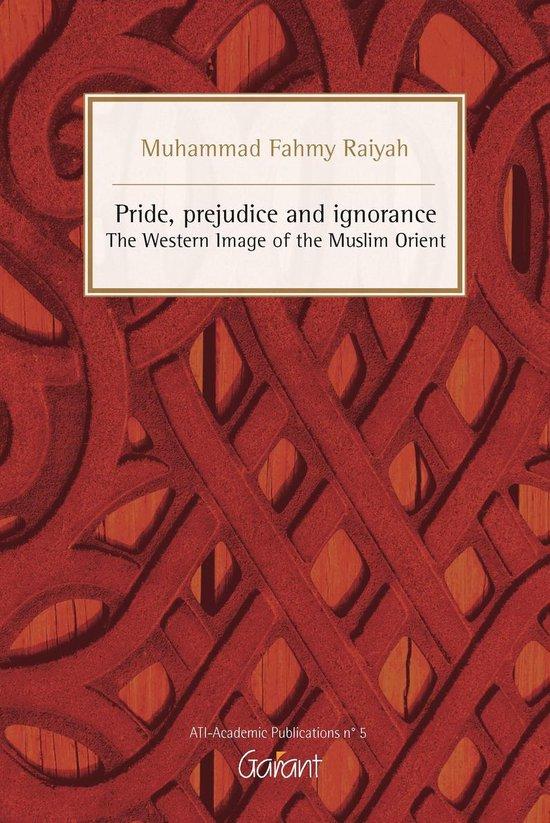
Pride, Prejudice and Ignorance. The western Image of the Muslim Orient (ATI-Academic Publications, n° 5)
€ 17,60
Spanning eleven centuries of conflict between Islam and the West, this book
presents an account of the development of the Western image of the Muslim
Orient from the advent of Islam to the eighteenth century. In an introductory
chapter, the book goes ev… meer
Op voorraad
Spanning eleven centuries of conflict between Islam and the West, this book
presents an account of the development of the Western image of the Muslim
Orient from the advent of Islam to the eighteenth century. In an introductory
chapter, the book goes even beyond the emergence of Islam to trace the
Eurocentric outlook that characterized the Western views of the Muslim world
to the Graeco-Roman’s conception of Eastern cultures as essentially different
and inferior, despotic and morally decadent. For Eastern Christians and medieval
Europeans alike, the Bible was a source of some of the most hostile interpretations
of the coming and meteoric spread of Islam. Against the backdrop of the
Crusades, some of the most offensive material and absurd fantasies were created
about Islam and the Prophet. Many medieval prejudices persisted during the
Renaissance and beyond. The rise of the Ottomans and their rapid advance in
Europe resulted in the resurgence of antagonistic feelings against the Muslims.
At the same time, the first-hand experience accompanying the spread of trade
and diplomatic relations with the Ottomans helped ameliorate the otherwise
totally negative image of Islam. The extension of travel to the Ottoman provinces
provided the West with more objective and accurate accounts of the Muslim
Orient. The book shows how a reappraisal of Islam and its prophet was an indirect
outcome of the Enlightenment project. The book sheds light on the origins of
the stereotypical image of Islam as reflected in the different manifestations of
European culture.
Muhammad Fahmy Raiyah is Assistant Professor of English literature at
Mansoura University, Egypt, and King Khalid University, Saudi Arabia.
Aanvullende informatie
| Afmetingen | 24 × 16 cm |
|---|
Boek informatie
Gerelateerde producten

Zorgbreed – Tijdschrift voor integrale leerlingenzorg – JRG 2 (2004-2005), nr. 5
Zorgbreed - Tijdschrift voor integrale leerlingenzorg ZORGBREED is - voor Vlaanderen en Nederland - een veelzijdig werkinstrument rond integrale leerlingenzorg en leerbegeleiding. ZORGBREED ondersteunt leerkrachten, zorgcoördinatoren en andere betrokkenen bij de begeleiding van alle leerlingen, met of zonder specifieke behoeften. Daarnaast bestedt ZORGBREED evenveel aandacht aan modellen en instrumenten voor algemene leerlingenzorg en aan het stap-voor-stap ontwikkelen van een zorgbeleid op klas- en schooniveau. Zowel leraren en welzijnswerkers, zorgcoördinatoren en jeugdtherapeuten als leerlingenbegeleiders en hulpverleners kunnen elkaar in dit tijdschrift vinden om informatie en advies uit te wisslelen vanuit hun specifieke ervaring en beroepsbezigheden. Met praktijkgerichte artikels spreekt ZORGBREED iedereen aan die zich direct of indirect bezig houdt met leerlingenbegeleiding, met welzijn en gezondheid of met eender welk zorgverbredingproject
Thema''s:
Praktijkverhalen over zorgverbreding en inclusieprojecten, modellen, conflicthantering, ict en zorgverbreding, kansarmoede, ADHD, sociaal-emotionele ontwikkeling, psycho-educatie, remediërende methodieken, pioniers in het werkveld, preventie… Deze opsomming is niet meer dan een eerste indicatie.
Lees meer over de samenstelling van de redactie, bijdragen tot het tijdschrift, abonnementen, bestellingen en het verschijnen van ZORGBREED in de volledige folder.
Download de ZORGBREED folder in pdf-formaat hier.
Zorgbreed – Tijdschrift voor integrale leerlingenzorg – JRG 2 (2004-2005), nr. 5
Zorgbreed - Tijdschrift voor integrale leerlingenzorg ZORGBREED is - voor Vlaanderen en Nederland - een veelzijdig werkinstrument rond integrale leerlingenzorg en leerbegeleiding. ZORGBREED ondersteunt leerkrachten, zorgcoördinatoren en andere betrokkenen bij de begeleiding van alle leerlingen, met of zonder specifieke behoeften. Daarnaast bestedt ZORGBREED evenveel aandacht aan modellen en instrumenten voor algemene leerlingenzorg en aan het stap-voor-stap ontwikkelen van een zorgbeleid op klas- en schooniveau. Zowel leraren en welzijnswerkers, zorgcoördinatoren en jeugdtherapeuten als leerlingenbegeleiders en hulpverleners kunnen elkaar in dit tijdschrift vinden om informatie en advies uit te wisslelen vanuit hun specifieke ervaring en beroepsbezigheden. Met praktijkgerichte artikels spreekt ZORGBREED iedereen aan die zich direct of indirect bezig houdt met leerlingenbegeleiding, met welzijn en gezondheid of met eender welk zorgverbredingproject
Thema''s:
Praktijkverhalen over zorgverbreding en inclusieprojecten, modellen, conflicthantering, ict en zorgverbreding, kansarmoede, ADHD, sociaal-emotionele ontwikkeling, psycho-educatie, remediërende methodieken, pioniers in het werkveld, preventie… Deze opsomming is niet meer dan een eerste indicatie.
Lees meer over de samenstelling van de redactie, bijdragen tot het tijdschrift, abonnementen, bestellingen en het verschijnen van ZORGBREED in de volledige folder.
Download de ZORGBREED folder in pdf-formaat hier.
Tijdschrift Geschiedenis der Geneeskunde – JRG 5 1999 – NR 6
Het tijdschrift dat zich bezighoudt met de geschiedenis van de geneeskunde, de farmacie, de verpleging, enz. Naast rijkelijk geïllustreerde artikelen over algemeen historische thema’s handelen kortere bijdragen over specifieke onderwerpen uit de geschiedenis van de geneeskunde in de Noordelijke en de Zuidelijke Nederlanden. In elk nummer is een uitgebreid aantal boekbesprekingen uit deze discipline opgenomen.
Hoofdredacteurs: H. Beukers & R. Van Hee
Verschijnt tweemaandelijks = 6 nummers van 64 blz., formaat 21 x 28 cm., per jaargang, vierkleurendruk.
Abonnementen (8ste jaargang, 2002-2003):
- particulieren: € 49,00
- studenten: € 39,00
- instellingen: € 59,00
Tijdschrift Geschiedenis der Geneeskunde – JRG 5 1999 – NR 6
Het tijdschrift dat zich bezighoudt met de geschiedenis van de geneeskunde, de farmacie, de verpleging, enz. Naast rijkelijk geïllustreerde artikelen over algemeen historische thema’s handelen kortere bijdragen over specifieke onderwerpen uit de geschiedenis van de geneeskunde in de Noordelijke en de Zuidelijke Nederlanden. In elk nummer is een uitgebreid aantal boekbesprekingen uit deze discipline opgenomen.
Hoofdredacteurs: H. Beukers & R. Van Hee
Verschijnt tweemaandelijks = 6 nummers van 64 blz., formaat 21 x 28 cm., per jaargang, vierkleurendruk.
Abonnementen (8ste jaargang, 2002-2003):
- particulieren: € 49,00
- studenten: € 39,00
- instellingen: € 59,00